
Embarking on the open road with the wind in your face is an experience synonymous with freedom, and in a state as geographically diverse and picturesque as Florida, that freedom truly takes on a new dimension. From the sun-drenched beaches of the Atlantic coast to the serene Gulf shores, the lush Everglades, and the vibrant cityscapes, Florida offers an unparalleled backdrop for motorcycle enthusiasts. However, before you can explore the Sunshine State on two wheels, securing your motorcycle endorsement is a crucial first step. This comprehensive guide will navigate you through the process, ensuring you’re well-prepared to hit the road safely and legally. The journey to obtaining your motorcycle endorsement in Florida is an investment in both your safety and your travel experiences, paving the way for unforgettable adventures across this remarkable corner of the USA.

Understanding the Florida Motorcycle Endorsement
The motorcycle endorsement isn’t just a formality; it’s a testament to your understanding of safe riding practices and the unique challenges of operating a motorcycle. It signifies that you possess the necessary skills and knowledge to share the road responsibly, protecting yourself and others.
What is a Motorcycle Endorsement?
In Florida, a motorcycle endorsement is an additional qualification added to your existing Class E driver’s license (or higher). It’s not a separate license but rather an authorization that allows you to legally operate a motorcycle or a three-wheeled motor vehicle on public roads. This distinction is important because it means you must first hold a valid Florida driver’s license to even begin the process of getting your motorcycle endorsement. For out-of-state residents looking to ride in Florida as part of their travel plans, their home state’s motorcycle endorsement is generally recognized, but for long-term residents or those seeking a local license, the Florida endorsement is mandatory.
Why You Need One in Florida
Operating a motorcycle without a proper endorsement is not only illegal but also incredibly dangerous. Without the necessary training and legal recognition, you face significant fines, potential vehicle impoundment, and an increased risk of accidents due to a lack of foundational skills. More importantly, an endorsement ensures you’ve received specific training tailored to motorcycle operation, which differs significantly from driving a car. This training covers critical aspects like hazard perception, emergency braking, evasive maneuvers, and maintaining stability – all vital for navigating Florida’s diverse roadways, from bustling city streets in Miami to scenic coastal highways near Key West. The state’s commitment to safety is paramount, and the endorsement requirement is a cornerstone of that commitment.
Who is Eligible?
To be eligible for a motorcycle endorsement in Florida, you must meet several criteria. First and foremost, you must be at least 16 years old. If you are under 18, you must have held a learner’s permit for at least one year without any traffic convictions. All applicants, regardless of age, must possess a valid Florida Class E driver’s license or higher. This ensures that you already have a foundational understanding of traffic laws and road etiquette, which can then be built upon with specific motorcycle knowledge. There are no exceptions for experienced riders from other states who are becoming Florida residents; everyone must follow the same procedure to obtain a Florida endorsement, primarily by completing the mandatory motorcycle safety course.
The Mandatory Basic RiderCourse (BRC)
The cornerstone of obtaining your motorcycle endorsement in Florida is successfully completing the Basic RiderCourse, or BRC. This course is not just a suggestion; it’s a mandatory requirement for all new motorcycle endorsement applicants.
Why the BRC is Essential
The BRC is designed to provide aspiring riders with fundamental riding skills and critical safety knowledge. It’s an immersive program that blends classroom instruction with practical, hands-on riding exercises in a controlled environment. Instructors, certified by the Motorcycle Safety Foundation (MSF) and approved by the Florida Department of Highway Safety and Motor Vehicles (FLHSMV), guide students through everything from basic motorcycle controls to advanced maneuvering and emergency procedures. This structured learning environment is invaluable, helping new riders develop confidence and competence before facing real-world traffic scenarios. The emphasis on defensive riding techniques and hazard awareness within the BRC directly contributes to reducing accident risks, making it an indispensable part of your rider education.
Finding an Approved BRC Provider
The FLHSMV oversees all approved motorcycle safety courses in Florida. You must enroll in a course offered by a provider that has been officially sanctioned by the state. These courses are typically offered through community colleges, private motorcycle training schools, and sometimes even motorcycle dealerships. You can find a list of approved providers on the official FLHSMV website. It’s advisable to search for schools in your local area, whether you’re in Tampa, Orlando, Jacksonville, or Tallahassee, and compare schedules, prices, and reviews. Early registration is often recommended, especially during peak riding seasons, as classes can fill up quickly. Ensure the provider clearly states that their BRC is recognized by the FLHSMV for endorsement purposes.
What to Expect During the Course
The BRC typically spans two to three days, combining classroom sessions with extensive practical riding time. In the classroom, you’ll learn about motorcycle controls, risk management, protective gear, and Florida motorcycle laws. You’ll also discuss various riding strategies, including swerving and quick stopping techniques. The practical portion takes place on a closed course, usually a large paved lot, where you’ll be provided with a training motorcycle (typically a smaller displacement bike suitable for beginners) and a helmet. Exercises progress from basic maneuvers like starting, stopping, and shifting gears, to more complex skills such as cornering, weaving through cones, emergency braking, and obstacle avoidance. The instructors provide constant feedback, ensuring a safe and supportive learning environment. At the end of the course, you’ll undergo a written knowledge test and a practical riding evaluation. Successfully passing both components earns you a completion card, which is your ticket to the endorsement.
The BRC Waiver
For first-time motorcycle endorsement applicants in Florida, there is no waiver for the BRC. It is a mandatory requirement. However, if you are moving to Florida from another state and already possess a motorcycle endorsement on your out-of-state driver’s license, you may not need to retake the BRC. The FLHSMV generally recognizes valid motorcycle endorsements from other U.S. states. You would simply transfer your out-of-state license to a Florida license, and your motorcycle endorsement would typically transfer with it. It’s always best to confirm the most current regulations directly with the FLHSMV or a local Department of Motor Vehicles (DMV) office, as rules can occasionally change.
Completing the DMV Requirements
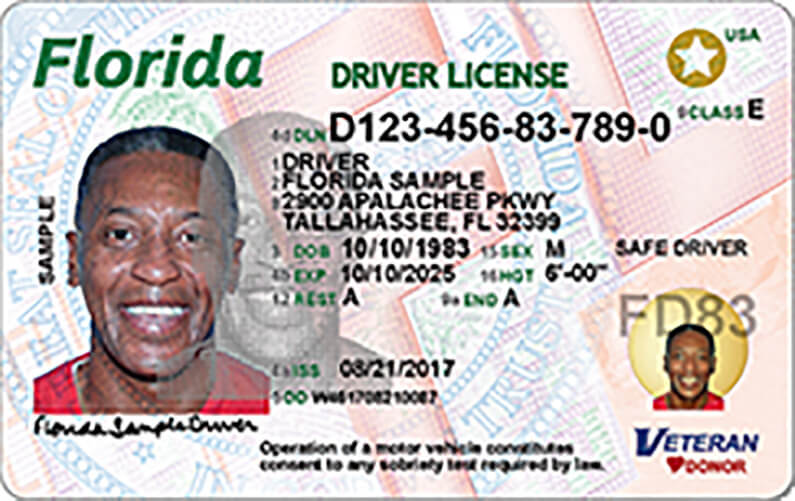
After successfully completing your BRC and receiving your completion card, the final step is to visit your local FLHSMV (often referred to as the DMV or tax collector’s office) to have the endorsement added to your driver’s license.
What to Bring to the DMV
Preparation is key to a smooth and efficient visit to the DMV. You’ll need to gather several essential documents to ensure your application can be processed without delays. This typically includes:
- Your valid Florida Class E driver’s license.
- The official BRC completion card (also known as a waiver card), issued by your approved training provider. This card is usually valid for one year from the date of completion, so don’t delay your visit to the DMV.
- Proof of identity, such as your birth certificate or U.S. Passport.
- Proof of Social Security number, such as your Social Security card.
- Two proofs of residential address, like a utility bill or lease agreement.
- Payment for the endorsement fee and any driver’s license renewal fees (if applicable).
It’s highly recommended to check the official FLHSMV website or call your local office beforehand to confirm the exact list of required documents, as requirements can sometimes vary slightly or be updated.
Vision and Knowledge Tests
One of the significant advantages of completing the BRC in Florida is that it waives the requirement for both the motorcycle knowledge test and the on-cycle skills test at the DMV. Your successful completion of the BRC includes these assessments, which are performed by the certified instructors. Therefore, when you visit the DMV with your BRC completion card, you will typically only need to pass a standard vision test. This streamlined process saves you time and avoids the stress of an additional riding test conducted by DMV personnel. Once you pass the vision test and all your documents are verified, the endorsement will be added to your license, and a new driver’s license reflecting this will be issued, usually on the same day.
Fees and Documentation
There will be a fee associated with adding the motorcycle endorsement to your license. This fee is separate from the cost of the BRC itself. Additionally, if your driver’s license is due for renewal or if you are upgrading from an out-of-state license, there might be associated renewal or transfer fees. Be prepared to pay these fees, typically by cash, check, or credit/debit card, depending on the specific DMV office policies. Ensure you keep copies of all your documentation, especially your BRC completion card, for your records, even after the endorsement has been added to your license.
Beyond the Endorsement: Safe Riding in Florida
Obtaining your motorcycle endorsement is a monumental achievement, opening up a world of travel possibilities in Florida. However, the endorsement is merely the beginning of your journey as a responsible and skilled rider. Continuous learning and adherence to best practices are crucial for long-term safety and enjoyment.
Essential Gear for Florida Riders
While Florida’s climate is famously warm, protective gear remains paramount. Although Florida has specific helmet laws that allow riders over 21 with appropriate insurance coverage to ride without a helmet, wearing one is always the safest choice. Beyond a helmet, consider:
- Eye Protection: Essential even with a windshield to protect against debris and insects.
- Durable Jacket and Pants: Even in the heat, abrasion-resistant materials like leather or textile offer crucial protection in a fall. Look for options with good ventilation.
- Gloves: Protect your hands from impacts and road rash, and improve grip.
- Over-the-Ankle Boots: Provide ankle support and protection for your feet.
Investing in quality gear is an investment in your personal safety, enhancing your ability to travel confidently and securely.
Understanding Florida Motorcycle Laws
Familiarizing yourself with Florida’s specific motorcycle laws is vital. Beyond the helmet law nuances, be aware of rules regarding:
- Lane Usage: Motorcycles are entitled to the full use of a lane and cannot be driven in a manner that deprives another vehicle of the full use of a lane. Lane splitting (riding between lanes of traffic) is illegal in Florida.
- Headlights: Motorcycles must have their headlights on at all times, day or night.
- Passenger Requirements: Passengers must be seated on a separate seat or a properly equipped passenger seat and must use proper footrests.
- Insurance: Florida law requires motorcycle riders to carry bodily injury liability coverage of at least $10,000 if they choose not to wear a helmet. Regardless of helmet choice, property damage liability is always a good idea.
Staying informed about these regulations ensures a legal and safe riding experience for everyone on the road.
Navigating Florida’s Diverse Riding Environments
Florida’s landscapes offer a variety of riding challenges and joys. From the dense traffic of urban centers like Orlando and Tampa to the winding scenic routes of the Florida Keys or the rural roads through citrus groves, each environment demands different levels of attention and skill. Be prepared for sudden changes in weather, especially during the rainy season, where roads can become slick rapidly. Look out for sand on roads near beaches, and be vigilant for wildlife, particularly in more rural or natural areas. Practicing your skills regularly, especially emergency braking and evasive maneuvers, will prepare you for unexpected situations and allow you to fully enjoy the diverse travel experiences Florida has to offer.
Preparing for Your Florida Motorcycle Journey
With your endorsement in hand, the real adventure begins. Florida is a prime destination for motorcycle travel, offering endless routes and experiences. Planning your journeys will maximize enjoyment and minimize stress.
Planning Routes and Destinations
Florida boasts an array of motorcycle-friendly routes. Consider scenic drives like A1A along the Atlantic coast, the historic Tamiami Trail through the Everglades, or the breathtaking overseas highway to Key West. Utilize online mapping tools and dedicated motorcycle travel apps to discover hidden gems, plan fuel stops, and identify rider-friendly accommodations or attractions. Think about the type of experience you seek: a leisurely ride along the coast, an exploration of national parks, or a cultural tour through cities. Research local events, motorcycle rallies, or festivals happening in areas like Daytona Beach to enhance your travel itinerary.

Community and Resources for Riders
Becoming part of Florida’s vibrant motorcycle community can significantly enrich your travel experiences. Join local riding clubs, forums, or social media groups to connect with fellow enthusiasts, share route ideas, and find riding partners. Many dealerships and independent shops also host group rides and events. These communities often share invaluable local knowledge, from the best scenic overlooks to must-try roadside eateries. Online resources and rider magazines specifically focused on Florida can also provide inspiration and practical advice for exploring the state on two wheels. Engaging with this community provides not just camaraderie but also a wealth of information that can transform a good ride into an extraordinary travel adventure.
Securing your motorcycle endorsement in Florida is more than just obtaining a permit; it’s unlocking a unique way to experience the state. By meticulously following the steps outlined, prioritizing safety, and embracing the continuous learning curve of motorcycling, you’ll be well-equipped to embark on countless memorable journeys across Florida’s captivating landscapes. Ride safe, and enjoy the ride!
LifeOutOfTheBox is a participant in the Amazon Services LLC Associates Program, an affiliate advertising program designed to provide a means for sites to earn advertising fees by advertising and linking to Amazon.com. Amazon, the Amazon logo, AmazonSupply, and the AmazonSupply logo are trademarks of Amazon.com, Inc. or its affiliates. As an Amazon Associate we earn affiliate commissions from qualifying purchases.