
The question of whether non-citizens can vote in California delves into a complex intersection of civic rights, state and federal laws, and the evolving concept of community participation. For many non-citizens who have chosen California as their home, contributing to the local fabric through work, taxes, and community engagement is a fundamental part of their lifestyle. Understanding their rights and the pathways to influence the policies that shape their daily lives is crucial for anyone navigating the vibrant, diverse landscape of the Golden State. While the general rule for most elections in the United States requires citizenship, California presents a nuanced picture, especially at the local level. This exploration aims to provide an insightful overview for non-citizens aspiring to understand their role in California’s political processes and how their civic lifestyle can thrive, even without the ballot in all instances.
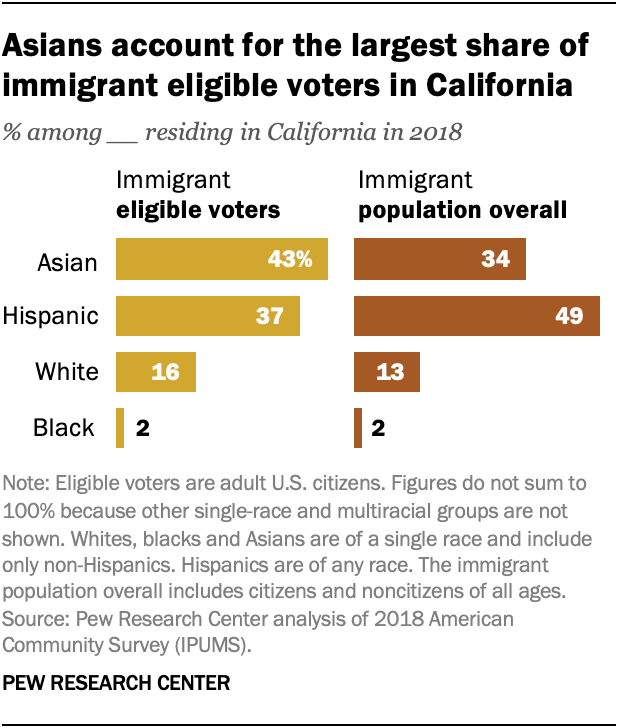
Understanding the Landscape of Civic Participation for Non-Citizens in California
For many who live, work, and raise families in California without being naturalized citizens, the desire to participate in the democratic process is a natural extension of their commitment to the community. The reality, however, is shaped by a multi-layered legal framework.
The Federal Mandate: U.S. Citizenship for Federal and State Elections
At the foundational level, the United States Constitution generally reserves the right to vote in federal elections—for President, Vice President, and members of Congress—for U.S. citizens. This principle extends to most statewide elections, including for Governor, state legislators, and state propositions. Consequently, non-citizens, regardless of their residency status (e.g., green card holders, visa holders), are typically ineligible to vote in these broader elections in California. This federal mandate sets a significant boundary for the civic lifestyle of non-citizens, guiding where their direct electoral influence can and cannot extend.
State-Level Variations and Local Autonomy
While federal and most state elections adhere to the citizenship requirement, the landscape shifts when considering local elections. The U.S. Constitution does not explicitly prohibit non-citizen voting in local or state elections, leaving room for states and localities to define their own electorates. Historically, non-citizen voting was quite common in many parts of the United States, particularly during the 18th and 19th centuries, reflecting different attitudes toward civic inclusion.
In modern California, this local autonomy has led to some variations. While the state constitution generally restricts voting to U.S. citizens aged 18 or older, some jurisdictions have explored or implemented policies allowing non-citizens to vote in specific local elections, most notably school board elections. This creates a fascinating dynamic where the civic lifestyle of a non-citizen can be dramatically different depending on which city or county they call home.
The Broader Spectrum of Non-Citizen Engagement
Even where direct voting rights are restricted, the civic lifestyle of non-citizens in California is far from passive. From volunteering for local causes to participating in community meetings, their contributions are vital. Understanding the specific legal boundaries is the first step, but equally important is recognizing the numerous other avenues through which non-citizens shape the destiny of their adopted communities. These informal and formal channels of influence underscore a robust, engaged lifestyle that transcends mere eligibility for casting a ballot.
Navigating the Nuances: Who Can Vote Where?
The question of non-citizen voting in California is best understood by examining the specific types of elections and the historical and current policy discussions surrounding them.
Municipal Elections and School Board Voting: A Patchwork Approach
The most prominent area where non-citizen voting rights have been debated and, in some cases, enacted, is in municipal and school board elections. These elections directly impact daily life, influencing everything from local infrastructure and public safety to, critically, the education system. Non-citizen parents, in particular, often feel a strong desire to have a say in the schools their children attend.
In California, a notable example is San Francisco. In 2016, San Francisco voters passed Proposition N, allowing non-citizen parents and legal guardians to vote in school board elections, provided they are residents of San Francisco and at least 18 years old. This landmark decision reflects a growing recognition in some progressive cities that local issues, especially education, affect all residents, regardless of immigration status. Similarly, other cities in the United States, such as Oakland, have seen discussions or proposals around expanding local voting rights for non-citizens. These local initiatives highlight a distinct aspect of the non-citizen lifestyle: a focused engagement with issues that directly impact their families and neighborhoods.
It’s crucial to understand that such policies are not uniform across California. While San Francisco has moved forward, the vast majority of cities and counties in the state continue to restrict voting in all elections to U.S. citizens. Therefore, for non-citizens, researching the specific electoral rules of their local jurisdiction is an essential part of understanding their civic lifestyle opportunities.
The Role of Permanent Residents and Green Card Holders
Permanent residents, often referred to as green card holders, possess a legal right to live and work permanently in the United States. They pay taxes, own property, and contribute significantly to the economy and social fabric of California. Despite this deep integration, permanent residency status, by itself, does not typically grant voting rights in federal or state elections. Even in localities like San Francisco where non-citizens can vote in school board elections, the eligibility criteria extend beyond just green card holders to include other non-citizen parents and legal guardians. This distinction underscores that even the most secure non-citizen status does not automatically translate into full electoral enfranchisement. For many, the lifestyle of a permanent resident involves a significant commitment to their community without the full range of political participation afforded to citizens.

Non-Citizen Voting Rights: A Historical Perspective in the U.S.
The concept of non-citizen voting is not new to the United States. During the nation’s early history, many states permitted non-citizens to vote, particularly during periods of westward expansion when attracting new settlers was a priority. States like Illinois, Indiana, Kansas, and Wisconsin once allowed immigrants to vote, often after declaring an intent to naturalize. This historical precedent provides an important context for contemporary debates, suggesting that the current universal citizenship requirement for most elections is not an immutable part of American democracy but rather a policy choice that has evolved over time. Understanding this history can help non-citizens frame their expectations and engagement within their adopted lifestyle in California.
Beyond the Ballot Box: Other Avenues for Civic Lifestyle Engagement
For non-citizens in California, contributing to the public sphere and shaping their communities extends far beyond casting a vote. A robust civic lifestyle can be forged through numerous other impactful channels, demonstrating that influence is not solely tied to electoral power.
Community Advocacy and Volunteerism
Non-citizens form a vital part of California’s diverse population, bringing unique perspectives and needs. Their active participation in community advocacy groups, non-profit organizations, and local initiatives provides a powerful voice. Whether lobbying local councils on issues like housing, immigrant rights, environmental protection, or public health, non-citizens can directly influence policy discussions and outcomes. Volunteering time and skills to local causes—from helping at food banks to mentoring youth—enriches the community and demonstrates a deep commitment to the welfare of their neighbors. This form of engagement is a core component of an active civic lifestyle, allowing non-citizens to directly address issues pertinent to their lives and the lives of those around them.
Economic Contributions and Local Impact
The economic contributions of non-citizens in California are immense and undeniable. They fill critical labor gaps, start businesses, pay taxes (income, sales, and property taxes), and consume goods and services, all of which fuel the state’s economy. These contributions indirectly translate into civic influence. Local governments and policymakers are often highly attuned to the needs and concerns of their tax-paying residents, regardless of citizenship status, understanding that their economic vitality is linked to the well-being of all who live within their borders. By participating in local economies, non-citizens are already deeply embedded in the civic lifestyle, contributing to the resources that fund public services and infrastructure.
Pathways to Citizenship and Full Enfranchisement
For many non-citizens, the ultimate goal of full civic participation includes becoming a naturalized U.S. citizen. The naturalization process, while rigorous, offers the definitive pathway to securing the right to vote in all federal, state, and local elections. Organizations across California provide resources and support for those navigating this complex journey, including legal assistance, English language classes, and civics education. Pursuing citizenship is a profound commitment to the United States and represents the fullest expression of an engaged civic lifestyle, transforming legal residents into fully enfranchised members of the political community. For those considering this path, understanding the process is a critical part of their long-term lifestyle planning.
Implications for the Non-Citizen Lifestyle in California
The legal framework surrounding non-citizen voting profoundly shapes the experience and lifestyle of millions in California. It dictates not just who can vote, but how individuals perceive their place in society and how they choose to engage with it.
Shaping Your Community Without a Vote
Even without the universal right to vote, non-citizens actively shape their communities in California. Their cultural traditions enrich the state’s diverse social fabric, their labor drives its innovation and agriculture, and their advocacy influences local policies. From leading parent-teacher associations to organizing neighborhood watch groups, non-citizens are often at the forefront of local efforts. Their presence compels public discourse on issues of representation and inclusion, pushing for greater consideration of immigrant perspectives in policy-making. This active, engaged lifestyle demonstrates resilience and a deep commitment to building better communities, regardless of formal electoral access.
The Debate: Expanding vs. Restricting Non-Citizen Voting
The question of non-citizen voting remains a lively and often contentious debate in California and across the United States. Proponents argue that allowing non-citizens who live, work, and pay taxes in a community to vote in local elections is a matter of fairness and strengthens democracy by increasing representation for those directly affected by local decisions. They emphasize that taxation without representation is a fundamental injustice. Opponents, however, often argue that the right to vote is a privilege reserved exclusively for citizens, a defining characteristic of national belonging that should be earned through the naturalization process. This ongoing debate reflects different philosophical views on citizenship, democracy, and who constitutes a legitimate voter. For non-citizens, this discourse is a constant backdrop to their civic lifestyle, influencing their sense of belonging and their avenues for activism.
Resources and Support for Non-Citizen Residents
For non-citizens navigating their civic lifestyle in California, a wealth of resources exists. Non-profit organizations, community centers, and legal aid groups provide invaluable support on immigration matters, pathways to citizenship, voter education (for those eligible, or on related civics), and opportunities for community engagement. These resources empower non-citizens to understand their rights, fulfill their responsibilities, and find meaningful ways to contribute to their communities, ensuring that their voices are heard and their presence is impactful. Engaging with these resources is a proactive step for any non-citizen seeking to maximize their civic lifestyle in California.
In conclusion, while the simple answer to “Can Non Citizens Vote In California?” for most major elections is no, the reality is far more intricate. A select few local jurisdictions offer limited voting rights, and more importantly, the lifestyle of a non-citizen in California is rich with opportunities for civic engagement that extend well beyond the ballot box. From economic contributions to community advocacy and the pursuit of citizenship, non-citizens are integral to the social and political fabric of the state, actively shaping its present and future.
LifeOutOfTheBox is a participant in the Amazon Services LLC Associates Program, an affiliate advertising program designed to provide a means for sites to earn advertising fees by advertising and linking to Amazon.com. Amazon, the Amazon logo, AmazonSupply, and the AmazonSupply logo are trademarks of Amazon.com, Inc. or its affiliates. As an Amazon Associate we earn affiliate commissions from qualifying purchases.