
Driving through the picturesque landscapes of the Sunshine State, from the vibrant streets of Miami to the theme park wonders of Orlando, is a quintessential part of the Florida lifestyle. Whether you’re a long-term resident, a new transplant, planning an extended family vacation, or a business professional on an assignment, understanding the legal requirements for driving is paramount. One of the most critical aspects of operating a vehicle in Florida is auto insurance. The short answer to whether auto insurance is required in Florida is an unequivocal yes. However, the specifics of what’s required, and why, are nuanced and crucial for anyone behind the wheel. This guide delves into the mandatory insurance coverages, recommended additional protections, and how these requirements impact various lifestyles, ensuring you stay compliant and protected on Florida’s roads.

The Mandatory Minimums for Drivers in the Sunshine State
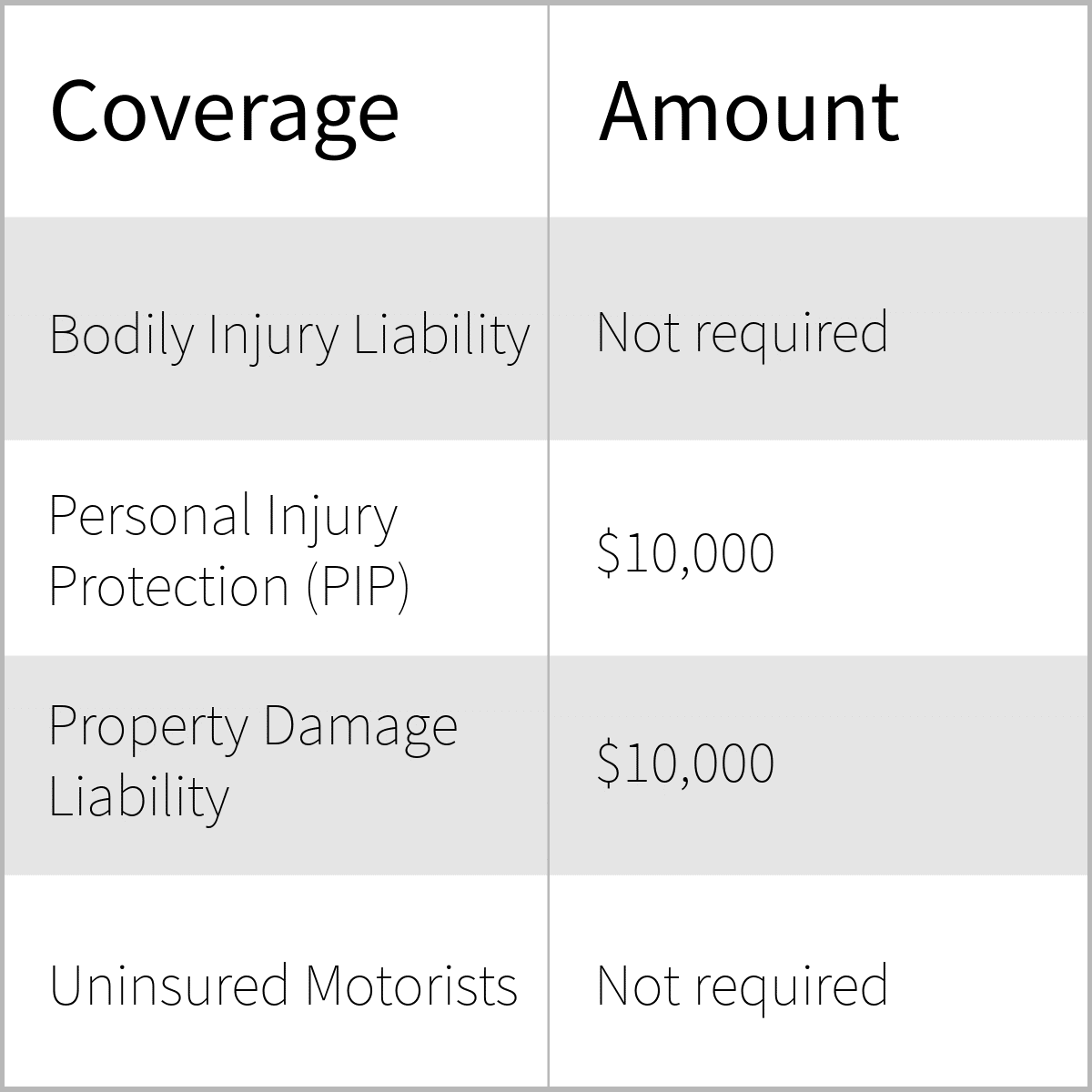
Florida operates under a “no-fault” insurance system, which significantly influences the type and amount of coverage legally mandated. This system aims to streamline the claims process after an accident, ensuring that medical expenses and lost wages are covered by your own insurance, regardless of who was at fault. This doesn’t mean fault is irrelevant for property damage or serious injuries, but it does dictate the initial approach to personal injury claims. For any vehicle registered in Florida, two primary forms of coverage are legally required: Personal Injury Protection (PIP) and Property Damage Liability (PDL).
Personal Injury Protection (PIP): Your First Line of Defense
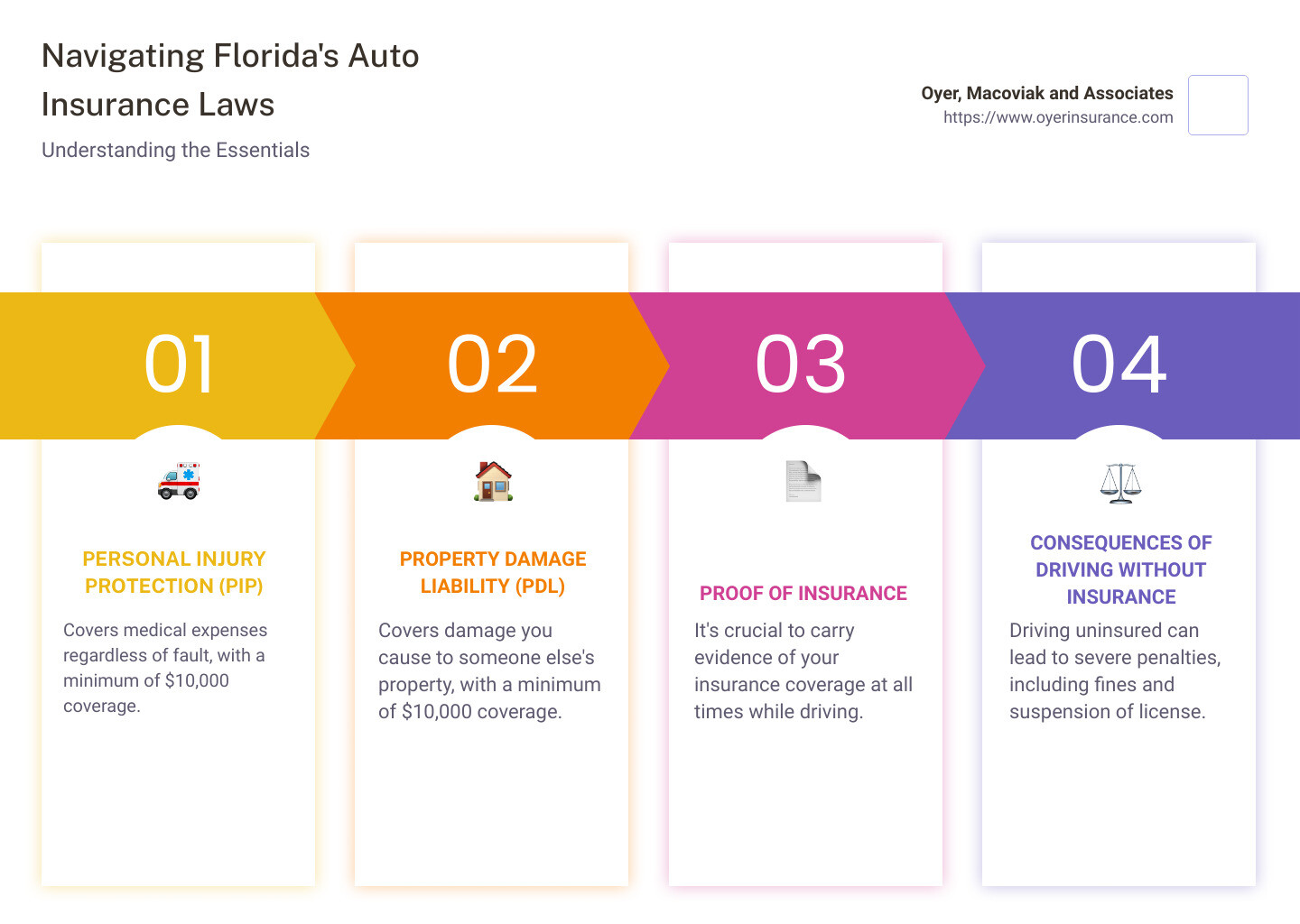
Personal Injury Protection, or PIP, is the cornerstone of Florida’s no-fault system. Every driver in Florida is legally obligated to carry at least $10,000 in PIP coverage. This coverage is designed to pay for 80% of your medical expenses, 60% of lost wages, and certain death benefits, up to the policy limit, regardless of who caused the accident. This protection extends not only to you as the policyholder but also to registered members of your household, passengers in your vehicle, and even pedestrians or cyclists struck by your car, as long as they don’t have their own PIP coverage.
The intent behind PIP is to ensure that accident victims receive prompt medical attention and financial support without the delay of determining fault. For a family enjoying a trip to Busch Gardens or a professional commuting to Tampa for work, knowing that initial medical costs are covered can provide immense peace of mind. It’s important to note that PIP covers medical services that are deemed “reasonable and necessary” and related to the accident. Understanding your PIP benefits is vital for managing immediate post-accident needs, which is a practical lifestyle consideration for anyone driving in the state.
Property Damage Liability (PDL): Protecting Others’ Assets
In addition to PIP, Florida law requires drivers to carry Property Damage Liability (PDL) coverage. The minimum requirement for PDL is $10,000. Unlike PIP, which covers personal injuries, PDL specifically covers damage your vehicle might cause to someone else’s property. This includes damage to another person’s car, a fence, a building, or any other physical property in an accident where you are deemed at fault.
Consider a scenario where a resident of Sarasota accidentally backs into another vehicle in a parking lot, or a tourist visiting Key West misjudges a turn and scrapes a light pole. PDL coverage steps in to cover the costs of repairing or replacing that damaged property, up to your policy limit. Without sufficient PDL, drivers would be personally responsible for these expenses, which can quickly become substantial. This coverage is a critical component for responsible driving and a practical necessity for maintaining a financially stable lifestyle in Florida.
Understanding the “No-Fault” System
Florida’s no-fault system is unique and warrants a deeper understanding for all drivers. The core principle is that after an accident, your own insurance company pays for your initial medical expenses and lost wages, regardless of who caused the collision. This system aims to reduce litigation and speed up compensation for minor injuries. However, it does not mean that drivers are never held accountable. If your injuries meet a certain “serious injury threshold” – defined by Florida law as significant and permanent loss of an important bodily function, permanent injury within a reasonable degree of medical probability, significant and permanent scarring or disfigurement, or death – you can then step outside the no-fault system and sue the at-fault driver for additional damages, including pain and suffering. This dual approach emphasizes the importance of having both the mandatory no-fault coverage and potentially additional liability coverage to protect against more severe scenarios. This is especially pertinent for individuals whose lifestyle involves frequent driving or who want to ensure comprehensive protection for their family.
Beyond the Basics: Recommended Coverage for Peace of Mind
While PIP and PDL are the only legally mandated auto insurance coverages in Florida, relying solely on these minimums can leave you significantly exposed to financial risks. For a truly secure lifestyle, particularly in a state with high traffic volumes and varied driving conditions, most financial advisors and insurance experts strongly recommend additional types of coverage. These optional policies provide crucial layers of protection that address scenarios beyond the scope of basic requirements, offering enhanced peace of mind.
Bodily Injury Liability (BIL): An Essential Layer of Protection
Bodily Injury Liability (BIL) coverage is perhaps the most important optional coverage to consider in Florida. While not legally required by the state for private passenger vehicles (though it is for commercial vehicles), it is critical for protecting your assets in case you are at fault in an accident that causes injuries or death to others. If the injuries sustained by the other party exceed their PIP coverage and meet Florida’s serious injury threshold, they can sue you for damages, including medical expenses, lost wages, and pain and suffering.
BIL coverage pays for these damages, up to your policy limits, and also covers legal fees if you are sued. Without BIL, your personal assets – including savings, home equity, and future earnings – could be at risk. For individuals establishing a family life or building a career in Florida, adequate BIL coverage is not just an insurance policy; it’s a fundamental aspect of financial planning and risk management, safeguarding the lifestyle you’ve worked hard to achieve.
Uninsured/Underinsured Motorist (UM/UIM) Coverage
Despite mandatory insurance laws, a significant number of drivers on Florida’s roads operate without adequate coverage, or even without any insurance at all. This is where Uninsured/Underinsured Motorist (UM/UIM) coverage becomes invaluable. UM/UIM protects you and your passengers if you are hit by a driver who either has no insurance (uninsured) or doesn’t have enough insurance to cover your medical bills and lost wages (underinsured).
Given Florida’s high rate of uninsured motorists, this coverage is highly recommended. It acts as an extension of your own protection, stepping in when the at-fault driver cannot. For anyone regularly navigating the busy highways from Fort Lauderdale to Naples or frequently taking family trips, UM/UIM is a prudent investment that ensures your medical expenses and lost income are covered, preventing potentially catastrophic financial burdens that could disrupt your lifestyle.
Collision and Comprehensive Coverage: Protecting Your Vehicle
While PIP and liability coverages primarily deal with injuries and damages to others’ property, collision and comprehensive coverage protect your own vehicle. Collision coverage pays for damage to your car resulting from an accident with another vehicle or object, regardless of who is at fault. If you drive a newer car, or one that you can’t afford to replace out-of-pocket, collision coverage is essential.
Comprehensive coverage, on the other hand, covers damage to your vehicle from non-collision incidents such as theft, vandalism, fire, natural disasters (a common concern in hurricane-prone Florida), falling objects, or hitting an animal. If you have an auto loan or lease, these coverages are almost always required by the lender. For those who rely on their vehicle for daily life, be it for commuting, family outings to Disney World, or business travel across the state, these coverages ensure that your mode of transport is protected, minimizing disruptions to your lifestyle.
Navigating Florida’s Insurance for Various Lifestyles
The need for auto insurance in Florida is universal, but how individuals approach and manage their policies can vary significantly based on their unique lifestyle and circumstances within the state. From long-term residents to short-term visitors, each group has specific considerations to keep in mind when securing adequate coverage. Understanding these distinctions is key to maintaining compliance and financial security on Florida’s diverse roadways.
For Florida Residents: Establishing Your Policy
For individuals who call Florida home, establishing a proper auto insurance policy is a foundational step. Once you’ve purchased a vehicle and registered it in the state, you must provide proof of your PIP and PDL coverage to the Florida Department of Highway Safety and Motor Vehicles (FLHSMV). Your policy should be continuous, as any lapse can lead to serious penalties, including suspension of your driver’s license and vehicle registration. Residents often have the luxury of choosing from a wide array of insurance providers and policy options. It’s advisable to regularly review your coverage, especially as your lifestyle changes—buying a new home, having children, or changing jobs can all impact your insurance needs. Many Florida residents opt for policies that include higher liability limits, UM/UIM, and full coverage (collision and comprehensive) to protect their accumulated assets and daily commute, ensuring their lifestyle remains undisturbed by unforeseen events.
Visitors and Tourists: Car Rentals and Temporary Stays
For visitors and tourists embarking on family trips to destinations like St. Petersburg or exploring the natural beauty of the Everglades, understanding auto insurance for rented vehicles is crucial. When renting a car in Florida, your personal auto insurance policy from your home state or country may offer some coverage. However, it’s essential to confirm the specifics, especially regarding state-mandated PIP and PDL. Rental car companies typically offer various supplemental insurance options, such as Loss Damage Waiver (LDW), Supplemental Liability Insurance (SLI), and Personal Accident Insurance (PAI).
While an LDW covers damage to the rental car itself, SLI provides additional liability coverage beyond the state minimums that the rental company carries. PAI offers medical and accidental death benefits similar to PIP. Credit card companies often provide rental car insurance benefits as well. Before you travel, contact your personal insurer and credit card company to understand what’s covered. For many tourists, especially those on extended stays, purchasing the supplemental liability offered by the rental company is a prudent choice to ensure full compliance with Florida’s no-fault law and to gain peace of mind for their vacation lifestyle.
Business Travelers: Ensuring Compliance on the Road
Business travelers frequently operating vehicles in Florida, whether using a personal car for company business or renting a vehicle, face unique insurance considerations. If you are using your personal vehicle for business purposes, you should verify that your personal auto policy covers business use, as some standard policies exclude it. This is particularly important for individuals whose lifestyle involves frequent client visits across cities like Jacksonville or transporting equipment.
Many companies provide non-owned auto liability coverage for employees driving their personal vehicles for work, or they have corporate rental car agreements that include comprehensive insurance. However, it’s the individual’s responsibility to understand these coverages. For long-term business assignments in Florida, it might be more appropriate to register the vehicle in the state and obtain a full Florida policy. Ensuring adequate coverage is not just about legal compliance; it’s about protecting your professional and personal financial well-being, which is an integral part of a responsible business lifestyle.
Consequences of Driving Without Insurance in Florida
The legal requirement for auto insurance in Florida is not merely a suggestion; it’s a strict mandate with significant repercussions for non-compliance. Driving without the minimum required PIP and PDL coverage can lead to severe penalties that impact your driving privileges, financial stability, and overall lifestyle within the state. Understanding these consequences underscores the importance of maintaining continuous and adequate insurance.
Penalties and Fines
If you are caught driving without valid auto insurance in Florida, or if there is a lapse in your required coverage, the penalties are swift and severe. The Florida Department of Highway Safety and Motor Vehicles (FLHSMV) has the authority to suspend your driver’s license and vehicle registration for up to three years. To reinstate your driving privileges, you will be required to pay a reinstatement fee, which can range from $150 to $500, depending on the number of previous offenses. Furthermore, you will be required to purchase a higher level of insurance coverage for a specified period, typically known as an SR-22 filing, demonstrating proof of future financial responsibility.
These administrative penalties don’t even include potential traffic citations or court fines that could be levied by law enforcement officers. Imagine the disruption to a busy family life in Gainesville or a professional’s work schedule if their ability to drive is suddenly revoked. The inconvenience and financial burden far outweigh the perceived savings of foregoing insurance, making compliance a crucial aspect of responsible living in Florida.
Financial Exposure and Legal Ramifications
Beyond the immediate administrative penalties, driving without insurance leaves you dangerously exposed to massive financial liabilities in the event of an accident. As Florida is a no-fault state, if you are injured in an accident, your own PIP would typically cover your initial medical expenses. However, if you don’t have PIP, you would be personally responsible for all your medical bills and lost wages. This can quickly escalate into tens of thousands of dollars, potentially leading to bankruptcy.
Moreover, if you are at fault in an accident and cause property damage to another vehicle or object, or if your actions lead to serious injuries that meet the threshold for a lawsuit, you will be personally liable for all those damages. Without PDL and adequate Bodily Injury Liability coverage, the financial responsibility falls squarely on your shoulders. This means your personal assets, including your home, savings, and future wages, could be targeted in a lawsuit. For any individual or family building a life in Florida, the potential for such financial ruin makes driving uninsured an extraordinarily high-risk gamble that can devastate an entire lifestyle.
Finding the Right Auto Insurance in Florida
Securing the appropriate auto insurance in Florida is a critical step for anyone who drives, ensuring legal compliance and providing essential financial protection. With numerous providers and a variety of coverage options available, finding the “right” policy requires a strategic approach. It’s about balancing cost, coverage, and customer service to best fit your individual needs and lifestyle.
Comparing Providers and Quotes
The Florida insurance market is competitive, with many reputable companies vying for your business. To find the best policy, it’s highly advisable to shop around and obtain quotes from several different providers. Don’t limit yourself to the big national names; local or regional insurers might offer competitive rates or specialized coverage options that better suit your specific situation. Online comparison tools can be a great starting point, but consider speaking with independent insurance agents who can compare policies from multiple carriers on your behalf and offer personalized advice.
When comparing quotes, look beyond just the premium amount. Scrutinize the coverage limits for PIP, PDL, and any optional coverages you choose, such as BIL, UM/UIM, collision, and comprehensive. Understand the deductibles – the amount you pay out-of-pocket before your insurance kicks in. A lower deductible usually means a higher premium, and vice-versa. For a family planning a road trip along the Gulf Coast or a business professional requiring extensive coverage for their daily commute, a thorough comparison ensures both affordability and comprehensive protection, aligning with their respective lifestyles.
Factors Affecting Your Premiums
Several factors influence the cost of your auto insurance premiums in Florida. Understanding these can help you manage your costs and make informed decisions. Key factors include:
- Your Driving Record: A clean driving history with no accidents or traffic violations will typically result in lower premiums.
- Type of Vehicle: The make, model, year, and safety features of your car significantly impact costs. Expensive, high-performance vehicles generally cost more to insure.
- Location: Where you live in Florida can affect your rates. Areas with higher crime rates, more traffic, or increased risk of natural disasters (like hurricanes in coastal cities such as Pensacola or West Palm Beach) often have higher premiums.
- Age and Gender: Younger, less experienced drivers typically face higher rates.
- Credit Score: In Florida, insurance companies may use credit-based insurance scores as a factor in determining premiums, viewing individuals with higher credit scores as lower risks.
- Annual Mileage: Drivers who log fewer miles per year may qualify for lower rates.
Being aware of these factors can help you understand why your quotes vary and potentially identify ways to reduce your costs, such as taking a defensive driving course or choosing a vehicle with excellent safety ratings, thereby optimizing your lifestyle budget.
Staying Compliant and Prepared
Once you have your auto insurance policy, the key is to maintain continuous coverage and ensure you always have proof of insurance. Keep your insurance card in your vehicle at all times, as it is required by law. Regularly review your policy with your agent to make sure it still meets your needs, especially after significant life events like moving, getting married, or purchasing a new car.
For residents and long-term visitors, staying informed about any changes to Florida’s insurance laws is also crucial. By proactively managing your auto insurance, you not only comply with the legal mandates but also secure your financial well-being and maintain the freedom to enjoy all that the Florida lifestyle has to offer, from spontaneous beach trips to routine commutes, with complete peace of mind.
LifeOutOfTheBox is a participant in the Amazon Services LLC Associates Program, an affiliate advertising program designed to provide a means for sites to earn advertising fees by advertising and linking to Amazon.com. Amazon, the Amazon logo, AmazonSupply, and the AmazonSupply logo are trademarks of Amazon.com, Inc. or its affiliates. As an Amazon Associate we earn affiliate commissions from qualifying purchases.