
The question of “When did Hurricane Maria hit Puerto Rico?” is more than just a date on a calendar; it’s a pivotal moment in the recent history of the island, marking a profound turning point that impacted every facet of life, from the daily routines of residents to the burgeoning tourism industry. Understanding the timing and immediate aftermath of this catastrophic event is crucial for anyone interested in the resilience of Puerto Rico, its ongoing recovery, and its vibrant travel and tourism landscape.
Hurricane Maria, a Category 5 storm at its peak, made landfall in Puerto Rico on September 20, 2017. This was not a fleeting event; the hurricane unleashed its fury on the island for nearly two full days, leaving a trail of destruction that was unprecedented in its scope and severity. The impact was immediate and devastating, plunging the entire island into darkness, crippling infrastructure, and displacing thousands. For the tourism sector, a vital engine of the Puerto Rican economy, the hurricane represented an existential threat. Resorts, attractions, and the very accessibility of the island were severely compromised.
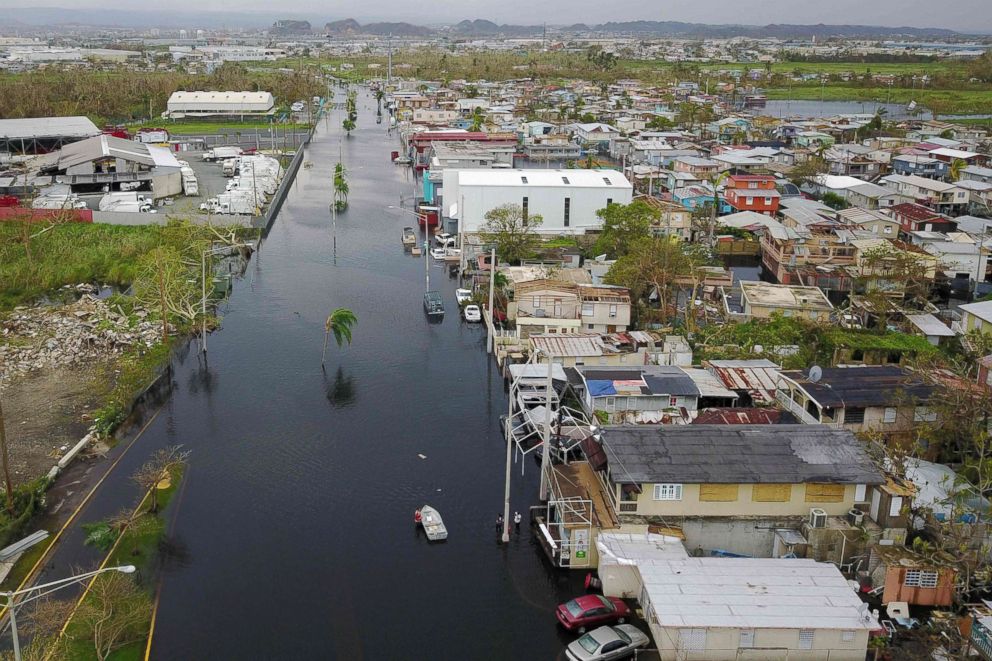
This article delves into the timeline of Hurricane Maria’s impact on Puerto Rico, exploring its consequences for the island’s tourism and accommodation sectors, and how the spirit of the Puerto Rican people has led to a remarkable resurgence.
The Unfolding Catastrophe: Hurricane Maria’s Arrival and Immediate Aftermath
The arrival of Hurricane Maria on Puerto Rico was a terrifying crescendo after a period of escalating weather alerts. The storm intensified rapidly in the days leading up to its landfall, moving across the Caribbean with ominous speed. On September 20, 2017, the eye of Hurricane Maria made its first landfall near Yabucoa, on the southeastern coast of Puerto Rico, as a powerful Category 4 hurricane. However, within hours, the storm’s trajectory and intensity meant that much of the island experienced the full brunt of its destructive force.
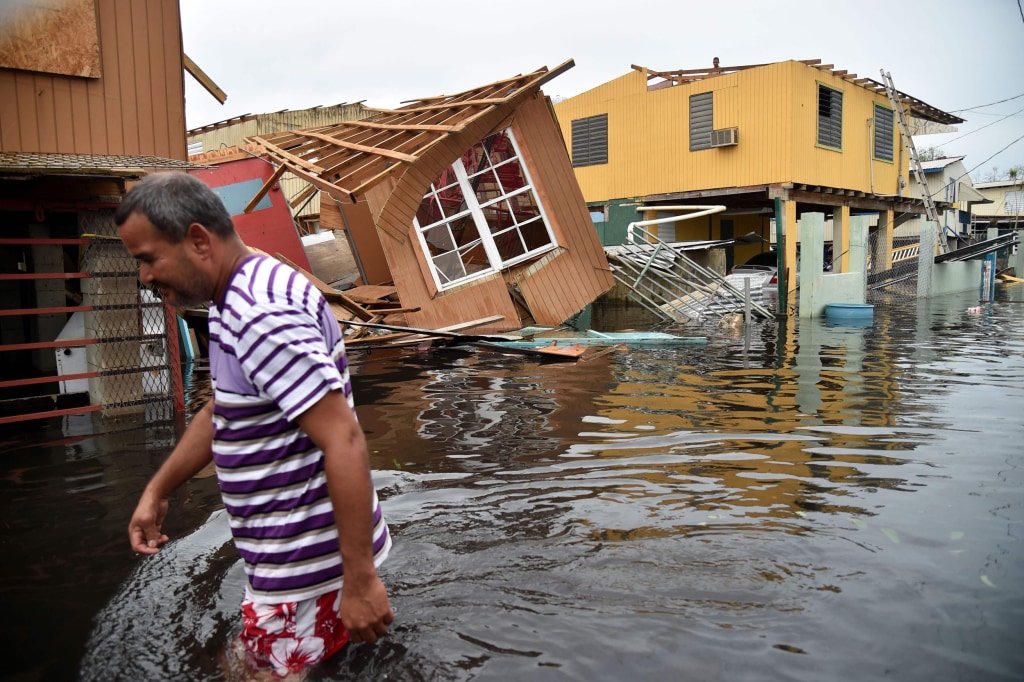
The sustained winds, exceeding 155 mph in some areas, tore through communities, ripping roofs off homes, toppling power lines, and inundating coastal regions with storm surges. The island’s electrical grid, already fragile, was virtually obliterated, plunging all 3.4 million residents into darkness. This prolonged blackout was not just an inconvenience; it was a crisis that crippled communication, disrupted essential services like hospitals, and severely hampered initial rescue and relief efforts.
Beyond the wind damage, the torrential rainfall brought by Maria caused catastrophic flooding and widespread landslides. Rivers overflowed their banks, transforming streets into torrents and isolating remote communities for weeks. The combination of wind, rain, and flooding led to an estimated $90 billion in damages, making it the costliest natural disaster in Puerto Rico’s history and one of the most destructive hurricanes to ever strike the United States.
The Devastation of Infrastructure and its Impact on Tourism
The immediate aftermath of Hurricane Maria was characterized by a stark reality: Puerto Rico’s infrastructure had been decimated. The collapse of the power grid was perhaps the most visible and impactful consequence. Without electricity, businesses, including hotels and restaurants, struggled to operate. Refrigeration failed, water treatment plants ceased functioning, and the digital infrastructure that underpins modern travel booking and communication was rendered useless.
Transportation was also severely affected. Airports, while eventually reopening, faced challenges with damaged terminals and limited operational capacity in the initial weeks. Roads were blocked by debris, downed trees, and landslides, making it difficult for emergency services, aid organizations, and eventually, tourists to navigate the island. The Port of San Juan experienced significant damage, disrupting the flow of essential goods and supplies.
For the tourism industry, this was a double blow. Not only were the physical assets of hotels, resorts, and attractions damaged or destroyed, but the very ability of visitors to reach and experience Puerto Rico was compromised. Many international airlines suspended flights, and those that resumed faced challenges due to airport infrastructure limitations. Travelers who had booked trips found themselves unable to reach their destinations or were advised against travel due to the widespread destruction and lack of essential services.
The iconic El Yunque National Forest, a major draw for eco-tourists and nature lovers, suffered extensive damage. Trails were impassable, visitor centers were destroyed, and the lush canopy was stripped bare in many areas. Similarly, historical sites and cultural landmarks faced varying degrees of damage, requiring significant restoration efforts. The hospitality sector, a cornerstone of Puerto Rico’s economy, faced immense challenges. Many hotels and resorts, from luxury properties in San Juan to boutique guesthouses in more remote areas, sustained significant damage. Some were forced to close for extended periods, leading to job losses and a sharp decline in visitor numbers.
The Road to Recovery: Rebuilding Tourism and Accommodation
The story of Puerto Rico post-Hurricane Maria is one of extraordinary resilience and unwavering determination. While the initial devastation was profound, the spirit of the Puerto Rican people, coupled with significant recovery efforts, began the long process of rebuilding. The tourism and accommodation sectors, though hit hard, were at the forefront of this recovery, driven by the desire to welcome visitors back and showcase the island’s enduring charm.
Reopening Doors: The Resilience of Hotels and Resorts
The rebuilding of the hotel and resort infrastructure was a critical component of Puerto Rico’s recovery. Many establishments, from large international chains like the Wyndham Grand Rio Mar Puerto Rico Golf & Beach Resort to smaller, independently owned properties, embarked on ambitious renovation projects. This often involved not only repairing storm damage but also upgrading facilities and enhancing sustainability.
Hotels in San Juan, such as the Condado Vanderbilt Hotel and the Caribe Hilton, played a crucial role in welcoming back visitors and supporting the local economy. Their reopening signaled a return to normalcy for many. The process was not without its challenges. Securing construction materials, skilled labor, and consistent power supply required immense coordination and often relied on innovative solutions.
Beyond physical rebuilding, there was a renewed focus on enhancing the guest experience. This included improving disaster preparedness protocols, investing in renewable energy sources like solar power to mitigate future power outages, and strengthening community ties. Many hotels worked closely with local suppliers and artisans, further embedding themselves within the Puerto Rican community and offering guests authentic cultural experiences. The recovery of the accommodation sector was a visible sign of progress, providing much-needed employment and economic stimulus.
Reimagining Attractions and Experiences
The restoration of Puerto Rico’s famous landmarks and attractions was equally vital in drawing tourists back. Efforts were poured into clearing debris, repairing damage, and reopening access to natural wonders and historical sites. El Yunque National Forest, for instance, underwent a massive restoration effort. While some trails and areas remained closed for extended periods, significant progress was made in making the forest accessible once again, allowing visitors to reconnect with its breathtaking biodiversity.
The vibrant street art scene in Santurce began to flourish again, with artists creating new murals that often reflected themes of resilience and hope. Historic Old San Juan, with its cobblestone streets and Spanish colonial architecture like Castillo San Felipe del Morro and Castillo de San Cristóbal, stood as a testament to the island’s enduring spirit, with businesses and attractions gradually reopening their doors.
The culinary scene, a major attraction for many visitors, also bounced back with remarkable speed. Restaurants, from fine dining establishments in San Juan to humble kiosks in coastal towns, showcased Puerto Rican cuisine, adapting to new realities and continuing to offer the authentic flavors that define the island. This recovery was fueled by the passion of chefs and restaurateurs, and the desire of locals and visitors alike to support these vibrant culinary hubs. The emphasis shifted not just to rebuilding what was lost, but to enhancing and innovating, offering a more robust and resilient tourism product.

Looking Forward: Puerto Rico’s Enduring Appeal
The question of “When did Hurricane Maria hit Puerto Rico?” serves as a stark reminder of the challenges the island has overcome. The date, September 20, 2017, is etched in the collective memory of Puerto Ricans and those who witnessed the aftermath. However, the story that unfolds from that date is not one of despair, but of remarkable strength, adaptation, and an unwavering commitment to rebuilding.
Puerto Rico has always possessed an undeniable allure for travelers. Its rich history, vibrant culture, stunning natural beauty, and warm hospitality are timeless qualities that were never truly diminished by the storm. The recovery efforts have, in many ways, revitalized the island, leading to improvements in infrastructure, a greater focus on sustainability, and a deepened appreciation for its unique heritage.
Today, Puerto Rico stands as a testament to the power of human resilience. The island offers a diverse range of experiences for every type of traveler. From the bustling energy of San Juan and its historic Old San Juan district, to the lush rainforests of El Yunque, the bioluminescent bays like Mosquito Bay, and the pristine beaches that dot its coastline, there is something to captivate everyone.
For those seeking luxury getaways, world-class resorts like the Dorado Beach, a Ritz-Carlton Reserve, offer unparalleled comfort and service. Budget travelers can find charming guesthouses and enjoy the island’s vibrant street food scene. Families can explore interactive museums and enjoy the numerous beaches. Business travelers can find excellent accommodation and meeting facilities.
The tourism industry in Puerto Rico has not only recovered but has also evolved. There is a greater emphasis on sustainable tourism, supporting local communities, and preserving the island’s natural and cultural treasures. Visitors are encouraged to explore beyond the well-trodden paths, discovering hidden gems and engaging with the authentic spirit of Puerto Rico.
The legacy of Hurricane Maria is undeniable, but it has not defined the island’s future. Instead, it has inspired a renewed sense of purpose and a commitment to building a stronger, more sustainable Puerto Rico. The island’s allure remains as potent as ever, promising unforgettable experiences for all who choose to visit and discover its resilient spirit.
LifeOutOfTheBox is a participant in the Amazon Services LLC Associates Program, an affiliate advertising program designed to provide a means for sites to earn advertising fees by advertising and linking to Amazon.com. Amazon, the Amazon logo, AmazonSupply, and the AmazonSupply logo are trademarks of Amazon.com, Inc. or its affiliates. As an Amazon Associate we earn affiliate commissions from qualifying purchases.