
Montana, the “Big Sky Country,” is a state that captivates with its immense natural beauty, rugged landscapes, and a sense of untamed wilderness. From the towering peaks of the Rocky Mountains to the vast, open prairies, it offers an unparalleled experience for travelers seeking adventure, tranquility, and a genuine connection with nature. Planning a trip to such a diverse and expansive state requires careful consideration of the seasons, as each offers a unique set of attractions and experiences. The “best” time to visit Montana ultimately depends on your personal preferences, the activities you wish to pursue, and the kind of atmosphere you’re hoping to find.
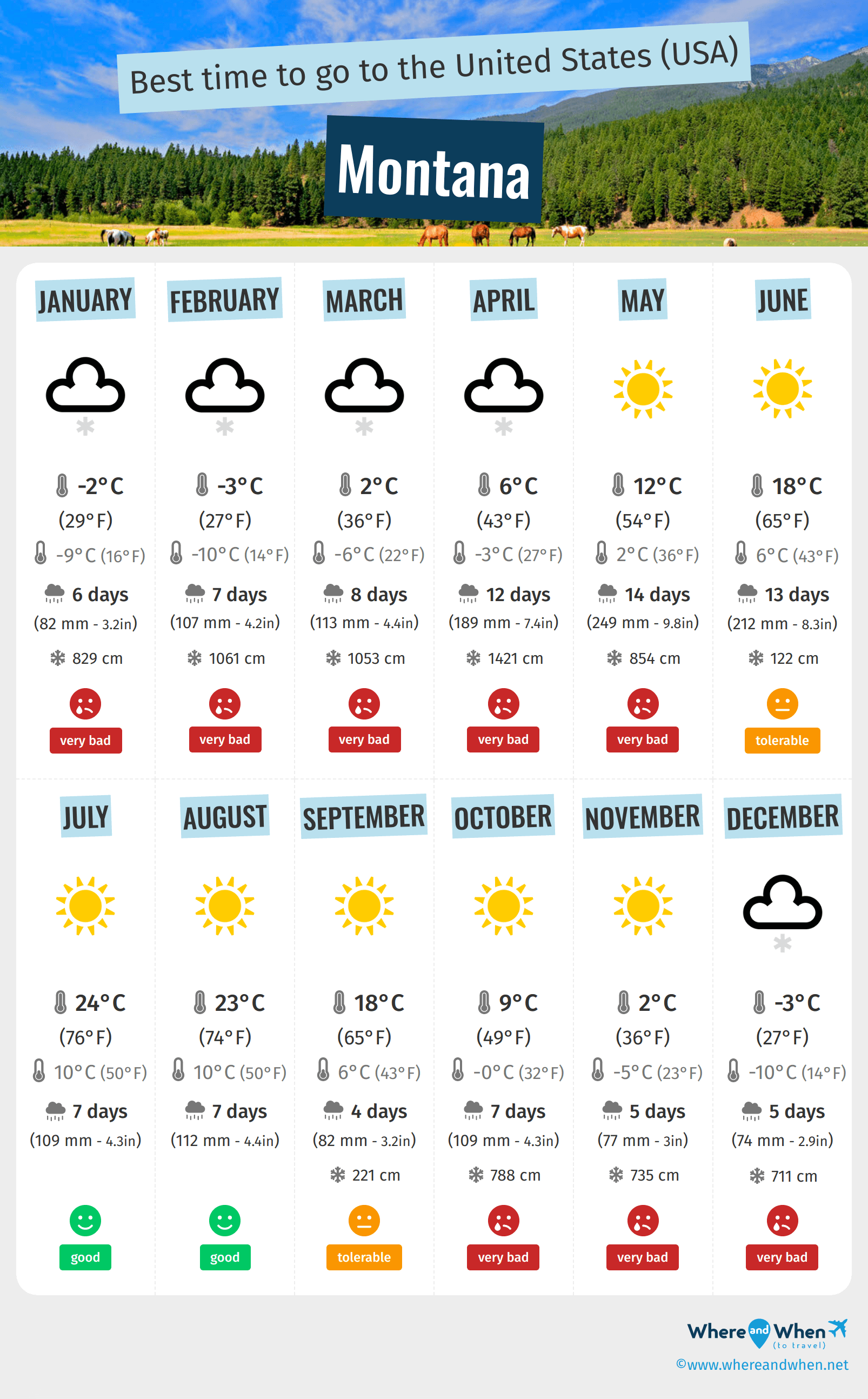
Whether you’re dreaming of hiking through wildflower-strewn meadows, witnessing the majestic migration of wildlife, enjoying world-class skiing, or simply soaking in the breathtaking scenery, understanding the nuances of Montana’s climate and seasonal offerings will help you craft the perfect itinerary. This guide will delve into each season, highlighting the distinct advantages and considerations for visiting Montana throughout the year, ensuring your journey is as memorable as the state itself.
Spring: A Gentle Awakening and Wildflower Wonders
Spring in Montana is a season of transition, where the lingering grip of winter gradually loosens, giving way to the vibrant rebirth of nature. This period, typically from April to May, offers a more tranquil experience compared to the peak summer months, making it an ideal time for those who prefer fewer crowds and a more intimate encounter with the state’s natural splendor.
Embracing the Thaw and Blooming Landscapes
As the snow melts, Montana’s landscapes transform. The brown and white hues of winter begin to recede, revealing lush green valleys and the first delicate blooms of wildflowers. This is particularly noticeable in areas like Glacier National Park, where the lower elevations start to awaken. While higher mountain passes may remain snow-covered well into early summer, the accessibility of many trails and scenic drives increases as spring progresses. The air is crisp and clean, carrying the fresh scent of pine and damp earth.
Wildlife Encounters and Bird Migration
Spring is a prime time for wildlife viewing. As animals emerge from hibernation and begin their breeding cycles, they become more active. Visitors might spot elk, deer, and pronghorn grazing in meadows, while bears, including grizzly bears, are often seen foraging for food as the snow recedes. Birdwatchers will delight in the spring migration, with countless species returning to their summer breeding grounds. The calls of returning birds and the sight of their energetic activity add a lively soundtrack to the awakening wilderness. This is also a fantastic time to witness the majestic bald eagles in their natural habitat.
Activities and Considerations for Spring
Hiking and Biking: Lower elevation trails become increasingly accessible, offering opportunities for early-season hikes and bike rides. While higher alpine trails might still be challenging due to snow, many valley trails and lakeside paths are perfect for exploration.
Fishing: Spring is an excellent time for fly fishing. Rivers and streams are often less crowded, and the trout are actively feeding as the water warms. Popular fishing spots include the Madison River and the Yellowstone River.
Scenic Drives: Many scenic byways begin to open up, offering breathtaking views without the intense traffic of summer. Driving through areas like the Going-to-the-Sun Road (though typically fully open later in the season) offers glimpses of Montana’s grandeur.
Photography: The soft light of spring, combined with the emerging greenery and wildflowers, provides excellent opportunities for landscape photography.
Considerations:
- Weather Variability: Spring weather in Montana can be unpredictable. Expect a mix of sunny days, rain, and even late snowfalls. Layering clothing is essential.
- Accessibility: While many areas are accessible, higher mountain roads and trails may still be closed or require specific equipment due to snow and ice. Always check park and forest service websites for current conditions.
- Wildlife Caution: Remember that wildlife is still wild. Maintain a safe distance, never feed animals, and be bear-aware by carrying bear spray and knowing how to use it.
Summer: The Peak of Adventure and Iconic Landscapes
Summer, from June through August, is undoubtedly the most popular time to visit Montana, and for good reason. The weather is generally warm and stable, the days are long, and all the iconic attractions are fully accessible, offering a vast array of activities for every type of traveler. This is when Montana truly shines with its vibrant outdoor playground.
Unveiling the Majestic National Parks
This is the season to fully explore Montana’s crown jewels. Glacier National Park is at its most breathtaking, with the Going-to-the-Sun Road fully open, allowing access to stunning alpine lakes, glaciers, and panoramic vistas. Hiking trails abound, from leisurely strolls around Lake McDonald to challenging treks to Grinnell Glacier. Similarly, Yellowstone National Park, which spans parts of Montana, Idaho, and Wyoming, is a major draw. While the park’s most famous geothermal features are in Wyoming, Montana’s entrances provide access to the northern range, Lamar Valley, and opportunities to see iconic wildlife like bison, wolves, and bears.
Outdoor Activities Galore
Summer in Montana is synonymous with outdoor adventure.
- Hiking and Backpacking: With snow-free trails and long daylight hours, summer is the ultimate season for exploring Montana’s vast network of hiking trails. From day hikes in Big Sky to multi-day backpacking trips in the Bob Marshall Wilderness Complex, there’s an adventure for every skill level.
- Water Sports: Montana’s numerous lakes and rivers are perfect for swimming, kayaking, paddleboarding, and whitewater rafting. Popular spots include the Flathead Lake region and rivers like the Clark Fork River.
- Fishing: The fly-fishing season is in full swing, offering world-class opportunities to catch trout in pristine waters.
- Camping and RVing: This is the prime season for camping, from established campgrounds to dispersed backcountry sites. Booking campsites in advance is highly recommended.
- Rodeos and Festivals: Summer is also the time for local rodeos, county fairs, and music festivals, offering a taste of Montana’s rich Western culture and hospitality. Towns like Livingston and Bozeman host lively events.
Lodging and Dining Experiences
Summer is peak season for tourism, meaning accommodations can fill up quickly and prices may be higher. Popular areas include gateway towns to the national parks like West Yellowstone and Whitefish. Options range from luxury resorts and charming lodges to vacation rentals and campgrounds. Booking well in advance is crucial, especially for stays in or near Glacier National Park and Yellowstone National Park. Dining options expand during summer, with many restaurants offering outdoor seating and seasonal menus featuring local produce and meats.

Considerations:
- Crowds: Summer is the busiest season. Expect larger crowds at popular attractions, especially in national parks.
- Reservations: It is essential to book accommodations, rental cars, and popular tours well in advance. Some national parks, like Glacier National Park, may require timed entry permits for certain areas.
- Wildfire Smoke: Depending on the year and region, wildfire smoke can sometimes affect air quality and visibility during the summer months.
- Bugs: Mosquitoes and biting flies can be present, especially near water. Insect repellent is a must.
Autumn: A Symphony of Color and Crisp Air
As the vibrant greens of summer begin to fade, Montana transforms into a breathtaking canvas of reds, oranges, and yellows during autumn. This season, from September to October, offers a unique blend of stunning natural beauty, fewer crowds, and invigorating crisp air, making it a favorite for many seasoned visitors.
The Golden Glow of Fall Foliage
Autumn in Montana is a spectacular display of natural artistry. The aspens, in particular, turn a brilliant gold, creating a mesmerizing contrast against the evergreen pines and the deep blue skies. Areas like the Absaroka-Beartooth Wilderness and the forests surrounding Bozeman are particularly renowned for their fall colors. Driving through the countryside or hiking on trails surrounded by this golden spectacle is an unforgettable experience. The peak of the fall foliage typically occurs in late September and early October, though this can vary slightly depending on the year and elevation.
Wildlife and Hunting Seasons
Autumn is a crucial period for wildlife preparing for winter. Elk bugle calls echo through the valleys as they engage in their mating rituals, offering a thrilling auditory experience for visitors. Bison herds are actively foraging, and the chances of spotting other large mammals like moose and bighorn sheep remain high. For hunters, autumn marks the beginning of various hunting seasons, adding another dimension to the state’s outdoor activities. This also means that some wilderness areas may be busier with hunters, and it’s important to be aware of local regulations and safety precautions.
Activities and Atmosphere in Fall
Scenic Drives and Photography: Autumn offers some of the most picturesque drives in Montana. The changing leaves create stunning photographic opportunities. Roads like the Beartooth Highway, when open, provide unparalleled views of the autumnal landscape.
Hiking: While higher elevations might experience early snow, many trails remain accessible and offer the reward of brilliant fall colors without the summer crowds. It’s an excellent time for more challenging hikes as the cooler temperatures are more comfortable.
Fishing: The fall fishing can be exceptional, with less pressure on the rivers and streams. The changing light and colors add a magical quality to a day spent fly fishing.
Harvest Festivals and Local Events: Many towns celebrate the harvest season with local festivals, farmers’ markets, and Oktoberfest-style events, offering a chance to sample seasonal foods and beverages and immerse oneself in local culture.
Stargazing: With the leaves down and fewer dispersed campers, the night skies in autumn can be incredibly clear and vibrant, offering spectacular stargazing opportunities.
Considerations:
- Weather Shifts: Autumn weather can be highly variable. Days can be warm and sunny, while nights can bring freezing temperatures and early snowfall, especially at higher elevations.
- Road Closures: As winter approaches, some higher mountain roads, including sections of the Going-to-the-Sun Road and the Beartooth Highway, may begin to close due to snow. Always check road conditions before you travel.
- Shorter Daylight Hours: Daylight hours decrease significantly as autumn progresses, so plan your outdoor activities accordingly.
- Wildlife Activity: While exciting, increased wildlife activity also means being more aware and taking necessary precautions, especially for hunters and those venturing into remote areas.
Winter: A Wonderland of Snow and Serenity
Winter in Montana, from November through March, transforms the state into a serene, snow-covered wonderland. While it might not be the first season that comes to mind for a visit to the “Big Sky Country,” winter offers a unique and deeply rewarding experience for those seeking quiet beauty, exhilarating winter sports, and a chance to see Montana in its most elemental form.
Embracing the Snow-Covered Majesty
Montana’s vast landscapes take on a dramatic and peaceful beauty under a blanket of snow. The rugged mountains, the frozen lakes, and the silent forests create a breathtaking panorama. For those who appreciate solitude and the raw power of nature, winter is an unparalleled time to visit. The silence is profound, broken only by the crunch of snow underfoot or the whisper of the wind. Popular national parks like Glacier National Park take on a different, more subdued character, with limited road access but incredible opportunities for snowshoeing and cross-country skiing in designated areas.
Winter Sports Paradise
Montana is a premier destination for winter sports enthusiasts.
- Skiing and Snowboarding: The state boasts world-class ski resorts, offering incredible powder and challenging terrain. Resorts like Big Sky Resort, Whitefish Mountain Resort, and Big Mountain Ski Resort (now Whitefish Mountain Resort) attract skiers and snowboarders from around the globe. The “champagne powder” is legendary.
- Cross-Country Skiing and Snowshoeing: Miles of groomed trails and untouched backcountry offer fantastic opportunities for cross-country skiing and snowshoeing. Many state parks and national forests provide marked routes.
- Ice Skating: Frozen lakes and specially prepared rinks offer the quintessential winter pastime of ice skating.
- Sledding and Tubing: For families and those seeking lighter winter fun, numerous hills and dedicated tubing parks provide hours of amusement.

Cozy Accommodations and Unique Experiences
Winter offers a chance to experience Montana’s hospitality in a more intimate setting. Cozy lodges and cabins become even more inviting, often featuring roaring fireplaces and warm atmospheres. Many hotels and resorts cater to winter visitors with amenities like hot tubs, spa services, and gourmet dining. It’s an ideal time for a romantic getaway or a relaxed family vacation. After a day out in the snow, there’s nothing quite like returning to a warm, comfortable haven.
Considerations:
- Extreme Cold: Winter temperatures in Montana can be very cold, with significant snowfall and potential for blizzards. Proper winter clothing and gear are essential.
- Limited Access: Many roads, especially in mountainous areas and national parks, are closed during winter. Access may be limited to snowmobiles, snowshoes, or skis. Always check road status and park advisories.
- Shorter Days: Daylight hours are significantly shorter in winter, requiring careful planning for outdoor activities.
- Wildlife Hibernation: While some wildlife is visible, many animals are less active or hibernating during the coldest months.
- Need for Preparation: Traveling in winter requires extra preparation, including ensuring your vehicle is equipped for snow and ice, and having emergency supplies.
In conclusion, the “best” time to visit Montana is a deeply personal decision, influenced by the experiences you wish to have. Whether you are drawn to the blooming wildflowers and awakening wildlife of spring, the endless adventure and iconic landscapes of summer, the breathtaking fall colors and crisp air of autumn, or the serene, snow-covered beauty and exhilarating winter sports of winter, Montana promises an unforgettable journey no matter the season. By considering these seasonal offerings, you can tailor your visit to perfectly align with your dreams of exploring the magnificent “Big Sky Country.”
LifeOutOfTheBox is a participant in the Amazon Services LLC Associates Program, an affiliate advertising program designed to provide a means for sites to earn advertising fees by advertising and linking to Amazon.com. Amazon, the Amazon logo, AmazonSupply, and the AmazonSupply logo are trademarks of Amazon.com, Inc. or its affiliates. As an Amazon Associate we earn affiliate commissions from qualifying purchases.