
Florida, often lauded as the Sunshine State, beckons millions of travelers each year with its pristine beaches, vibrant cities, and world-class attractions. From the theme parks of Orlando to the Art Deco architecture of Miami Beach, the state offers an unparalleled array of experiences. However, like any travel destination, unforeseen incidents can occur, and it’s natural for visitors to wonder about their rights and responsibilities should they sustain an injury. The question, “Is bodily injury required in Florida?” isn’t asking if you must be injured to visit, but rather probing the legal and insurance thresholds for various claims related to injuries sustained within the state. For a traveler, understanding these nuances is critical for peace of mind and adequate preparation.
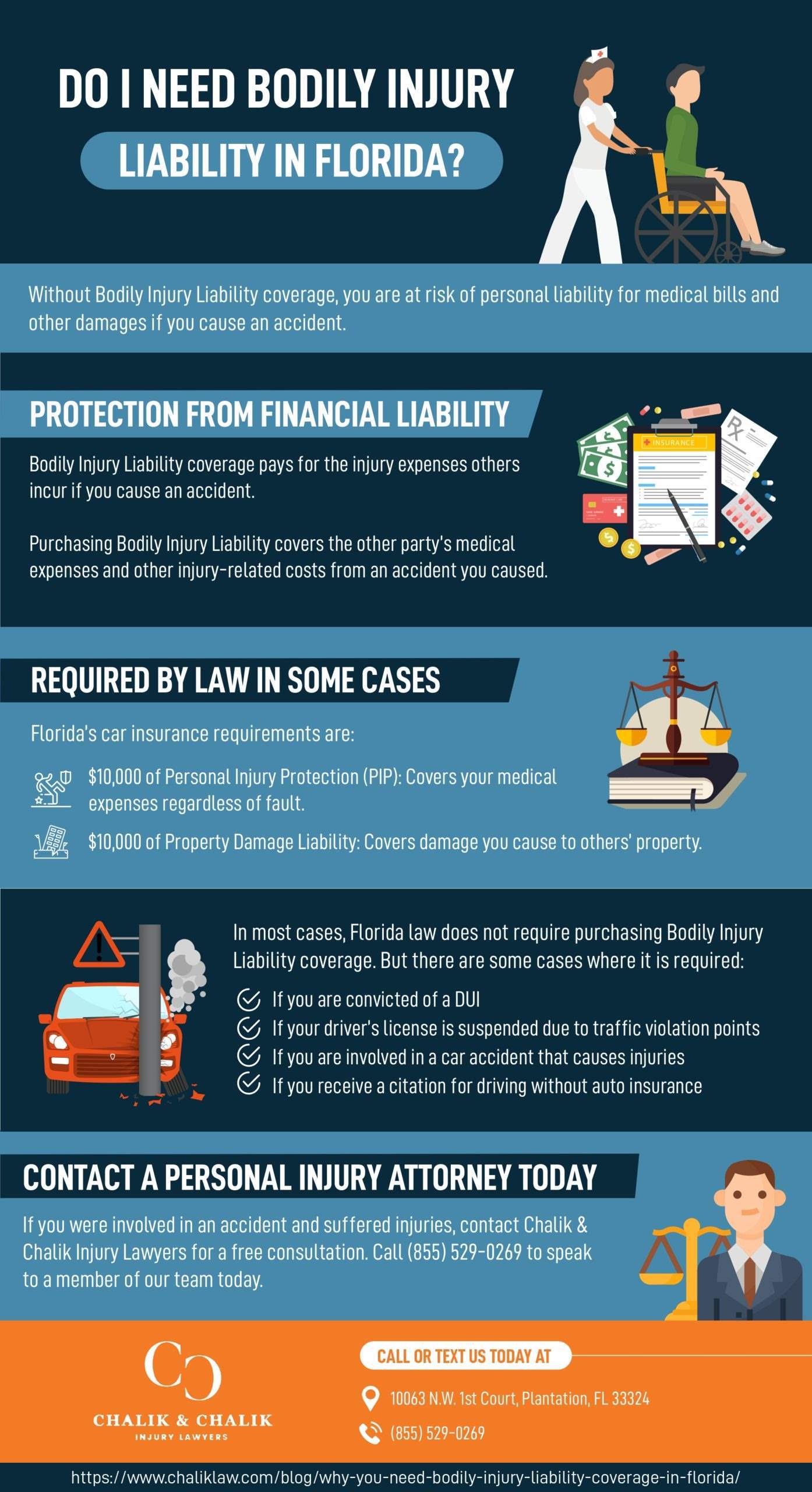
This article aims to demystify the requirements surrounding bodily injury in Florida, particularly as they pertain to visitors. We’ll explore the state’s distinctive no-fault auto insurance system, delve into broader personal injury claims, discuss the indispensable role of travel insurance, and offer practical advice for navigating medical care and safeguarding your well-being during your Florida adventure.
Florida’s No-Fault Auto Insurance and the “Significant Injury” Threshold
One of the most common scenarios where the concept of “bodily injury required” comes into play for travelers is in the event of an automobile accident. Florida operates under a no-fault auto insurance system, which has specific implications for how injury claims are handled.
What is No-Fault Insurance?
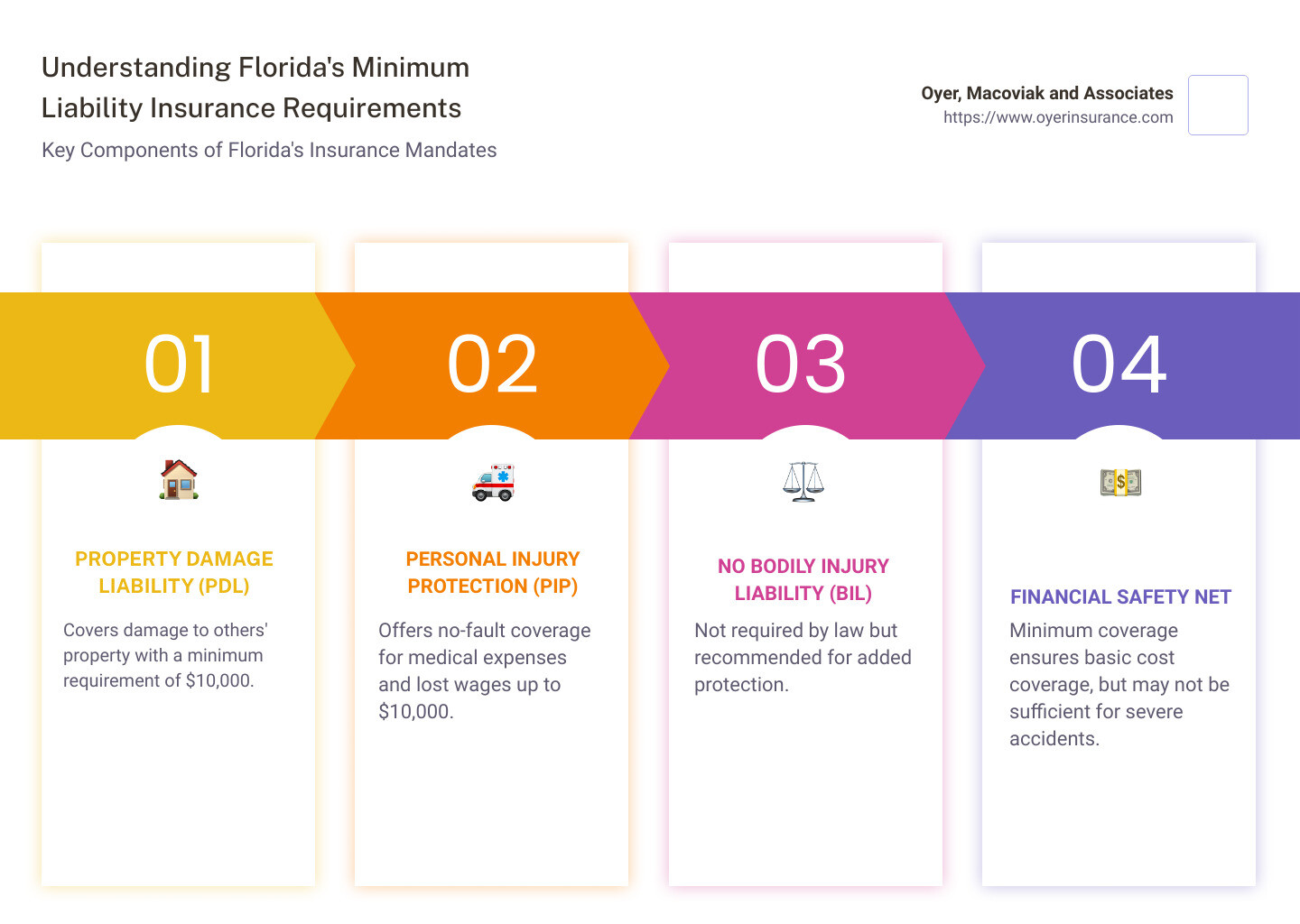
Florida’s no-fault law mandates that all registered vehicle owners carry Personal Injury Protection (PIP) insurance. This coverage, regardless of who was at fault for an accident, pays up to 80% of medical bills and 60% of lost wages, up to a limit of $10,000. The primary purpose of this system is to streamline the claims process for minor injuries, reducing the need for lengthy and costly litigation. For many travelers renting a car in Florida, this PIP coverage is often included in their rental agreement or covered by their existing auto insurance policy from their home state or country, which usually extends to rental vehicles.
When Can You Sue Beyond No-Fault?
Here’s where the “bodily injury required” question becomes paramount. While PIP covers initial medical expenses, it typically doesn’t allow an injured party to sue the at-fault driver for pain and suffering or other non-economic damages unless a specific “significant injury” threshold is met. Florida Statute 627.737 outlines this threshold, defining a “permanent injury within a reasonable degree of medical probability, other than scarring or disfigurement,” “significant and permanent scarring or disfigurement,” “permanent loss of a bodily function,” or “death.”
In essence, for a traveler to pursue a personal injury lawsuit against an at-fault driver beyond the no-fault benefits, they must demonstrate that they have sustained a bodily injury that meets one of these severe criteria. This means that minor bumps, bruises, or sprains that don’t result in a permanent impairment are generally limited to PIP benefits, and an extensive lawsuit for pain and suffering would not be “required” or even permissible.
Impact on Out-of-State Drivers
Travelers from outside Florida involved in an accident generally fall under the state’s no-fault rules if they are driving a vehicle registered or insured in Florida (e.g., a rental car). If an out-of-state driver is operating their own vehicle not registered in Florida, their own state’s insurance laws often apply first, but Florida’s rules can still influence the case, especially if a lawsuit is initiated within the state. It’s crucial for any traveler to understand their specific insurance coverage before embarking on a road trip through Florida.
Beyond Auto Accidents: Personal Injury Claims for Travelers
While auto accidents are a significant concern, bodily injuries can arise in countless other situations for travelers, from a slip and fall at a hotel to an incident at an amusement park. In these scenarios, Florida’s premises liability laws generally apply.
Premises Liability: Accidents at Hotels and Attractions
Property owners, including hotels, resorts, theme parks, and other businesses catering to tourists, have a legal responsibility to maintain their premises in a reasonably safe condition for visitors. If a traveler is injured due to a hazardous condition that the property owner knew or should have known about and failed to address, they might have grounds for a premises liability claim. Common examples include slip-and-falls on wet floors, trips over unmarked obstacles, or injuries sustained due to faulty equipment.
Proving Bodily Injury in Non-Auto Cases
In these types of cases, proving bodily injury is absolutely essential. Unlike the no-fault auto system, there isn’t an automatic payout for medical expenses regardless of fault. The injured traveler must demonstrate:
- Duty of Care: The property owner owed a duty to ensure the premises were safe.
- Breach of Duty: The owner failed in that duty (e.g., didn’t clean a spill, didn’t repair a broken handrail).
- Causation: The breach of duty directly caused the injury.
- Damages: The injury resulted in actual losses (medical bills, lost wages, pain and suffering).
Without documented bodily injury, there are no “damages” to claim, rendering a personal injury lawsuit moot. Therefore, detailed medical records, photographic evidence of the hazard, and witness statements are critical for substantiating a claim.
The Concept of Damages: Economic vs. Non-Economic
When a traveler successfully proves bodily injury and negligence, they can seek various types of damages.
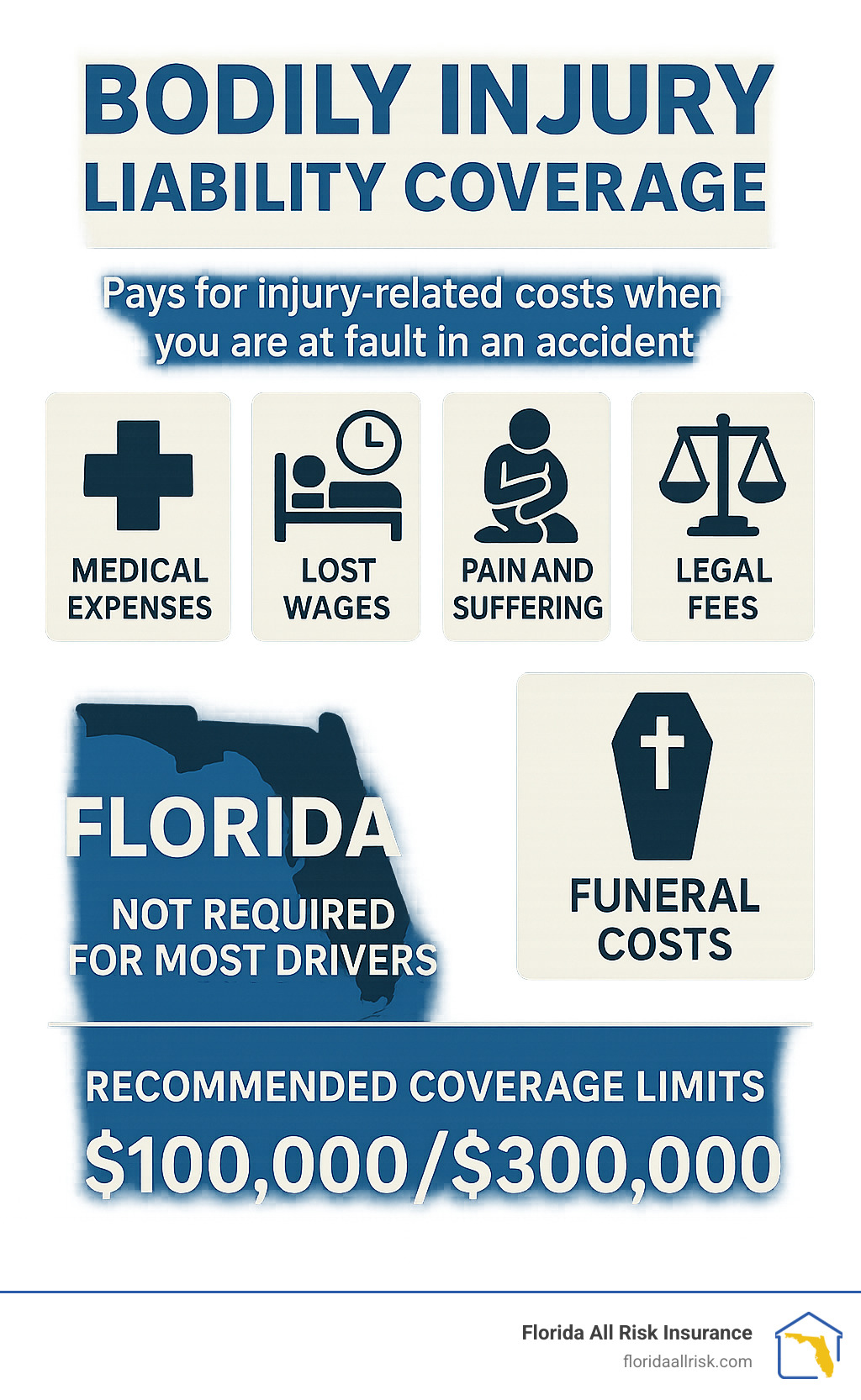
- Economic Damages: These are quantifiable losses such as medical expenses (hospital stays, doctor visits, medication, rehabilitation), lost wages (if the injury prevents them from working), and future medical care.
- Non-Economic Damages: These are subjective and harder to quantify, including pain and suffering, emotional distress, loss of enjoyment of life, and disfigurement.
For a traveler, both economic and non-economic damages can significantly impact their trip and recovery, making it vital to understand that bodily injury is the foundational element required to pursue these claims.
The Essential Role of Travel Insurance When Injury Strikes
For any traveler, but especially when visiting a busy state like Florida, comprehensive travel insurance is not just an option—it’s a critical safety net that directly addresses the financial implications of bodily injury.
Medical Coverage for Tourists
The most direct benefit related to bodily injury is medical coverage. While your domestic health insurance may offer some out-of-state coverage, it often has limitations, particularly for international visitors. Travel medical insurance can cover emergency medical treatments, hospital stays, doctor visits, and prescription medications resulting from an injury or sudden illness during your trip. This can be invaluable, as United States healthcare costs can be astronomically high for those without adequate coverage. Having this insurance means you can seek necessary medical attention without immediate concern for crippling bills, which is a significant relief if bodily injury “is required” for treatment.
Trip Interruption and Evacuation Benefits
Beyond direct medical costs, a significant bodily injury can derail an entire vacation. Travel insurance often includes benefits for trip interruption or cancellation, which can reimburse non-refundable expenses if you have to cut your trip short due to a covered injury. Emergency medical evacuation is another crucial component, ensuring that if you need specialized medical transport back home or to a more suitable medical facility, the costs are covered. This provides a vital layer of protection for travelers experiencing severe injuries far from home.
Understanding Policy Exclusions
It’s essential to read the fine print of any travel insurance policy. Most policies have exclusions, such as injuries sustained during extreme sports (unless specifically covered by an add-on), pre-existing medical conditions not declared, or injuries resulting from intoxication. Understanding these limitations before your trip ensures that your policy will actually respond should you experience a bodily injury.
Navigating Medical Treatment and Documentation as a Visitor
Should you or a travel companion suffer a bodily injury in Florida, knowing how to proceed with medical treatment and documentation is crucial, not only for your health but also for any potential insurance claims or legal actions.
Seeking Immediate Medical Attention
Your first priority should always be your health. For severe injuries, call 911 immediately. For less critical but still concerning injuries, visit an urgent care center or a local hospital emergency room. Do not delay seeking medical attention, as this can worsen your condition and make it harder to link your injury to the incident later. Timely medical evaluation creates an immediate record of your injury.
The Importance of Detailed Records
Every medical visit, diagnosis, treatment, and prescription should be thoroughly documented.
- Medical Reports: Obtain copies of all medical reports, including initial assessments, diagnostic test results (X-rays, MRIs), treatment plans, and discharge summaries.
- Bills and Receipts: Keep meticulous records of all medical bills, pharmacy receipts, and any other out-of-pocket expenses related to your injury.
- Photographs and Videos: If possible and safe to do so, document the scene of the accident with photos or videos, particularly if it’s related to premises liability. Also, document your visible injuries.
- Witness Information: Collect contact information from any witnesses to the incident.
These records are the tangible proof that “bodily injury is required” for any claim, serving as the foundation of your case for compensation or insurance payouts.
Communicating with Healthcare Providers
When speaking with doctors, nurses, or other medical staff, be clear and comprehensive about how the injury occurred and all symptoms you are experiencing. Even minor discomforts should be noted. Ensure they understand you are a visitor and might need special arrangements for follow-up care or access to your medical records after you leave Florida.
Proactive Steps for a Safer Florida Experience
While understanding what’s “required” for bodily injury claims is important, preventing injuries in the first place is always the best approach for an enjoyable trip to the Sunshine State.
Research and Awareness
Before you travel, familiarize yourself with your chosen destinations within Florida. For instance, if you plan to visit the Florida Keys, understand water safety guidelines. If you’re heading to Tampa for its vibrant nightlife, be aware of your surroundings. Knowing the typical risks associated with certain activities or areas can help you make safer choices. Always heed warnings and instructions at attractions, beaches, and public spaces.
Adequate Insurance Coverage
As discussed, robust travel insurance is paramount. Review your existing health insurance, auto insurance, and credit card benefits (which sometimes offer travel protection) to identify any gaps. Consider purchasing a comprehensive travel insurance policy that includes significant medical coverage, emergency evacuation, and trip interruption benefits. This is your best financial defense against unexpected bodily injuries.
Emergency Contacts and Resources
Before you leave, compile a list of important emergency contacts, including family members, your travel insurance provider, and your country’s embassy or consulate if you are an international visitor. Save these contacts on your phone and also keep a physical copy. Knowing who to call and what resources are available can significantly ease the stress if an injury occurs.
In conclusion, while “bodily injury” isn’t a prerequisite for enjoying the wonders of Florida, understanding its legal and insurance implications is absolutely essential for travelers. Whether it’s navigating the state’s no-fault auto system or pursuing a premises liability claim, proving a legitimate bodily injury with thorough documentation is often required to unlock benefits and compensation. By being informed, prepared, and adequately insured, you can focus on creating unforgettable memories in the Sunshine State, knowing you’re protected should the unexpected happen.
LifeOutOfTheBox is a participant in the Amazon Services LLC Associates Program, an affiliate advertising program designed to provide a means for sites to earn advertising fees by advertising and linking to Amazon.com. Amazon, the Amazon logo, AmazonSupply, and the AmazonSupply logo are trademarks of Amazon.com, Inc. or its affiliates. As an Amazon Associate we earn affiliate commissions from qualifying purchases.