
For many discerning travelers, selecting a destination goes beyond picturesque landscapes and thrilling attractions. Increasingly, visitors consider the socio-political climate of a region, seeking to understand how local policies might shape their experience or reflect their values. Among these considerations, the designation of a “sanctuary state” or similar immigration policies often emerges as a point of interest. When planning a trip to the Sunshine State, a common query arises: “Is Florida a sanctuary state?” Understanding Florida‘s position on this matter is crucial for travelers who wish to make informed decisions and ensure their journey aligns with their expectations and sense of comfort. This article delves into Florida’s stance on immigration enforcement, exploring its implications not from a purely legal or political perspective, but through the lens of travel, destination choice, and the overall visitor experience.

Understanding “Sanctuary State” in the Context of Travel
The term “sanctuary state” often evokes a range of interpretations, and its precise definition can vary. For travelers, however, the essence of the concept typically boils down to a jurisdiction’s approach to immigration enforcement and its cooperation with federal agencies. This understanding, while often simplified, plays a role in how some individuals perceive a destination’s openness and inclusivity.
Defining Sanctuary Policies for Travelers
At its core, a “sanctuary state” or city generally refers to a jurisdiction that has adopted policies limiting its cooperation with federal immigration authorities, such as U.S. Immigration and Customs Enforcement (ICE). These policies might prevent local law enforcement from asking about immigration status, holding individuals solely based on ICE detainer requests without a warrant, or sharing information with federal agencies beyond what is legally mandated. The underlying intention, from the perspective of proponents, is often to foster trust between immigrant communities and local authorities, encouraging residents to report crimes without fear of deportation.
For a traveler, this designation can signal a specific cultural and legal environment. A state identified as a sanctuary might be perceived as more welcoming and inclusive to diverse populations, including international visitors, expatriates, and individuals from various cultural backgrounds. Conversely, a state that explicitly rejects sanctuary policies might be seen, by some, as having a more stringent or less accommodating approach to immigration, which could influence their perception of the local community’s openness or the general “vibe” of the destination. While these perceptions are not always direct reflections of a typical tourist’s experience, they can nonetheless inform decision-making, particularly for those who prioritize destinations that align with certain social values.
The Traveler’s Perspective: Why it Matters for Your Florida Trip
The political and legal climate of a travel destination can profoundly influence a traveler’s decision-making process. For many, travel is not just about sightseeing; it’s about immersion, understanding different cultures, and feeling a sense of ease and welcome. The question of whether Florida is a sanctuary state thus becomes relevant for several reasons:
- Sense of Welcome and Inclusivity: Travelers, especially those from diverse ethnic backgrounds or international visitors, might feel more comfortable and welcome in a destination perceived as broadly inclusive. The presence or absence of sanctuary policies can contribute to this perception.
- Community Engagement: Many travelers seek authentic experiences, which often involve interacting with local communities. Understanding the socio-political landscape, including immigration policies, can provide insight into the local culture and community dynamics, helping travelers navigate and engage respectfully.
- Personal Values: For some, travel choices are an extension of personal values. Choosing destinations that reflect or uphold certain principles, such as inclusivity or social justice, is an important factor in their travel planning.
- Practical Considerations (for a minority of travelers): While not typically a concern for the vast majority of tourists, individuals who may have immigration-related sensitivities or concerns for family members traveling with them might pay closer attention to these policies.
Ultimately, while the operational impact of immigration policies on the average tourist is minimal, the symbolic weight of a “sanctuary” designation can significantly shape how a destination is viewed and chosen by a segment of the traveling public.
Florida’s Stance: Navigating the Legal Landscape
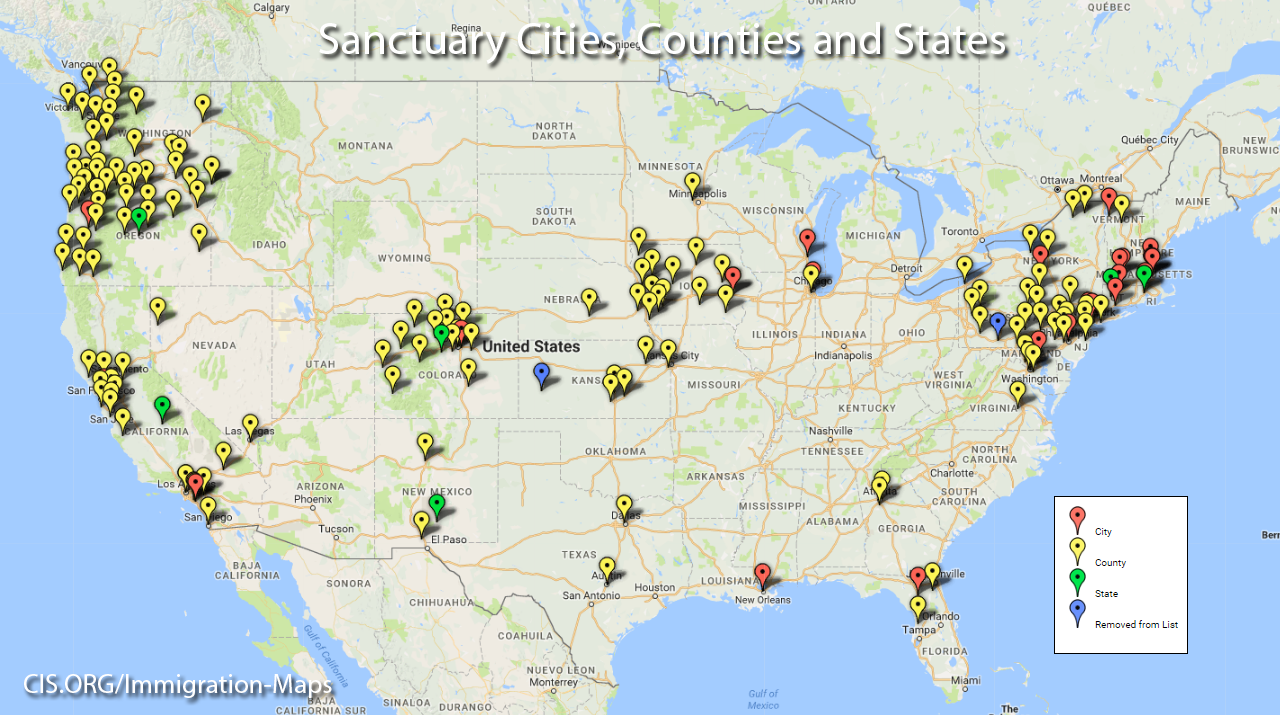
To directly answer the question, Florida is not a sanctuary state. In fact, the state has actively legislated against sanctuary policies, adopting a firm stance that mandates cooperation between local law enforcement and federal immigration authorities. This position has significant implications for how immigration is handled within the state’s borders.
Florida’s Official Position on Immigration Enforcement
Florida has taken a clear and unambiguous stance against sanctuary policies. In 2019, Governor Ron DeSantis signed Senate Bill (SB) 168 into law, effectively prohibiting any state or local governmental entity from adopting sanctuary policies. This legislation explicitly requires local law enforcement agencies to use their “best efforts to support the enforcement of federal immigration law.” It further mandates that local law enforcement honor ICE detainer requests and prohibits agencies from restricting the sharing of immigration status information with federal authorities. This means that if an individual is arrested for a crime and federal immigration officials suspect they are undocumented, local authorities are compelled to cooperate with ICE.
More recently, Florida has continued to strengthen its immigration enforcement laws, notably with Senate Bill (SB) 1718, signed into law in 2023. This bill expanded on previous measures, introducing stricter penalties related to transporting undocumented immigrants, requiring businesses with 25 or more employees to use E-Verify, and invalidating out-of-state driver’s licenses issued to undocumented individuals. These legislative actions underscore Florida’s commitment to enforcing federal immigration laws and signal a consistent state-level policy that diverges sharply from the principles of a sanctuary state.
For travelers, this robust enforcement posture means that Florida operates under a legal framework designed to actively support federal immigration efforts. While this typically has no direct bearing on the vast majority of tourists or legal residents, it’s an important aspect of the state’s legal and social environment that some visitors may wish to be aware of.
Impact on Localities and Communities Across the Sunshine State
Despite the state’s overarching anti-sanctuary laws, the impact and perception of these policies can sometimes vary at the local level. While cities and counties are legally bound to comply with state mandates, the practical application and community sentiment can present a nuanced picture. Major urban centers and popular tourist destinations, known for their diverse populations, often have robust community support networks and advocacy groups.

For example, cities like Miami, with its vibrant Latin American influence and significant immigrant populations, or Orlando, a global hub for tourism and home to a diverse workforce supporting its theme parks, operate within the bounds of state law. However, the diverse cultural fabric of these cities continues to thrive. Visitors to these areas will encounter a rich tapestry of cultures, languages, and traditions that contribute significantly to the unique travel experience Florida offers. While the legal framework is clear, the day-to-day interactions and cultural vibrancy for most travelers remain unaffected, showcasing a welcoming spirit derived from its diverse residents.
In contrast, other areas, perhaps more rural or less diverse, might experience these policies differently. For travelers, understanding that Florida is not a monolith and that local communities, while adhering to state law, often maintain their own distinct cultural identities, can enrich their travel experience. It encourages visitors to explore beyond generalizations and engage with the multifaceted reality of the Sunshine State’s people and places.
Travel Considerations for Visitors to Florida
For the vast majority of visitors, Florida’s immigration policies will have no direct impact on their travel plans or experiences. However, being an informed traveler is always beneficial. Understanding the state’s stance allows for a more comprehensive understanding of the destination.
Ensuring a Smooth and Enjoyable Journey
Regardless of the immigration policies of a state, fundamental travel advice remains consistent. For all visitors to Florida, including U.S. citizens, international tourists, and those with various visa statuses, it is always prudent to:
- Carry Valid Identification: Always have a valid form of identification, such as a driver’s license or passport, readily accessible. This is standard practice in any travel destination.
- Understand Local Laws: Familiarize yourself with basic local laws and customs. While Florida’s immigration policies are distinct, general laws regarding public conduct, driving, and consumer rights are more likely to directly affect a tourist’s daily activities.
- Be Prepared for Emergencies: Know how to contact emergency services and have travel insurance details handy.
For international travelers, ensuring all visa and entry requirements are met before departure is paramount. Florida’s state laws do not supersede federal immigration regulations, so adhering to national entry requirements is the primary concern for seamless travel. For the average tourist, their experience will be centered around the beaches, attractions, and hospitality, largely unaffected by the state’s specific immigration enforcement directives.
Understanding Local Culture and Community Dynamics
One of the great joys of travel is experiencing new cultures and interacting with different communities. Florida, a melting pot of cultures, offers a vibrant tapestry of experiences. From the Cuban influences in Miami and Tampa to the Southern charm of its panhandle, the state’s cultural landscape is incredibly rich.
While the state’s immigration policies define a particular legal framework, they do not erase the contributions and presence of diverse communities that call Florida home. Travelers are encouraged to engage respectfully with all residents, appreciate the cultural richness, and seek out authentic experiences that showcase the state’s incredible diversity. Whether it’s sampling authentic Latin cuisine, exploring historic neighborhoods, or enjoying festivals that celebrate various heritages, Florida’s cultural depth remains a major draw for visitors. Approaching travel with an open mind and a willingness to understand the local dynamics beyond headlines will enhance any journey.
Beyond the Label: Florida’s Enduring Appeal to Travelers
While the question of Florida’s sanctuary state status is a valid point of inquiry for some, it is essential to contextualize it within the broader landscape of what makes Florida one of the world’s most beloved travel destinations. The state’s appeal transcends specific policy debates, rooted instead in its unparalleled natural beauty, world-class entertainment, and vibrant cultural mosaic.
What Truly Defines the Florida Experience
Florida truly is a treasure trove of travel experiences, catering to every taste and preference. Its sun-drenched beaches, stretching along the Atlantic and Gulf coasts, invite relaxation and water sports. Iconic theme parks like the Walt Disney World Resort and Universal Orlando Resort offer magical adventures for families and thrill-seekers alike. Nature lovers can explore the unique ecosystems of Everglades National Park, discover the serene beauty of the Florida Keys, or kayak through pristine springs.
Beyond the major attractions, Florida boasts historic cities like St. Augustine, charming small towns, a thriving arts scene, and a culinary landscape that ranges from fresh seafood to international gourmet. The year-round pleasant weather, combined with a diverse range of activities—from golf to space exploration at the Kennedy Space Center Visitor Complex—ensures that there’s always something new to discover. The welcoming nature of its diverse residents, from various backgrounds and walks of life, also contributes significantly to the state’s magnetic allure, creating a hospitable atmosphere for all who visit.
Making Informed Travel Decisions
Ultimately, making an informed travel decision involves considering a multitude of factors relevant to one’s personal preferences and priorities. For some, a state’s stance on immigration policies may be a significant determinant, aligning with their values or influencing their sense of comfort. For others, the allure of Florida’s beaches, theme parks, and natural wonders may take precedence.
What is clear is that Florida is not a sanctuary state and has enacted legislation that actively opposes such policies. This is a factual aspect of its legal landscape. However, the overall travel experience in Florida is rich, varied, and largely focused on providing memorable moments for visitors from around the globe. Travelers are encouraged to weigh this information alongside the state’s unparalleled attractions, cultural vibrancy, and commitment to hospitality. By doing so, they can confidently plan a trip that perfectly suits their interests and ensures an enjoyable and fulfilling journey to the Sunshine State.
LifeOutOfTheBox is a participant in the Amazon Services LLC Associates Program, an affiliate advertising program designed to provide a means for sites to earn advertising fees by advertising and linking to Amazon.com. Amazon, the Amazon logo, AmazonSupply, and the AmazonSupply logo are trademarks of Amazon.com, Inc. or its affiliates. As an Amazon Associate we earn affiliate commissions from qualifying purchases.