
Navigating the process of registering a car in a new state can often feel like deciphering a complex puzzle, especially when you’re new to the area or have recently relocated. Fortunately, Nevada has streamlined this process, aiming to make it as straightforward as possible for its residents. Whether you’ve just purchased a vehicle, moved to the Silver State, or are looking to understand the requirements for operating a car legally, this comprehensive guide will walk you through every step of registering your vehicle in Nevada. From understanding the necessary documentation to the fees involved and where to go, we’ve got you covered, ensuring your transition to driving legally in Nevada is as smooth as a drive along the Extraterrestrial Highway.
Understanding Nevada’s Vehicle Registration Requirements
Nevada law mandates that all vehicles operated on public roads must be registered with the Nevada Department of Motor Vehicles (DMV). This is not merely a bureaucratic hurdle; it’s a crucial step for ensuring vehicle safety, tracking ownership, and contributing to the state’s infrastructure through registration fees and taxes. For new residents, the law typically requires you to register your vehicle within a specific timeframe after establishing residency, usually 30 days. Failing to do so can result in penalties and fines.
Residency in Nevada
Establishing residency in Nevada is the primary trigger for needing to register your vehicle with the state. This can be demonstrated in several ways, including but not limited to:
- Employment: Holding a job within Nevada.
- Lease or Ownership of Property: Renting or owning a home or apartment in Nevada.
- Enrolling Children in Nevada Schools: If you have children attending public or private schools in Nevada, it can be considered proof of residency.
- Obtaining a Nevada Driver’s License: This is often one of the first steps new residents take, and it solidifies your residency status.
- Registering to Vote in Nevada: A clear indicator of intent to reside in the state.
Once you’ve established residency, you have a limited window to comply with the state’s vehicle registration laws. It’s advisable to begin the process as soon as you’ve settled to avoid any last-minute rushes or potential legal issues.
Required Documentation
To successfully register your vehicle in Nevada, you will need to present a specific set of documents to the DMV. Gathering these in advance will significantly expedite the process. The core documents typically include:
- Proof of Identity and Nevada Residency: This could be your Nevada Driver’s License or Identification Card, a lease agreement, utility bills, or bank statements showing your Nevada address.
- Proof of Vehicle Ownership: This varies depending on how you acquired the vehicle:
- If Purchased New or Used from a Dealer: The dealer will usually provide you with the necessary paperwork, including the Manufacturer’s Statement of Origin (MSO) or the previous owner’s title, and a bill of sale.
- If Purchased from a Private Seller: You will need the vehicle’s title, signed over to you by the seller, along with a bill of sale. Ensure the title is clear of any liens. If there was a lien, you’ll need a lien release document.
- If the Vehicle is Financed: You will need the title and a lien release from the lender once the loan is paid off. If not yet paid off, the lender will likely hold the title, and the DMV may require a specific form to be submitted by the lienholder.
- Nevada Insurance Card or Policy: Proof of valid auto insurance that meets Nevada’s minimum liability requirements is mandatory. The insurance policy must be in your name and list the vehicle you are registering.
- Vehicle Emission Vehicle Inspection (EVI) Certificate: Depending on the county and the age of your vehicle, you may need to have your car pass an emissions test. Currently, Clark County and Washoe County require emissions testing for most vehicles. Older vehicles or those that are new to the state might be exempt under certain conditions, so it’s wise to check the latest requirements for your specific county.
- Odometer Disclosure Statement: For vehicles that are less than 10 years old, you will need to provide an accurate odometer reading. This is typically part of the title transfer process.
- Bill of Sale (if applicable): If you purchased the vehicle from a private party or a dealer, a bill of sale documenting the transaction, including the purchase price, is often required.
It is always a good practice to visit the official Nevada DMV website to confirm the most current list of required documents, as regulations can change.
The Registration Process: Step-by-Step
Registering your vehicle in Nevada involves a series of straightforward steps. By following them systematically, you can ensure a smooth and efficient experience.
Step 1: Obtain Nevada Insurance
Before you can register your vehicle, you must have valid Nevada auto insurance. Your insurance policy must meet the state’s minimum liability coverage requirements. This typically includes:
- $25,000 for bodily injury or death of one person.
- $50,000 for bodily injury or death of two or more people.
- $20,000 for injury to or destruction of property of others.
When you visit the DMV, you will need to present your insurance card or policy declaration page as proof. If you’re unsure about coverage options, it’s best to consult with an insurance agent who can help you find a policy that meets Nevada’s requirements and your personal needs. This is a fundamental step, just as vital as finding a comfortable place to stay after a long journey, whether it’s a luxurious suite at the Bellagio or a cozy apartment for a longer stay.
Step 2: Complete Vehicle Inspection (If Required)
As mentioned, emissions testing is a critical step for vehicles registered in certain Nevada counties.
Emissions Testing
Vehicles driven in Clark County and Washoe County typically require an annual emissions inspection. This inspection checks to ensure your vehicle’s exhaust system is functioning properly and not releasing excessive pollutants into the atmosphere. You can find a list of authorized inspection stations on the Nevada DMV’s website. Once your vehicle passes, you will receive a certificate of compliance, which you must present to the DMV.
Some vehicles may be exempt from emissions testing. These exemptions often include:
- New vehicles that are less than four model years old.
- Vehicles that are 20 years old or older (though this can vary, so check current regulations).
- Vehicles weighing over 8,500 pounds (Gross Vehicle Weight Rating – GVWR).
- Motorcycles.
Always verify the specific requirements for your vehicle based on its age, weight, and the county in which you reside.

Safety Inspection (Less Common but Possible)
While emissions testing is the primary inspection requirement, a safety inspection might be necessary in specific circumstances, such as when registering a salvaged vehicle or a vehicle with a rebuilt title. These inspections are designed to ensure the vehicle is safe to operate on public roads.
Step 3: Gather Your Documents and Visit the DMV
With your insurance, inspection certificate (if required), and proof of ownership in hand, you are ready to visit a Nevada DMV office. It’s highly recommended to schedule an appointment online to minimize wait times. You can typically do this through the Nevada DMV website.
At the DMV office, a customer service representative will review your documents. They will verify your identity, proof of ownership, insurance, and inspection status. You will also need to complete the necessary registration application forms.
Step 4: Pay Fees and Taxes
When registering your vehicle, you will be required to pay several fees and taxes. These can include:
- Registration Fee: This is a standard fee based on factors like the vehicle’s weight, type, and age.
- County Registration Fee: An additional fee that varies by county.
- Sales Tax or Use Tax: If you purchased a vehicle from a private party, you will likely owe Nevada use tax based on the purchase price. If purchased from a dealer, sales tax is usually collected at the time of sale. The rate of sales tax varies by county.
- Title Fee: A fee for processing the vehicle title.
- License Plate Fee: The cost for a set of Nevada license plates.
The total cost will depend on your specific vehicle and location. The DMV will provide you with a breakdown of all applicable charges. You can usually pay with cash, check, money order, or credit/debit card.
Step 5: Receive Your License Plates and Registration
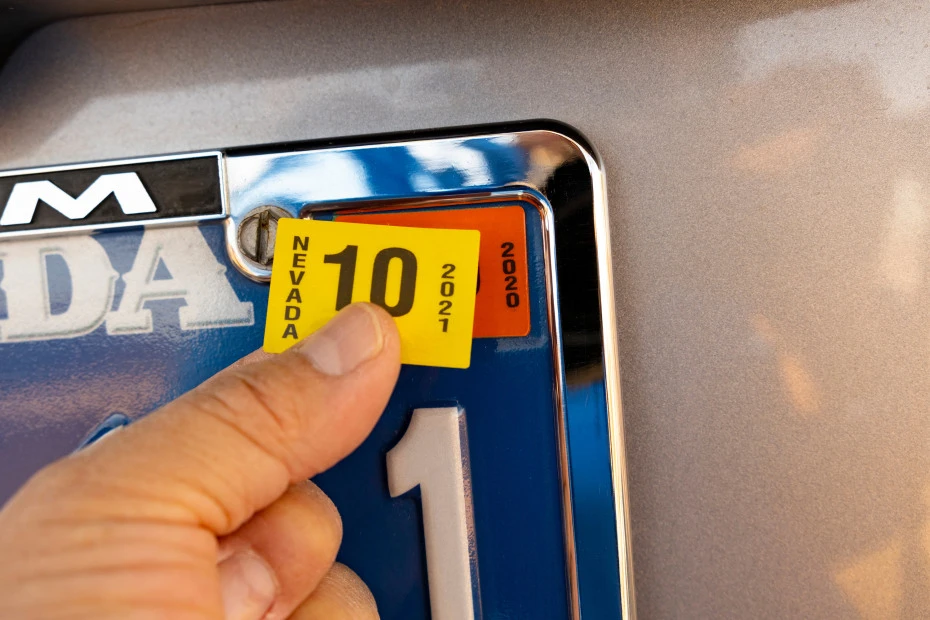
Once all paperwork is processed and fees are paid, you will receive your Nevada license plates and registration certificate. You are required to affix the license plates to your vehicle in the designated locations (typically one in the front and one in the rear, unless otherwise specified). The registration certificate should be kept in your vehicle, usually in the glove compartment, as proof of valid registration.
Renewing Your Vehicle Registration
Nevada vehicle registrations are typically valid for one year. You will receive a renewal notice from the DMV before your current registration expires. It’s crucial to renew your registration on time to avoid penalties.
Renewal Options
Nevada offers several convenient options for renewing your vehicle registration:
- Online: The easiest and often fastest method is to renew online through the Nevada DMV website. You will need your renewal notice or license plate number and VIN. You’ll need to have met all requirements, including insurance and inspections, before you can renew online.
- By Mail: You can also renew by mail by sending your completed renewal form, payment, and required documentation to the address provided on your renewal notice.
- In Person: You can visit a DMV office to renew your registration in person. Appointments are highly recommended.
- At an Kiosks: Some DMV kiosks offer renewal services for eligible vehicles.
Requirements for Renewal
For a successful renewal, you will generally need to:
- Maintain Valid Nevada Insurance: Your insurance must be current and meet state requirements.
- Pass Emissions Testing (if applicable): Ensure your vehicle has passed its emissions inspection within the required timeframe.
- Pay Renewal Fees: Settle all outstanding renewal fees and any applicable taxes.
Failure to renew your registration by the expiration date can result in late fees and the potential for your license plates to be suspended.

Specialty Plates and Other Considerations
Nevada offers a variety of specialty license plates for those who wish to personalize their vehicles or support specific causes. These can include plates supporting universities, environmental organizations, or specific professions. There may be additional fees associated with these plates.
If you are moving to Nevada from another state with your vehicle, you will need to complete the registration process outlined above. You will also likely need to obtain a Nevada driver’s license within 30 days of establishing residency. This typically involves surrendering your out-of-state license and passing a vision test.
For those looking to truly immerse themselves in the Nevada lifestyle, understanding these logistical requirements is as important as planning your itinerary for visiting landmarks like the Hoover Dam or exploring the vibrant nightlife of Las Vegas. Whether you’re planning a road trip to Lake Tahoe or settling in for a long-term stay in a charming town like Reno, having your vehicle legally registered ensures you can explore all the Great Basin Desert and beyond without worry.
Registering your car in Nevada is an essential part of becoming a resident. By understanding the requirements, gathering the necessary documents, and following the steps carefully, you can ensure a hassle-free experience. The Nevada DMV is your primary resource for all official information, and taking the time to prepare will make the process significantly smoother, allowing you to enjoy all that the Silver State has to offer, from its vast natural beauty to its bustling cities.
LifeOutOfTheBox is a participant in the Amazon Services LLC Associates Program, an affiliate advertising program designed to provide a means for sites to earn advertising fees by advertising and linking to Amazon.com. Amazon, the Amazon logo, AmazonSupply, and the AmazonSupply logo are trademarks of Amazon.com, Inc. or its affiliates. As an Amazon Associate we earn affiliate commissions from qualifying purchases.