
Understanding the legal and insurance landscape of any region is paramount for a seamless lifestyle, whether you’re a long-term resident, planning a family vacation, or embarking on a business trip. For those considering Florida as a place to live, visit, or conduct business, a crucial aspect of its legal framework revolves around its auto insurance system. The answer to whether Florida operates under a no-fault system is a resounding yes, and comprehending what this entails is essential for protecting your well-being, financial stability, and overall peace of mind.
The “no-fault” designation fundamentally alters how insurance claims are handled after an automobile accident. Instead of immediately assigning blame and having the at-fault driver’s insurance cover all damages, Florida’s system mandates that each driver turn to their own insurance provider for initial medical expenses and lost wages, regardless of who caused the collision. This system aims to streamline the claims process, reduce litigation for minor injuries, and ensure that injured parties receive prompt medical attention without waiting for fault to be determined. For anyone navigating the vibrant roads of Florida, from the bustling streets of Miami to the serene coastal highways, grasping the intricacies of this system is not just a matter of legal compliance but a fundamental aspect of responsible living and travel within the Sunshine State.
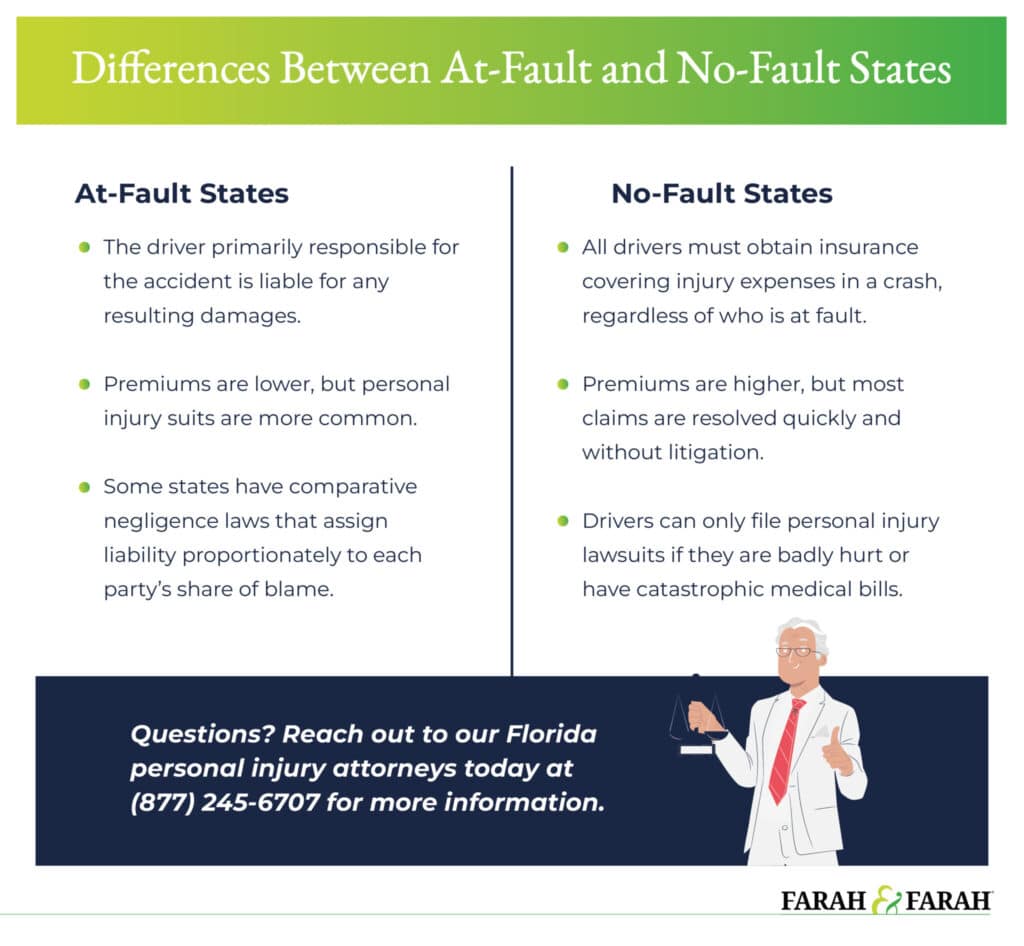
Understanding Florida’s No-Fault Auto Insurance System
Florida’s no-fault law, officially known as the Florida Motor Vehicle No-Fault Law, has been in effect since 1972. Its primary objective is to facilitate quicker compensation for accident victims’ medical costs and lost income, minimizing the need for immediate, contentious lawsuits over minor injuries. This approach significantly impacts the lifestyle of drivers and passengers, dictating the first steps they must take following a car accident.
What “No-Fault” Truly Means
In a traditional “at-fault” state, the driver responsible for an accident (the “at-fault” party) and their insurance company are liable for the damages and injuries sustained by others. Victims typically pursue compensation from the at-fault driver’s insurer. However, under a “no-fault” system like Florida’s, your own insurance policy is the primary source for covering certain damages, irrespective of who caused the collision. This doesn’t mean fault is entirely disregarded, but rather that the initial response to injuries shifts from one party’s insurer to the victim’s own. It simplifies the immediate aftermath for injured parties by ensuring they can access funds for urgent care without delay, which is particularly beneficial in a state with a high volume of traffic and visitors.
The Role of Personal Injury Protection (PIP)
Central to Florida’s no-fault system is Personal Injury Protection (PIP) insurance. By law, all registered vehicle owners in Florida must carry a minimum of $10,000 in PIP coverage. This policy pays for 80% of necessary and reasonable medical expenses, 60% of lost wages, and 100% of replacement services (like hiring someone to perform household tasks you can no longer do due to injury), up to the policy limit, regardless of who was at fault for the accident. PIP is designed to be the first line of defense for your injury claims, meaning you must exhaust your PIP benefits before you can typically pursue a claim against an at-fault driver for non-economic damages like pain and suffering. For individuals managing busy lifestyles, having this direct line to medical coverage can alleviate immediate financial stress following an unexpected incident.
Who is Covered by PIP?
PIP coverage extends beyond just the policyholder. It typically covers:
- The policyholder (the insured driver).
- Family members living in the same household, even if they are driving someone else’s car or are pedestrians struck by a vehicle.
- Passengers in the insured vehicle who do not have their own PIP coverage.
- Pedestrians and bicyclists struck by the insured vehicle, provided they don’t have their own PIP policy.
This broad coverage net underscores the system’s aim to protect individuals from the immediate financial burdens of accident-related injuries, reinforcing a foundational layer of security for anyone living or traveling in Florida.
How Florida’s No-Fault Law Impacts Your Lifestyle
The implications of Florida’s no-fault system are far-reaching, influencing everything from daily commutes to long-term financial planning. Understanding these impacts allows for more informed decisions about insurance, emergency preparedness, and navigating the aftermath of an accident.
Implications for Residents and Long-Term Stays
For Florida residents, PIP coverage is a mandatory and continuous aspect of vehicle ownership. It ensures immediate access to medical care after an accident, which is a significant lifestyle benefit. However, it also means that residents generally cannot sue an at-fault driver for minor injuries, even if the other driver was clearly negligent. This “tort threshold” requires an injury to be considered “permanent injury within a reasonable degree of medical probability,” “significant and permanent loss of an important bodily function,” “permanent injury other than scarring or disfigurement,” or “death” to step outside the no-fault system and pursue a traditional personal injury lawsuit for pain and suffering. This threshold shapes how residents approach injury claims and the types of legal recourse available to them, affecting their expectations and potential outcomes following an accident.
Advice for Tourists and Temporary Visitors
Tourists and temporary visitors to Florida also fall under the no-fault umbrella. If you rent a car in Florida and are involved in an accident, the rental company’s PIP coverage or your personal auto insurance (if it extends to rental cars) would typically be the primary source for your medical expenses. It is crucial for visitors to understand their existing auto insurance policy’s coverage when driving in a no-fault state. Many out-of-state policies may not provide adequate PIP coverage for [Florida](https://lifeoutofthebox.com/florida]’s requirements, potentially leaving a gap. It’s often advisable to inquire about supplementary PIP coverage when renting a vehicle, or to consult with your personal insurance provider beforehand to ensure you are adequately protected. This preparation can prevent significant financial headaches and disruptions to travel plans, ensuring your Florida experience remains enjoyable.
Dealing with Minor vs. Serious Accidents

The no-fault system distinctly handles minor versus serious accidents. For minor collisions resulting in soft tissue injuries or limited medical expenses, PIP coverage is intended to resolve these claims efficiently without litigation. This can be a relief, as it prevents the lengthy and often stressful process of proving fault and negotiating with another driver’s insurance company for every fender bender. However, in cases of severe injuries that meet Florida’s “serious injury” threshold, the injured party can then step outside the no-fault system and file a lawsuit against the at-fault driver for all damages, including pain and suffering. This dual approach ensures that victims with catastrophic injuries are not limited by the initial PIP cap, providing a pathway to full compensation.
Navigating an Accident in a No-Fault State
Despite the preventative measures, accidents can happen. Knowing the proper steps to take in the immediate aftermath of a collision in Florida is crucial for ensuring your rights are protected and your claims are processed smoothly within the no-fault framework.
Immediate Steps After a Collision
- Ensure Safety: Move your vehicle to a safe location if possible, and check for injuries.
- Call 911: Report the accident to law enforcement, especially if there are injuries, significant damage, or if the accident blocks traffic. A police report is vital for insurance claims.
- Exchange Information: Collect names, contact information, insurance details, and vehicle information from all parties involved.
- Document the Scene: Take photos of vehicle damage, the accident scene, road conditions, and any visible injuries.
- Seek Medical Attention: This is critical in a no-fault state. Even if you feel fine, some injuries may not be immediately apparent. Florida law requires you to seek initial medical treatment within 14 days of the accident to be eligible for PIP benefits. Failing to do so can jeopardize your claim.
Following these steps promptly can significantly impact your ability to receive timely and appropriate compensation through your PIP coverage.
The Claim Process and PIP Benefits
Once you’ve reported the accident and sought medical attention, you’ll file a claim with your own insurance provider for PIP benefits. Your insurer will review the medical bills and lost wage documentation. It’s important to provide all requested information promptly. Remember, PIP covers 80% of medical bills and 60% of lost wages, up to your policy limit. This means you will still be responsible for the remaining 20% of medical costs and 40% of lost wages, which is why having additional health insurance or supplementary auto coverage can be extremely beneficial. Understanding these percentages is vital for managing your post-accident finances and maintaining your lifestyle.
When Can You Sue the At-Fault Driver?
While PIP covers your initial medical expenses and lost wages, it does not compensate for “non-economic damages” such as pain, suffering, emotional distress, or loss of enjoyment of life. To claim these damages, you must be able to step outside of the no-fault system. This is only possible if your injuries meet Florida’s “serious injury” threshold, as discussed earlier. If your injury is deemed “permanent” by a qualified medical professional, you can then pursue a personal injury lawsuit against the at-fault driver. This allows for recovery of pain and suffering, as well as any medical expenses and lost wages that exceed your PIP coverage. Navigating this threshold often requires the guidance of a legal professional to ensure your rights are fully protected.
Essential Insurance Considerations for Florida Drivers
Beyond the mandatory PIP coverage, a well-rounded insurance portfolio is crucial for comprehensive protection and peace of mind in Florida’s dynamic driving environment.
Beyond PIP: Additional Coverage Recommendations
While PIP is mandatory, it’s often insufficient for full protection. Consider adding these coverages:
- Bodily Injury Liability (BIL): This covers injuries you cause to others in an accident. While not mandatory in [Florida](https://lifeoutofthebox.com/florida] (unless you’ve had a previous serious accident), it’s highly recommended, especially if you meet the “serious injury” threshold and can be sued.
- Property Damage Liability (PDL): Mandatory in [Florida](https://lifeoutofthebox.com/florida] ($10,000 minimum), this covers damage you cause to another person’s property.
- Uninsured/Underinsured Motorist (UM/UIM): This protects you if you’re hit by a driver who has no insurance or insufficient insurance to cover your damages. Given the number of uninsured drivers, this is a crucial addition.
- Collision Coverage: Pays for damage to your own vehicle in an accident, regardless of fault.
- Comprehensive Coverage: Protects your vehicle from non-collision incidents like theft, vandalism, fire, or natural disasters.
These additional coverages fortify your financial security, ensuring that an unexpected incident doesn’t derail your Florida lifestyle or plans.
Penalties for Non-Compliance
Driving without the mandatory PIP and PDL coverage in Florida carries significant penalties. Your driver’s license and vehicle registration can be suspended, and you could face hefty fines. If you’re involved in an accident while uninsured, you could be held personally liable for all damages, which could lead to severe financial hardship. Maintaining continuous coverage is not just a legal obligation but a cornerstone of responsible driving in Florida.

Staying Informed: The Dynamic Nature of Insurance Laws
Insurance laws are not static; they can change based on legislative updates and judicial interpretations. Staying informed about any potential amendments to Florida’s no-fault system is a wise practice. Regularly reviewing your policy with your insurance agent ensures that your coverage remains adequate and compliant with current laws, adapting to both your evolving lifestyle needs and legislative shifts.
Understanding that Florida is indeed a no-fault state is more than just a piece of trivia; it’s a foundational element of navigating life and travel within the state. From ensuring immediate medical care through PIP to understanding the thresholds for pursuing further legal action, the system significantly shapes how individuals prepare for and respond to automobile accidents. By being informed and adequately insured, residents and visitors alike can mitigate risks, protect their financial well-being, and continue to enjoy the vibrant, unique lifestyle that Florida offers with greater confidence and peace of mind.
LifeOutOfTheBox is a participant in the Amazon Services LLC Associates Program, an affiliate advertising program designed to provide a means for sites to earn advertising fees by advertising and linking to Amazon.com. Amazon, the Amazon logo, AmazonSupply, and the AmazonSupply logo are trademarks of Amazon.com, Inc. or its affiliates. As an Amazon Associate we earn affiliate commissions from qualifying purchases.