
Making the move to the Golden State, California, is an exciting endeavor that promises new beginnings, diverse experiences, and an unparalleled lifestyle. However, transitioning from merely visiting or living temporarily to officially claiming residency involves more than just unpacking your bags. It’s a structured process that solidifies your commitment to making California your permanent home, unlocking a range of benefits and responsibilities that shape your life within the state. Understanding and navigating this process correctly is crucial for anyone looking to fully integrate into the vibrant California fabric. This comprehensive guide will walk you through the essential steps, legal definitions, and practical considerations involved in establishing your residency, ensuring a smooth and informed transition into your new California lifestyle.
Understanding California Residency: What It Means and Why It Matters
Before diving into the “how-to,” it’s vital to grasp the core concept of California residency. It’s not just a casual term; it carries significant legal and financial implications that will impact various aspects of your life, from the taxes you pay to the tuition fees for higher education.
Defining “Resident” vs. “Non-Resident”
The state of California primarily defines a “resident” as an individual who intends to reside in California permanently. This intent is typically demonstrated by maintaining a physical presence within the state for a non-transitory purpose. Conversely, a “non-resident” is someone whose permanent home is outside California but who is temporarily within the state. The distinction often hinges on the concept of “domicile,” which is the place where you intend to live permanently and to which you intend to return whenever you are absent. While physical presence is a strong indicator, proving intent is equally critical. Simply being present in the state for a certain number of days does not automatically confer residency; your actions must clearly demonstrate your long-term commitment.
Benefits and Responsibilities of Residency
Claiming residency in California opens the door to numerous advantages. For students, it’s the gateway to in-state tuition rates at the prestigious University of California and California State University systems, a massive financial relief compared to out-of-state fees. Residents can also register to vote in state and local elections, participate in jury duty, and potentially access certain state-funded programs and services. However, residency also comes with responsibilities, most notably the obligation to pay California state income tax on all your income, regardless of where it was earned, from the date you establish residency. Understanding these reciprocal aspects is fundamental to embracing your new life in the state.
When Residency Becomes Crucial
The determination of your residency status becomes particularly crucial in several key scenarios. Tax purposes are paramount, as the California Franchise Tax Board (FTB) uses a complex set of factors to ascertain whether you owe state income taxes as a resident. For higher education, the date residency is established directly impacts tuition costs. Other areas include eligibility for state-funded health services, professional licensing, and even the ability to obtain certain state-issued permits or licenses. A clear and well-documented establishment of residency can prevent future complications and ensure you meet legal requirements.
Establishing Physical Presence: The Foundation of Your Claim
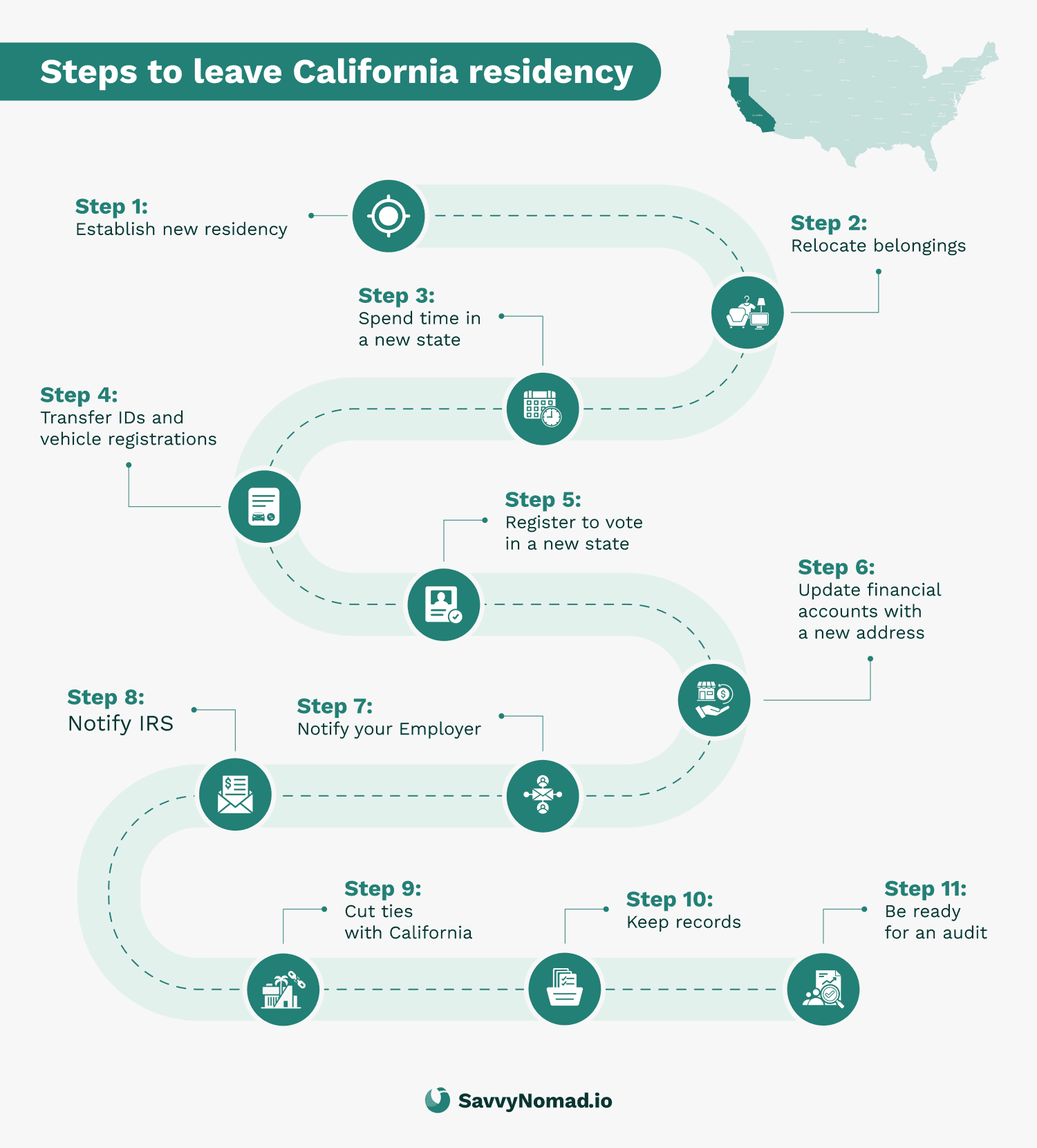
The first concrete step in claiming California residency is to physically move yourself and your life into the state. This goes beyond a temporary stay; it signifies a genuine commitment to making California your home.
Securing Housing
A primary indicator of physical presence and intent is securing a permanent dwelling. This could involve signing a long-term rental agreement, purchasing a home, or establishing a consistent living situation that indicates permanence rather than a transient visit. While temporary accommodations like hotels or short-term rentals might suffice initially, demonstrating a stable address is critical for most official processes, including obtaining a California driver’s license or registering for utilities. Your residential address will be a foundational piece of evidence in proving your residency.
Moving Possessions and Family
Transporting your personal belongings—furniture, household goods, sentimental items—to your California address further underscores your intent to reside permanently. If you have a family, their relocation with you (e.g., enrolling children in California schools) provides compelling evidence. The more ties you sever with your previous state of residence and establish within California, the stronger your claim becomes. This physical migration of your entire life helps paint a clear picture of your new domicile.
Duration of Stay Requirements
While there isn’t a hard and fast rule like “you must stay 183 days” for all aspects of California residency (unlike some other states for tax purposes), the longer and more continuous your physical presence, the more convincing your claim. For some benefits, such as in-state tuition, there are specific duration requirements (e.g., usually one year prior to the start of the academic term). However, for general tax and legal residency, the focus is on the intent to reside indefinitely, supported by your physical presence and actions. It’s not just about the clock, but about the quality and purpose of your time within the state.
Demonstrating Intent: Proving Your Permanent Move
Beyond simply being physically present, actively taking steps to integrate into California society is crucial for proving your intent to make it your permanent home. These administrative actions serve as undeniable evidence of your commitment.
Updating Your Driver’s License or ID Card
One of the most significant steps is obtaining a California driver’s license or state identification card from the California Department of Motor Vehicles (DMV). This document is widely accepted as proof of residency and will be required for many other transactions. You typically have a limited time (e.g., 10 days) to apply for a California driver’s license after establishing residency. Surrendering your out-of-state license during this process is a strong indicator of your intent to sever ties with your previous state.
Registering Your Vehicles
If you own a vehicle, you must register it with the DMV within a specified timeframe (usually 20 days) of establishing residency. This involves obtaining California license plates and paying applicable registration fees. Similarly, if you register a boat or other recreational vehicles, updating their registration to California further solidifies your residency claim.
Voter Registration
Registering to vote in California is a powerful declaration of your intent to be a permanent resident and an active member of the community. It’s a fundamental civic responsibility and provides yet another piece of documentary evidence for your residency.
Financial and Personal Ties
Opening bank accounts with California addresses, transferring investments to California institutions, updating your mailing address for credit cards and other financial statements, and establishing relationships with California-based healthcare providers are all crucial steps. Enrolling children in local schools, joining local clubs or organizations, and establishing professional connections within the state (e.g., employment, business registration) further demonstrate your integration into the California lifestyle. The more deeply embedded your financial, professional, and personal life becomes in California, the more robust your residency claim.
Key Administrative Steps for New California Residents
Successfully claiming residency involves a series of administrative tasks that are critical for formalizing your status within the state. These steps often involve direct interaction with state agencies and careful documentation.
Department of Motor Vehicles (DMV) Procedures
The DMV plays a central role in your residency journey. Beyond obtaining a driver’s license and vehicle registration, you may need to apply for other specialized permits or licenses depending on your profession or lifestyle. Ensure all your vehicle-related documents, including insurance, reflect your new California address. The DMV website and local offices are invaluable resources for specific requirements and forms.
Taxation (Franchise Tax Board – FTB)
Your tax residency status with the FTB is paramount. California residents are taxed on all income, regardless of source, from the date residency is established. You will need to file a California state income tax return. The FTB considers a wide range of factors to determine residency, including your physical presence, where your family lives, where you conduct business, your banking and financial ties, and voter registration. It’s advisable to keep meticulous records of all your actions demonstrating your move, as these may be requested in the event of an audit or residency dispute.
Utilities and Services
Establishing utilities in your name at your new California address (e.g., electricity, gas, water, internet) provides tangible proof of your physical presence and intent to reside. Utility bills are frequently accepted as supporting documentation for other residency-related applications. Updating your mailing address with the United States Postal Service for mail forwarding further solidifies your new home base.
Navigating Tax Implications and Other Considerations
The implications of California residency extend beyond the immediate administrative tasks, touching on long-term financial planning and legal status.
State Income Tax Residency Rules
California has a reputation for high income taxes, making it critical to understand how your residency impacts your tax obligations. The FTB applies a “facts and circumstances” test, meaning no single factor is determinative. They look at your entire lifestyle to decide your residency status. For example, if you maintain a home, bank accounts, and professional licenses in another state while living in California, the FTB may scrutinize your claim. Consulting with a tax professional experienced in California residency laws is highly recommended, especially if you have complex financial situations or frequent travel outside the state.
Estate Planning and Legal Domicile
Your legal domicile, which is generally established when you claim residency, has profound implications for estate planning, probate laws, and even divorce proceedings. Moving to California may necessitate reviewing and updating your will, trusts, and other estate documents to comply with California law. Understanding community property laws, which are prevalent in California, is also crucial for married individuals.
Impact on College Tuition
For families considering higher education, establishing residency for in-state tuition purposes often has specific requirements beyond general tax residency. Universities typically have their own sets of rules, which often include a minimum period of physical presence (e.g., one year) and clear intent to establish domicile in California independent of parental residency, for adult students. Detailed documentation proving financial independence, local employment, and severing ties with the former state is often required. Prospective students and their families should consult the specific university’s residency requirements well in advance.
Ongoing Maintenance of Residency Status
Claiming residency isn’t a one-time event; it requires ongoing maintenance, especially if your lifestyle involves frequent travel or periods outside California. Always ensure your primary address on all official documents remains your California address. Continue to file California state tax returns, maintain your voter registration, and update your driver’s license as required. Consistent actions that demonstrate your continued commitment to California as your permanent home will reinforce your residency status over time.
Establishing residency in California is a deliberate process that requires careful attention to detail and a clear understanding of the state’s legal and administrative requirements. By systematically addressing the factors related to physical presence and demonstrated intent, you can confidently make California your official home, fully embracing the lifestyle, opportunities, and responsibilities that come with being a resident of this dynamic state.
LifeOutOfTheBox is a participant in the Amazon Services LLC Associates Program, an affiliate advertising program designed to provide a means for sites to earn advertising fees by advertising and linking to Amazon.com. Amazon, the Amazon logo, AmazonSupply, and the AmazonSupply logo are trademarks of Amazon.com, Inc. or its affiliates. As an Amazon Associate we earn affiliate commissions from qualifying purchases.