
For many individuals living with chronic pain, epilepsy, or certain anxiety disorders, Gabapentin is a vital part of their daily medication regimen. However, the legal landscape surrounding prescription medications can vary significantly from one state to another, creating a maze of regulations that can be particularly challenging for travelers. When planning a trip to the Sunshine State, a common question arises: Is Gabapentin a controlled substance in Florida? Understanding the answer is crucial for ensuring a smooth, compliant, and worry-free experience as part of a responsible travel lifestyle.
The dynamic nature of drug scheduling means that what might be an over-the-counter supplement in one area could be a tightly regulated substance elsewhere. For travelers, navigating these complexities requires due diligence and foresight, especially when crossing state lines with prescribed medications. This article will delve into Gabapentin’s specific classification in Florida, its implications, and practical advice to help you manage your medication responsibly while enjoying all that the state has to offer.
Navigating Medication Legality While Traveling
Traveling, whether for leisure or business, often involves meticulous planning: booking flights, securing accommodations, and mapping out itineraries. Yet, an often-overlooked aspect of this preparation is understanding the legal status of personal medications in the destination. This is not merely a formality; it’s a critical component of personal safety and legal compliance, essential for anyone managing a medical condition as part of their lifestyle on the go.
The Importance of State-Specific Drug Laws
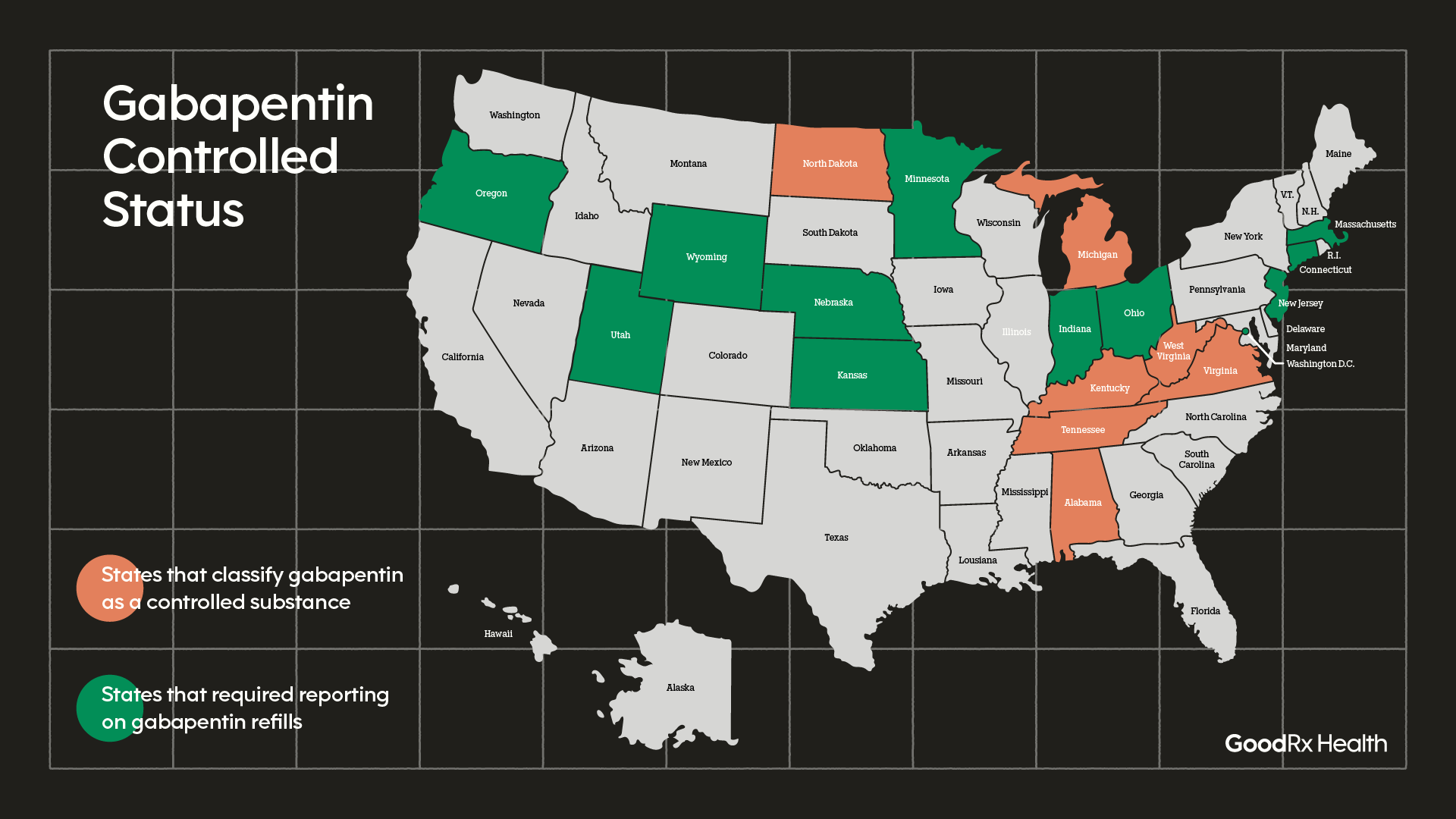
The United States operates under a federal system where drug laws are influenced by both federal statutes and individual state regulations. While the Drug Enforcement Administration (DEA) maintains a federal schedule of controlled substances (Schedules I-V), states have the authority to impose their own classifications, which can sometimes be more stringent than federal guidelines. This divergence is why a medication like Gabapentin might have one status at the federal level or in one state, and a different, often stricter, status in another. For instance, a substance not federally scheduled might be classified as a Schedule V controlled substance by a state, as has been the case with Gabapentin in several jurisdictions.
This patchwork of laws necessitates that travelers, particularly those with chronic conditions requiring regular medication, proactively research the specific regulations of their destination state. Ignorance of the law is not a defense, and non-compliance, even unintentional, can lead to significant legal repercussions, including fines, confiscation of medication, or even arrest. Responsible travel planning therefore extends beyond logistics to encompass a thorough understanding of local legal frameworks concerning health and pharmaceuticals.
Gabapentin’s Classification Journey
Gabapentin, initially marketed under the brand name Neurontin, was first approved by the FDA in 1993 for the treatment of epilepsy. Over the years, its use expanded to include neuropathic pain and restless legs syndrome. For a long time, Gabapentin was not classified as a controlled substance at the federal level, nor in many states. Its accessibility and relatively low potential for abuse, compared to opioids, contributed to its widespread use.
However, in recent years, an increase in reports of Gabapentin misuse, diversion, and its synergistic effects when combined with opioids, leading to enhanced respiratory depression, prompted many states to re-evaluate its status. This shift in understanding the drug’s potential for abuse and harm has led numerous states to reclassify Gabapentin as a controlled substance, most commonly as a Schedule V drug. This reclassification often entails stricter prescription requirements, monitoring programs, and refill limitations, reflecting a broader public health effort to curb prescription drug abuse while ensuring access for legitimate medical needs. This evolving classification journey highlights why staying informed about its current status in specific locations, like Florida, is paramount for travelers.
Gabapentin’s Status in Florida
Understanding the precise legal standing of Gabapentin in Florida is critical for anyone planning a visit or contemplating a move to the state. The legal framework dictates everything from how the medication is prescribed and dispensed to the penalties for non-compliance, directly impacting a traveler’s ability to maintain their health regimen without legal incident.
Is it a Controlled Substance?
Yes, as of January 1, 2020, Gabapentin is classified as a Schedule V controlled substance in Florida. This legislative change was enacted to address concerns about the increasing misuse and diversion of the drug, particularly in combination with opioids. The reclassification places Gabapentin under the same regulatory scrutiny as other Schedule V substances, such as certain cough syrups containing codeine or specific anti-diarrheal medications. This means that while it is still widely prescribed for legitimate medical purposes, its availability and oversight are now significantly more regulated than before.
This classification applies uniformly across the entire state of Florida, from the bustling streets of Miami to the serene beaches of Sarasota and the theme parks of Orlando. Travelers must recognize that carrying Gabapentin in Florida without a valid prescription, or in quantities exceeding legal limits, can lead to serious legal consequences.
What Schedule V Means for You
The Schedule V classification in Florida imposes several key requirements and limitations that impact both prescribers and patients, including travelers:
- Prescription Requirement: Gabapentin can only be dispensed with a valid prescription from a licensed medical professional. Over-the-counter sales are strictly prohibited.
- Prescription Drug Monitoring Program (PDMP): Prescribers in Florida are required to check the state’s PDMP database before prescribing Gabapentin to identify potential doctor shopping or excessive prescribing. This system helps prevent misuse and ensures patient safety.
- Refill Limitations: While specific refill rules can vary, Schedule V drugs often have limitations on the number of refills allowed without a new prescription. Travelers who anticipate needing refills during an extended stay should plan accordingly.
- Dispensing Rules: Pharmacies must comply with specific record-keeping requirements for Schedule V substances. This might mean that fulfilling an out-of-state prescription could involve additional verification steps.
- Possession Laws: It is illegal to possess Gabapentin without a valid prescription from a licensed healthcare provider. The prescription must be current and obtained through a legitimate doctor-patient relationship.
These regulations are designed to strike a balance between allowing access for those who genuinely need the medication and preventing its diversion and abuse. For travelers, awareness of these rules is the first step toward compliance and a hassle-free trip.
Penalties and Risks for Non-Compliance
The penalties for violating Florida’s controlled substance laws are significant and can range from misdemeanor charges to serious felonies, depending on the amount of the drug, intent, and prior offenses.
- Possession Without a Prescription: Possessing Gabapentin without a valid prescription can lead to charges of unlawful possession of a controlled substance. This is generally a third-degree felony in Florida, punishable by up to five years in prison and a $5,000 fine.
- Possession with Intent to Distribute or Sell: If the quantity of Gabapentin is large enough to suggest intent to distribute, or if there is evidence of selling, the penalties become much more severe, potentially leading to higher felony charges, longer prison sentences, and substantially larger fines.
- Doctor Shopping: Attempting to obtain multiple prescriptions for Gabapentin from different doctors without disclosing existing prescriptions is also a serious offense under Florida law, aimed at preventing diversion and abuse.

For travelers, any encounter with law enforcement regarding medication non-compliance can disrupt travel plans, incur substantial legal fees, and result in a criminal record. The risks underscore the importance of strict adherence to all medication laws when visiting Florida.
Practical Advice for Travelers to Florida
For those traveling to Florida and taking Gabapentin, proactive preparation is key to avoiding legal complications and ensuring continuity of care. Incorporating these practical steps into your travel planning will contribute to a more relaxed and compliant experience, integral to a responsible travel lifestyle.
Always Carry Your Prescription
This is perhaps the most critical piece of advice. When traveling with Gabapentin or any other prescription medication, you should:
- Keep medication in its original pharmacy-labeled container: This clearly identifies the medication, the prescribing doctor, and the patient. Do not transfer pills to unmarked containers or pillboxes, especially when crossing state lines.
- Carry a copy of your valid prescription: While the labeled container is essential, having a physical or digital copy of the prescription itself can provide additional verification if questioned.
- Consider a doctor’s note: A letter from your prescribing physician explaining your medical condition, the necessity of the medication, and the dosage can be highly beneficial, particularly if you are carrying more than a typical short-term supply.
- Carry only the amount you need: While it’s wise to have a little extra in case of travel delays, avoid carrying excessively large quantities that might raise suspicions of diversion.
Keeping your medication, prescription, and a doctor’s note together and easily accessible, preferably in your carry-on luggage, can prevent significant delays and legal issues.
Consulting Your Physician and Pharmacist
Before your trip, engage with your healthcare providers.
- Talk to your prescribing doctor: Inform them of your travel plans to Florida. Discuss the state’s controlled substance laws regarding Gabapentin. Your doctor can advise on the best way to manage your prescription while away and provide any necessary documentation. They may also suggest having your medical records accessible electronically or a contact number for verification.
- Consult your pharmacist: Your current pharmacist can offer valuable insights into how Florida’s Schedule V regulations might impact your ability to get refills. They can also explain any specific packaging or labeling requirements that ensure compliance. They might also be able to transfer a prescription to a Florida pharmacy if you plan an extended stay, though this often requires coordination with a Florida-licensed prescriber.
Understanding Pharmacy Regulations in Florida
If you anticipate needing a refill while in Florida, be prepared for potential differences:
- Out-of-state prescriptions: While Florida pharmacies can generally fill out-of-state prescriptions, they may exercise extra caution with controlled substances like Gabapentin. Be ready to provide additional identification or contact information for your prescribing doctor for verification.
- PDMP checks: Pharmacists in Florida are also required to check the PDMP before dispensing controlled substances. This process is routine but ensures that the prescription is legitimate and that you are not attempting to “doctor shop.”
- Limited emergency refills: Emergency refills for controlled substances are highly restricted. Do not rely on being able to obtain an emergency refill without a valid, Florida-compliant prescription.
By being informed and prepared, you can navigate the pharmacy system in Florida smoothly and maintain your medication schedule without interruption.
Broader Lifestyle Considerations for Managing Medications While Traveling
While the focus here is on Gabapentin in Florida, the principles of responsible medication management extend to all prescribed drugs and all travel destinations. Integrating these considerations into your overall travel lifestyle ensures both your health and legal compliance, allowing you to fully enjoy your journeys.
Beyond Gabapentin: General Tips for All Prescribed Medications
- Research all your medications: Before any trip, research the legal status of all your prescription medications in your destination. What’s allowed in one place might be restricted or even prohibited in another (e.g., some ADHD medications are highly restricted in certain countries).
- Translate prescriptions if traveling internationally: If your travels extend beyond U.S. borders, carry a translated version of your prescription and doctor’s letter, especially if crossing borders where English is not the primary language.
- Secure your medication: Always keep your medication in a secure place, but accessible enough that you can retrieve it if necessary for inspection or personal use. Avoid checking it in luggage, as bags can be lost or delayed.
- Stay updated on changes: Drug laws can change. Before each trip, do a quick check for any recent updates regarding your medications in your destination.
Emergency Preparedness: What If You Lose Your Medication or Prescription?
Despite careful planning, unforeseen circumstances can arise. Being prepared for emergencies is a crucial aspect of a resilient travel lifestyle.
- Maintain an emergency contact list: Have your doctor’s contact information readily available, along with contact details for any specialists.
- Carry an updated medical history summary: This document should list all your current medications, dosages, allergies, and medical conditions. It can be invaluable if you need to consult a doctor in an unfamiliar location.
- Plan for lost or stolen medication: Know your medication’s generic name. If your Gabapentin is lost or stolen, contact your prescribing doctor immediately. They may be able to electronically send a new prescription to a local Florida pharmacy. Be aware that getting a replacement for a controlled substance can be more challenging due to stricter regulations.
- Travel insurance with medical coverage: Consider travel insurance that includes coverage for medical emergencies and prescription replacement. This can alleviate financial burdens and stress if issues arise.
Conclusion
The question, “Is Gabapentin a controlled substance in Florida?”, has a clear answer: Yes, it is classified as a Schedule V controlled substance. For residents and especially for travelers, this classification carries significant implications that necessitate careful planning and adherence to legal guidelines. By understanding Florida’s specific laws, carrying proper documentation, and consulting with healthcare professionals, individuals on Gabapentin can ensure their compliance and maintain their health regimen without interruption during their stay.
Incorporating responsible medication management into your travel lifestyle is not just about avoiding legal trouble; it’s about ensuring your well-being and peace of mind. Whether you’re visiting the beaches of Clearwater, exploring the Everglades, or enjoying the vibrant culture of Key West, being prepared for the legalities surrounding your medications allows you to fully immerse yourself in the experience. Always prioritize due diligence when traveling with prescription drugs, and you can enjoy a safe, healthy, and legally compliant journey through the beautiful state of Florida.
LifeOutOfTheBox is a participant in the Amazon Services LLC Associates Program, an affiliate advertising program designed to provide a means for sites to earn advertising fees by advertising and linking to Amazon.com. Amazon, the Amazon logo, AmazonSupply, and the AmazonSupply logo are trademarks of Amazon.com, Inc. or its affiliates. As an Amazon Associate we earn affiliate commissions from qualifying purchases.