
California is a dream destination for many, offering everything from sun-kissed beaches and vibrant cities to majestic national parks and world-class vineyards. Tourists flock to the Golden State to experience its diverse culture, exquisite cuisine, and thrilling activities. However, amidst the excitement of exploration and enjoyment, it’s paramount for every visitor to understand the local laws, particularly those concerning alcohol consumption and driving. Understanding the legal Blood Alcohol Content (BAC) limit is not just a matter of compliance; it’s a crucial safety measure that ensures a responsible and memorable trip, free from legal complications that could otherwise overshadow your California adventure. This comprehensive guide aims to equip tourists with the essential knowledge about California’s legal BAC limits, the severe consequences of driving under the influence (DUI), and practical tips for responsible enjoyment.
Understanding California’s DUI Laws for Tourists
California’s laws regarding driving under the influence are stringent and strictly enforced, applying equally to residents and visitors. Ignorance of the law is not considered a valid defense, making it imperative for tourists to familiarize themselves with these regulations before getting behind the wheel after consuming any alcohol.
The Standard .08% BAC Limit
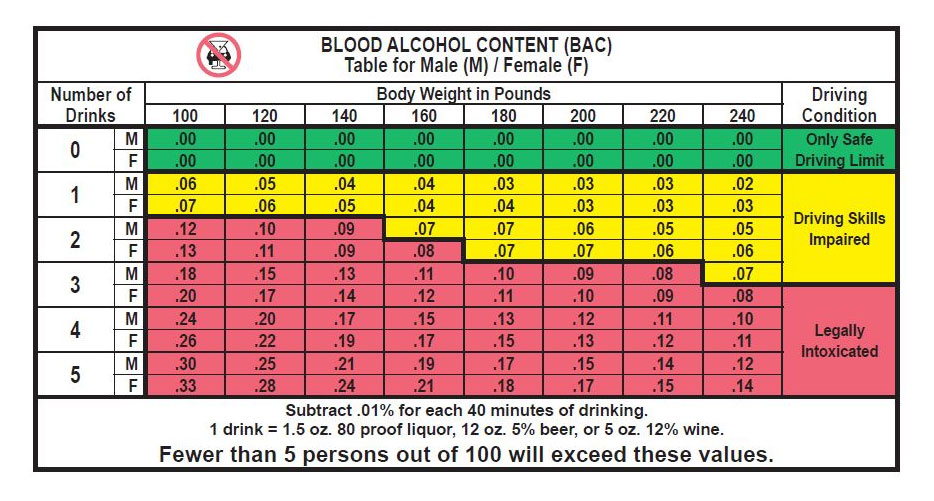
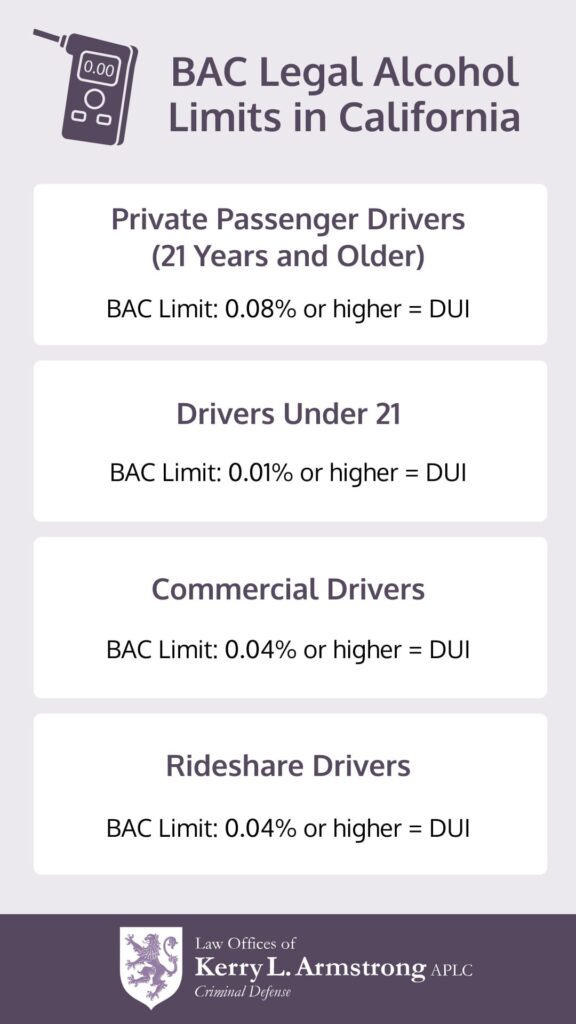
For most adult drivers in California aged 21 and older, the legal limit for Blood Alcohol Content (BAC) is 0.08%. This means that if your BAC is measured at 0.08% or higher, you are legally presumed to be impaired and can be charged with a DUI. This limit applies to passenger vehicles and is the most commonly understood threshold. It’s important to remember that impairment can occur at much lower BAC levels, and law enforcement can still initiate a DUI stop and even charge a driver if they exhibit signs of impairment, regardless of whether their BAC is below the legal limit. This concept is often referred to as “DUI alcohol and/or drugs” where actual impairment is key.
Special Considerations: Commercial Drivers and Minors
California applies even stricter BAC limits for specific categories of drivers, reflecting the higher responsibility associated with their roles or their age.
- Commercial Drivers: Individuals operating commercial vehicles, such as large trucks, buses, or vehicles for hire (including many ride-share drivers when on duty), face a much lower legal BAC limit of 0.04%. The rationale behind this stricter limit is the increased potential for harm when operating larger, heavier vehicles, or transporting passengers. Tourists who might be renting RVs or planning to drive a commercial vehicle should be especially aware of this reduced threshold.
- Drivers Under 21 (Minors): For anyone under the age of 21, California enforces a “Zero Tolerance” policy. This means that if you are under 21 and your BAC is 0.01% or higher, you can be charged with a DUI. This extremely low limit effectively prohibits any alcohol consumption for underage drivers, reinforcing the state’s commitment to preventing underage drinking and driving.
“Zero Tolerance” and Implied Consent
Beyond the specific BAC limits, two fundamental principles underpin California’s DUI laws:
- Zero Tolerance (for minors): As mentioned, this rule makes it illegal for drivers under 21 to have virtually any detectable alcohol in their system. A BAC of just 0.01% can lead to license suspension and other penalties.
- Implied Consent: By simply driving on California roads, you are deemed to have given your “implied consent” to a chemical test (blood, breath, or, in some cases, urine) if lawfully arrested for DUI. Refusing to take a chemical test after a lawful arrest carries severe penalties, including automatic license suspension for at least one year, regardless of whether you are ultimately convicted of DUI. This rule applies to all drivers, including tourists with out-of-state or international licenses.
The Perils of Driving Under the Influence (DUI)
A DUI conviction in California is not merely a slap on the wrist; it carries severe and far-reaching consequences that can significantly disrupt a tourist’s vacation and have lasting impacts long after they leave the state. Understanding these potential repercussions is a strong deterrent against making the dangerous decision to drive while impaired.
Immediate Legal Consequences: Arrests and Penalties
If stopped by law enforcement and suspected of DUI, you will likely undergo field sobriety tests and potentially a preliminary alcohol screening (PAS) device. If there’s probable cause for arrest, you will be taken into custody. The immediate aftermath includes:
- Arrest and Booking: You will be arrested, booked, fingerprinted, and held in custody, often overnight, depending on the circumstances and the jail’s capacity. This alone can be a terrifying and disorienting experience, especially for someone unfamiliar with the California legal system.
- Vehicle Impoundment: Your vehicle will likely be impounded, incurring towing and storage fees that you will be responsible for. This adds another layer of logistical and financial stress to an already difficult situation.
- Administrative Per Se (APS) Suspension: The California Department of Motor Vehicles (DMV) will typically initiate an administrative suspension of your driving privileges within 30 days of your arrest, even before your court case begins. You have a limited window (10 days from the arrest) to request a hearing to contest this suspension. For tourists, this can mean a significant disruption to their travel plans, as they may not be able to legally drive in the state.
Long-Term Impacts: Fines, Jail Time, and License Suspension
Should you be convicted of a DUI, the long-term consequences are substantial:
- Fines and Assessments: A first-offense DUI conviction in California can lead to thousands of dollars in fines, penalties, and court fees. These costs can quickly escalate, especially with legal representation.
- Jail Time: Even a first-offense misdemeanor DUI can carry mandatory jail time, ranging from a minimum of 96 hours up to six months. Repeat offenses carry significantly longer sentences.
- License Suspension: Your driving privileges will be suspended for a considerable period. For a first offense, it’s typically six months to one year, with longer suspensions for repeat offenses. Even if you hold an out-of-state or international license, this suspension can affect your ability to drive in California and potentially in your home jurisdiction.
- DUI School: You will be mandated to complete a court-approved DUI education program, which can range from three to nine months, depending on the offense. This can be particularly challenging for tourists who do not reside in California.
- Ignition Interlock Device (IID): In many California counties, particularly after a second or subsequent offense, you may be required to install an Ignition Interlock Device (IID) in your vehicle for a specific period. This device prevents your car from starting if it detects alcohol on your breath.
Financial Burdens: Legal Fees and Insurance Hikes
Beyond the direct fines and penalties, a DUI conviction incurs a host of other financial strains:
- Legal Representation: Retaining an attorney specializing in DUI defense is almost essential to navigate the complex legal system. Legal fees can range from several thousands to tens of thousands of dollars, depending on the complexity of the case.
- Insurance Premiums: A DUI conviction will almost certainly lead to a dramatic increase in your car insurance premiums. Many insurance companies will classify you as a high-risk driver, and some may even drop your coverage. This increase can last for several years, becoming a significant financial burden.
- SR-22 Filing: You will likely be required to obtain an SR-22 certificate, which is proof of financial responsibility from your insurance company, for several years following your conviction.
Safety Risks: Protecting Yourself and Others
Beyond the legal and financial ramifications, the most critical consequence of driving under the influence is the inherent danger it poses. Alcohol impairs judgment, coordination, reaction time, and vision, making even routine driving maneuvers incredibly risky. Choosing to drive while impaired not only jeopardizes your own life but also the lives of your passengers, other drivers, pedestrians, and cyclists. Responsible tourism means prioritizing safety, and that begins with sober driving.
How Alcohol Affects the Body and Driving Ability
Understanding the legal BAC limit is one thing, but comprehending how alcohol actually impacts your body and its ability to perform tasks like driving is even more crucial. Many factors influence how quickly alcohol is absorbed and processed, and its effects are far more insidious than many realize.
Factors Influencing BAC Levels
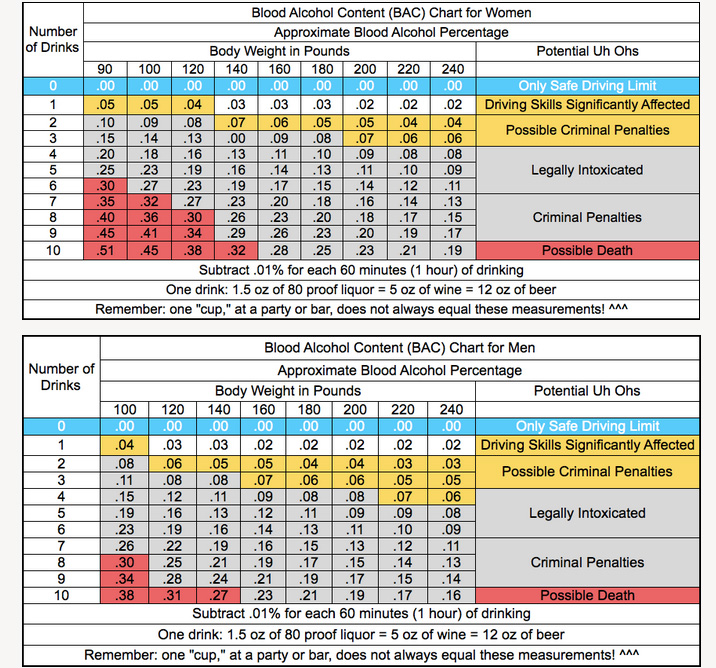
Your Blood Alcohol Content (BAC) is not simply a direct reflection of how many drinks you’ve had. Several physiological and environmental factors play a significant role:
- Weight and Gender: Generally, individuals with less body mass and women tend to reach higher BACs faster than men of the same weight, as women typically have less water in their bodies and less of the enzyme that metabolizes alcohol.
- Rate of Consumption: Downing drinks quickly will lead to a rapid increase in BAC. Your liver can only process alcohol at a certain rate (approximately one standard drink per hour).
- Food Consumption: Having food in your stomach slows down the absorption of alcohol into your bloodstream, but it does not prevent intoxication. Drinking on an empty stomach will result in a much quicker and higher BAC spike.
- Type of Drink: While a “standard drink” contains a similar amount of pure alcohol (e.g., 12 oz beer, 5 oz wine, 1.5 oz spirits), consuming higher proof beverages can lead to faster intoxication if not carefully measured.
- Medications: Certain medications can interact with alcohol, amplifying its effects and leading to quicker impairment.
- Fatigue and Stress: Being tired or stressed can also exacerbate the effects of alcohol, making you feel more intoxicated at lower BAC levels.
Impairment at Different BACs
Even below the legal limit of 0.08%, alcohol begins to impair critical driving skills:
- 0.02% – 0.03%: You might experience a slight loss of judgment, altered mood, and a decline in visual function. You may feel relaxed or slightly lightheaded.
- 0.05% – 0.06%: Your judgment is further impaired, and coordination begins to suffer. You might have difficulty tracking moving objects, reduced ability to respond to emergencies, and decreased alertness. Your inhibitions are lowered.
- 0.08% (Legal Limit): At this level, significant impairment in muscle coordination, judgment, self-control, and the ability to process information is evident. You will have difficulty concentrating, remembering, and controlling your vehicle speed.
- Above 0.08%: The risks escalate dramatically. Reaction time is severely slowed, vision is blurred, and the ability to steer, brake, and maintain lane position is dangerously compromised.
Common Misconceptions About Sobering Up
Many myths surround “sobering up” that can lead to dangerous decisions:
- Coffee or Cold Showers Don’t Work: Drinking coffee, taking a cold shower, or exercising will not lower your BAC. These might make you feel more alert, but your liver is still processing the alcohol at the same rate. Only time can reduce your BAC.
- “Feeling Sober” Isn’t Enough: You might feel capable of driving, but your cognitive and motor skills could still be significantly impaired, especially if you have built up a tolerance to alcohol. The only reliable measure is your actual BAC.
- Eating Greasy Food: While food can slow absorption, it doesn’t eliminate alcohol already in your system or accelerate its metabolism.
Responsible Enjoyment: Tips for Tourists in California
Enjoying California’s vibrant nightlife, exquisite wineries in Napa Valley or Sonoma County, and diverse culinary scene often involves alcohol. However, doing so responsibly is key to a memorable and safe trip. Here are essential tips for tourists:
Designating a Sober Driver
This is arguably the most effective and straightforward strategy. If your group plans to consume alcohol, decide beforehand who will be the designated sober driver. This person commits to not drinking any alcohol and safely transporting the group. Rotate this role among friends or family members on different outings. Many establishments in California even offer complimentary non-alcoholic beverages to designated drivers.
Utilizing Ride-Sharing and Public Transportation
California’s major cities like Los Angeles, San Francisco, and San Diego offer extensive public transportation options and are well-serviced by popular ride-sharing apps such as Uber and Lyft.
- Ride-Sharing Apps: These services provide a convenient and relatively inexpensive way to get around after you’ve had a few drinks. Simply download the app, set your destination, and a driver will pick you up. Factor these costs into your travel budget.
- Public Transportation: Cities like San Francisco have robust public transit systems (MUNI, BART) that can connect you to many attractions and neighborhoods. In Los Angeles, the Metro system continues to expand, offering bus and rail services. Research local public transit options in your destination city.
- Taxis: Traditional taxi services are also readily available, particularly around airports, hotels, and nightlife districts.
Exploring Alcohol-Free Activities
California offers an abundance of incredible experiences that do not involve alcohol. Embrace these opportunities to ensure you remain fully capable and aware.
- Nature and Outdoors: Explore national parks like Yosemite or Sequoia, hike along coastal trails, or visit stunning beaches.
- Museums and Galleries: Los Angeles boasts the Getty Center, while San Francisco offers the California Academy of Sciences.
- Theme Parks: Disneyland in Anaheim or Universal Studios Hollywood are quintessential California experiences perfect for a sober day out.
- Culinary Experiences: Enjoy California’s diverse food scene without necessarily pairing every meal with alcohol. Explore farmers’ markets, food festivals, and gourmet restaurants.
Knowing Your Limits and Planning Ahead
- Track Your Drinks: Pay attention to how many alcoholic beverages you consume and their strength. Be mindful of mixed drinks, which can have varying alcohol content.
- Stay Hydrated: Alternate alcoholic drinks with water to stay hydrated and potentially slow down alcohol absorption.
- Eat Food: Never drink on an empty stomach. Eating food before and during alcohol consumption can help.
- Plan Your Transportation: Before you even leave your accommodation, decide how you will get back. Don’t wait until you’ve had a few drinks to figure it out. This proactive approach ensures you always have a safe way home.
- Consider Mocktails: Many bars and restaurants offer creative and delicious non-alcoholic cocktails.
Navigating a DUI Charge as a Tourist
While prevention is the best strategy, it’s prudent for any tourist to understand the basic steps to take if they unfortunately find themselves facing a DUI charge in California. The process can be daunting, especially when far from home.
Immediate Steps After an Arrest
If you are pulled over and subsequently arrested for DUI:
- Remain Calm and Cooperative: While you have rights, it’s always best to remain calm and respectful towards law enforcement officers. Aggressive behavior will only complicate matters.
- Provide Identification: Provide your driver’s license, vehicle registration, and proof of insurance when requested.
- Be Aware of Your Rights: You have the right to remain silent (beyond providing identification) and the right to an attorney. You are not obligated to perform field sobriety tests (FSTs), though refusing them may result in immediate license suspension during an administrative hearing. However, under implied consent, you must submit to a chemical test (blood or breath) after a lawful arrest, or face severe penalties.
- Do Not Make Statements: Avoid discussing the incident or making any statements without legal counsel present. Anything you say can be used against you.
Seeking Legal Counsel in California
This is perhaps the most critical step. Immediately upon release from custody (or as soon as possible thereafter), you should contact an attorney specializing in California DUI law.
- Specialized Expertise: A California DUI attorney will understand the intricacies of the state’s laws, court procedures, and the specific nuances that might apply to tourists. They can advise you on the best course of action, represent you in court, and navigate the DMV administrative per se hearing on your behalf.
- Navigating the System Remotely: For tourists who must return home, a local attorney can manage many aspects of the case, potentially minimizing the need for you to travel back to California for every hearing. This is invaluable for managing the logistical challenges of a DUI from another state or country.
Understanding Out-of-State License Implications
A DUI conviction in California can have serious implications for your driving privileges, even if your license was issued by another U.S. state or a foreign country.
- Interstate Driver’s License Compact: Most U.S. states are part of an interstate compact that shares information about traffic offenses, including DUIs. This means a conviction in California will likely be reported to your home state’s DMV, potentially leading to additional penalties or license suspension in your home state.
- International Driving Permits: For international tourists, a California DUI conviction can impact your ability to rent cars in the future, obtain future visas, or even enter the U.S. again. It can also lead to issues with your driving privileges in your home country.
In conclusion, a trip to California promises unforgettable experiences, and understanding the legal Blood Alcohol Content limits is an essential component of responsible tourism. By adhering to the law, making safe transportation choices, and being aware of the severe consequences of driving under the influence, visitors can ensure their journey through the Golden State is not only enjoyable but also safe, legal, and truly memorable for all the right reasons.
LifeOutOfTheBox is a participant in the Amazon Services LLC Associates Program, an affiliate advertising program designed to provide a means for sites to earn advertising fees by advertising and linking to Amazon.com. Amazon, the Amazon logo, AmazonSupply, and the AmazonSupply logo are trademarks of Amazon.com, Inc. or its affiliates. As an Amazon Associate we earn affiliate commissions from qualifying purchases.