
St. Augustine, Florida, holds a unique position in American history, often celebrated as the nation’s oldest continuously inhabited European-established settlement. This distinction alone draws millions of tourists annually, captivated by its ancient streets, historic landmarks, and coastal charm. However, the question of whether this picturesque city is a good place to live extends far beyond its appeal as a vacation destination. For those contemplating a move, understanding the lifestyle, economic realities, community spirit, and natural environment is paramount. This article delves into the various facets of life in St. Augustine, offering a comprehensive insight into what it truly means to call this historic city home.
The Allure of America’s Oldest City
Beyond its postcard-perfect aesthetics, St. Augustine offers a lifestyle steeped in history, culture, and natural beauty. Its unique blend of old-world charm and modern amenities creates an environment unlike any other in Florida, attracting a diverse population seeking a slower pace of life without sacrificing access to conveniences.
A Rich Tapestry of History and Culture
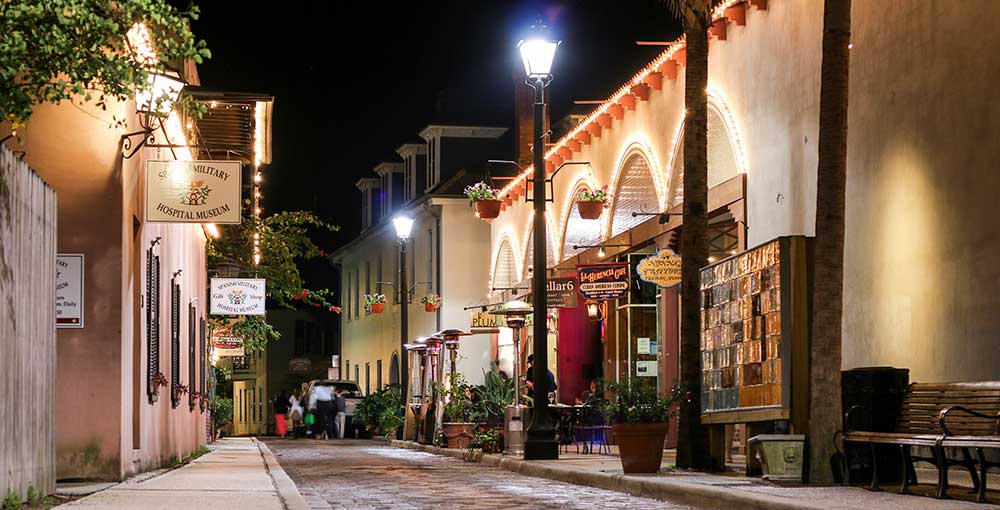
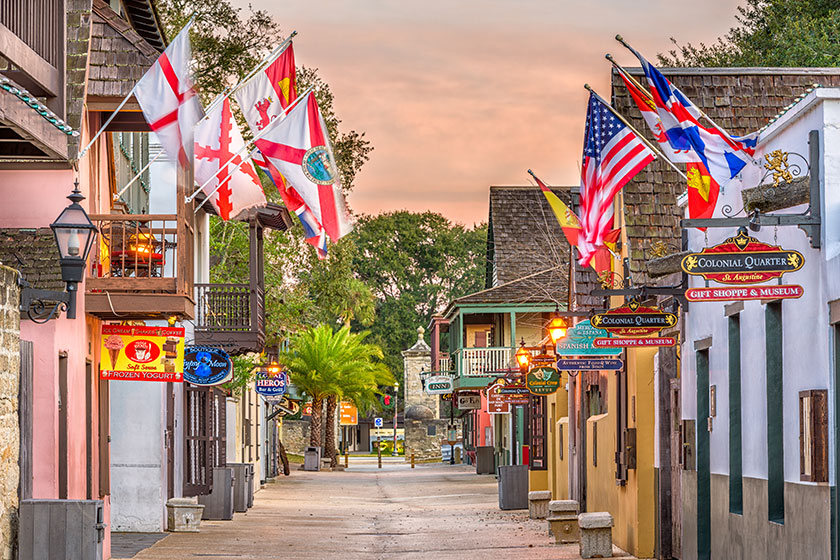
Living in St. Augustine means being enveloped by history. The city’s Spanish colonial roots are evident in its architecture, street names, and vibrant cultural events. Residents frequently enjoy access to iconic landmarks such as the Castillo de San Marcos, the St. Augustine Lighthouse & Maritime Museum, and the historic St. George Street. The city’s numerous museums, art galleries, and performance venues foster a rich cultural scene, offering everything from live music and theatrical productions to historical reenactments. The sheer volume of historical preservation efforts and educational opportunities makes it an ideal location for history enthusiasts and families looking to instill a sense of heritage in their children. The community embraces its past, often organizing festivals and events that celebrate its diverse influences, from Spanish and British colonial periods to its role in the Civil Rights movement, particularly in neighborhoods like Lincolnville. This constant engagement with history provides a unique backdrop for daily life, where a morning stroll can feel like a step back in time.
Architectural Grandeur and Modern Conveniences
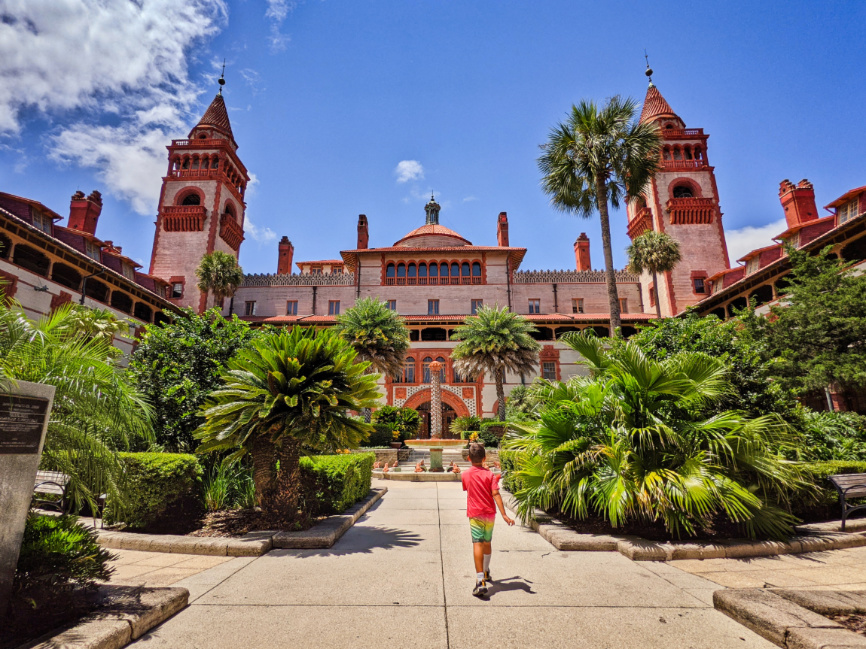
While its historic core defines much of St. Augustine’s identity, the city is far from being a living museum. Beyond the quaint brick streets and Spanish-influenced buildings, modern infrastructure supports a comfortable lifestyle. Residents benefit from contemporary housing options ranging from charming historic homes in areas like Davis Shores to newer developments on Anastasia Island and suburban communities expanding outward. The city balances its commitment to preserving its architectural heritage with the practical needs of its inhabitants. Local businesses thrive alongside national chains, providing diverse shopping, dining, and service options. The blend of boutique shops in the Old City and larger retail centers ensures that residents have access to everything they need. Furthermore, public services, including libraries, parks, and recreational facilities, are well-maintained and accessible, contributing to a high quality of life. The presence of renowned institutions like Flagler College, known for its stunning Gilded Age architecture, also adds to the city’s intellectual and cultural vibrancy, attracting a youthful energy that complements its historic gravitas.
Lifestyle and Community Dynamics
Living in St. Augustine is an experience shaped by its unique community and lifestyle offerings. From the pace of daily life to the availability of essential services, understanding these dynamics is crucial for prospective residents.
Cost of Living Considerations
Compared to some major metropolitan areas in Florida like Miami or Orlando, the cost of living in St. Augustine can be perceived as slightly more affordable, particularly for housing. However, as a highly desirable tourist destination, housing costs have steadily risen, especially in prime locations close to the historic district or the beaches. Rent for apartments and prices for single-family homes vary significantly based on proximity to the water, school districts, and the age of the property. Utilities, groceries, and transportation costs are generally in line with the national average, though insurance rates, particularly homeowner’s insurance in coastal areas, can be higher due to hurricane risks. It’s important for potential residents to conduct thorough research on current market conditions and factor in property taxes, which can be substantial in St. Johns County, one of the fastest-growing counties in Florida. While not as expensive as some major cities, St. Augustine is no longer a budget-friendly secret, requiring careful financial planning for those looking to relocate.
Education and Family Life
For families considering a move, the quality of education is a primary concern, and St. Johns County consistently ranks among the top in Florida for its public school system. The county boasts highly-rated elementary, middle, and high schools, attracting families who prioritize strong academic environments. Beyond K-12, St. Augustine is home to several higher education institutions, including Flagler College and the University of St. Augustine for Health Sciences, providing local opportunities for advanced learning and professional development. The city’s family-friendly atmosphere is further enhanced by numerous parks, playgrounds, and community events tailored for children. The beaches, the St. Augustine Alligator Farm Zoological Park, and various historical sites offer endless educational and recreational activities for all ages. The strong sense of community is often cited by residents as a significant draw, with neighbors frequently engaging in local events and supporting one another.
Healthcare Access and Quality
Access to quality healthcare is a critical component of a good place to live. St. Augustine is served by comprehensive healthcare facilities, including the Flagler Hospital, which is a well-regarded medical center providing a wide range of services from emergency care to specialized treatments. Residents also have access to numerous clinics, urgent care centers, and a network of primary care physicians and specialists throughout the city and surrounding St. Johns County. For more specialized or advanced medical needs, larger medical centers in nearby Jacksonville, just a short drive north, offer additional options. The presence of the University of St. Augustine for Health Sciences also contributes to a robust healthcare ecosystem, fostering innovation and providing a pipeline of skilled healthcare professionals. Overall, residents can expect a good standard of healthcare services, providing peace of mind for individuals and families.
Economic Landscape and Opportunities
The economic pulse of St. Augustine is inextricably linked to its historical identity and its appeal as a destination. However, the city is also seeing growth in other sectors, offering a more diversified job market than some might expect.
Tourism-Driven Economy
Unsurprisingly, tourism forms the bedrock of St. Augustine’s economy. This sector provides a significant number of jobs in hospitality, retail, food service, and historical interpretation. While this offers consistent employment opportunities, it also means that many jobs are seasonal or tied directly to visitor numbers. The constant influx of tourists contributes to a lively atmosphere but can also lead to traffic congestion and crowded public spaces, particularly during peak seasons. For those seeking employment in service industries, the opportunities are abundant, but careers in other fields might require more proactive searching or a commute to larger nearby cities like Jacksonville. The city’s reliance on tourism means that its economic health can be sensitive to external factors such as economic downturns or natural disasters that impact travel.
Emerging Industries and Remote Work
While tourism remains dominant, St. Augustine is making strides in diversifying its economy. There’s a growing presence of small businesses, tech startups, and professional services firms. The appeal of St. Augustine’s lifestyle, coupled with its relatively affordable cost of living compared to major tech hubs, is attracting remote workers and entrepreneurs. The advent of remote work has particularly benefited the area, allowing individuals to maintain careers with companies located elsewhere while enjoying the quality of life offered by the city. Educational institutions like Flagler College also contribute to job creation in the education sector. St. Johns County’s growth has also spurred development in construction, real estate, and related services. While the job market outside of tourism might not be as vast as in larger metropolitan areas, strategic economic development initiatives are working to expand opportunities and attract new industries, signaling a positive trend for long-term residents.
Natural Beauty and Recreational Pursuits
One of St. Augustine’s most compelling arguments as a good place to live is its stunning natural environment and abundant outdoor recreational opportunities.
Coastal Living and Outdoor Activities
Living in St. Augustine means embracing a coastal lifestyle. Residents have immediate access to miles of pristine beaches, including those on Anastasia Island and Vilano Beach, perfect for swimming, sunbathing, surfing, and fishing. The Matanzas River and the broader intercoastal waterway provide ample opportunities for boating, kayaking, paddleboarding, and wildlife viewing. Inland, numerous state parks and nature preserves, such as Anastasia State Park, offer hiking trails, birdwatching, and camping. The year-round warm Florida climate encourages an active outdoor lifestyle, with golf courses, tennis courts, and biking trails readily available. The natural beauty, from the oceanfront dunes to the tranquil marshes, offers a constant invitation to connect with nature, contributing significantly to residents’ well-being and leisure activities.
Proximity to Major Florida Destinations
Another advantage of living in St. Augustine is its strategic location within Florida. While providing a serene home base, the city is within a reasonable driving distance to larger metropolitan areas and popular attractions. Jacksonville, with its broader job market, international airport, and professional sports teams, is less than an hour north. To the south, Daytona Beach is easily accessible, and the theme parks of Orlando are approximately a two-hour drive, making day trips or weekend getaways convenient. This proximity allows residents to enjoy the tranquility of St. Augustine while having easy access to big-city amenities, major transportation hubs, and world-class entertainment, offering the best of both worlds.
Weighing the Pros and Cons
Like any city, St. Augustine comes with its unique set of advantages and challenges. A balanced perspective is essential for anyone considering making it their permanent home.
The Upsides of St. Augustine Living
The primary advantages of living in St. Augustine are its unparalleled historical charm, vibrant cultural scene, and stunning natural beauty. The sense of community is strong, and the pace of life is generally more relaxed than in bustling metropolises. Top-rated schools in St. Johns County are a significant draw for families. The year-round pleasant weather, abundant outdoor recreational opportunities, and access to beaches contribute to a high quality of life. The unique blend of a small-town feel with enough amenities and cultural activities to keep life interesting makes it an attractive option for retirees, young professionals, and families alike. The city’s commitment to preserving its heritage while slowly embracing modern growth creates a distinctive living environment that many find incredibly appealing.
Potential Challenges and Considerations
Despite its many charms, St. Augustine presents certain challenges. The reliance on tourism can lead to seasonal fluctuations in employment and significant traffic congestion, especially in the historic district. While the cost of living might be lower than some major Florida cities, it is steadily increasing, particularly for housing. Flood risks, especially in low-lying areas near the Matanzas River and the Atlantic Ocean, are a serious consideration for homeowners, necessitating robust insurance coverage. The job market outside of tourism and education can be limited, potentially requiring a commute to Jacksonville for certain professions. Furthermore, the summer months bring intense heat and humidity, along with the Atlantic hurricane season, which residents must be prepared for. While charming, the ‘small town’ feel may not appeal to everyone, particularly those seeking a fast-paced urban environment with diverse cultural offerings on par with truly large cities.
In conclusion, St. Augustine, Florida, offers a compelling lifestyle for those who appreciate history, natural beauty, and a strong sense of community. While it has its economic and environmental considerations, the city’s unique character, excellent schools, and abundant recreational opportunities make it a genuinely good place to live for many. Prospective residents should weigh these factors against their personal priorities to determine if America’s Oldest City is the right place to build their future.
LifeOutOfTheBox is a participant in the Amazon Services LLC Associates Program, an affiliate advertising program designed to provide a means for sites to earn advertising fees by advertising and linking to Amazon.com. Amazon, the Amazon logo, AmazonSupply, and the AmazonSupply logo are trademarks of Amazon.com, Inc. or its affiliates. As an Amazon Associate we earn affiliate commissions from qualifying purchases.