
The question “How many lakes in Maine?” might seem straightforward, but the answer unfolds into a rich tapestry of natural beauty, recreational opportunities, and a defining characteristic of the Pine Tree State. Maine is renowned for its rugged coastline, majestic mountains, and vast forests, yet it is arguably its incredible abundance of inland waters that truly captures the heart of this New England gem. Far from being a mere geographical detail, Maine’s lakes are the lifeblood of its tourism industry, offering travelers an unparalleled escape into nature, whether for thrilling adventures or tranquil contemplation. From vast, sprawling expanses of freshwater wilderness to hidden, intimate ponds, these bodies of water are not just numerous; they are diverse, vibrant ecosystems that beckon visitors from across the globe. Understanding the sheer scale and variety of Maine’s lakes is the first step in appreciating the state’s unique appeal as a premier travel destination, a place where the water’s edge holds endless possibilities for exploration and rejuvenation.
Maine’s Liquid Legacy: A Staggering Number
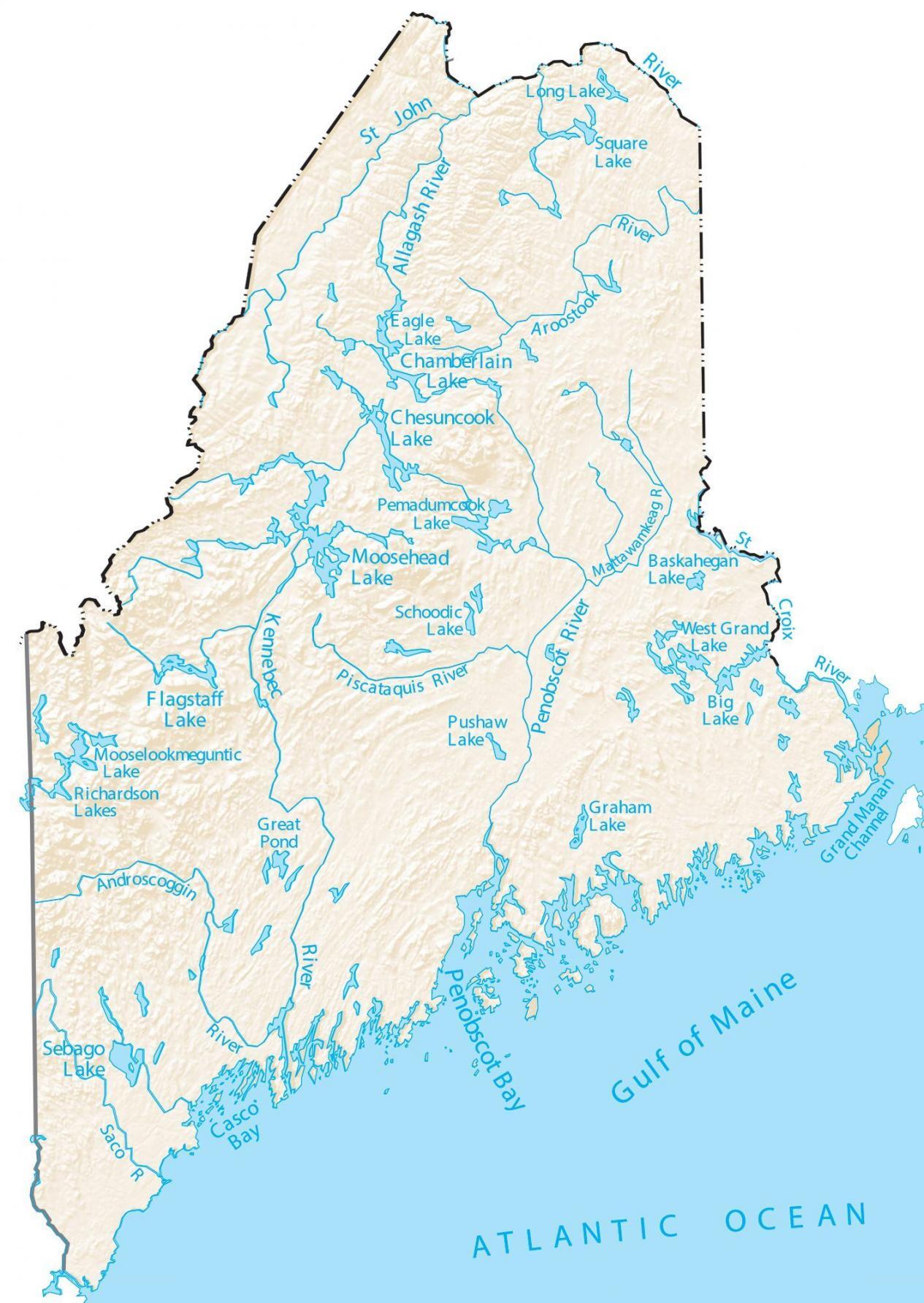
Delving into the precise number of lakes in Maine reveals a figure that is both impressive and a testament to the state’s glacial history. While exact counts can vary based on definition (what constitutes a “lake” versus a “pond”), the consensus points to an extraordinary abundance that solidifies Maine’s reputation as a watery paradise.
Defining “Lake” in the Pine Tree State
To truly answer “How many lakes in Maine?”, one must first grapple with the definition of a “lake” itself. Geographically, a lake is typically a large body of relatively still water, occupying an inland basin. However, in Maine, the distinction between a lake and a pond often blurs, with many bodies of water officially designated as “ponds” boasting sizes that would qualify them as lakes in other regions. The Maine Department of Environmental Protection and other state agencies generally identify well over 2,500 named lakes and ponds. If one were to include all bodies of water greater than 10 acres, the number easily surpasses 6,000. For the purposes of tourism and general understanding, it’s most common to consider the larger, more significant bodies of water that attract recreational use. Within this broader understanding, Maine is home to approximately 6,000 lakes and ponds that significantly contribute to its landscape and appeal. This staggering number represents millions of acres of freshwater, offering an unmatched diversity of aquatic environments.
Geographical Distribution and Diversity
The thousands of lakes in Maine are not uniformly distributed; rather, they form distinct concentrations that characterize different regions of the state, each offering its own unique allure for travelers.
- Western Lakes and Mountains: This region is arguably the most famous for its lakes. Home to the iconic Rangeley Lakes Region, including Rangeley Lake, Mooselookmeguntic Lake, and Richardson Lake, this area is a haven for anglers, hikers, and those seeking breathtaking scenic drives, especially during fall foliage season. The lakes here are often deep, cold, and surrounded by mountainous terrain, making them ideal for trout and salmon fishing.
- Central Maine: Further east, the Belgrade Lakes chain stands out, comprising seven major lakes connected by rivers and streams. Towns like Belgrade Lakes Village offer a charming lakeside experience with excellent opportunities for boating, swimming, and warm-water fishing. Sebago Lake, located closer to Portland, is Maine’s deepest and second-largest lake by surface area, providing drinking water to a quarter of Maine’s population and serving as a massive recreational hub for sailing, powerboating, and family vacations.
- Northern Maine / Aroostook County: The vast wilderness of Northern Maine is home to the state’s largest lake, Moosehead Lake, a true inland sea that stretches for over 40 miles. This region is a gateway to true wilderness adventures, with abundant wildlife (including the namesake moose), remote fishing camps, and opportunities for paddling into truly untouched territories. Smaller, less-known lakes pepper the Aroostook County landscape, offering secluded escapes.
- Downeast: While famous for its dramatic coastline, Downeast Maine also boasts numerous freshwater lakes and ponds, particularly in the interior. These offer a quieter, less crowded experience, often popular with local campers and those seeking a blend of coastal and inland attractions.
Each region’s lakes offer distinct experiences, from the bustling shores of Sebago Lake to the wild expanse of Moosehead Lake, demonstrating the incredible diversity that defines Maine’s liquid landscape.
Beyond the Numbers: The Allure of Maine’s Waterways for Travelers
The sheer quantity of lakes in Maine is impressive, but their true value lies in the unparalleled travel experiences they offer. For generations, these freshwater havens have drawn visitors seeking everything from exhilarating outdoor sports to serene natural beauty.
Premier Lake Destinations
Certain lakes stand out as magnets for travelers, each offering a unique character and array of activities:
- Moosehead Lake: As Maine’s largest lake, Moosehead Lake is the quintessential wilderness escape. Centered around the charming town of Greenville, it’s a prime destination for wildlife enthusiasts hoping to spot moose, bears, and eagles. Travelers can enjoy guided moose safaris, take scenic cruises on the historic Katahdin Steamship, or embark on multi-day paddling trips to explore its numerous islands and coves. Fishing for landlocked salmon, brook trout, and lake trout is exceptional, especially during the spring and fall.
- Sebago Lake: Just a short drive from Portland, Sebago Lake is a vibrant hub of summer activity. Its vast size and sandy beaches make it perfect for swimming, sunbathing, and all forms of boating, from jet skis to sailboats. Sebago Lake State Park offers extensive camping facilities and public access, making it a favorite for families. The lake is also renowned for its landlocked salmon fishery, attracting serious anglers.
- Rangeley Lake and the Rangeley Lakes Region: This historic region, surrounding the town of Rangeley, is synonymous with traditional Maine sporting camps and world-class fly fishing. The chain of crystal-clear lakes, nestled among forested mountains, provides a stunning backdrop for outdoor pursuits. Hiking trails abound, including sections of the Appalachian Trail nearby, and the scenic beauty during peak fall foliage is simply unparalleled. Winter visitors enjoy snowmobiling, cross-country skiing, and ice fishing.
- Belgrade Lakes: A network of seven interconnected lakes, the Belgrade Lakes region offers a more intimate and less crowded experience than some of its larger counterparts. Quaint towns like Belgrade Lakes Village provide charming accommodations and local eateries. These lakes are celebrated for their warm-water fishing (bass, perch) and are ideal for canoeing, kayaking, and paddleboarding, offering a relaxed pace of exploration.
Activities for Every Traveler
The extensive network of lakes in Maine provides a playground for virtually every outdoor interest:
- Fishing: Maine is an angler’s paradise. The cold-water lakes are famous for wild brook trout, landlocked salmon, and lake trout, while warmer lakes offer abundant bass, perch, and pickerel. Fly fishing, spin casting, and ice fishing are all popular.
- Boating and Paddling: From powerboating and waterskiing on large lakes like Sebago and Moosehead to serene canoe and kayak trips on smaller, secluded ponds, there’s a watercraft experience for everyone. Many lakes offer public boat launches and rental facilities.
- Swimming and Beaches: Numerous lakes boast sandy beaches and designated swimming areas, perfect for cooling off on a hot summer day. The pristine water quality of many Maine lakes makes them exceptionally inviting.
- Wildlife Viewing: The lakeside environments are rich with biodiversity. Birdwatchers can spot loons, eagles, ospreys, and various waterfowl, while early morning or dusk excursions can yield sightings of moose, deer, and other mammals.
- Hiking and Camping: Many lakes are bordered by extensive trail systems, ranging from easy strolls to challenging hikes with panoramic lake views. Lakeside campgrounds, from rustic wilderness sites to full-service RV parks, offer immersive overnight experiences.
- Winter Sports: When the lakes freeze over, they transform into vast arenas for ice fishing, ice skating, cross-country skiing, and snowmobiling, connecting communities and trails across frozen expanses.

Planning Your Maine Lake Adventure
Embarking on a journey to explore Maine’s lakes requires a bit of planning to ensure the best possible experience, tailored to your travel style and preferences.
Best Time to Visit
The optimal time to visit Maine’s lakes largely depends on the desired activities:
- Summer (June-August): This is peak season for obvious reasons. Warm weather makes swimming, boating, and water sports ideal. Campsites and accommodations fill up quickly, so early booking is essential. The vibrant atmosphere is perfect for family vacations.
- Fall (September-October): A truly magical time, offering cooler temperatures perfect for hiking, fewer crowds, and the breathtaking spectacle of fall foliage reflecting on the still waters. Fishing remains excellent, and wildlife viewing opportunities increase.
- Spring (May-Early June): “Mud season” can make some trails wet, but it’s an excellent time for serious anglers, as fish are active. Wildlife is abundant, and the peacefulness before the summer rush is a major draw. Black flies can be prevalent, so be prepared.
- Winter (November-April): For those who embrace the cold, Maine’s frozen lakes open up new recreational avenues like ice fishing, snowmobiling, and cross-country skiing. The quiet beauty of a snow-covered landscape is profoundly serene.
Choosing Your Lake Experience
With thousands of options, selecting the right lake is key to a memorable trip:
- Wilderness Seclusion vs. Developed Amenities: Do you crave a truly remote, off-grid experience, or do you prefer access to restaurants, shops, and comfortable lodging? Lakes like Moosehead offer both, with wilderness sections and more developed towns like Greenville.
- Family-Friendly vs. Adult Retreat: Some lakes, with their shallow shores and organized activities, are perfect for children. Others, particularly smaller, quieter ponds, lend themselves to adult escapes and romantic getaways.
- Adventure vs. Relaxation: Are you looking for adrenaline-pumping water sports and challenging hikes, or do you envision lazy days by the water with a book? Maine’s lakes can cater to either.
- Accessibility: Consider how far you’re willing to travel and the type of roads you’re comfortable with. Some remote lakes require travel on unpaved logging roads.
Research specific lakes, consult local tourism boards (e.g., Maine’s Office of Tourism), and read traveler reviews to find the perfect fit.
Essential Gear and Tips
To make the most of your Maine lake adventure, consider these practical tips:
- Insect Repellent: Especially during late spring and early summer, mosquitoes and black flies can be active.
- Layers of Clothing: Maine weather can be unpredictable, even in summer. Pack layers to adapt to temperature changes.
- Water Safety Gear: If boating or paddling, ensure you have appropriate personal flotation devices (PFDs) for everyone.
- Sun Protection: Even on cloudy days, UV rays reflecting off the water can be intense.
- Leave No Trace Principles: Always pack out what you pack in, respect wildlife, and minimize your impact on the pristine environment to preserve it for future generations.
- Stay Hydrated: Especially during active days on the water or trails.
Conservation and the Future of Maine’s Lakes
The immense value of Maine’s lakes extends far beyond their recreational appeal. They are critical ecosystems, vital for biodiversity, clean drinking water, and the state’s economic health.
Protecting a Precious Resource
Recognizing their irreplaceable nature, numerous organizations and state agencies are dedicated to the conservation of Maine’s lakes. The Maine Department of Environmental Protection (DEP), the Maine Inland Fisheries and Wildlife (MDIFW), and various local lake associations work tirelessly to monitor water quality, manage fish populations, control invasive species, and protect shoreland habitats. These efforts ensure that the thousands of lakes remain healthy, vibrant, and accessible for both wildlife and human enjoyment. Traveler education about aquatic invasive species prevention (e.g., cleaning boats between lakes) is a significant part of these conservation strategies.
Sustainable Tourism Practices
As travelers, we play a crucial role in safeguarding Maine’s liquid legacy. Embracing sustainable tourism practices ensures that these natural wonders can be enjoyed for generations to come. This includes supporting local businesses that prioritize environmental stewardship, choosing eco-friendly accommodations, adhering to fishing regulations, minimizing waste, and respecting private property and local communities. By understanding the fragility of these ecosystems, visitors can become active participants in their preservation, contributing to a future where Maine’s lakes continue to thrive.
In conclusion, “How many lakes in Maine?” is a question that opens the door to understanding one of the state’s most defining and cherished assets. With approximately 6,000 lakes and ponds, Maine offers an unmatched diversity of freshwater experiences for every type of traveler. From the vast wilderness of Moosehead Lake to the family-friendly shores of Sebago Lake and the historic fishing grounds of the Rangeley Lakes Region, these waterways are more than just geographical features; they are destinations in themselves, promising adventure, relaxation, and a profound connection to nature. Plan your visit, embrace the possibilities, and discover why Maine’s liquid landscape truly earns its reputation as a premier travel destination.
LifeOutOfTheBox is a participant in the Amazon Services LLC Associates Program, an affiliate advertising program designed to provide a means for sites to earn advertising fees by advertising and linking to Amazon.com. Amazon, the Amazon logo, AmazonSupply, and the AmazonSupply logo are trademarks of Amazon.com, Inc. or its affiliates. As an Amazon Associate we earn affiliate commissions from qualifying purchases.