
Florida, often synonymous with sun-drenched beaches, theme parks, and vibrant cities, holds a secret many visitors might not expect: a thriving population of its native black bears. The question “Are there bears in Florida?” often elicits surprise, but the answer is a resounding yes. Far from being confined to the remote wilderness of other states, the Florida black bear (Ursus americanus floridanus) represents a remarkable conservation success story within the Sunshine State. For tourists looking to explore beyond the conventional attractions, understanding the presence of these magnificent creatures is key to experiencing Florida’s diverse natural beauty responsibly and safely.

The coexistence of humans and black bears in Florida is a fascinating aspect of local tourism, offering unique opportunities for wildlife appreciation while demanding a proactive approach to safety and environmental stewardship. This guide delves into where these bears live, how tourists can safely interact with Florida’s natural environments, and the crucial role responsible tourism plays in ensuring the continued health of the bear population. It’s an invitation to view Florida not just as a vacation destination, but as a dynamic ecosystem where wildlife thrives, offering enriching experiences for those who venture into its wilder corners.
Understanding Florida’s Native Black Bear Population
The narrative of Florida’s black bears is one of resilience and a testament to dedicated conservation efforts. Once nearly extirpated due to habitat loss and hunting, the population has rebounded significantly, now estimated to be over 4,000 individuals statewide. This recovery is a cornerstone of Florida’s natural heritage, allowing visitors to glimpse a truly wild side of the state.
A Thriving Wildlife Presence
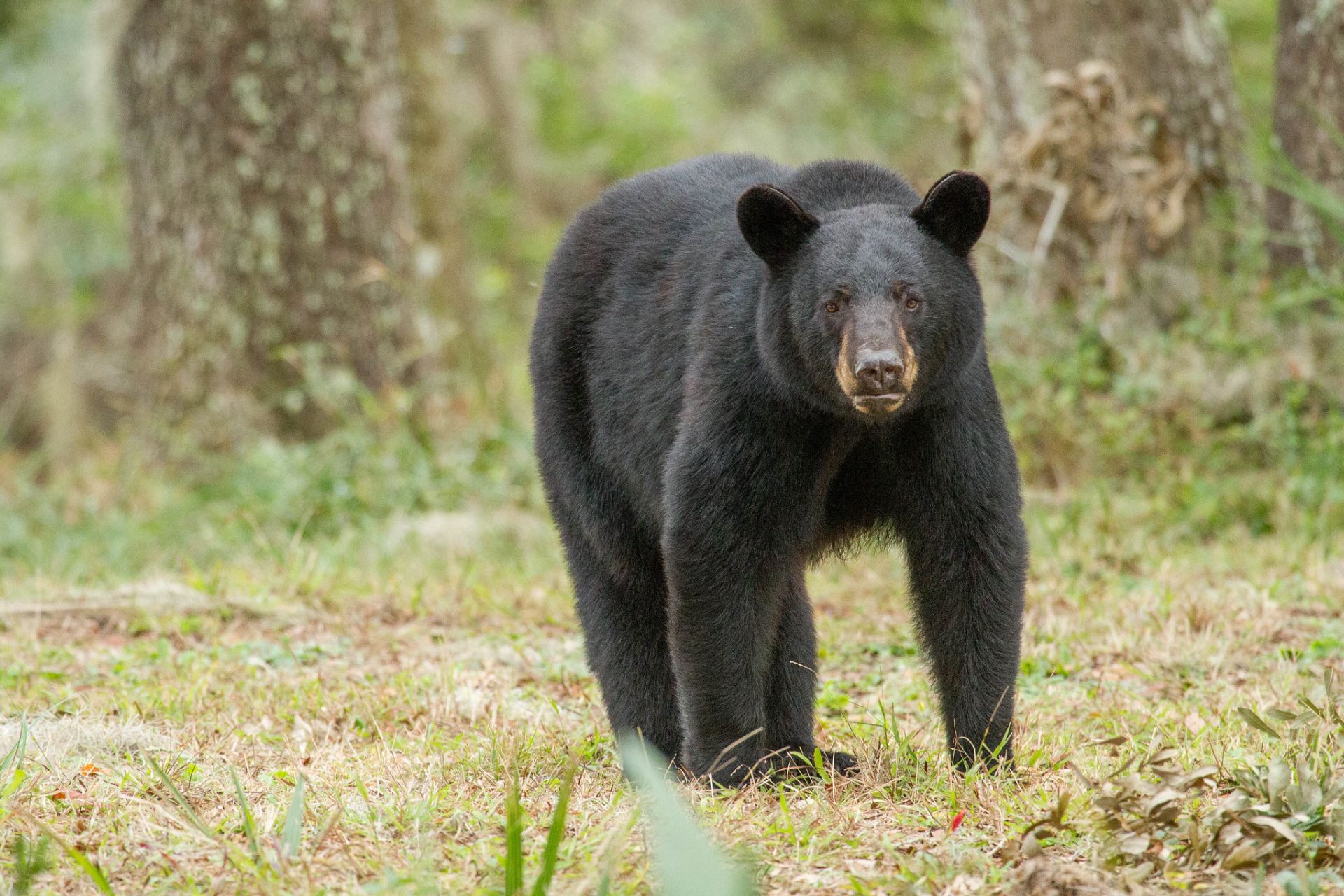
The Florida black bear is the only bear species found in the state and is a subspecies of the American black bear. They are typically smaller than their northern counterparts, with sleek black fur and often a tan muzzle. Their recovery is a point of pride for conservationists, transforming them from an endangered species to a stable population in just a few decades. This rebound is largely attributed to habitat protection, land acquisition, and public awareness campaigns spearheaded by organizations like the Florida Fish and Wildlife Conservation Commission (FWC).
These bears are not uniformly distributed across the state but concentrate in several large, connected tracts of habitat. These areas, primarily vast forests and wetlands, provide the necessary resources—food, water, and cover—for bears to thrive. Understanding their distribution helps tourists appreciate why encounters are more common in certain regions and underscores the importance of staying informed when planning a visit to these natural areas. Their presence signifies a healthy ecosystem, as bears are an indicator species, reflecting the overall ecological well-being of their habitat.
Bear Biology and Behavior Basics
Florida black bears are generally shy and reclusive animals. They are omnivores, with their diet consisting largely of nuts, berries, insects, and small animals. Unlike bears in colder climates, Florida bears do not truly hibernate due to the mild winters, though their activity may decrease during cooler months. They are crepuscular, meaning most active during dawn and dusk, which are prime times for potential sightings but also for exercising extra caution.
Understanding basic bear behavior is crucial for any tourist venturing into bear country. Bears are primarily driven by food. If they associate humans with an easy meal, they can become habituated, leading to conflicts. Female bears, or sows, with cubs are particularly protective and should always be given a wide berth. Recognizing signs of bear presence, such as scat, tracks, or overturned logs, can enhance a wildlife viewing experience while also serving as a reminder to be vigilant and respectful of their territory. Their natural curiosity, combined with an acute sense of smell, means that any improperly stored food or garbage can quickly attract them, turning an otherwise peaceful outing into a potentially risky situation.
Where to Potentially Spot Bears (Responsibly) in Florida
While the thought of seeing a bear in the wild can be thrilling, it’s paramount to approach such opportunities with respect for wildlife and the environment. Florida offers several prime locations where bears are known to roam, providing a chance for responsible viewing.
Prime Natural Habitats and Parks
The majority of Florida’s black bears live in expansive, protected areas that serve as crucial wildlife corridors. These include:
- Ocala National Forest: Located in central Florida, this forest is home to one of the largest bear populations in the state. Its vast pine forests, cypress swamps, and springs offer ideal bear habitat. Visitors hiking or camping here are advised to be especially bear aware.
- Big Cypress National Preserve: Adjoining Everglades National Park in southwest Florida, Big Cypress is a mosaic of swamps, pinelands, and prairies where bears can be found alongside panthers and alligators. Its remote nature makes it an excellent, albeit rugged, location for wildlife observation.
- Apalachicola National Forest: Situated in the Florida Panhandle, this is the largest national forest in Florida and provides extensive habitat for black bears. It’s a less-traveled gem for those seeking solitude and nature immersion.
- Black Bear Wilderness Area: Near Orlando, this protected area is a testament to urban growth meeting wilderness. While actual bear sightings might be rare due to their elusive nature, it’s a prime example of habitat conservation in a more developed region and offers excellent hiking.
When visiting these areas, always stay on marked trails, adhere to all park regulations, and never attempt to approach or feed a bear. Utilizing binoculars or a telephoto lens is the safest and most respectful way to observe wildlife from a distance. Early mornings and late evenings are generally the best times for spotting wildlife, including bears, when they are most active.
The Role of Wildlife Sanctuaries and Education Centers
For those who prefer a guaranteed and safe viewing experience, or wish to learn more about Florida’s bears without venturing into their wild habitats, wildlife sanctuaries and educational centers offer invaluable opportunities. While some sanctuaries primarily focus on rehabilitation and release, others provide permanent homes for non-releasable bears, often due to injuries or habituation to humans.
These facilities serve a critical role in educating the public about bear conservation, behavior, and safety. Visitors can often observe bears in naturalistic enclosures and learn directly from experts about the challenges and successes of bear management in Florida. While not the same as a wild encounter, these centers foster appreciation and understanding, which are vital components of responsible tourism. Examples might include local nature centers or specific wildlife rescue operations that include educational programs on Florida black bears, though dedicated ‘bear parks’ are less common than general wildlife refuges. Such centers emphasize the importance of human-bear coexistence and provide practical tips for visitors to apply in the wild.
Essential Bear Safety Tips for Florida Tourists
Encountering a bear in the wild is a rare but possible experience in Florida’s natural areas. Knowing how to act responsibly and safely is paramount for both your well-being and the bear’s.
Securing Food and Waste

The number one rule for bear safety revolves around food. Bears have an incredibly keen sense of smell, and they are opportunistic feeders. Human food and garbage are extremely attractive to them, and once a bear associates humans with an easy meal, it can become habituated, leading to potentially dangerous encounters.
- Never feed bears: This cannot be stressed enough. Feeding bears, directly or indirectly, teaches them to approach humans for food, which is detrimental to their natural foraging behavior and often leads to the bear being euthanized.
- Store food properly: When camping or picnicking in bear country, keep all food, scented items (like toiletries), and garbage in bear-resistant containers, locked vehicles, or suspended from a tree limb at least 10 feet off the ground and 4 feet from the trunk. Never leave food unattended, even for a short period.
- Dispose of waste responsibly: Pack out all garbage, or use bear-resistant dumpsters and trash cans provided in parks. Do not bury food scraps, as bears will easily dig them up.
- Cleanliness is key: Clean grills, cooking utensils, and food preparation areas thoroughly after use to eliminate lingering odors.
By rigorously managing food and waste, tourists play a direct role in preventing human-bear conflicts, allowing bears to remain wild and forage naturally.
What to Do in an Encounter
While black bear attacks are extremely rare, knowing how to react during an unexpected encounter is crucial.
- Remain calm: Do not run. Running can trigger a bear’s chase instinct.
- Make yourself look big: Stand your ground, wave your arms, and make noise. Shout, clap, or bang pots and pans if available. The goal is to make the bear realize you are human and not a potential food source.
- Back away slowly: Give the bear space to leave. Avoid direct eye contact, as this can be perceived as a challenge.
- Do not approach cubs: If you see cubs, assume the mother is nearby and be especially cautious. Never get between a sow and her cubs.
- Fight back if attacked: If a black bear does attack, fight back with everything you have. Use any object available to defend yourself. This differs from advice for grizzly bear encounters, where playing dead is often recommended.
Carrying bear spray is an option for experienced backcountry users, but proper training is essential for its effective and safe use. The best defense, however, is prevention and awareness.
Protecting Your Pets
Pets, particularly dogs, can provoke bears and exacerbate encounters. Dogs should always be kept on a leash in bear country, not only to protect them from bears but also to prevent them from chasing or harassing other wildlife. Secure pet food indoors or in bear-resistant containers, just like human food. Never leave pets unattended outdoors, especially overnight, in areas known for bear activity. A barking dog can alert you to a bear’s presence, but an off-leash dog might inadvertently lead a bear back to you or directly into conflict.
The Broader Impact of Tourism on Florida’s Bears
Tourism is a double-edged sword for wildlife. While it can bring economic benefits and raise awareness, it also carries the potential for disruption and harm if not managed responsibly. For Florida’s black bears, conscious tourism is critical to their long-term survival.
Promoting Coexistence Through Education
Educating tourists is perhaps the most powerful tool in promoting human-bear coexistence. When visitors understand bear behavior, habitat needs, and the importance of preventing habituation, they become part of the solution rather than contributing to the problem. Public awareness campaigns, signage in parks, and educational programs at visitor centers play a vital role in informing both residents and tourists about living with bears.
Responsible tourism actively contributes to this educational process. By following guidelines, reporting sightings (especially problem bears), and sharing knowledge, tourists help reinforce the message that Florida’s wild spaces are shared spaces. This collective effort ensures that the unique opportunity to see bears in their natural habitat remains available for future generations, fostering a deeper connection to Florida’s natural ecosystems.
Supporting Conservation Efforts
Sustainable tourism can directly and indirectly support bear conservation. When tourists visit national forests, state parks, or wildlife management areas, entrance fees often go towards maintenance, habitat preservation, and wildlife research. Purchasing permits for activities like camping or hiking in these areas also channels funds back into the resources that support bear populations.
Furthermore, tourists who develop an appreciation for Florida’s wildlife are more likely to support conservation organizations through donations or advocacy. Organizations like the Florida Fish and Wildlife Conservation Commission (FWC) rely on public support and responsible behavior to manage and protect species like the black bear. Choosing eco-friendly tour operators or accommodations that prioritize environmental sustainability can also have a positive impact, ensuring that tourist dollars contribute to the long-term health of Florida’s natural environment, including its bear habitats.
Experiencing Florida’s Natural Beauty Beyond Bears
While the presence of black bears adds an exciting dimension to Florida’s natural offerings, the state’s biodiversity extends far beyond these magnificent mammals. A trip focused on responsible tourism can unlock a wealth of other unique wildlife and natural experiences.
A Diverse Ecosystem Awaits
Florida’s unique geography, from its vast coastline to its interior wetlands and forests, supports an incredible array of flora and fauna. Tourists can complement their bear awareness with exploration of:
- Wetlands and Everglades National Park: Home to alligators, crocodiles, wading birds, and the elusive Florida panther. Airboat tours, kayaking, and hiking trails offer unparalleled opportunities to witness this unique ecosystem.
- Springs and Rivers: Florida’s crystal-clear freshwater springs are havens for manatees, especially in cooler months, and offer fantastic opportunities for swimming, snorkeling, and paddleboarding. Rivers wind through lush landscapes, providing habitats for diverse bird species and freshwater fish.
- Coastal Areas: Beyond the popular beaches of Miami or Tampa, Florida’s coasts are critical nesting sites for sea turtles and host vibrant marine life, including dolphins, various fish, and shorebirds. Kayaking through mangrove tunnels or visiting coastal preserves can reveal a different side of Florida’s’s wildlife.
Embracing these diverse natural attractions with the same principles of respect and responsibility applied to bear country enriches the overall tourism experience. It fosters an appreciation for the interconnectedness of Florida’s ecosystems and highlights the importance of preserving these natural treasures for future generations of both wildlife and human visitors.
In conclusion, the answer to “Are there bears in Florida?” is an emphatic yes, and their presence adds a thrilling, wild dimension to the state’s tourism landscape. By understanding where bears live, practicing diligent safety measures, and supporting conservation, tourists can enjoy Florida’s’s natural wonders responsibly. This approach not only ensures personal safety but also contributes significantly to the ongoing success of black bear conservation, allowing these magnificent creatures to thrive alongside a growing human population. A visit to Florida can, therefore, be much more than just a beach holiday—it can be an insightful journey into a vibrant and wild ecosystem.
LifeOutOfTheBox is a participant in the Amazon Services LLC Associates Program, an affiliate advertising program designed to provide a means for sites to earn advertising fees by advertising and linking to Amazon.com. Amazon, the Amazon logo, AmazonSupply, and the AmazonSupply logo are trademarks of Amazon.com, Inc. or its affiliates. As an Amazon Associate we earn affiliate commissions from qualifying purchases.