
For many travelers, the allure of the Sunshine State is irresistible. Florida promises pristine beaches, vibrant cities, and unparalleled theme park adventures. However, for those planning a visit, a common and very sensible question often arises: “Are there hurricanes in Florida?” The straightforward answer is yes, Florida is indeed susceptible to hurricanes. As a peninsula bordered by the Atlantic Ocean to the east and the Gulf of Mexico to the west, it sits squarely in one of the most active hurricane basins in the world. But understanding this natural phenomenon shouldn’t deter your travel plans; instead, it should empower you to plan wisely, stay informed, and enjoy a safe and memorable trip. This comprehensive guide will delve into what travelers need to know about hurricanes in Florida, offering insights and actionable advice to navigate your journey with confidence.

Understanding Florida’s Hurricane Season
To travel intelligently and responsibly, it’s crucial to first grasp the fundamentals of Florida’s hurricane season. Knowing when it occurs, what a hurricane entails, and why the state is particularly vulnerable can significantly enhance your travel planning.
When is Hurricane Season?
Officially, the Atlantic hurricane season runs from June 1st to November 30th each year. While storms can occur outside this window, the vast majority form and impact land during these six months. The peak of the season typically falls between mid-August and late October, with September often being the most active month for hurricane activity. This means that popular travel times, such as summer vacations and early autumn getaways, coincide with the period of highest risk. It’s a critical timeframe for any traveler to Florida to be particularly vigilant.
What is a Hurricane?
A hurricane is a type of tropical cyclone, a rapidly rotating storm system characterized by a low-pressure center, strong winds, and a spiral arrangement of thunderstorms that produce heavy rain. They form over warm ocean waters and are fueled by the latent heat released when moist air rises and condenses. The intensity of a hurricane is measured on the Saffir-Simpson Hurricane Wind Scale, which categorizes storms from Category 1 (minimum sustained winds of 74-95 mph) to Category 5 (sustained winds of 157 mph or higher). Beyond wind, hurricanes bring with them other significant threats, including:
- Storm Surge: An abnormal rise of water generated by a storm, over and above the predicted astronomical tides. This is often the deadliest aspect of a hurricane for coastal areas.
- Heavy Rainfall: Leading to widespread inland flooding, even far from the coast.
- Tornadoes: Often associated with the outer bands of a hurricane, these can cause localized damage.
Understanding these elements helps travelers appreciate the multifaceted nature of the threat and the importance of official advisories.
Why Florida?
Florida’s geographical location makes it exceptionally prone to hurricane activity. Its peninsular shape extends deep into tropical and subtropical waters, placing it in the direct path of storms developing in the Atlantic Ocean and the Gulf of Mexico. The warm waters surrounding Florida provide the necessary energy for hurricanes to form and strengthen. Additionally, the relatively flat topography of much of the state, particularly its extensive coastline, makes it vulnerable to storm surge and widespread flooding. This combination of factors ensures that Florida consistently ranks among the states most frequently impacted by tropical cyclones.
Navigating Travel During Hurricane Season
While the potential for hurricanes is a reality, it doesn’t mean you should avoid Florida during hurricane season. Many travelers visit safely and enjoyably. The key lies in proactive planning and staying informed.
Is it Safe to Travel?
Yes, it can be absolutely safe to travel to Florida during hurricane season, provided you exercise caution and stay updated on weather forecasts. In fact, traveling during these months can sometimes offer advantages, such as fewer crowds and potentially lower prices for flights and accommodations, particularly outside the immediate peak summer period. The critical aspect is to monitor weather developments closely, especially as your travel date approaches and during your stay. Modern forecasting technologies provide ample warning, often several days in advance, allowing for adjustments to travel plans if a storm poses a direct threat. The decision to travel ultimately rests on your personal comfort level and preparedness.
Essential Preparation Tips for Travelers
Being prepared is your best defense against hurricane-related travel disruptions. Here are crucial tips for travelers:
- Purchase Travel Insurance: This is perhaps the most important step. Look for policies that cover trip cancellation or interruption due to severe weather events like hurricanes. Read the fine print carefully to understand what is covered and under what circumstances.
- Book Flexible Accommodations and Flights: Whenever possible, choose airlines and hotels that offer flexible change or cancellation policies. This can save you significant money and stress if you need to alter your plans last-minute.
- Stay Informed: Follow reputable weather sources, such as the National Hurricane Center (NHC) and local news outlets. Download weather apps that provide real-time updates and alerts. Pay attention to tropical storm watches and warnings, and hurricane watches and warnings.
- Have an Emergency Kit: While you might not carry a full emergency kit on vacation, it’s wise to have essentials easily accessible: copies of important documents, a portable charger for your phone, any necessary medications, and enough cash for a few days (ATMs may be out of service).
- Know Your Accommodation’s Policies: Understand your hotel or resort’s hurricane preparedness plan. Ask about their evacuation procedures, if they have generators, and how they will communicate with guests during a storm.
- Share Your Itinerary: Let family or friends know your travel plans and how to reach you.
Understanding Evacuation Orders

In the event of an approaching hurricane, state and local authorities may issue evacuation orders. These are serious directives designed to protect lives and must be taken extremely seriously.
- Know Your Zone: If you’re staying in a coastal area, understand if your accommodation is in an evacuation zone. Local emergency management websites often provide interactive maps for this purpose.
- Heed All Warnings: Do not wait until the last minute to evacuate. Roads can become congested, and essential services may shut down. Follow the instructions of local officials immediately.
- Plan Your Route: If an evacuation seems possible, identify potential evacuation routes and alternative destinations inland.
Popular Florida Destinations and Hurricane Impact
Different parts of Florida can experience varying levels of hurricane impact. Understanding these nuances can help you choose your destination or prepare more effectively.
Coastal vs. Inland Risks
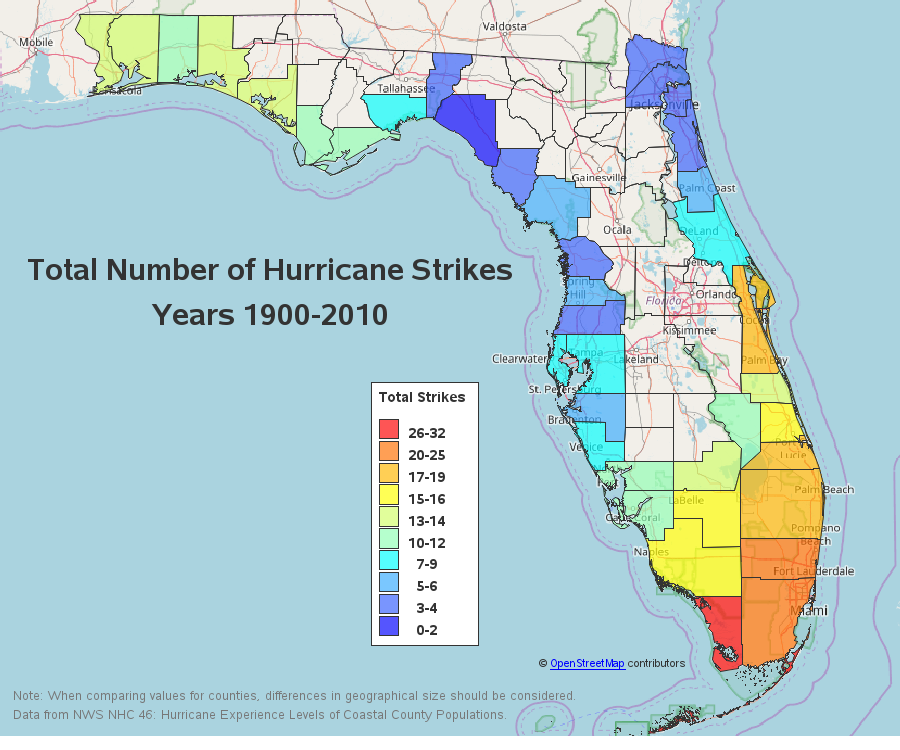
Generally, coastal areas face the highest risks from hurricanes, primarily due to storm surge, beach erosion, and direct wind damage. Cities like Miami, located directly on the Atlantic coast, are highly vulnerable. Similarly, the Florida Keys, a string of islands extending into the ocean, are exceptionally exposed and frequently subject to mandatory evacuations during significant storm threats. The Panhandle region, along the Gulf of Mexico, also faces substantial threats from both surge and wind.
Inland areas, such as Orlando (home to major theme parks), are less directly impacted by storm surge but are still susceptible to heavy rainfall, leading to freshwater flooding, strong winds, and power outages. While not immune, the risks are generally different and often less severe than those faced by coastal communities. Travelers to inland destinations should still prepare for heavy rain, potential wind damage, and possible temporary closures of attractions.
Historical Context and Resilience
Florida has a long history of dealing with hurricanes. Over decades, the state has developed robust emergency management systems, improved building codes, and effective communication strategies. Florida’s communities and infrastructure are built with resilience in mind. While major storms can cause significant damage and disruption, the state’s recovery efforts are often swift and efficient, aided by state resources and federal agencies like FEMA. This doesn’t negate the danger but highlights the state’s experience in managing and recovering from these natural events.
Specific Regional Considerations
- Florida Keys: As an island chain, the Florida Keys are particularly vulnerable to being cut off during severe weather. Evacuations are often mandatory and ordered early. Travel here during peak hurricane season requires a high level of vigilance and flexibility.
- South Florida (e.g., Miami, Fort Lauderdale): These dense urban coastal areas face challenges with high populations, intricate infrastructure, and extensive waterfront properties. Evacuation planning here is complex.
- Panhandle (e.g., Destin, Panama City Beach): This region has been directly hit by powerful hurricanes in recent years. Its vulnerability to the Gulf of Mexico makes storm surge a primary concern.
Post-Hurricane Travel and Recovery
Even after a hurricane has passed, its effects can linger. Travelers looking to visit Florida in the aftermath of a storm need to consider various factors.
When to Rebook/Revisit
If a hurricane impacts your travel plans, patience is key. Do not attempt to travel to an affected area immediately after a storm.
- Wait for the “All Clear”: Authorities will issue official statements when it is safe to return or visit. This is crucial for your safety and to avoid impeding recovery efforts.
- Check Local Conditions: Even after an “all clear,” specific areas may still be without power, water, or essential services. Roads might be damaged or blocked. Contact your accommodation provider directly to confirm their operational status. Check local tourism board websites for updates on attractions and infrastructure.
- Be Patient with Recovery: Large-scale recovery takes time. Be prepared for potential closures, limited services, and visible damage, especially in hard-hit areas.
Supporting Local Tourism
For those who wish to visit Florida after a storm, your tourism dollars can play a vital role in recovery.
- Support Local Businesses: Choose locally owned restaurants, shops, and tour operators. Your patronage helps these businesses rebuild and sustain the local economy.
- Volunteer (If Appropriate): If you have specific skills and are willing to commit time, reputable relief organizations often welcome volunteers after the initial emergency phase. However, for most tourists, simply visiting and spending responsibly is the best way to help.
- Respect Recovery Efforts: Understand that local communities will be focused on rebuilding. Be flexible, patient, and appreciative of the efforts of residents and workers.
In conclusion, yes, hurricanes are a part of Florida’s natural environment. However, with modern forecasting, robust infrastructure, and a proactive approach to travel planning, their presence does not need to overshadow the countless delights the state offers. By understanding hurricane season, preparing diligently, and staying informed, travelers can confidently experience the magic of Florida, ensuring their trip is both safe and unforgettable. Embrace responsible travel, and the Sunshine State will undoubtedly shine brightly for you.
LifeOutOfTheBox is a participant in the Amazon Services LLC Associates Program, an affiliate advertising program designed to provide a means for sites to earn advertising fees by advertising and linking to Amazon.com. Amazon, the Amazon logo, AmazonSupply, and the AmazonSupply logo are trademarks of Amazon.com, Inc. or its affiliates. As an Amazon Associate we earn affiliate commissions from qualifying purchases.