
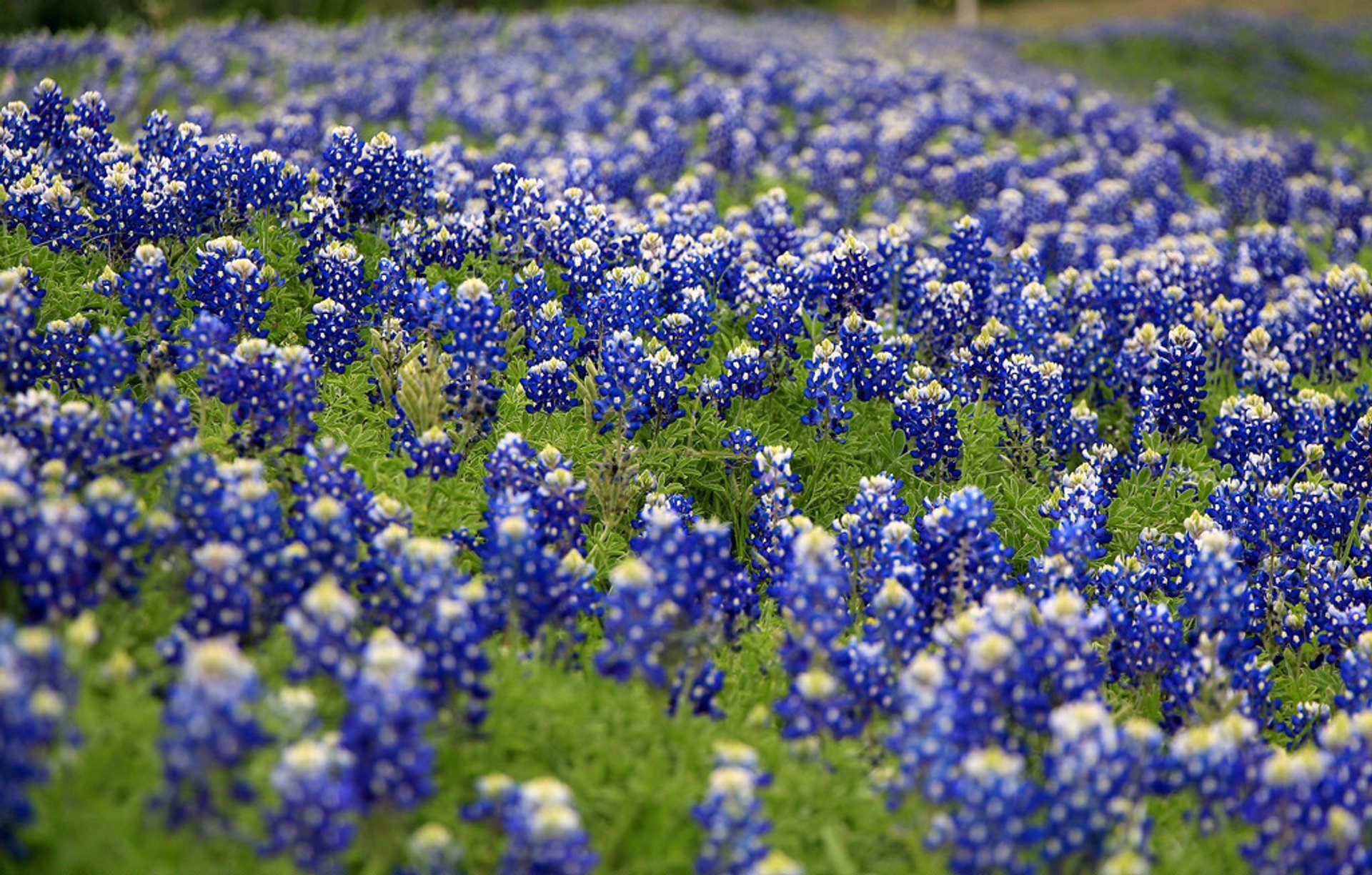
Few natural spectacles capture the heart and soul of a state quite like the annual bloom of the Texas Bluebonnets. These vibrant azure carpets, officially the state flower, signal the arrival of spring and transform the diverse landscapes of the Lone Star State into breathtaking canvases of color. For travelers and nature enthusiasts alike, witnessing this iconic floral display is a quintessential Texas experience, prompting the perennial question: “When exactly do the bluebonnets bloom?” Understanding the timing and nuances of this natural phenomenon is key to planning an unforgettable journey.
The Ephemeral Beauty of Texas Bluebonnets
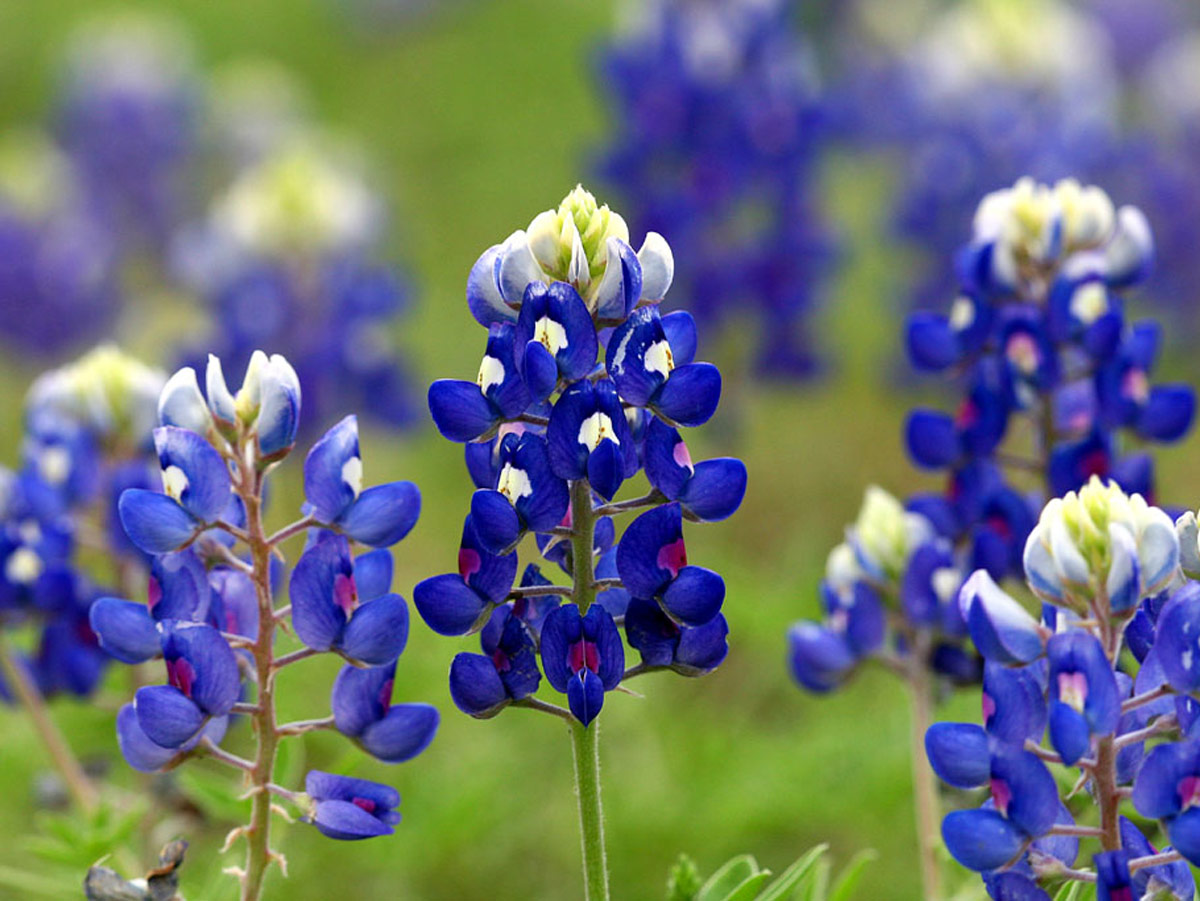
The bluebonnets, primarily Lupinus texensis and Lupinus subcarnosus, are not just beautiful flowers; they are deeply woven into the cultural fabric and ecological identity of Texas. Their annual appearance is a celebrated event, drawing visitors from across the globe eager to capture their beauty.
Understanding the Bluebonnet Season
The bluebonnet blooming season in Texas is relatively fleeting, typically spanning from early March to late April, sometimes extending into May, depending on specific conditions. This window, while seemingly broad, is highly dependent on geographical location within the state and the year’s particular weather patterns. Generally, the bloom begins in South Texas and gradually progresses northward, peaking at different times across the various regions.
For instance, the earliest blooms can often be spotted in the southernmost parts of the state in late February or early March. By mid-March to early April, the famed Texas Hill Country usually bursts into its most spectacular display. As April progresses, the bluebonnets move further north and east, gracing areas like Dallas-Fort Worth and East Texas before the season gracefully concludes.
Factors Influencing Bloom Times
Predicting the exact peak bloom can be akin to forecasting the weather itself, as several environmental factors play a crucial role:
- Winter Rainfall: Adequate rainfall during the preceding fall and winter months is paramount. A wet winter typically leads to a more robust and widespread bloom. Drought conditions, conversely, can result in a sparser display.
- Spring Temperatures: Mild, consistent spring temperatures encourage steady growth and flowering. Sudden freezes or unusually hot spells can impact the timing and longevity of the bloom.
- Sunlight: Bluebonnets thrive in full sun. Fields and hillsides with ample exposure to sunlight tend to produce more prolific displays.
- Soil Conditions: Well-drained, slightly alkaline soils are ideal for bluebonnets. The specific soil composition in different regions of Texas also influences their growth.
Given these variables, local Texas tourism boards, wildflower organizations, and even dedicated “bluebonnet watch” websites often provide real-time updates as the season approaches and unfolds, becoming invaluable resources for travelers.
The Cultural Significance of Bluebonnets
More than just a pretty flower, the bluebonnet holds a special place in the hearts of Texans. Designated as the state flower in 1901, it symbolizes the resilient spirit and natural beauty of Texas. The sight of a field awash in bluebonnets evokes a sense of pride and nostalgia, making it a beloved subject for photographers, artists, and families taking their annual spring portraits. The flower’s namesake is often attributed to the shape of its petals, which resemble the bonnets worn by pioneer women, further cementing its historical and cultural ties to the state.
Prime Locations for Bluebonnet Viewing
While bluebonnets can be found almost anywhere in Texas if conditions are right, certain regions are renowned for their consistently spectacular displays. Planning your travel around these hotspots ensures the best chance of witnessing the true grandeur of the bloom.
The Texas Hill Country: A Bluebonnet Haven
Undoubtedly the most famous destination for bluebonnets, the Texas Hill Country transforms into a kaleidoscope of colors each spring. Towns like Fredericksburg, Burnet (dubbed the “Bluebonnet Capital of Texas”), Llano, Mason, and Marble Falls become central hubs for wildflower enthusiasts. Scenic drives along Ranch Roads and State Highways here offer endless photo opportunities.
- Fredericksburg Area: Beyond its German heritage and wine country, Fredericksburg boasts numerous fields, particularly along US-290 West. Wildseed Farms, the largest working wild seed farm in the United States, is a must-visit, offering cultivated fields of bluebonnets and other wildflowers.
- Burnet Trails: Burnet hosts an annual Bluebonnet Festival in April and offers several designated scenic routes like the “Bluebonnet Trail,” which guides visitors through some of the most stunning fields.
- Willow City Loop: A legendary 13-mile scenic drive north of Fredericksburg, the Willow City Loop is often cited as the pinnacle of bluebonnet viewing, winding through private ranches where bluebonnets often blanket the fields and roadside.
East Texas Trails and Fields
While the Hill Country gets much of the fame, East Texas also offers incredible bluebonnet displays, often a bit later in the season. The area around Ennis is particularly notable.
- Ennis Bluebonnet Trails: Ennis is officially recognized by the Texas Legislature as the “Official Bluebonnet City of Texas.” They maintain over 40 miles of mapped bluebonnet trails, updated weekly by the Ennis Garden Club during the bloom. The Ennis Bluebonnet Festival is another major event.
- Washington County and Chappell Hill: This historic region, known as the birthplace of Texas, also boasts beautiful bluebonnet fields, especially around Washington-on-the-Brazos State Historic Site and the quaint town of Chappell Hill.
Urban Escapes: Bluebonnets in the City
Even in major metropolitan areas, bluebonnets find a way to bloom, offering convenient viewing for urban dwellers and travelers passing through.
- Austin: The state capital often has impressive bluebonnet patches along highways like Mopac (Loop 1) and Capital of Texas Highway (Loop 360). The Lady Bird Johnson Wildflower Center is an excellent place to see not only bluebonnets but also a vast array of other Texas wildflowers in a cultivated setting.
- Dallas/Fort Worth: While less concentrated than the Hill Country, areas like Arlington‘s River Legacy Parks or roadside patches along major arteries can offer delightful surprises.
Lesser-Known Bluebonnet Hotspots
For those seeking to avoid crowds, exploring less-traveled paths can yield equally rewarding views. The region west of San Antonio towards Bandera, or pockets around Houston like Brazos Bend State Park, can offer more serene bluebonnet experiences. Remember, the beauty of bluebonnets is their widespread nature; they can pop up in the most unexpected places.
Planning Your Bluebonnet Road Trip
A bluebonnet quest is typically a road trip, offering the flexibility to chase the blooms as they unfold across the state. Careful planning can significantly enhance your experience.
Best Time to Visit: Timing is Everything
As established, the peak bluebonnet season usually runs from mid-March through mid-April, though this can shift. To pinpoint the ideal time, consult:
- Texas Department of Transportation (TxDOT) Wildflower Reports: TxDOT is instrumental in managing Texas’ roadside wildflower program and often provides updates.
- Local Tourism Bureaus: Websites for cities like Fredericksburg, Burnet, and Ennis are excellent sources for real-time bloom conditions and event schedules.
- Social Media: Follow local Texas travel accounts and hashtags like #TexasBluebonnets for user-generated updates.
Aim for a weekday visit if possible to avoid weekend crowds, especially in popular Hill Country spots. Early mornings and late afternoons offer the best light for photography and generally fewer people.
Essential Gear for Your Bluebonnet Adventure
Packing appropriately ensures comfort and the best possible experience:
- Camera Gear: A good camera (smartphone or DSLR), extra batteries, and perhaps a tripod for stunning landscape shots.
- Comfortable Shoes: You’ll likely be doing some walking to find the perfect patch.
- Sun Protection: Hat, sunglasses, and sunscreen are crucial, even on cloudy spring days.
- Water and Snacks: Especially if you’re venturing into more remote areas, staying hydrated is important.
- Maps/GPS: While following bluebonnet trails, cell service can be spotty in some rural areas, so a downloaded map or physical map is a good backup.
Respecting Nature: Etiquette for Viewing
To preserve the beauty of bluebonnets for future generations and ensure your safety, remember these guidelines:
- Stay on Designated Paths: Do not trample flowers. Many bluebonnet fields are on private land; respect “No Trespassing” signs. Even on public land, avoid walking through dense patches to prevent damaging the plants.
- Watch for Wildlife: Bluebonnets provide habitat for various creatures, including snakes and insects. Always be aware of your surroundings.
- Leave No Trace: Pack out everything you pack in. Do not pick the flowers; picking bluebonnets is generally not illegal, but it prevents reseeding and diminishes the beauty for others. Moreover, it’s considered poor etiquette.
- Park Safely: Pull completely off the road when stopping to view or photograph bluebonnets, ensuring you don’t obstruct traffic or create a hazard.
Combining Bluebonnets with Other Texas Attractions
A bluebonnet trip doesn’t have to be just about the flowers. Texas offers a wealth of attractions that can easily be woven into your itinerary. In the Hill Country, consider visiting local wineries or exploring the historic Main Street of Fredericksburg. Near Austin, enjoy live music or explore the State Capitol. In East Texas, delve into the state’s rich history at sites like Washington-on-the-Brazos.
Beyond the Bloom: Making the Most of Your Texas Visit
While the bluebonnets are the star, the spring season in Texas is vibrant with various other activities and experiences that complement a wildflower tour.
Local Festivals and Events
Several towns host spring festivals that coincide with the bluebonnet bloom. The aforementioned Burnet Bluebonnet Festival and Ennis Bluebonnet Festival are prime examples, featuring parades, live music, craft vendors, and local food, providing a deeper dive into Texas culture. Check local tourism calendars for events in the areas you plan to visit.
Culinary Delights of Texas
No trip to Texas is complete without indulging in its legendary cuisine. From authentic Texas barbecue in small-town joints to sophisticated farm-to-table dining in Austin or Houston, your taste buds are in for a treat. The Hill Country is also a burgeoning wine region, offering tastings and tours at numerous vineyards.
Nearby Attractions and Activities
Consider extending your trip to explore other Texas treasures:
- State Parks: Texas is home to an extensive network of state parks, offering hiking, camping, fishing, and opportunities to see more native flora and fauna.
- Historic Sites: Delve into Texas history at the Alamo in San Antonio, or explore the historic missions that dot the landscape.
- Quaint Towns: Discover charming small towns with unique shops, art galleries, and local eateries that dot the bluebonnet trails.
Accommodation Options for Bluebonnet Seekers
To fully immerse yourself in the bluebonnet experience, consider a range of accommodation options:
- Boutique Hotels and B&Bs: In towns like Fredericksburg or Chappell Hill, charming bed and breakfasts offer a personalized stay.
- Ranch Stays: Experience authentic Texas hospitality by staying at a guest ranch in the Hill Country.
- Camping: For the adventurous, many state parks and private campgrounds offer sites amidst beautiful natural settings, sometimes even with bluebonnet views.
- Chain Hotels: Major cities and larger towns offer a full range of chain hotels for those preferring familiar comforts.
Booking well in advance is highly recommended, especially for peak season weekends, as accommodations fill up quickly due to the popularity of bluebonnet season.
Frequently Asked Questions About Bluebonnets
To help you plan your trip, here are answers to some common inquiries about Texas bluebonnets.
How long do bluebonnets bloom?
A single bluebonnet plant can bloom for several weeks, but the peak ‘carpet’ effect in a large field typically lasts for a shorter period, usually about two to three weeks in any given location. The overall bluebonnet season for the entire state, moving from south to north, lasts about two months.
Are bluebonnets protected?
While bluebonnets are the state flower, they are not legally protected in the sense that it’s illegal to pick them. However, picking them is highly discouraged for ecological reasons. Each flower head contains seeds that contribute to next year’s bloom. Additionally, many prime bluebonnet viewing areas are on private property, making trespassing and picking illegal.
Can I pick bluebonnets?
It is generally frowned upon and considered poor etiquette to pick bluebonnets. The plant needs its seeds to reproduce, and by picking the flowers, you are removing the potential for next year’s bloom. It’s best to leave them for everyone to enjoy and for the cycle of nature to continue.
What other wildflowers bloom with bluebonnets?
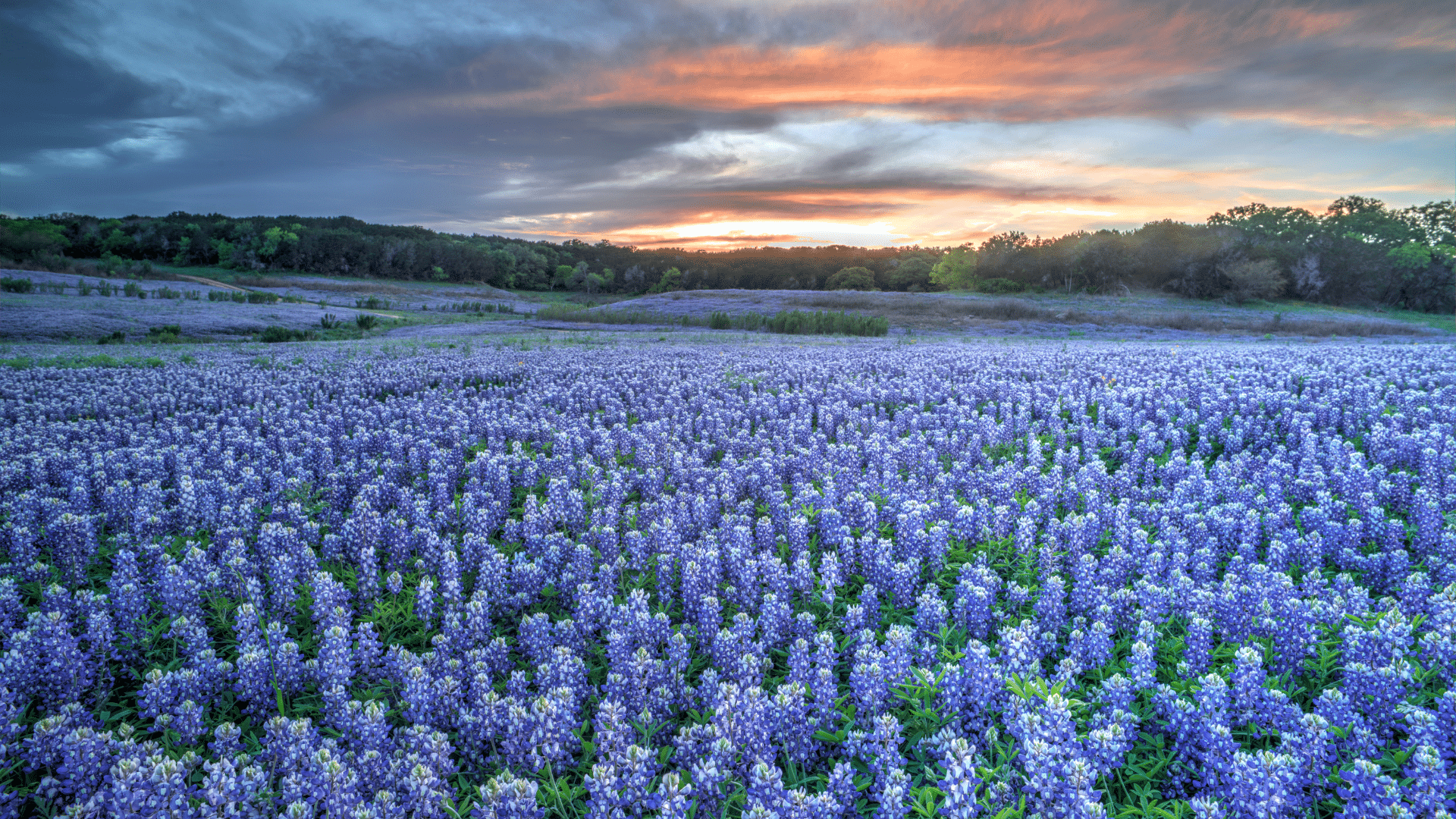
Bluebonnets are often accompanied by a stunning array of other Texas wildflowers, creating vibrant multi-colored displays. Common companions include bright red Indian Paintbrushes, yellow Evening Primroses, white and pink Phlox, various shades of Gaillardia (Indian Blanket), and purple Thistles. These complementary blooms add to the visual spectacle of the spring landscape.
In conclusion, the bluebonnet season in Texas is a fleeting, yet profoundly rewarding, travel experience. By understanding the bloom cycles, knowing where to go, and planning responsibly, you can immerse yourself in one of nature’s most spectacular displays and create memories that will last a lifetime. Safe travels, and happy bluebonnet hunting!
LifeOutOfTheBox is a participant in the Amazon Services LLC Associates Program, an affiliate advertising program designed to provide a means for sites to earn advertising fees by advertising and linking to Amazon.com. Amazon, the Amazon logo, AmazonSupply, and the AmazonSupply logo are trademarks of Amazon.com, Inc. or its affiliates. As an Amazon Associate we earn affiliate commissions from qualifying purchases.