
For anyone planning a trip to the Sunshine State, understanding the local financial landscape, particularly when it comes to everyday essentials like food, is crucial for effective budgeting and a smooth travel experience. Florida, renowned for its vibrant culture, stunning beaches, and world-class attractions, also operates under a specific sales tax structure that can sometimes be a little confusing for visitors. One of the most common questions tourists and new residents alike ask is, “Is there tax on food in Florida?” The answer, like many tax-related inquiries, is nuanced, depending largely on what kind of food you’re purchasing and where. This comprehensive guide aims to demystify Florida’s food tax policies, offering clarity and practical insights for anyone navigating the state’s diverse culinary scene.
Understanding Florida’s Sales Tax Landscape
At the heart of Florida’s revenue system is its sales tax, which applies to a broad range of goods and services. However, specific exemptions are in place, particularly concerning certain food items, which is where the confusion often arises.
The General Sales Tax Rate
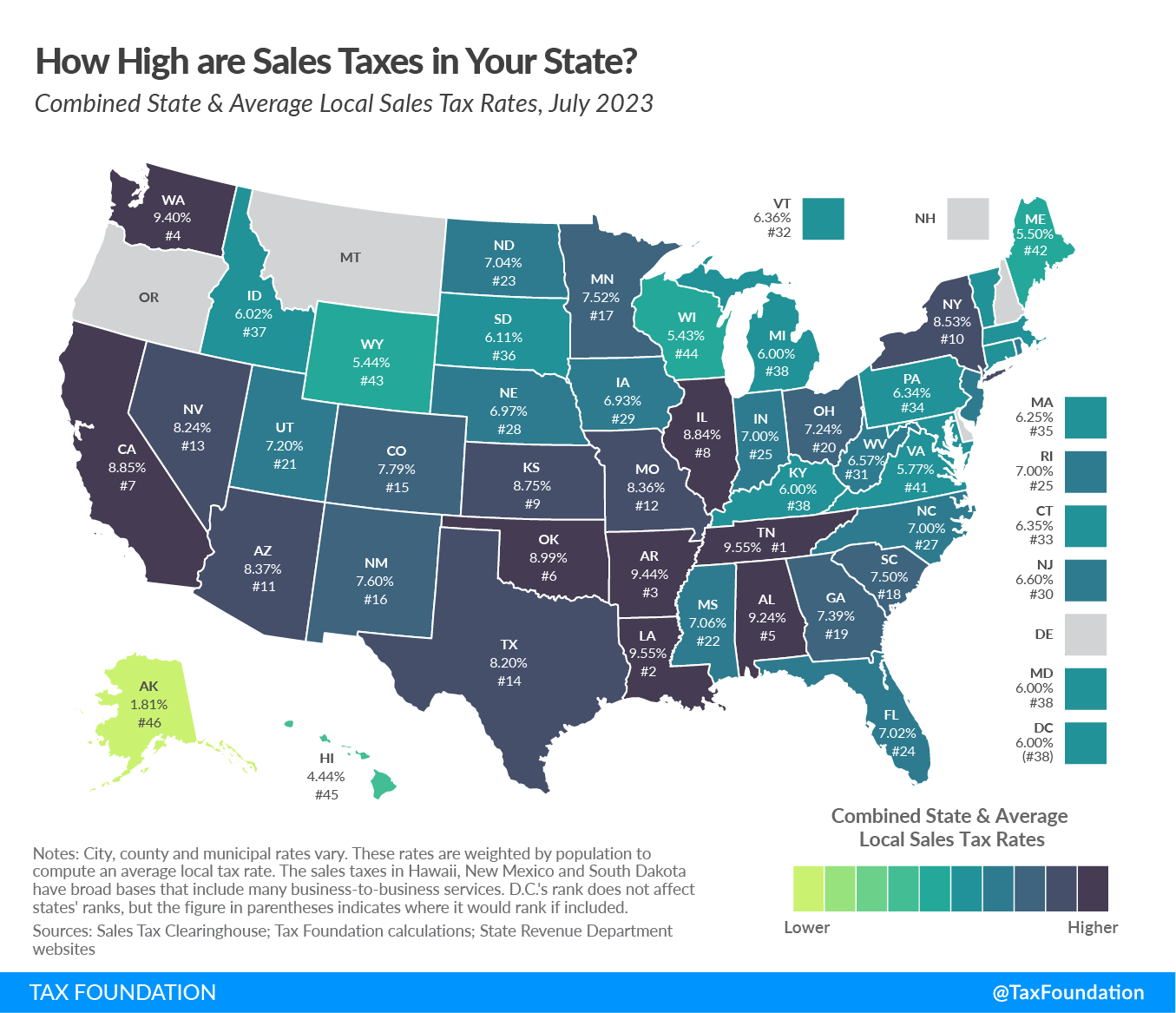
The statewide sales tax rate in Florida is 6%. However, many counties also levy an additional “discretionary sales surtax,” which means the total sales tax rate can vary slightly depending on the specific county you’re in. For instance, if you’re exploring the theme parks of Orlando in Orange County, you might pay a slightly higher combined sales tax than if you were shopping for groceries in a county with no surtax. This combined rate typically ranges from 6.5% to 8% across the state. It’s always a good idea to check the specific rate for your destination, whether it’s the bustling streets of Miami, the historic charm of St. Augustine, or the tranquil shores of the Gulf Coast. This base rate applies to most taxable goods and services, including, as we’ll see, certain categories of food.
Sales Tax Exemptions: What’s Untaxed?
Florida’s tax code provides specific exemptions to mitigate the impact on essential goods. Crucially, most unprepared food items sold in grocery stores are exempt from sales tax. This exemption is designed to ensure that basic foodstuffs remain affordable for residents and visitors alike. So, when you’re stocking up on fresh produce, meats, dairy, bread, and packaged goods at your local supermarket in Tampa or Jacksonville, you typically won’t see a sales tax added to these items at checkout. This distinction between “unprepared” and “prepared” food is fundamental to understanding Florida’s food tax policy. The underlying principle is to tax items that are considered luxuries or convenience services rather than necessities.
Groceries vs. Prepared Foods: A Crucial Distinction
The most significant factor determining whether food is taxed in Florida is its preparation status. This distinction creates clear lines between your supermarket haul and your restaurant bill.
The Scoop on Grocery Store Purchases
As mentioned, the vast majority of food items you purchase at a grocery store for at-home consumption are sales tax-exempt. This includes:
- Fresh produce: Fruits, vegetables, herbs.
- Meats and seafood: Raw cuts, poultry, fish.
- Dairy products: Milk, cheese, yogurt, eggs.
- Baked goods: Breads, rolls, cakes (unless consumed on-premises).
- Staples: Pasta, rice, cereals, cooking oils, spices.
- Beverages: Juices, soda, bottled water (non-alcoholic).
- Frozen foods: Uncooked pizzas, frozen vegetables, ice cream.
The key here is that these items are typically intended for preparation and consumption away from the point of sale. If you buy a whole chicken at a grocery store, it’s tax-exempt. If you buy a rotisserie chicken from the deli counter that’s hot and ready-to-eat, it usually isn’t. This subtle difference is where many people get confused. The intent is that you are buying ingredients to cook, not a meal already prepared for immediate consumption.
Dining Out: Expecting the Sales Tax
When you dine out at a restaurant, café, food truck, or any establishment where food is prepared and served for immediate consumption, sales tax will be applied. This includes everything from a quick breakfast at a diner near Walt Disney World Resort to a lavish dinner on South Beach. The sales tax rate applied will be the combined state and local discretionary surtax rate for that specific county.
This category includes:
- Restaurant meals: Sit-down or fast food, hot or cold.
- Buffets and salad bars.
- Snack bars and concession stands: Think popcorn at a movie theater or hot dogs at a stadium.
- Food sold by street vendors: If it’s prepared for immediate consumption.
- Beverages served with meals: Non-alcoholic drinks included.
The logic here is that you’re not just buying food, but also the service of its preparation, the use of the establishment’s facilities (if dining in), and the convenience of not having to cook it yourself. This applies whether you’re enjoying fresh seafood in Key West or experiencing the culinary delights of Epcot.
Takeout and Delivery: Where Does It Stand?
The rules for takeout and delivery often mirror those for dining in. If you order food from a restaurant or similar establishment for takeout or delivery, it is generally considered a “prepared food” item and will be subject to sales tax. This is because the food has been prepared for immediate consumption, regardless of where it’s eaten. Many online food delivery platforms clearly itemize these taxes, but it’s good to be aware that the tax is inherent to the transaction. So, whether you’re picking up a pizza or having groceries delivered from a service that also offers prepared meals, pay attention to the itemization. For instance, if you’re using a service to deliver groceries, the raw ingredients will likely be untaxed, while a pre-made sandwich from the same service will be taxed.
Beyond the Plate: Other Food-Related Taxes
While the primary focus is on sales tax, there are a couple of other considerations when it comes to food and drink in Florida that travelers should be aware of.
Alcoholic Beverages and Special Levies
In addition to the standard sales tax, alcoholic beverages in Florida are subject to excise taxes. These taxes are usually built into the price you pay at the store or bar but contribute to the overall cost. Whether you’re buying a bottle of wine at a liquor store, enjoying a craft beer at a brewery in St. Petersburg, or sipping a cocktail at a resort bar near Universal Studios Florida, the price will reflect these various levies. Unlike groceries, alcoholic beverages are always subject to sales tax, regardless of whether they are consumed on or off-premises.
Restaurant Service Charges and Tips
While not technically taxes levied by the state, service charges and tips are important financial considerations when dining out. Many establishments, particularly those catering to large groups or in high-traffic tourist areas, may include an automatic service charge (often 18-20%) on the bill. This charge is not a tax, but rather a mandatory gratuity. Sales tax is then applied to the total bill, including any mandatory service charges. Voluntary tips, given directly to waitstaff, are not subject to sales tax. Always review your bill carefully, especially in popular tourist destinations like Miami Beach or Naples, to understand what you’re paying for.
Practical Tips for Tourists Navigating Food Taxes in Florida
Understanding Florida’s food tax system can help you manage your travel budget more effectively and avoid surprises.
Budgeting for Meals and Groceries
Given the distinction, tourists have a clear strategy for managing food costs.
- Mix and Match: If you’re staying in accommodation with kitchen facilities (like a vacation rental in Kissimmee or a suite in Sarasota), consider buying groceries for breakfast, some lunches, and occasional dinners. This can significantly reduce your overall food expenditure as these items are untaxed. Enjoying meals out for specific experiences, rather than every meal, becomes a more budget-friendly approach.
- Factor in Sales Tax for Dining: When planning your budget for dining out, always add an extra 6-8% (depending on the county) to the menu prices to account for sales tax, plus an additional 15-20% for gratuity. This will give you a more accurate picture of the final cost.
- Look for Meal Deals: Many restaurants, especially in tourist hubs, offer early bird specials, lunch deals, or “kids eat free” promotions that can help offset the cost, including the tax.
Exploring Tax-Exempt Options
While prepared foods are generally taxed, there are a few nuanced scenarios worth noting, though they mostly pertain to specific types of establishments or situations. The most straightforward way to avoid sales tax on food is to buy raw ingredients from a grocery store. This allows you to cook your own meals, picnic lunches for visits to places like Everglades National Park, or snacks for long drives along the Atlantic Coast. Many convenience stores also sell individual grocery items that are untaxed, so if you’re just grabbing an apple or a pack of crackers, these generally remain exempt.

Asking When in Doubt
When in doubt about whether a specific food item will be taxed, don’t hesitate to ask a store clerk or restaurant staff. They are typically well-versed in Florida’s sales tax regulations and can provide clarification. This is especially useful in hybrid establishments that sell both prepared meals and packaged goods. For instance, a bakery might sell a whole loaf of bread (untaxed) but also individual slices of cake or a ready-made sandwich (taxed). A quick question at the counter can save you from any confusion when you see your bill.
In conclusion, while the question “Is there tax on food in Florida?” doesn’t have a simple yes or no answer, understanding the distinction between unprepared groceries and prepared meals for immediate consumption is key. By familiarizing yourself with these rules and planning accordingly, you can enjoy all the delicious culinary offerings Florida has to offer without any unexpected financial surprises, ensuring your trip is as smooth and enjoyable as possible.
LifeOutOfTheBox is a participant in the Amazon Services LLC Associates Program, an affiliate advertising program designed to provide a means for sites to earn advertising fees by advertising and linking to Amazon.com. Amazon, the Amazon logo, AmazonSupply, and the AmazonSupply logo are trademarks of Amazon.com, Inc. or its affiliates. As an Amazon Associate we earn affiliate commissions from qualifying purchases.