
The allure of the Florida Keys is undeniable: turquoise waters, vibrant coral reefs, and a laid-back island vibe that beckons travelers from around the globe. Yet, as visitors contemplate a journey to this unique archipelago, a common question often surfaces, tinged with curiosity and perhaps a touch of apprehension: Are there alligators in the Florida Keys? It’s a valid inquiry for anyone planning to explore the diverse landscapes and waterways of this iconic Florida destination.
The short answer, perhaps surprisingly to some, is yes, but with significant caveats and distinctions that are crucial for any traveler to understand. While the image of alligators might typically conjure up the vast, swampy expanses of the Everglades National Park on the mainland, their presence within the Florida Keys is much more localized, specific, and often less dramatic than one might imagine. This article delves into where you might find these ancient reptiles, how to differentiate them from their saltwater cousins, and most importantly, how to safely and responsibly enjoy the rich natural beauty of the Florida Keys, all while being mindful of its diverse wildlife. Understanding the ecological nuances of this destination is key to a rewarding and safe travel experience, ensuring that your focus remains on the breathtaking scenery and unique activities the Keys have to offer.
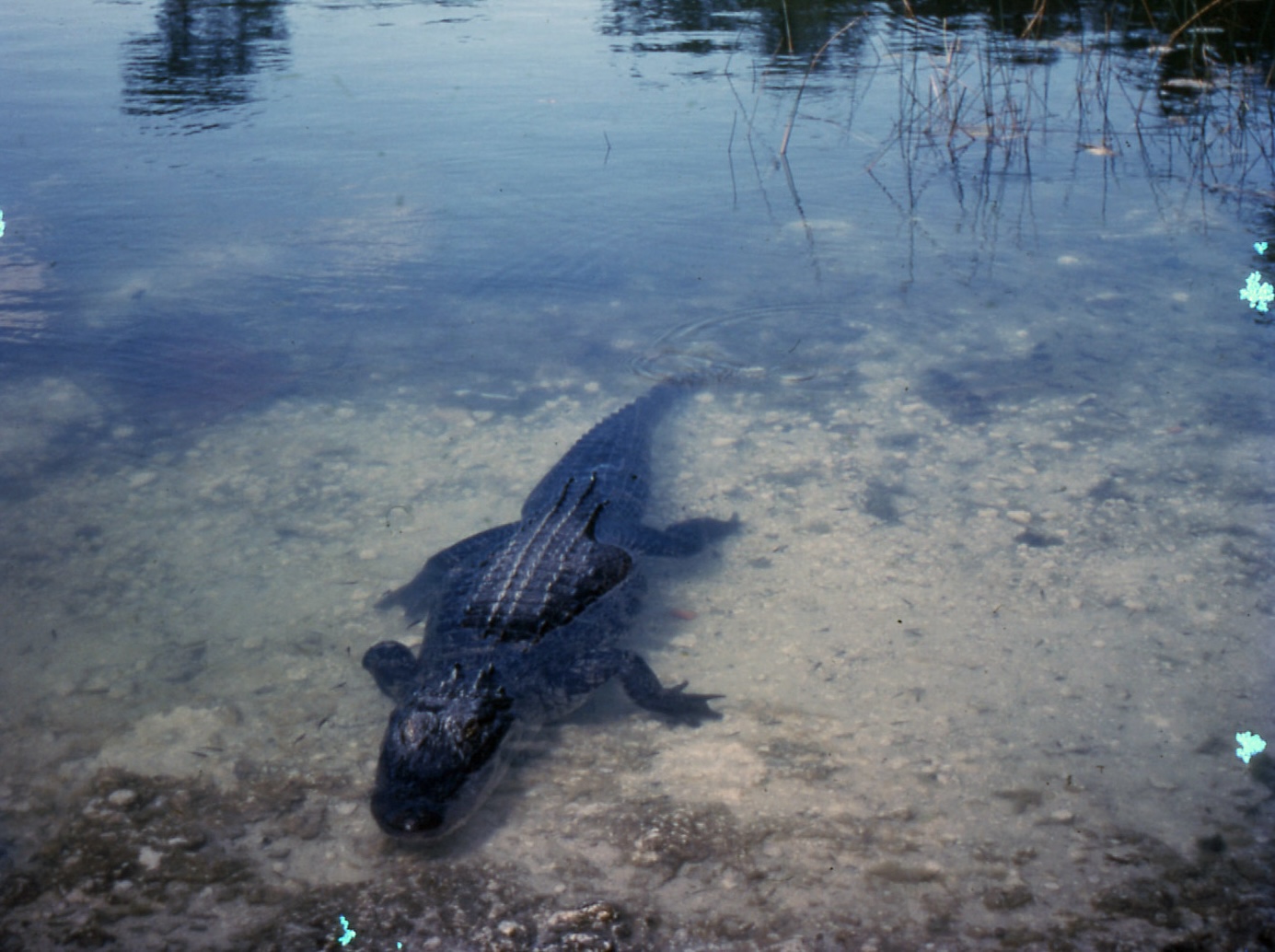
The Alligator’s Domain: Understanding Their Presence in South Florida
To truly grasp the dynamics of alligator populations in the Florida Keys, one must first appreciate the distinct ecological zones that define south Florida. The mainland, particularly the freshwater marshes and sloughs of the Everglades, represents the quintessential alligator habitat. As you venture south along the Overseas Highway into the Keys, the environment shifts dramatically, influencing where and how these apex predators exist.
The Florida Keys’ Unique Ecosystem
The Florida Keys are a chain of islands, essentially ancient coral reefs that have risen above sea level. This unique geological formation results in an ecosystem largely dominated by saltwater and brackish water environments. While freshwater lenses can exist on larger islands, especially after heavy rains, the predominant conditions are not ideal for the widespread habitation of American alligators, which primarily prefer freshwater. The limited availability of expansive freshwater habitats is the primary reason alligators are not as ubiquitous here as they are on the mainland. However, specific areas, particularly in the Upper Keys closer to the mainland, and certain protected freshwater or brackish marsh areas, can and do support small populations. These include man-made canals, borrow pits, and isolated ponds that retain freshwater.
Differentiating Alligators from Crocodiles in Florida
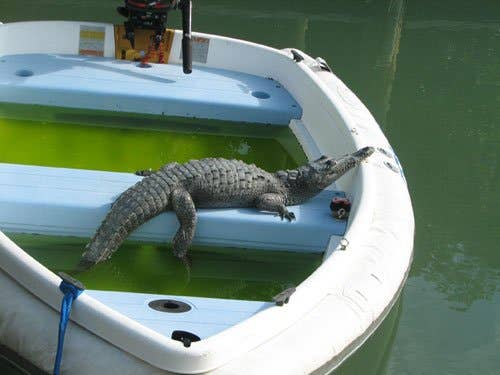
One of the most critical distinctions for any traveler in south Florida is understanding the difference between an alligator and an American crocodile. This is particularly relevant in the Florida Keys, as it is the only place in the world where both species coexist naturally. While alligators prefer freshwater, American crocodiles thrive in brackish and saltwater environments, making them far more common in the coastal mangrove swamps and tidal creeks of the Keys.
Visually, the easiest way to differentiate them is by their snout shape and teeth. Alligators have a broad, U-shaped snout, and when their mouth is closed, you typically only see their upper teeth. Crocodiles, on the other hand, have a more pointed, V-shaped snout, and their fourth lower tooth on each side is visible when their mouth is closed, fitting into a notch in the upper jaw. Furthermore, crocodiles tend to be lighter in color, often a grayish-green, while alligators are typically darker, almost black. For travelers, understanding that a large reptile in a saltwater marsh in the Keys is far more likely to be a crocodile than an alligator is an important piece of local knowledge.
Where Alligators Are (and Aren’t) Typically Found in the Keys
Given their preference for freshwater, alligators in the Florida Keys are largely concentrated in the northernmost islands, closest to the mainland’s extensive freshwater systems. Areas around Key Largo, especially within the Everglades National Park’s small satellite section that extends into the upper Keys, and the adjacent John Pennekamp Coral Reef State Park, are where you might encounter them. These areas contain freshwater canals and marshy sections that can support small populations.
As you travel further south down the Keys towards islands like Big Pine Key and eventually to Key West, the presence of alligators becomes increasingly rare to virtually non-existent. The environment becomes more exclusively saltwater, with very few freshwater sources large enough or stable enough to sustain alligator populations. Therefore, while the possibility of an alligator sighting technically exists in the northern Keys, it is not a common occurrence, and certainly not a primary concern for most travelers compared to the more prevalent American crocodile.
Encountering Alligators: Safety and Awareness for Travelers
While the probability of encountering an alligator in the Florida Keys is low, particularly outside of the uppermost islands, it’s always prudent for travelers to be aware of safety guidelines regarding these powerful reptiles. Knowledge and respect for wildlife are paramount to ensuring a safe and enjoyable trip.
General Alligator Safety Guidelines
Whether you’re visiting the mainland or the parts of the Keys where alligators might be found, certain safety principles apply. The golden rule is to always maintain a respectful distance. Alligators, like most wild animals, are unpredictable, especially if they feel threatened or if their territory is encroached upon. Never feed an alligator. Feeding alligators habituates them to humans, leading them to associate people with food, which increases the likelihood of dangerous encounters and often leads to the alligator being euthanized. Avoid swimming or wading in unposted freshwater or brackish areas, especially at dawn, dusk, or night when alligators are most active. Also, be cautious around the edges of water bodies where alligators might bask or hunt. Look for signs of their presence, such as slides on banks or tracks in mud.
Protecting Pets and Children
Special precautions should be taken when traveling with pets or children. Dogs, in particular, are at risk due to their size and their natural curiosity. The movements of a dog near the water’s edge can resemble prey to an alligator. Therefore, always keep pets on a leash and away from bodies of water where alligators might reside. Never allow children to play unsupervised near canals, ponds, or other freshwater areas. Educate them about the dangers of feeding or approaching wildlife. Keeping a watchful eye and adhering to posted warnings are the best defenses. A responsible traveler understands that the natural environment is not a playground but a shared habitat where vigilance is key.
What to Do in an Encounter
Should you encounter an alligator, the primary advice is to remain calm and slowly back away. Do not run, as this might trigger a chase response in some animals, though it is highly unlikely with an alligator unless you are very close. Give the alligator ample space to retreat. If an alligator hisses or charges, it is typically a bluff intended to intimidate. Stand your ground for a moment, then back away. If, in an extremely rare and unfortunate event, an alligator bites you, fight back. Aim for its eyes and snout. However, such incidents are exceedingly rare, especially when proper precautions are followed. The vast majority of alligator interactions involve simply spotting them from a distance while they are basking or swimming, offering a unique wildlife viewing opportunity without any threat.
Alligators as Part of the Keys’ Natural Allure
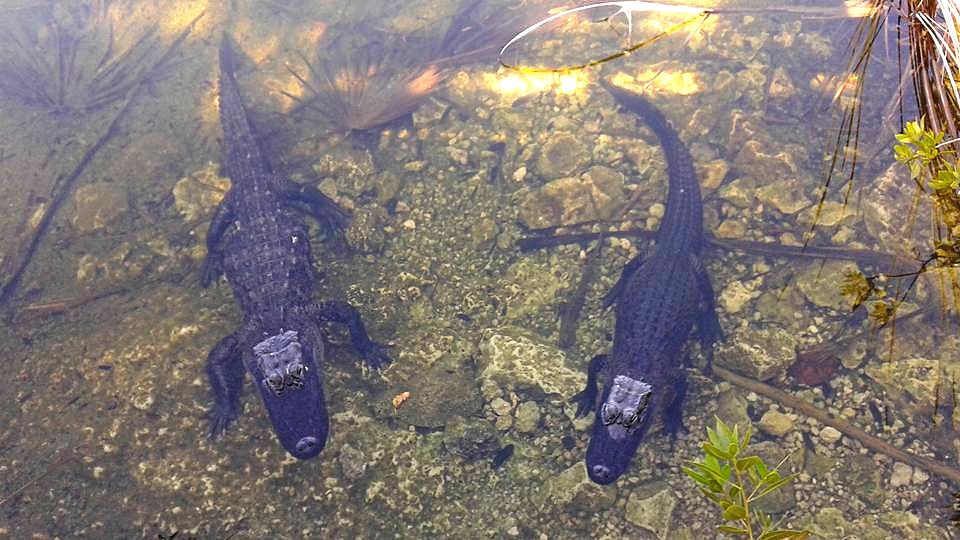
While safety is paramount, the presence of these ancient reptiles, even if limited, adds to the rich tapestry of the Florida Keys’ natural environment. Understanding their role and respecting their habitat allows for a deeper appreciation of the destination’s biodiversity.
Best Places for Wildlife Viewing (Safely)
For those keen on spotting an alligator, the best opportunities in the Florida Keys are concentrated in the Upper Keys. The Everglades National Park section that extends into the Keys and the more land-based trails and freshwater areas of John Pennekamp Coral Reef State Park near Key Largo are your most likely spots. Here, you might find designated viewing platforms or trails that offer safe observation distances. Remember, however, that the American crocodile is far more likely to be seen in these brackish and saltwater habitats, particularly in mangrove-lined canals and tidal basins. Places like the National Key Deer Refuge on Big Pine Key are fantastic for key deer and bird watching, but not typically for alligators; crocodiles, however, might be present in the brackish waterways there. Always defer to park rangers or local guides for the most current and safest viewing information.
Conservation Efforts and Responsible Tourism
Both alligators and American crocodiles are species that have made remarkable comebacks from near extinction, thanks to significant conservation efforts. Responsible tourism plays a vital role in their continued protection. This means adhering to all park regulations, staying on marked trails, disposing of waste properly, and never disturbing wildlife or their habitats. Supporting local eco-tourism operators who prioritize conservation and provide educational experiences can enhance your understanding and appreciation of these magnificent creatures and the delicate ecosystems they inhabit. The goal is to observe, learn, and leave no trace, ensuring that the natural wonders of the Keys remain pristine for future generations of travelers and wildlife alike.
Dispelling Myths and Fostering Appreciation
The media often sensationalizes alligator encounters, fostering an exaggerated sense of fear. While caution is always warranted, it’s important to approach these animals with an informed perspective. Alligators are generally shy and reclusive, preferring to avoid human interaction. They are crucial components of the Florida ecosystem, acting as apex predators that help maintain the balance of various populations. By understanding their behavior, respecting their space, and appreciating their role in the environment, travelers can move beyond baseless fear to a position of informed respect. An alligator or crocodile sighting, from a safe distance, can be one of the most memorable and authentic wildlife experiences during a trip to the Florida Keys, offering a glimpse into the wild heart of this tropical paradise.
Beyond Alligators: Exploring the Diverse Wildlife of the Florida Keys
While the question of alligators is a natural one, focusing too heavily on it would mean overlooking the vast array of other incredible wildlife that truly defines the Florida Keys’ natural appeal. The ecosystem here is teeming with life, from the smallest invertebrates to charismatic megafauna, offering unparalleled opportunities for nature enthusiasts.
Marine Life Encounters
The true treasures of the Florida Keys often lie beneath its crystal-clear waters. The region boasts the only living coral barrier reef in the continental United States, making it a world-class destination for snorkeling and diving. Travelers can encounter a kaleidoscopic array of marine life, including vibrant tropical fish, sea turtles (green, loggerhead, hawksbill), majestic rays, and playful dolphins. Numerous charter companies offer eco-tours, snorkeling trips to popular spots like Molasses Reef, and dolphin-watching excursions, providing safe and ethical ways to experience these incredible creatures in their natural habitat. Even without getting wet, glass-bottom boat tours offer a window into this underwater world.
Avian Wonders and Coastal Birds
The Florida Keys are a birdwatcher’s paradise, serving as a critical migratory stopover and breeding ground for a diverse range of avian species. Travelers can spot magnificent frigatebirds soaring overhead, elegant great white herons stalking the shallows, roseate spoonbills painting the mangroves with their vibrant pink hues, and ospreys fishing with impressive precision. Numerous state parks, wildlife refuges, and even roadside pull-offs provide excellent opportunities for birdwatching. Bring a good pair of binoculars and a field guide to truly appreciate the rich birdlife that thrives in the coastal and terrestrial habitats of the islands.
Other Terrestrial Residents
Beyond the water, the terrestrial parts of the Keys harbor unique wildlife. The most famous is arguably the endangered Key deer, a diminutive subspecies of white-tailed deer found almost exclusively on Big Pine Key and surrounding islands within the National Key Deer Refuge. These charming creatures are a testament to the fragile beauty of the Keys’ ecosystem. Other reptiles, such as various species of non-venomous snakes and lizards, and a multitude of insects also contribute to the intricate web of life. The terrestrial environment, though limited, offers its own subtle wonders for the observant traveler.
Planning Your Wildlife-Focused Trip to the Florida Keys
For travelers eager to immerse themselves in the natural wonders of the Florida Keys, thoughtful planning can greatly enhance the experience. Knowing where to go, what to do, and how to act responsibly ensures a memorable and impactful journey.
Key Destinations for Nature Lovers
When designing your itinerary, prioritize locations known for their ecological significance. Key Largo, home to John Pennekamp Coral Reef State Park, is an excellent starting point for marine exploration, with snorkeling, diving, and kayaking opportunities. Long Key State Park offers superb birdwatching and tranquil paddling trails through mangrove tunnels. Big Pine Key is indispensable for wildlife enthusiasts, primarily for the National Key Deer Refuge, but also for its more remote, untouched natural areas. Even the vibrant Key West has ecological gems, from its historic gardens to its proximity to excellent fishing and sailing grounds. Integrating these destinations into your travel plan will maximize your exposure to the diverse wildlife of the region.
Guided Tours and Educational Experiences
To truly deepen your understanding of the Florida Keys’ ecosystems, consider booking guided tours. Local naturalists and experienced guides can lead kayaking excursions through mangrove forests, point out elusive bird species, or educate you on the intricacies of the coral reef. Institutions like the Dolphin Research Center on Grassy Key offer educational programs that highlight marine mammal conservation. These guided experiences not only provide valuable insights but also ensure that your wildlife observations are conducted safely and with minimal disturbance to the animals. They are invaluable for gaining an insider’s perspective on the unique challenges and triumphs of conservation in this fragile environment.
Responsible Travel Practices
Finally, as a responsible traveler, remember that your actions have an impact. Support local businesses that demonstrate a commitment to sustainability and conservation. Choose eco-friendly accommodations and activities. Minimize your waste, especially plastics, which can be harmful to marine life. When on the water, observe no-wake zones, avoid disturbing seagrass beds with prop scarring, and never anchor on coral reefs (use mooring buoys instead). By practicing conscious and respectful tourism, you contribute to the preservation of the very natural beauty that draws millions to the Florida Keys each year, ensuring that its wild inhabitants, from the rare alligator to the vibrant parrotfish, continue to thrive.
LifeOutOfTheBox is a participant in the Amazon Services LLC Associates Program, an affiliate advertising program designed to provide a means for sites to earn advertising fees by advertising and linking to Amazon.com. Amazon, the Amazon logo, AmazonSupply, and the AmazonSupply logo are trademarks of Amazon.com, Inc. or its affiliates. As an Amazon Associate we earn affiliate commissions from qualifying purchases.