
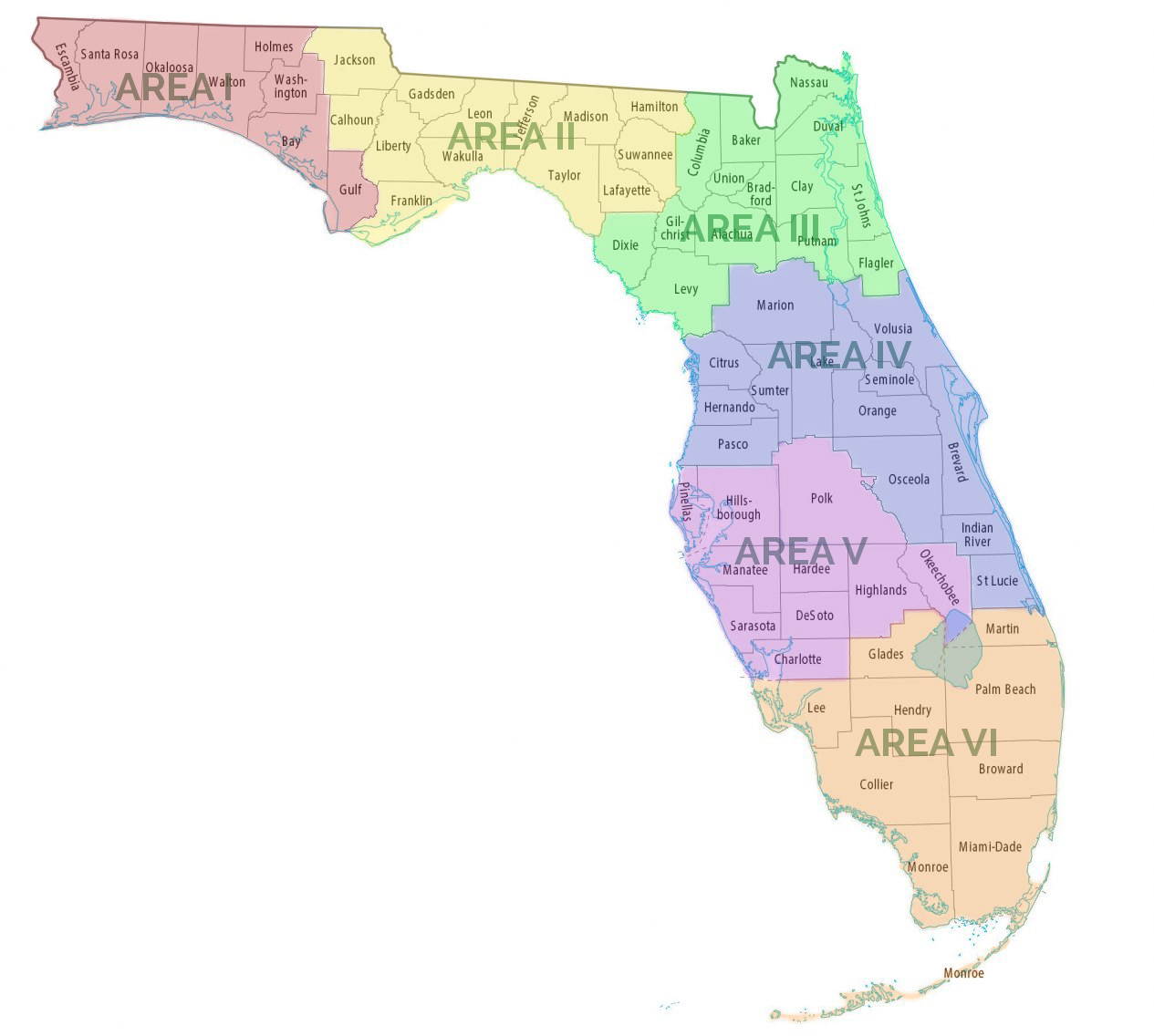
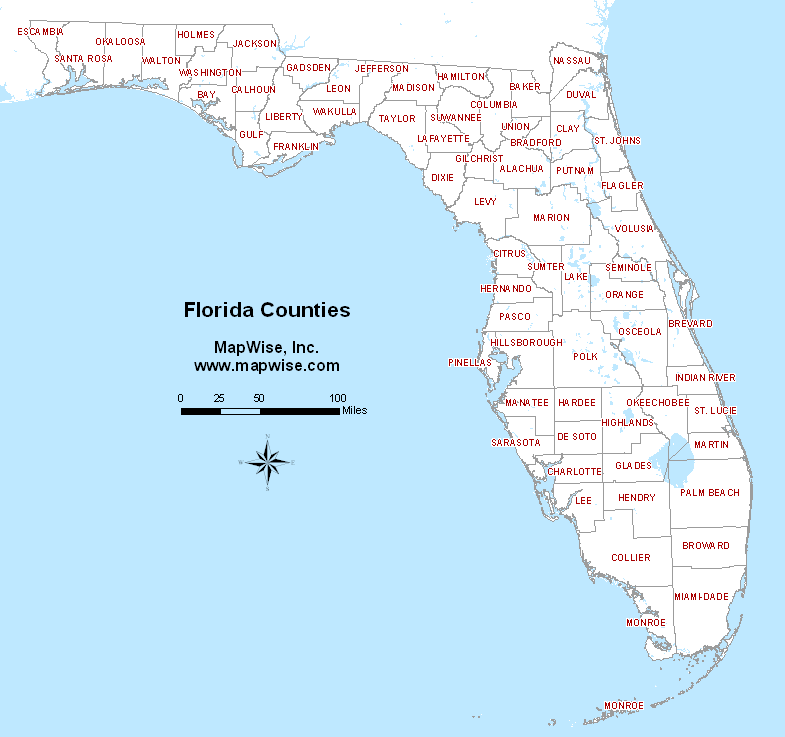
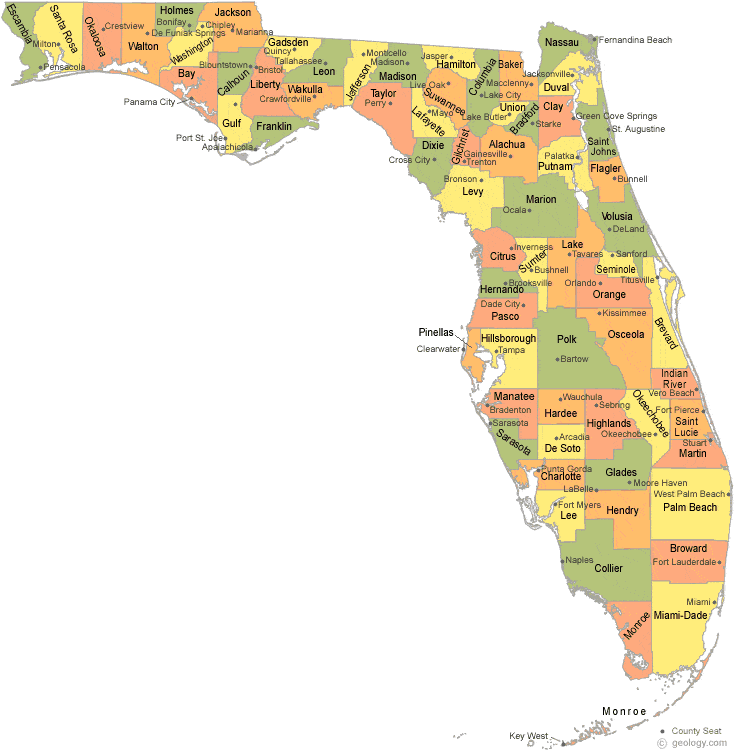
Florida, often dubbed the “Sunshine State,” is a vibrant tapestry of diverse landscapes, cultures, and experiences, drawing millions of travelers annually. From its famed pristine beaches and world-class theme parks to its lush national parks and historic cities, the state offers an unparalleled array of travel opportunities. However, truly unlocking Florida’s potential as a travel destination requires understanding its fundamental administrative divisions: its counties. Far more than mere lines on a map, Florida’s 67 counties serve as crucial guideposts, delineating distinct regions that often boast unique attractions, local flavors, and travel atmospheres. For the discerning traveler, comprehending the county structure is key to navigating the state efficiently, planning targeted itineraries, and discovering the hidden gems that lie beyond the most well-trodden paths. Each county presents its own character, inviting exploration and offering a curated experience that caters to a variety of interests, whether one seeks adrenaline-pumping adventures, serene natural retreats, or vibrant cultural immersion.
The Strategic Importance of Understanding Florida’s Counties for Travelers
For many first-time visitors, Florida might appear as a monolithic vacation paradise. However, seasoned travelers and those seeking a deeper, more authentic experience recognize the strategic value of understanding its county system. Each of Florida’s 67 counties possesses its own governmental structure, often leading to distinct local ordinances, cultural nuances, and economic drivers that shape the visitor experience. Knowing which county you’re in, or which counties you plan to traverse, can significantly impact everything from local taxes and event schedules to the availability of specific types of attractions and accommodations.
For example, a traveler interested in the bustling nightlife and art deco architecture would naturally gravitate towards Miami-Dade County, home to the iconic South Beach and the vibrant neighborhoods of Miami. Conversely, families primarily focused on theme park adventures would center their trip around Orange County, the heart of Orlando and its world-renowned resorts. Furthermore, understanding county boundaries aids in logistical planning: assessing travel times between destinations, identifying local transportation options, and even locating specific types of restaurants or specialty shops that might be more prevalent in one county over another. This foundational geographic knowledge transforms a generic trip into a meticulously planned journey, tailored to individual preferences and designed for maximum enjoyment.
Navigating Regional Identities
Florida’s counties are not just administrative divisions; they are often the foundational elements of its distinct regional identities. The Panhandle, for instance, evokes a different ambiance and offers different experiences than Southwest Florida or the Florida Keys. These regional distinctions are largely defined by clusters of counties, each contributing to the overarching character of the area. By pinpointing counties, travelers can quickly grasp the predominant attractions and atmosphere of a region. For example, the Gulf Coast counties are synonymous with tranquil, sugar-sand beaches and stunning sunsets, while the Atlantic Coast often features vibrant surf towns and historic ports. Recognizing these county-level identities allows travelers to craft itineraries that seamlessly blend diverse experiences, moving from the metropolitan buzz of one county to the serene natural beauty of another without losing sight of their overall travel objectives.
Practical Trip Planning and Resource Access
Beyond cultural identification, county knowledge offers tangible benefits for practical trip planning. Emergency services, public transportation networks, and even tourism boards are often organized at the county level. Having this information at hand allows travelers to quickly access relevant resources, whether it’s finding the nearest hospital, understanding local beach regulations, or discovering community events. Moreover, many state parks, national preserves, and historical sites are specifically located within — and managed by — particular counties, influencing accessibility and operational hours. For those venturing into Florida’s vast wilderness, such as the Everglades National Park which spans parts of Collier County, Miami-Dade County, and Monroe County, understanding these divisions can be critical for planning entry points and activities. In essence, Florida’s counties are the building blocks of its tourism infrastructure, and a grasp of their distribution is indispensable for a comprehensive and stress-free travel experience.
A Geographical Overview: Florida’s Counties by Region
Florida’s 67 counties are broadly distributed across several distinct geographical and cultural regions, each offering unique allure for travelers. Understanding these regional groupings can help frame travel decisions and highlight the diverse experiences available.
Northwest Florida: The Panhandle
Often referred to as the “Panhandle,” this region is characterized by its stunning white-sand beaches along the Emerald Coast and a distinct Southern charm. Key counties include:
- Escambia County: Home to Pensacola, a city rich in history with beautiful beaches and a vibrant downtown.
- Okaloosa County: Features popular destinations like Destin and Fort Walton Beach, known for fishing, water sports, and family-friendly attractions.
- Bay County: Home to Panama City Beach, a major tourist hub famous for its lively atmosphere, pristine shores, and amusement parks.
Northeast Florida: Historic Coasts and Urban Hubs
This region blends historic charm with modern urban centers and expansive coastlines.
- Duval County: The site of Jacksonville, Florida’s largest city by population, offering a mix of cultural attractions, riverfront activities, and Atlantic beaches.
- St. Johns County: Home to St. Augustine, the nation’s oldest continuously inhabited European-established settlement, boasting incredible history, colonial architecture, and pristine beaches like Ponte Vedra Beach.
Central Florida: Theme Parks, Space, and Natural Springs
The heart of Florida tourism, this region is famous for its world-renowned attractions and natural beauty.
- Orange County: The undisputed theme park capital, featuring Walt Disney World Resort and Universal Studios Florida, alongside a vibrant convention scene in Orlando.
- Volusia County: Known for Daytona Beach, famous for its motorsports history and drive-on beaches, and the charming small town of DeLand.
- Brevard County: The “Space Coast,” home to the Kennedy Space Center Visitor Complex and beautiful beaches like those in Cocoa Beach.
- Polk County: Features LEGOLAND Florida Resort and Florida’s natural beauty in places like Bok Tower Gardens.
Southwest Florida: Gulf Coast Beaches and Nature
This serene region along the Gulf of Mexico is celebrated for its stunning sunsets, pristine beaches, and abundant wildlife.
- Pinellas County: Offers some of Florida’s top-rated beaches like Clearwater Beach and St. Pete Beach, alongside the vibrant arts scene of St. Petersburg.
- Hillsborough County: Home to Tampa, a major city with a rich history, attractions like Busch Gardens Tampa Bay, and a thriving culinary scene.
- Sarasota County: Renowned for the powdery white sands of Siesta Key Beach, cultural institutions, and vibrant downtown Sarasota.
- Lee County: Features Fort Myers and its surrounding islands like Sanibel and Captiva, famous for shelling and nature preserves.
- Collier County: Gateway to the Everglades and home to upscale Naples, known for luxury shopping, golf, and beautiful beaches.
Southeast Florida: Metropolitan Glamour and Coastal Living
This densely populated region is a melting pot of cultures, offering vibrant cities, designer shopping, and energetic nightlife.
- Palm Beach County: Known for its luxurious lifestyle, with destinations like Palm Beach and Boca Raton, offering upscale shopping, dining, and beautiful Atlantic beaches.
- Broward County: Features Fort Lauderdale, often called the “Venice of America” due to its extensive canal system, offering boating, cruise departures, and a lively beach scene.
- Miami-Dade County: The southernmost and most populous county, home to the dynamic city of Miami, South Beach, Everglades National Park, and a rich blend of Latin American and Caribbean cultures.
The Florida Keys: Island Paradise
A chain of tropical islands stretching off the southern tip of Florida, entirely within one county.
- Monroe County: Encompasses the entire Florida Keys, from Key Largo down to Key West, offering unparalleled opportunities for snorkeling, diving, fishing, and a laid-back, bohemian atmosphere.
Key Counties and Their Signature Travel Experiences
While all 67 counties contribute to Florida’s allure, some stand out as primary travel magnets, each offering a distinct flavor of the Sunshine State. Understanding these major players is crucial for planning any significant trip.
Orange County: The Theme Park Capital
No discussion of Florida travel is complete without highlighting Orange County. Centered around Orlando, this county is globally synonymous with family entertainment and magical experiences. It is home to the sprawling Walt Disney World Resort, encompassing Magic Kingdom, Epcot, Hollywood Studios, and Animal Kingdom. Adjacent to Disney, travelers find Universal Orlando Resort, featuring Universal Studios Florida and Islands of Adventure, with the wildly popular Wizarding World of Harry Potter. Beyond the major parks, Orange County offers other attractions like SeaWorld Orlando, Discovery Cove, and numerous dinner shows and shopping centers. This county caters primarily to families, groups, and conventions, making it a bustling hub for resort stays and entertainment-focused itineraries.
Miami-Dade County: Urban Glamour and Cultural Fusion
At Florida’s southeastern tip, Miami-Dade County offers a stark contrast to Orlando’s whimsical charm. It’s a vibrant, multicultural metropolis, serving as a gateway to Latin America and the Caribbean. The city of Miami itself is a mosaic of distinct neighborhoods, from the iconic Art Deco Historic District in South Beach and the Cuban-infused energy of Little Havana to the artistic murals of Wynwood and the upscale shopping of Brickell. Beyond urban allure, the county provides access to natural wonders, including significant portions of the Everglades National Park for airboat tours and wildlife viewing, and Biscayne National Park for snorkeling and boating. Miami-Dade appeals to travelers seeking sophisticated nightlife, fine dining, world-class art and culture, and sun-drenched beach relaxation.
Hillsborough County: Historic Hub and Gulf Coast Gateway
Located on Florida’s west coast, Hillsborough County centers around Tampa, a city that beautifully blends historical charm with modern dynamism. Tampa’s historic Ybor City district, with its Cuban cigar factories and vibrant nightlife, offers a glimpse into the past, while the Riverwalk provides contemporary urban recreation. For thrill-seekers, Busch Gardens Tampa Bay offers an African-themed adventure park with roller coasters and animal encounters. The county also serves as a fantastic gateway to the calmer waters of the Gulf of Mexico and is conveniently close to the renowned beaches of Pinellas County. Hillsborough County attracts a diverse range of visitors, from families enjoying amusement parks to couples exploring historic districts and foodies indulging in its growing culinary scene.
Pinellas County: Pristine Beaches and Vibrant Arts
Directly west of Hillsborough County, Pinellas County is a peninsula celebrated for some of Florida’s most exquisite Gulf Coast beaches. Clearwater Beach consistently ranks among the top beaches in the United States, known for its soft, white sand and gentle waves, ideal for families and relaxation. Further south, St. Pete Beach offers a similar idyllic setting, while the vibrant city of St. Petersburg boasts a burgeoning arts scene, highlighted by the Salvador Dalí Museum and numerous galleries. Outdoor enthusiasts can explore the Fort De Soto Park, offering untouched beaches, kayaking, and birdwatching. Pinellas County is a destination for beach lovers, art enthusiasts, and those seeking a more laid-back, sun-soaked vacation.
Monroe County: The Unmistakable Florida Keys
Stretching southwest from mainland Florida, Monroe County is entirely comprised of the iconic Florida Keys archipelago. Connected by the Overseas Highway, each key offers a unique vibe. Key Largo is known as the “Dive Capital of the World” due to John Pennekamp Coral Reef State Park, while Islamorada is a haven for fishing enthusiasts. The journey culminates in Key West, the southernmost point of the continental United States, famous for its quirky charm, historic homes, vibrant nightlife on Duval Street, and spectacular sunsets at Mallory Square. Monroe County appeals to adventurers, romantics, and anyone looking for an escape into a truly unique tropical paradise with a distinct laid-back atmosphere.
Conclusion: Crafting Your Florida Journey, County by County
Florida’s 67 counties are the foundational pieces of a diverse and engaging travel puzzle. Far from being mere administrative divisions, they are distinct geographical and cultural entities that define the character and offerings of different parts of the state. From the thrill-filled theme parks of Orange County to the historic charm of St. Johns County, the vibrant urban landscape of Miami-Dade County to the pristine beaches of Pinellas County and the bohemian allure of Monroe County, each county contributes a unique brushstroke to the Sunshine State’s overall masterpiece.
For any traveler looking to experience Florida beyond its most superficial attractions, a grasp of its county structure is an invaluable tool. It empowers you to make informed decisions about where to go, what to see, and how to allocate your precious travel time. By understanding these divisions, you can strategically plan multi-county itineraries, explore lesser-known gems, and truly immerse yourself in the local culture and specific experiences each region offers. Whether your ideal Florida vacation involves exhilarating adventures, tranquil relaxation, cultural exploration, or a blend of all three, recognizing the role of its counties is the first step toward crafting a truly unforgettable journey through this enchanting state.
LifeOutOfTheBox is a participant in the Amazon Services LLC Associates Program, an affiliate advertising program designed to provide a means for sites to earn advertising fees by advertising and linking to Amazon.com. Amazon, the Amazon logo, AmazonSupply, and the AmazonSupply logo are trademarks of Amazon.com, Inc. or its affiliates. As an Amazon Associate we earn affiliate commissions from qualifying purchases.