
For decades, Florida has stood as an undisputed titan of global tourism, a sun-drenched sanctuary synonymous with pristine beaches, thrilling theme parks, and an effortlessly vibrant lifestyle. It was the quintessential escape, a postcard-perfect vision of leisure that beckoned millions from across the globe. Yet, to ask “What happened to Florida?” is to acknowledge that the landscape of this iconic destination is not static. It is a place in perpetual motion, adapting to new challenges, embracing fresh opportunities, and evolving in ways that redefine the very essence of its tourist appeal. This isn’t a story of decline, but rather one of profound transformation, reflecting broader shifts in traveler expectations, environmental consciousness, and the dynamic interplay between local culture and global appeal.
The Evolving Landscape of Sunshine State Tourism
Florida’s tourism industry has always been a masterclass in adaptation, but recent years have witnessed an acceleration of this evolution. The traditional pillars of its appeal remain strong, yet the methods and motivations behind visiting the Sunshine State have diversified considerably. No longer is Florida simply a destination for a singular type of vacationer; it now caters to a spectrum of interests, often with a renewed emphasis on authenticity and engagement.
From Mass Market to Niche Experiences
While the colossal draw of Orlando’s theme parks, such as Walt Disney World and Universal Orlando Resort, continues to be a cornerstone of Florida’s tourism, there’s a noticeable shift towards more specialized, immersive experiences. Travelers are increasingly seeking out unique adventures that transcend the typical resort-centric holiday. This has led to a burgeoning interest in eco-tourism, particularly in areas like the Everglades National Park where visitors can explore critical wetlands and observe diverse wildlife, or along the less-developed stretches of the Gulf Coast and Atlantic Coast offering kayaking, birdwatching, and nature trails.
Furthermore, cultural and historical tourism is gaining traction. Cities like St. Augustine, the nation’s oldest continuously inhabited European-established settlement, now draw visitors eager to delve into its rich Spanish colonial past, offering a stark contrast to the futuristic thrills of Cape Canaveral at the Kennedy Space Center Visitor Complex. The artistic vibrancy of Miami, with its Art Deco Historic District and ever-evolving street art scene in Wynwood, appeals to a different kind of cultural explorer, seeking contemporary expression rather than historical reenactment. This diversification signals a maturity in Florida’s tourism offering, recognizing that a wider array of experiences can sustain and enrich its appeal.
Demographic Shifts and New Visitor Expectations
The profile of the average Florida visitor is also undergoing subtle but significant changes. While families remain a core demographic, there’s an increasing influx of younger travelers, solo adventurers, and international visitors from diverse backgrounds who approach travel with a different set of expectations. These new demographics often prioritize authentic local interactions, sustainable practices, and experiences that offer genuine insight into the destination’s unique character, rather than just its manufactured attractions.
This shift means that areas once considered secondary, such as the historic districts of Tampa like Ybor City with its Cuban heritage, or the bohemian charm of Key West, are experiencing renewed interest. Visitors are more inclined to explore local markets, engage with small businesses, and seek out neighborhood gems, moving beyond the well-trodden paths. The demand for bespoke tours, culinary workshops, and community-based activities reflects a desire for a deeper, more personal connection with Florida.
Environmental Challenges and Their Impact on Tourism
No discussion about Florida’s present and future can ignore the profound environmental challenges it faces. As a state largely defined by its coastline and subtropical ecosystems, issues like climate change and water quality directly impact the very resources that fuel its tourism industry. Addressing these concerns is not merely an environmental imperative but an economic necessity for Florida’s continued success as a premier destination.
The Rising Tide: Coastal Erosion and Sea-Level Rise
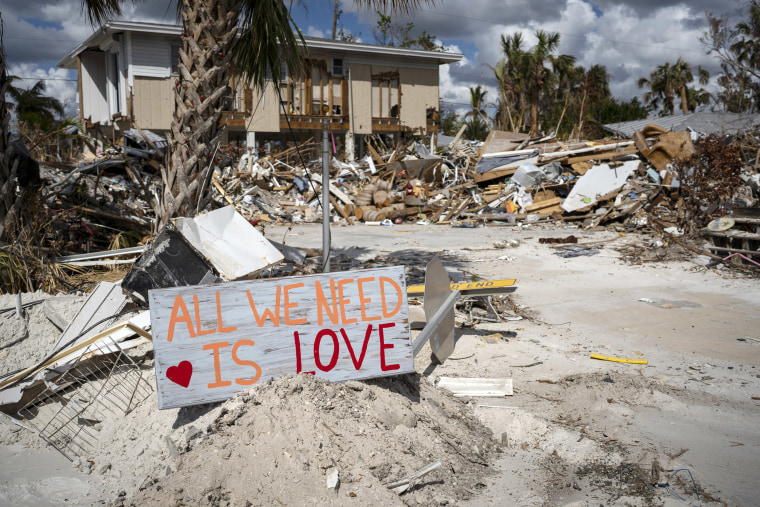
Florida’s iconic beaches are its crown jewels, drawing millions seeking sun and surf. However, these delicate ecosystems are increasingly vulnerable to coastal erosion exacerbated by rising sea levels and more intense storm surges. Coastal communities, from the sophisticated shores of Naples to the vibrant beaches of Fort Lauderdale, are investing heavily in beach nourishment projects and innovative infrastructure to protect their coastlines and, by extension, their tourism economies. The challenge lies in balancing necessary development with the preservation of natural barriers and habitats, ensuring that the allure of Florida’s shorelines endures for future generations of visitors. These efforts are crucial not just for environmental reasons, but for maintaining the picturesque appeal that draws so many to the state’s edges.

Preserving Natural Wonders: Everglades and Wildlife Concerns
Beyond the beaches, Florida’s unique interior ecosystems, particularly the Everglades, face their own set of environmental pressures. Water quality issues, including harmful algal blooms and red tides, have periodically plagued sections of South Florida‘s waterways and coasts, impacting marine life and discouraging visitors. The delicate balance of the Everglades National Park is constantly under threat from urban encroachment and altered water flow. Efforts to restore the Everglades are among the largest environmental restoration projects in the United States, critical for protecting its unique biodiversity and maintaining its appeal for eco-tourists and nature enthusiasts. The success of these initiatives directly influences the viability of wildlife viewing tours, fishing charters, and airboat excursions that are vital components of the state’s nature-based tourism.
Cultural Vibrancy and Culinary Renaissance
The narrative of “What happened to Florida?” also encompasses a blossoming of its cultural and culinary scenes. Moving beyond its image as purely a vacation playground, Florida is increasingly recognized for its rich tapestry of heritage and an exciting, evolving food landscape that reflects its diverse population.
Beyond the Theme Parks: Exploring Local Heritage
While theme parks offer curated fantasy, Florida’s authentic heritage destinations provide a deep dive into its true character. The vibrant Cuban heart of Miami’s Little Havana, for example, offers a sensory journey through its historic streets, rich with music, art, and the aroma of Cuban coffee. Jacksonville, with its rich jazz history and historic neighborhoods, presents a different cultural facet of the state. These areas encourage visitors to step away from the manufactured spectacle and engage with communities that have shaped Florida’s identity for generations. Indigenous history, Black history, and the influences of diverse immigrant communities are increasingly being highlighted, offering a more complete and compelling story of the state.
A Taste of the New Florida: Emerging Food Scenes
Florida’s culinary scene has undergone a remarkable transformation, moving far beyond the simple seafood shacks of yesteryear. While fresh Gulf shrimp and stone crab remain staples, a new generation of chefs is blending Florida’s bounty with influences from its diverse population, particularly from Latin America and the Caribbean. Miami has emerged as a global culinary hotspot, boasting Michelin-starred restaurants and an array of fusion dining experiences. Tampa is making its mark with innovative eateries and a robust craft beer scene. Even smaller cities like Sarasota and St. Petersburg are cultivating unique food cultures, emphasizing farm-to-table practices and showcasing local ingredients. Food festivals and culinary trails are becoming popular attractions, inviting tourists to explore Florida through its evolving palate.
Adapting to the Future: Innovation and Sustainability in Tourism
The question of “What happened to Florida?” can also be answered by looking at how the state’s tourism industry is proactively shaping its future through innovation and a commitment to sustainability. Recognizing that long-term success hinges on responsible growth, Florida is adopting strategies that aim to enhance the visitor experience while protecting its natural and cultural assets.
Technological Integration in Visitor Experiences
Technology is playing an increasingly vital role in how tourists interact with Florida. From seamless online booking platforms and personalized digital guides to virtual reality tours that offer a glimpse of attractions before arrival, innovation is enhancing convenience and engagement. Many attractions and cities are implementing smart tourism initiatives, using data to improve visitor flow, reduce wait times, and offer real-time information. Mobile apps for navigation, ticket purchasing, and even ordering food at theme parks are now commonplace, streamlining the travel experience and making it more efficient for the modern, tech-savvy traveler. This push for digital integration is aimed at providing a smoother, more customized journey for every visitor.

Sustainable Tourism Practices
A critical component of Florida’s evolving tourism strategy is its growing emphasis on sustainability. Recognizing the fragile nature of its environment and the importance of preserving its unique ecosystems, many resorts, attractions, and local communities are adopting greener practices. This includes efforts to reduce carbon footprints, minimize waste, conserve water, and support local businesses and economies. Eco-tourism operators emphasize responsible interaction with wildlife and natural habitats, educating visitors on conservation efforts. Destinations like Amelia Island and sections of the Florida Keys are actively promoting responsible diving and snorkeling practices to protect coral reefs. The narrative of “What happened to Florida?” is, in part, a story of a destination maturing, understanding that its long-term appeal is inextricably linked to its commitment to environmental stewardship and community well-being.
In conclusion, “What happened to Florida?” is not a question signaling decline, but rather one that points to a dynamic evolution. The Sunshine State is adapting, innovating, and embracing a more diverse and sustainable future for its tourism industry. While the classic allure of sun, sand, and theme park thrills remains, Florida is simultaneously developing a richer, more nuanced identity, inviting visitors to delve deeper into its natural wonders, cultural heritage, and vibrant culinary scene. It is a destination continuously reinventing itself, promising both familiar comforts and exciting new discoveries for the discerning global traveler.
LifeOutOfTheBox is a participant in the Amazon Services LLC Associates Program, an affiliate advertising program designed to provide a means for sites to earn advertising fees by advertising and linking to Amazon.com. Amazon, the Amazon logo, AmazonSupply, and the AmazonSupply logo are trademarks of Amazon.com, Inc. or its affiliates. As an Amazon Associate we earn affiliate commissions from qualifying purchases.