
Boulder, Colorado is renowned for its stunning natural beauty, vibrant outdoor scene, progressive politics, and intellectual atmosphere. For many, it represents an idyllic blend of Rocky Mountain adventure and cosmopolitan living. However, beyond the hiking trails and organic cafes, a significant aspect of Boulder’s identity lies in its approach to immigration and its designation as a “sanctuary city.” Understanding this status is crucial for comprehending the local culture, community values, and overall ethos that defines this unique Colorado destination.
The term “sanctuary city” often sparks debate and carries varied interpretations, but within the context of Boulder, it reflects a deliberate policy choice rooted in a commitment to inclusivity, human rights, and community trust. This designation is not a mere label but an active framework that shapes how the city interacts with its diverse population, including undocumented immigrants. For anyone visiting or considering a longer stay, grasping the implications of Boulder’s sanctuary status provides a deeper insight into its progressive heart and how it strives to create a welcoming environment for all.
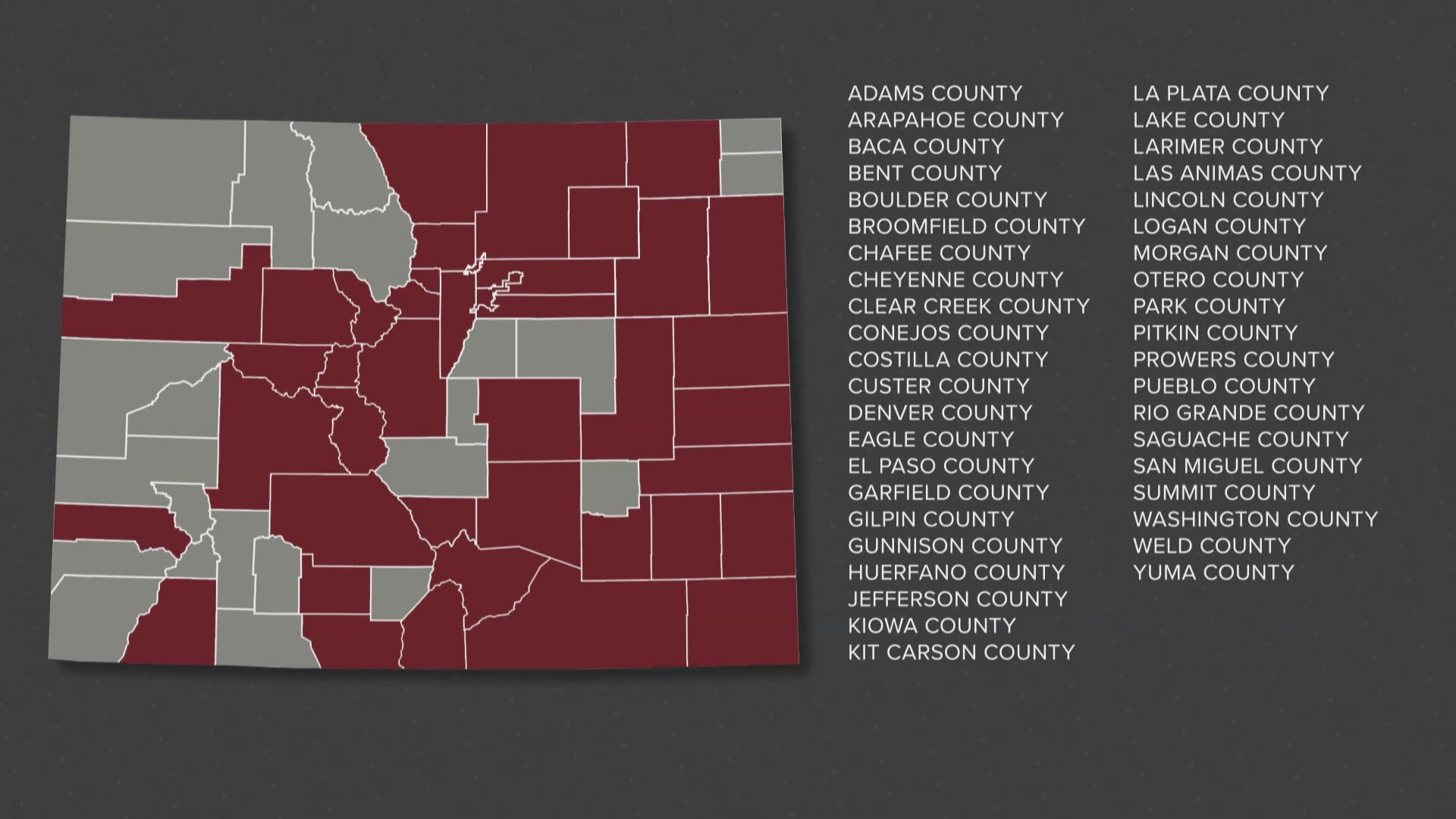
Understanding the “Sanctuary City” Concept
The notion of a “sanctuary city” is not defined by federal law, leading to a spectrum of policies across different municipalities. There is no single, universally accepted legal definition, but rather a set of common practices adopted by local governments aimed at limiting their cooperation with federal immigration enforcement agencies. These policies are often enacted to build trust between immigrant communities and local law enforcement, encouraging individuals to report crimes or seek assistance without fear of deportation.
What Does “Sanctuary” Truly Mean?
At its core, a “sanctuary city” policy typically means that local law enforcement agencies will not use city resources to enforce federal immigration laws. This often translates to refusing voluntary requests from U.S. Immigration and Customs Enforcement (ICE) to detain individuals solely based on immigration status, beyond what is legally mandated by a warrant signed by a judge. It also means that local police do not proactively inquire about immigration status during routine interactions, such as traffic stops or crime investigations.
The objective is to foster a sense of safety and belonging, ensuring that all residents, regardless of their immigration status, feel comfortable accessing public services, attending schools, and reporting criminal activity without fear that such interactions will lead to their deportation. This approach is founded on the belief that when immigrant communities feel secure engaging with local authorities, public safety improves for everyone. It’s a localized interpretation of how best to serve and protect all members of the community, distinguishing local policing from federal immigration enforcement responsibilities.
The Spectrum of Local Immigration Policies
It’s important to recognize that not all sanctuary cities are alike. Policies can range from resolutions expressing support for immigrants to concrete ordinances that restrict information sharing and cooperation with federal agents. Some cities might prohibit local officers from assisting ICE in arrests, while others might simply limit the sharing of non-public information. The nuances are critical, as they dictate the practical impact on individuals and local institutions.
The debate surrounding these policies often centers on federalism—the balance of power between federal and local governments. Proponents argue that cities have the right to set their own priorities for local law enforcement, while critics contend that such policies hinder federal immigration enforcement and create legal loopholes. For a city like Boulder, its chosen approach reflects a deep-seated philosophical commitment that shapes much of its civic discourse and community initiatives.
Boulder’s Official Stance and Historical Context
Boulder, Colorado’s status as a sanctuary city is not a recent development but rather a long-standing commitment formalized through a series of resolutions and ordinances. The city council has consistently reaffirmed its dedication to protecting the rights and dignity of all residents, making its position clear and robust.
Boulder’s Resolutions and Ordinances
Boulder formally adopted its “sanctuary city” policies through resolutions and ordinances designed to limit cooperation between the Boulder Police Department and federal immigration authorities. Key among these is the “City of Boulder Immigration Ordinance,” which explicitly states that city employees, including police officers, generally cannot inquire about a person’s immigration status, nor can they use city resources to assist federal immigration enforcement unless required by law (e.g., with a judicial warrant). The ordinance prohibits discrimination based on immigration status and ensures that local services remain accessible to everyone.
This includes directives against honoring ICE detainer requests without a judicial warrant and restrictions on sharing confidential information with federal agencies like ICE or the Department of Homeland Security. These local laws are crafted to establish clear boundaries, ensuring that local resources are focused on local public safety concerns rather than federal immigration enforcement. By clearly defining these roles, Boulder aims to build and maintain trust within its diverse community.
Driving Forces Behind Boulder’s Approach
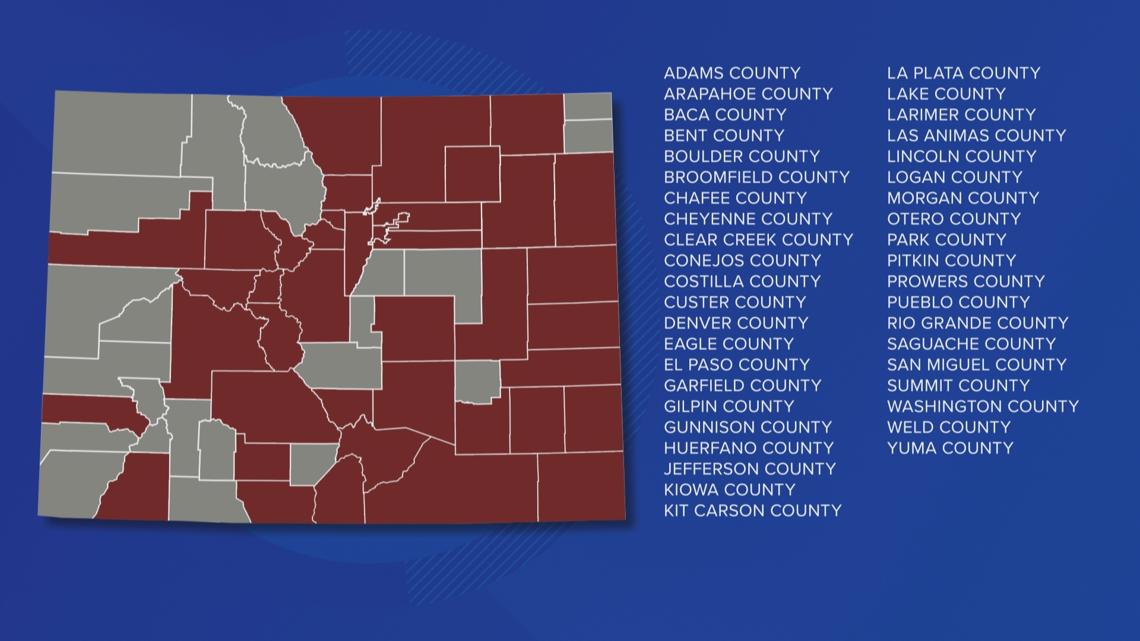
Boulder’s sanctuary status is deeply embedded in its progressive political landscape and a strong community ethos that champions human rights and social justice. The city has a history of advocating for inclusive policies, and its stance on immigration is a natural extension of these values. Activist groups, community organizations, and a significant portion of the electorate have consistently pushed for policies that protect vulnerable populations and promote equity.
The rationale is multi-faceted: it includes ethical considerations about the treatment of immigrants, a belief in local control over policing matters, and practical arguments about public safety. Advocates emphasize that when undocumented immigrants are afraid to interact with police, they are less likely to report crimes, making the entire community less safe. By establishing a sanctuary policy, Boulder seeks to create an environment where all residents feel secure in their interactions with local government, thereby improving community engagement and trust. This also reflects a broader cultural commitment to welcoming diversity and protecting civil liberties, a hallmark of Boulder’s identity that resonates deeply with its residents and contributes to its unique local culture.
Implications for Local Culture and Community
Boulder, Colorado’s sanctuary city policies have profound implications for its local culture and the fabric of its community. These policies are not just legal statutes; they actively shape the city’s social environment, influencing everything from demographics to civic participation and the overall sense of belonging.
Fostering Inclusivity and Diversity
One of the primary aims and perceived outcomes of Boulder’s sanctuary policies is the fostering of a more inclusive and diverse community. By signaling that the city is a safe haven regardless of immigration status, Boulder attracts and retains a more diverse population. This commitment to inclusivity enriches the local culture, bringing varied perspectives, traditions, and contributions to the city’s social, economic, and cultural landscape.
Local businesses benefit from a stable workforce, and schools welcome students from diverse backgrounds, enhancing the educational experience for all. Community centers and non-profits often play a crucial role in providing resources and support to immigrant populations, further integrating them into the broader community. This creates a vibrant, multicultural environment where differences are often celebrated and seen as strengths, contributing to Boulder’s reputation as a welcoming and forward-thinking place. For visitors interested in local culture, this translates into encountering a richer tapestry of human experience than might be found in more homogenous cities.
Impact on Public Services and Safety
The sanctuary city status also has a direct impact on the delivery and accessibility of public services and overall public safety. By reducing the fear of deportation, these policies encourage immigrants to utilize essential services such as healthcare, education, and social support programs. This ensures that preventative health measures are taken, children attend school without interruption, and families can access critical aid, ultimately benefiting the entire community’s well-being.
Crucially, the policy strengthens public safety by building trust between law enforcement and immigrant communities. When individuals are not afraid that reporting a crime or cooperating with police will lead to their or their family’s deportation, they are more likely to come forward. This leads to more reported crimes, better investigations, and ultimately, a safer environment for all residents. The Boulder Police Department’s focus remains on enforcing local laws and protecting all residents, without becoming an arm of federal immigration enforcement. This operational clarity is a cornerstone of Boulder’s public safety strategy, creating a distinct aspect of its local governance and daily life.
What This Means for Visitors and Residents
Understanding Boulder, Colorado’s sanctuary status is important not only for its residents but also for anyone planning to visit or considering a longer stay. It paints a more complete picture of the city’s character and provides practical insights into its social environment.
Navigating Local Policies as a Traveler
For the average tourist, Boulder’s sanctuary city status might not directly impact daily travel plans, as it primarily governs local law enforcement’s interaction with federal immigration authorities. However, it profoundly shapes the atmosphere and local culture you’ll experience. You might notice a more visibly diverse community, a greater emphasis on social justice issues, and a generally welcoming vibe toward people from all walks of life.
Travelers who value inclusivity and human rights may find Boulder’s policies align with their personal values, enhancing their appreciation for the destination. For those who might have concerns related to immigration policies, it’s reassuring to know that local law enforcement is focused on maintaining peace and safety within the city without typically inquiring about immigration status during routine interactions. The focus remains on promoting a safe and accessible environment for everyone to enjoy the city’s natural beauty, vibrant downtown, and unique cultural offerings.
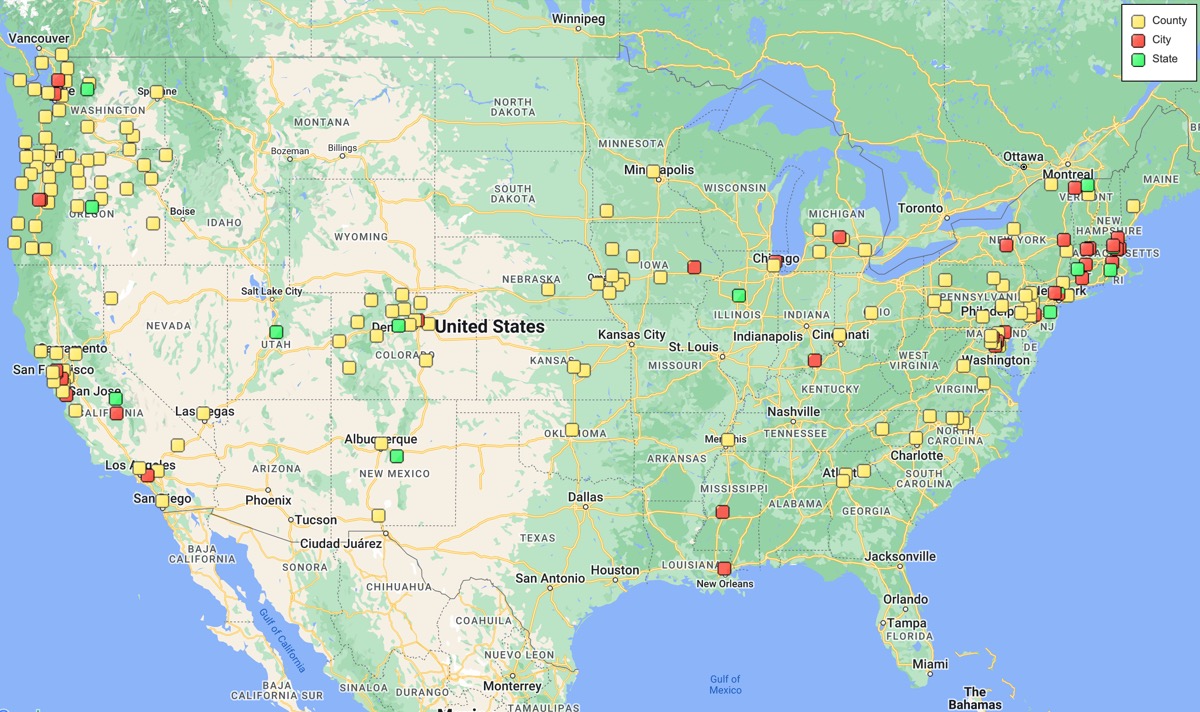
Resources and Support within the Community
For individuals who may be directly affected by immigration policies, Boulder’s sanctuary status means there are numerous local resources and support networks available. Community organizations, legal aid services, and non-profits are often well-versed in local ordinances and provide assistance, information, and advocacy for immigrant communities. These organizations are integral to the city’s ecosystem, reflecting the deep commitment to ensuring that vulnerable populations have access to necessary support without fear.
Whether you’re a long-term resident, a new arrival, or just passing through, knowing about these resources and the city’s proactive stance provides a deeper understanding of Boulder’s identity. It underscores that Boulder is not just a place of stunning landscapes and outdoor activities, but also a community with a strong social conscience, actively working to live up to its values of equity, compassion, and justice for all. This makes Boulder a destination where progressive ideals are translated into tangible local policies, shaping a distinct and welcoming cultural experience for everyone.
LifeOutOfTheBox is a participant in the Amazon Services LLC Associates Program, an affiliate advertising program designed to provide a means for sites to earn advertising fees by advertising and linking to Amazon.com. Amazon, the Amazon logo, AmazonSupply, and the AmazonSupply logo are trademarks of Amazon.com, Inc. or its affiliates. As an Amazon Associate we earn affiliate commissions from qualifying purchases.