
Embarking on a budget-conscious journey to the Sunshine State requires more than just finding affordable flights and accommodation; it demands a clear understanding of the often-overlooked expenses that can subtly inflate your travel costs. Among these, sales tax stands out as a crucial element that impacts nearly every transaction. For the savvy budget traveler, demystifying Florida’s sales tax rate isn’t merely an administrative exercise; it’s a strategic move that empowers smarter spending decisions, ensuring your Florida adventure remains both enjoyable and financially sustainable. This comprehensive guide will illuminate the intricacies of Florida’s sales tax, providing invaluable insights and practical tips to help you navigate your expenses with confidence, stretching your dollar further across the state’s diverse attractions, from the vibrant streets of Miami to the enchanting theme parks of Orlando and the tranquil beaches of the Gulf Coast.
Understanding the Foundation: Florida’s Sales Tax Landscape
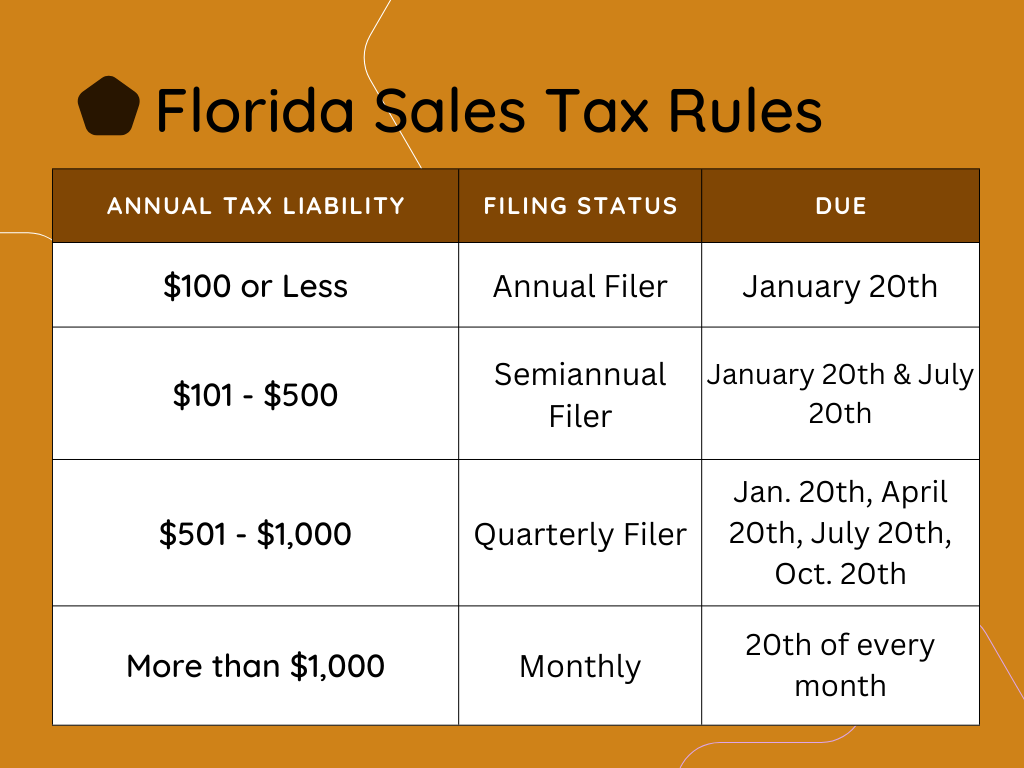
To effectively budget for your Florida trip, the first step is to grasp the fundamental structure of the state’s sales tax. It’s not a monolithic figure but rather a combination of state and local levies that can vary depending on where you are within the expansive state.
The Statewide Base Rate: What You Need to Know
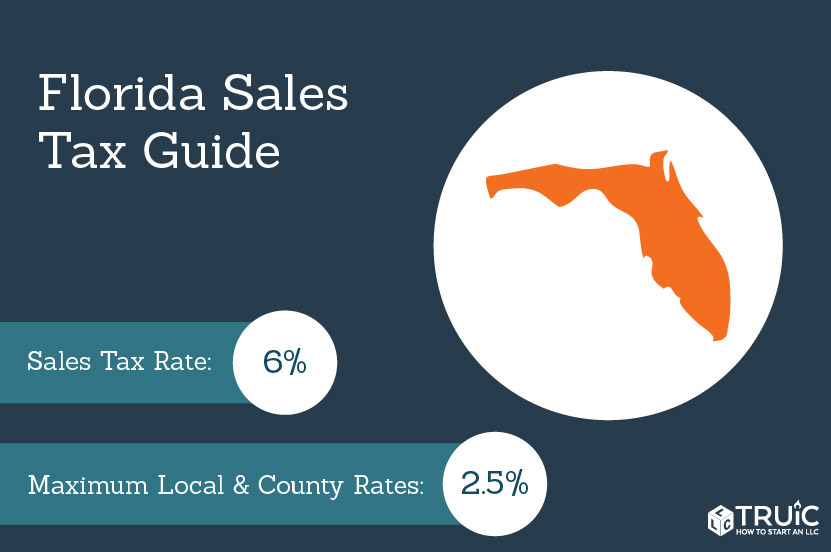
At its core, Florida imposes a statewide sales tax rate of 6%. This is the foundational rate applied to most taxable goods and services purchased throughout the state. From that souvenir t-shirt in Key West to the rental car you pick up at Tampa International Airport, this 6% will be the baseline addition to the sticker price. Understanding this figure is critical for quick mental calculations and for ensuring that the prices you see advertised don’t mislead your budget. It’s a consistent factor that impacts nearly all retail purchases, making it a cornerstone of your budget planning for shopping and general expenditure.
Decoding Local Option Surtaxes: County-Specific Variations
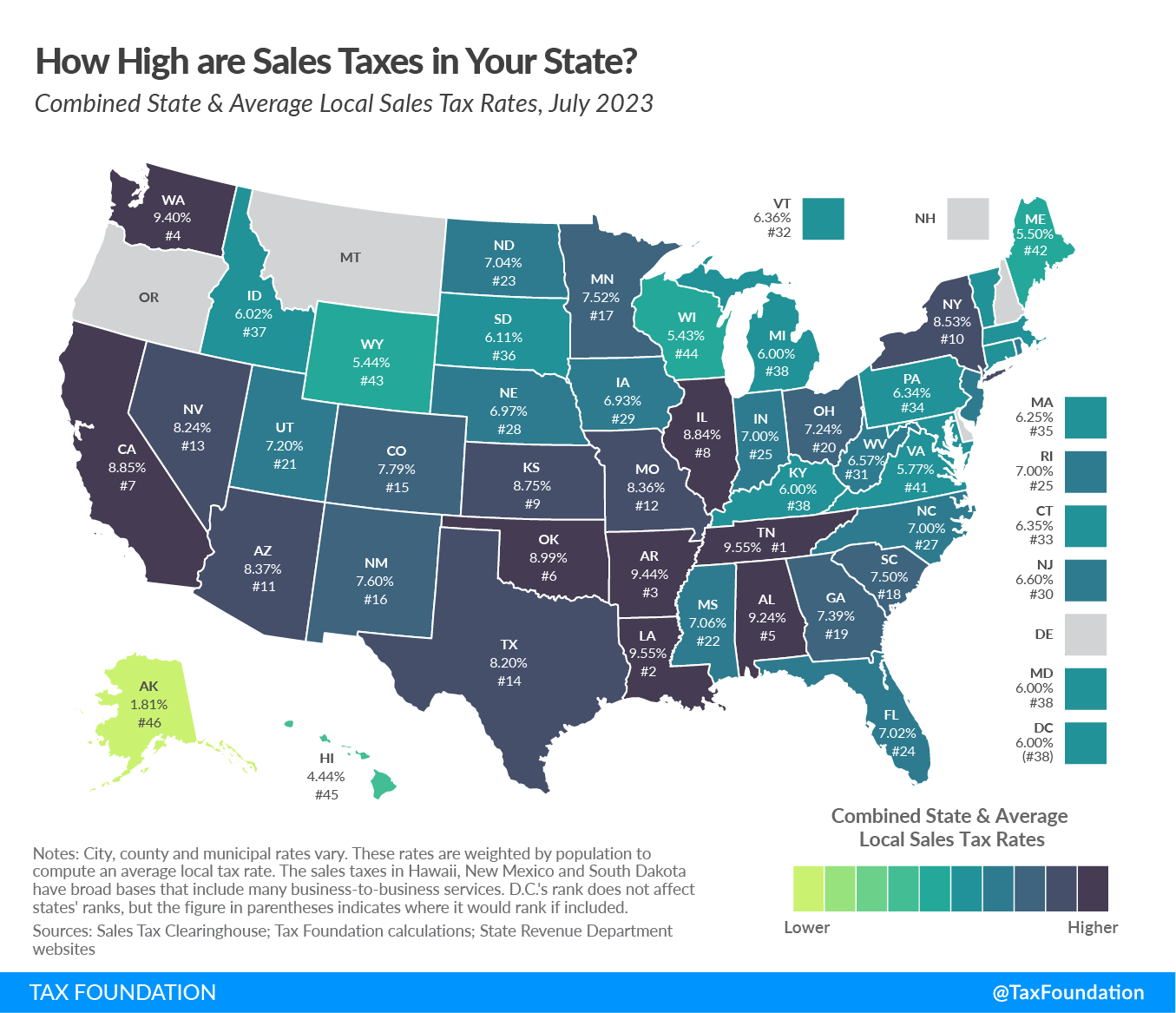
While the 6% state sales tax is uniform, Florida counties have the authority to levy their own “discretionary sales surtaxes,” often referred to as local option surtaxes. These county-specific additions can range from 0.5% to 2%, meaning the total sales tax rate you pay could be anywhere from 6% to 8% in some areas. For a budget traveler, being aware of these local variations is paramount. A purchase made in one county might incur a slightly higher or lower tax than an identical purchase made just across the county line. For instance, Miami-Dade County and Hillsborough County (where Tampa is located) often have higher total sales tax rates due to these surtaxes, which fund local infrastructure projects or other county initiatives. Researching the specific county you plan to visit can help you anticipate these additional costs and adjust your budget accordingly. Tools like the Florida Department of Revenue website provide up-to-date information on these county-specific rates, offering transparency for your financial planning.
What Goods and Services Are Subject to Sales Tax?
The general rule in Florida is that sales tax applies to the retail sale, rental, lease, or license to use tangible personal property, as well as certain services. This broad definition encompasses a wide array of items a traveler might purchase:
- Most physical goods: Souvenirs, clothing, electronics, books, toiletries, sporting goods, etc.
- Prepared food and beverages: Meals purchased at restaurants, cafes, food trucks, and even many items at grocery stores that are considered “prepared” for immediate consumption (e.g., hot foods, deli sandwiches).
- Rental items: Car rentals, bicycle rentals, boat rentals, certain equipment rentals.
- Admission fees: Tickets to theme parks, museums, concerts, sporting events, and other attractions.
- Certain services: While many services are exempt, some, particularly those related to tangible personal property, may be taxable.
Crucially, unprepared food items purchased at grocery stores for home consumption are generally exempt from sales tax. This distinction is a significant opportunity for budget travelers to save, as preparing some of your own meals can substantially reduce your overall spending on food, not just on the food itself but also by avoiding the sales tax on prepared meals.
Sales Tax and Your Florida Accommodation Budget
Accommodation is typically one of the largest expenses for any traveler, and sales tax plays a significant role here. However, in Florida, lodging taxes involve more than just the standard sales tax rate.
The Ins and Outs of Lodging Taxes
When you book a hotel room, vacation rental, or even a campsite in Florida, you’ll encounter two primary taxes: the state sales tax and the local tourist development tax (TDT). The statewide 6% sales tax applies to the rental charge of your accommodation. This is straightforward and consistent across all counties. However, the real variation comes from the TDT.
Beyond Sales Tax: Tourist Development Taxes and Their Impact
The Tourist Development Tax (TDT), also known as “bed tax” or “resort tax,” is an additional charge levied by individual counties on short-term rentals (typically six months or less). This tax is collected in addition to the state sales tax and its local discretionary surtax. TDT rates vary widely by county, ranging from 1% to 6%, with some popular tourist destinations like Orlando (Orange County) having higher rates. These funds are specifically earmarked for tourism promotion and infrastructure, making them a significant part of Florida’s tourism economy.
For a budget traveler, the TDT can add a considerable amount to the final cost of a multi-night stay. For example, a $100 per night hotel room in a county with a 6% state sales tax, a 1% local surtax, and a 5% TDT would actually cost you $100 + $6 (state) + $1 (local surtax) + $5 (TDT) = $112 per night before any resort fees. Always factor these combined taxes into your accommodation budget, as they can quickly add up, especially for longer trips or stays in high-demand areas.
Smart Strategies for Booking Budget-Friendly Stays
To mitigate the impact of these lodging taxes, consider these strategies:
- Compare total costs: When searching for accommodation online, ensure the displayed price includes all taxes and fees. Many booking platforms now show a “total price” breakdown, which is invaluable.
- Look for extended stays: If your travel plans allow, some long-term rentals (typically over six months) may be exempt from the TDT, though they will still be subject to state sales tax for the initial period.
- Consider less touristy areas: Accommodation in counties with lower TDT rates, or even outside major tourist hubs, can offer significant savings. You might find a charming town a short drive from a main attraction that offers better value. For instance, staying slightly outside of Orlando in a neighboring county might reduce your TDT exposure.
- Utilize loyalty programs and discounts: While these don’t directly reduce taxes, they lower the base rate upon which taxes are calculated, thus indirectly reducing the total tax amount.
Navigating Dining and Shopping: Sales Tax on Everyday Expenses
Beyond accommodation, food and shopping are two other major categories where sales tax impacts a budget traveler’s wallet. Strategic choices here can lead to substantial savings.
Eating Out: When Sales Tax Applies to Your Meals
Every time you dine out in Florida – whether at a fine dining restaurant in Sarasota, a casual diner in Jacksonville, or a fast-food joint anywhere in between – your bill will include the state sales tax (plus any applicable local surtax). This applies to all prepared food and beverages, including alcoholic drinks. An average meal costing $20 will likely incur an additional $1.20 to $1.60 in sales tax, depending on the county. Over the course of a trip, this can quickly accumulate, making a dent in your food budget. For the budget traveler, being aware of this consistent charge encourages mindful ordering and an appreciation for alternative dining options.
Grocery Shopping: Distinguishing Taxable from Non-Taxable Items
This is where the savvy budget traveler can really excel. As mentioned, unprepared food items sold at grocery stores are generally exempt from Florida sales tax. This means staples like fresh produce, raw meats, dairy products, most packaged snacks, and ingredients you would use to cook a meal are not taxed.
However, prepared foods – such as hot deli items, ready-to-eat sandwiches, salad bar items, and even pre-made platters – are typically subject to sales tax. The distinction can sometimes be subtle, so if in doubt, check your receipt or ask a store employee. For instance, a whole roasted chicken purchased hot from the deli is taxed, but a cold, uncooked chicken is not.
Budgeting tip: Prioritize buying unprepared groceries and utilizing kitchenettes in your accommodation (if available). This not only saves you money on the food itself but also on the sales tax you’d otherwise pay on restaurant meals.
Retail Therapy: Understanding Tax on Souvenirs and Purchases
Shopping is an integral part of many travel experiences, whether it’s for unique local crafts, brand-name fashion, or just a few essential items you forgot to pack. All tangible personal property purchased at retail stores in Florida will be subject to the state sales tax and any applicable local surtax. This includes everything from gifts and souvenirs to clothing, electronics, and even personal care items. When eyeing that perfect memento, remember to factor in the additional 6% to 8% that will be added to the price. For significant purchases, this percentage can represent a substantial increase over the advertised price. Knowing this helps prevent sticker shock at the checkout and allows for more accurate budgeting for your shopping sprees.
Transportation and Activities: Hidden Sales Tax Considerations
Even when you’re on the move or enjoying Florida’s myriad attractions, sales tax remains a background player, silently impacting your costs.
Rental Cars and Ride-Shares: Expecting the Tax
Renting a car is a popular way to explore Florida, offering freedom and flexibility. The rental fee for your vehicle will be subject to the standard state sales tax and local surtax. Beyond this, car rentals in Florida often come with a host of additional fees and taxes, including a “rental car surcharge” or “tourism tax” which is a separate flat daily fee or percentage, depending on the type of rental. While not strictly sales tax, these fees, combined with sales tax, significantly increase the total cost of a rental. Similarly, services like Uber or Lyft generally include sales tax within their fare calculations, though the exact breakdown isn’t always transparent to the user. Always look for the “total price” when comparing rental options, as the advertised base rate can be misleading without factoring in these statutory additions.
Attractions and Entertainment: What’s Included in the Price?
Florida is world-renowned for its theme parks, museums, and entertainment venues. Admission tickets to these attractions are generally subject to sales tax. Whether you’re heading to Walt Disney World Resort in Orlando, the Salvador Dalí Museum in St. Petersburg, or a professional sports game in Jacksonville, the ticket price will usually have sales tax added. This means a $100 ticket might actually cost you $106 to $108. When budgeting for your entertainment, always assume sales tax will be an additional cost unless explicitly stated otherwise. Many online ticket retailers will show the tax amount before final purchase, allowing you to see the full expenditure.
Fueling Your Florida Adventure: Taxes at the Pump
While the price displayed at the gas pump already includes various federal and state excise taxes, the actual sale of gasoline itself is subject to Florida sales tax. However, unlike most other goods, the sales tax on motor fuel is typically collected at the wholesale level and is already factored into the per-gallon price you see. This means you won’t see an additional line item for sales tax when you pay for gas. This is a subtle distinction, but it’s helpful to understand that while taxes are indeed applied, they are integrated into the price rather than added at the point of sale, simplifying your budgeting for vehicle fuel.
Maximizing Your Budget: Practical Tips for Florida Travelers
Armed with a deeper understanding of Florida’s sales tax, the budget traveler can now employ specific strategies to optimize their spending.
Planning Ahead: Incorporating Sales Tax into Your Overall Budget
The most effective way to manage sales tax is to proactively integrate it into your travel budget. Instead of mentally setting aside $50 for a meal, consider it $53-$54, factoring in the tax. For larger expenses like accommodation or attraction tickets, use an 8% rule of thumb (or research the exact local rate) to add to the base price. This simple adjustment ensures you’re working with realistic figures and prevents unexpected overspending. Create a detailed spreadsheet or use a budgeting app to track anticipated costs for accommodation, dining, transportation, activities, and shopping, adding the relevant tax percentages to each category.
Leveraging Exemptions and Smart Purchasing Choices
Exploiting tax exemptions is a cornerstone of budget travel. As highlighted, purchasing unprepared groceries for meals can significantly reduce your food bill by avoiding sales tax (and the higher costs of prepared food).
- Pack smart: Bring essential toiletries, medications, and basic clothing items from home to avoid purchasing them in Florida and incurring sales tax.
- DIY where possible: Instead of dining out for every meal, prepare picnics for beach days or pack snacks for theme park visits. This not only avoids sales tax on prepared food but also usually offers healthier and cheaper alternatives.
- Look for tax-free events: Occasionally, Florida offers “Sales Tax Holiday” periods, particularly for back-to-school supplies or hurricane preparedness items. While less common for general tourist purchases, being aware of these can offer niche savings if your trip coincides.
Staying Informed: Resources for Tax-Savvy Travelers
Knowledge is power, especially when it comes to managing your budget.
- Florida Department of Revenue (DOR) website: This is the official source for all tax-related information. You can find current sales tax rates, discretionary sales surtax rates by county, and detailed explanations of taxable and exempt items.
- Local County Tax Collector Websites: Many county websites provide specific information on their local option surtaxes and tourist development taxes, giving you precise figures for your chosen destinations within Florida.
- Travel forums and blogs: Engage with other budget travelers online. They often share practical tips and real-world experiences regarding costs and how to navigate them effectively.
By approaching your Florida adventure with a clear understanding of its sales tax landscape, you empower yourself to make informed decisions that align with your budget. From calculating accommodation costs to smart grocery shopping and mindful retail therapy, every dollar saved on tax is a dollar that can be reinvested into enhancing your unforgettable experience in the Sunshine State. Florida is a destination of unparalleled beauty and excitement; with careful financial planning, it can also be an incredibly rewarding experience for the budget-conscious explorer.
LifeOutOfTheBox is a participant in the Amazon Services LLC Associates Program, an affiliate advertising program designed to provide a means for sites to earn advertising fees by advertising and linking to Amazon.com. Amazon, the Amazon logo, AmazonSupply, and the AmazonSupply logo are trademarks of Amazon.com, Inc. or its affiliates. As an Amazon Associate we earn affiliate commissions from qualifying purchases.