
The allure of the American Southwest is undeniable, drawing travelers from across the globe to its dramatic landscapes and vibrant cities. For many, a journey to Las Vegas, Nevada, serves as a gateway to exploring the region’s natural wonders. Among the most sought-after destinations is Bryce Canyon National Park, a place of otherworldly beauty with its iconic hoodoos. This article delves into the distance between these two iconic locations, offering practical advice and insights for planning your trip, ensuring you can seamlessly transition from the dazzling lights of the Strip to the serene majesty of Bryce Canyon.
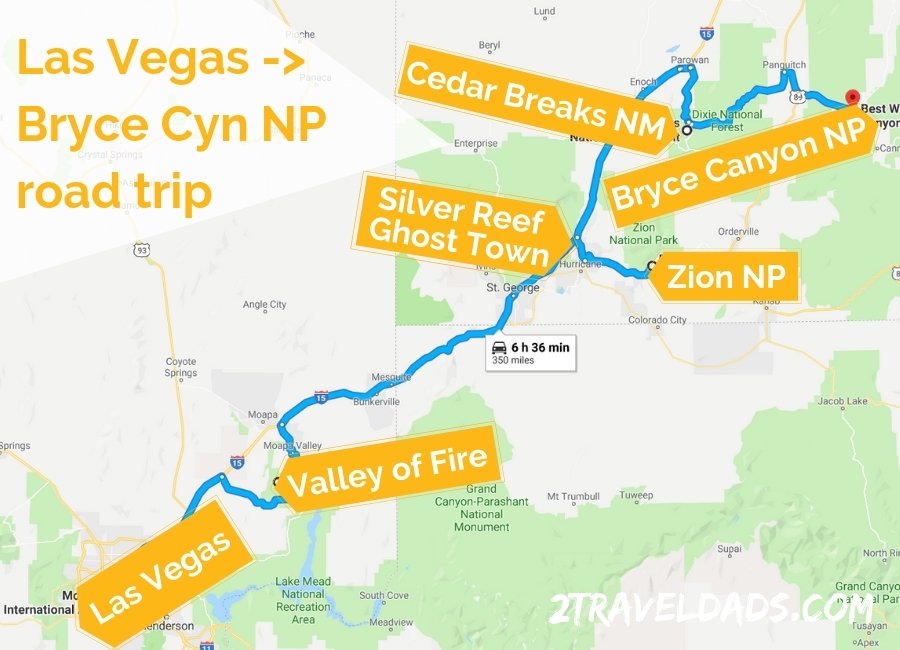
The question of “How far to Bryce Canyon from Las Vegas?” is a common one for adventurers considering this popular road trip. The answer, in terms of miles and time, is straightforward, but the journey itself is rich with opportunities for discovery. Understanding the driving distance, potential scenic detours, and practical considerations will help you maximize your experience, whether you’re seeking a quick overnight escape or integrating this natural marvel into a longer Southwestern itinerary.
Planning Your Road Trip: Distance and Time
The direct driving distance between Las Vegas, Nevada, and Bryce Canyon National Park, Utah, is approximately 260 miles (about 418 kilometers). This journey typically takes around 4 to 4.5 hours of pure driving time, assuming no significant stops or traffic delays. However, this is just a baseline. Several factors can influence the actual travel time and the overall experience.
The Most Direct Route
The most common and generally the fastest route from Las Vegas to Bryce Canyon involves heading north on Interstate 15 (I-15). You’ll drive through Nevada and enter Utah. Approximately 130 miles into Utah, you will take exit 95 for State Route 20 East towards Junction and Antimony. This scenic byway will then lead you to U.S. Route 89 South. After a short drive south on U.S. Route 89, you will turn east onto State Route 12, a designated All-American Road, which directly leads you to the entrance of Bryce Canyon National Park.
This route offers a good balance of efficiency and scenic beauty, especially as you approach Utah. The landscape begins to transform from the desert scrub of Nevada to the rolling hills and dramatic red rock formations characteristic of southern Utah.
Factors Affecting Travel Time
While the 4-4.5 hour estimate is a good starting point, it’s crucial to account for several variables that can add to your travel time:
- Traffic: Leaving Las Vegas, especially during peak hours or on weekends, can mean encountering traffic congestion. Plan your departure time to avoid the busiest periods.
- Road Construction: Like any major highway, I-15 and the routes leading to Bryce Canyon can experience road construction. Checking local traffic advisories before you leave is always a good practice.
- Weather Conditions: Southern Utah experiences varied weather. While generally pleasant, especially during spring and fall, winter can bring snow and ice, which can slow down travel and even lead to temporary road closures. Summer can be very hot, necessitating frequent stops for hydration.
- Stops and Sightseeing: This is where the journey truly becomes an experience. The direct route might be fast, but it bypasses many potential points of interest. If you plan to stop for meals, gas, or to admire the scenery, add significant time to your estimate.
Scenic Detours and Must-See Attractions Along the Way
The beauty of a Las Vegas to Bryce Canyon road trip isn’t just the destination; it’s the journey itself. Utah is renowned for its National Parks and stunning vistas, and the route to Bryce Canyon offers numerous opportunities for memorable stops. Integrating these sights into your itinerary can transform a simple drive into an unforgettable adventure.
Exploring Zion National Park
One of the most popular detours, and arguably the most magnificent, is a visit to Zion National Park. This park is located not far off the I-15 corridor on your way to Bryce Canyon. From Las Vegas, you can take I-15 North and exit at Springdale, Utah (Exit 16). The drive to the park entrance from Las Vegas is about 2.5 to 3 hours.
Zion National Park is famous for its towering sandstone cliffs, narrow canyons, and diverse hiking trails. Famous features include the Narrows, where you can hike through the Virgin River, and Angels Landing, a challenging hike with breathtaking panoramic views. The Zion Canyon Scenic Drive is accessible by shuttle bus for most of the year, offering access to key trailheads and viewpoints like the Emerald Pools and Weeping Rock.
Spending even a few hours in Zion can be incredibly rewarding. If you have an extra day, you could easily dedicate it to exploring this park. Be aware that Zion can get very crowded, especially during peak season, so arrive early or consider visiting during the shoulder seasons.
Scenic Byway 12: A Gateway to Wonder
As mentioned, the route to Bryce Canyon takes you onto Scenic Byway 12, often called “A Journey Through Time Scenic Byway.” This highway is a gem in itself, traversing some of Utah‘s most diverse and stunning landscapes. Traveling east on Byway 12 from U.S. 89, you’ll encounter a dramatic shift in scenery as you approach Bryce Canyon.
This route offers access to other incredible natural attractions:
- Grand Staircase-Escalante National Monument: This vast expanse of rugged terrain offers incredible geological formations, slot canyons, and remote wilderness. While exploring Grand Staircase-Escalante requires significant time and planning, even a brief drive along Byway 12 provides glimpses of its grandeur.
- Capitol Reef National Park: Further east on Byway 12, Capitol Reef National Park showcases the Waterpocket Fold, a geologic wrinkle stretching over 100 miles. You can see petroglyphs, historic orchards, and the iconic Fruita district. While a substantial detour from the direct path to Bryce Canyon, it’s an option for those with more time.
Smaller Towns and Unique Stops
Beyond the major National Parks, the drive from Las Vegas to Bryce Canyon passes through charming small towns and offers unique roadside attractions.
- St. George, Utah: Located about 2 hours from Las Vegas, St. George is a larger city in Utah that can be a good stop for a meal or to refuel. It also boasts a historic Tabernacle and is a gateway to other attractions like Snow Canyon State Park.
- Panguitch, Utah: This historic pioneer town is a good place to stop for gas or a quick bite before heading into Bryce Canyon. It offers a glimpse into Utah‘s past and serves as a practical stopping point.
- Kodachrome Basin State Park: Located just a short drive off Byway 12 before Bryce Canyon, this state park is known for its unique sedimentary pipes and vibrant colors, offering a less crowded but equally beautiful experience.
When planning your route, consider how much time you have. A day trip is feasible but rushed. An overnight stay in or near Bryce Canyon allows for a more relaxed pace and the chance to experience the park at different times of day, including sunrise and sunset, which are particularly magical.
Experiencing Bryce Canyon National Park
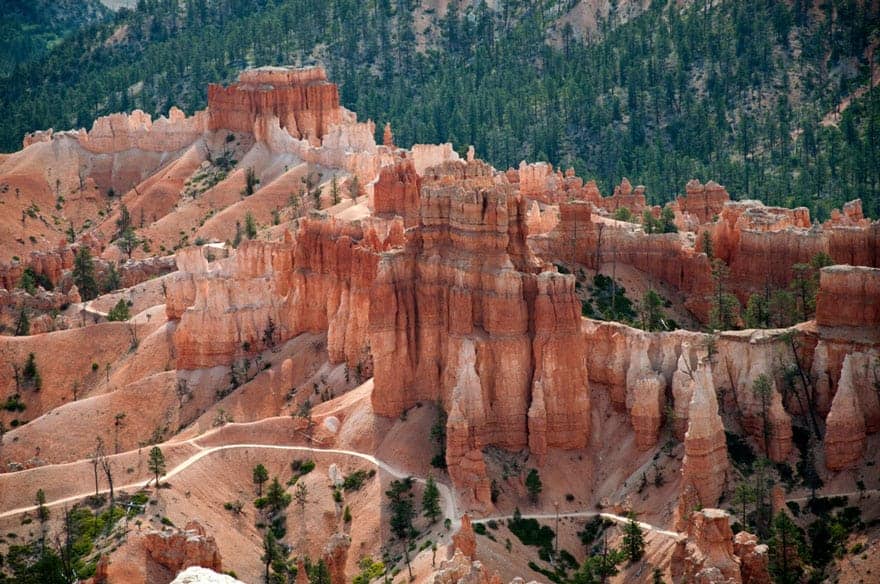
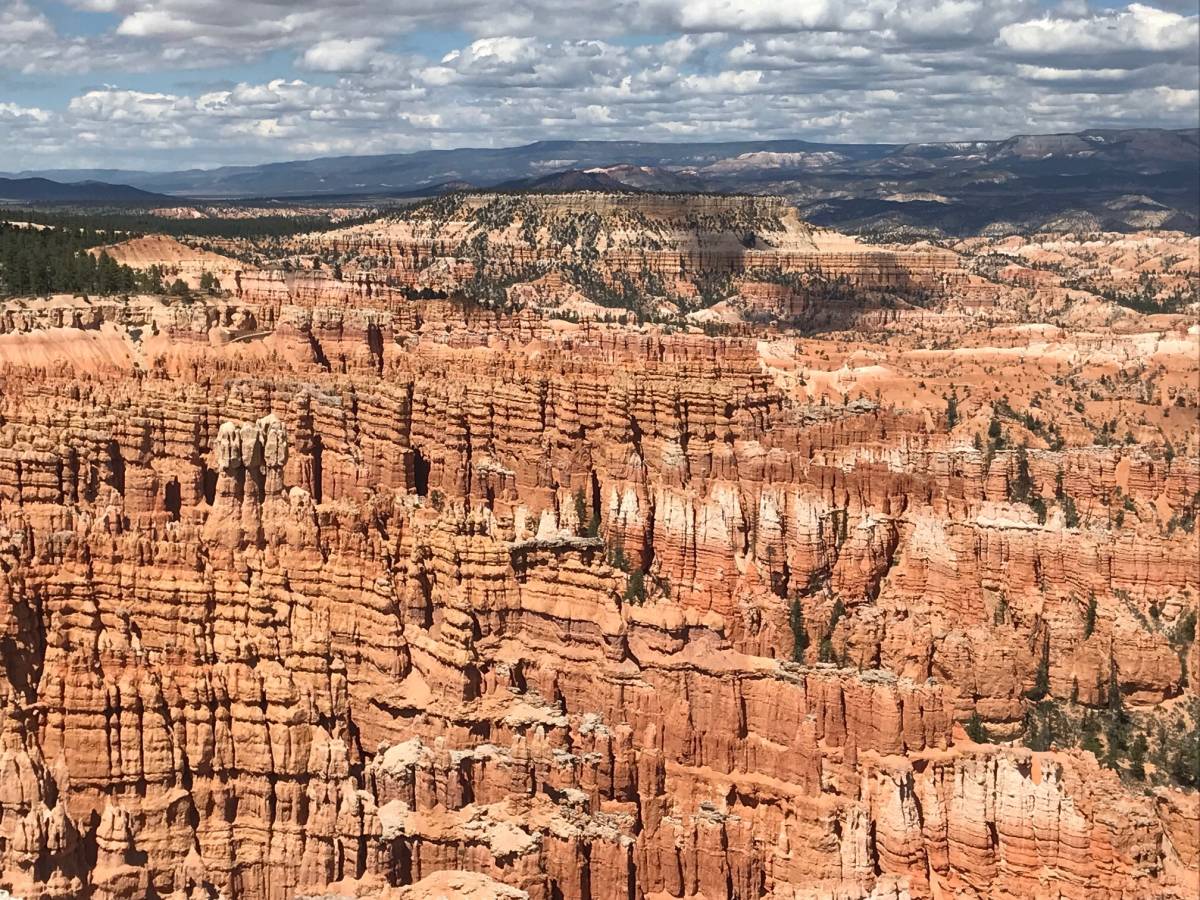
Arriving at Bryce Canyon National Park marks the culmination of your journey from Las Vegas. This park is unlike any other, famous for its dense concentration of hoodoos—irregular columns of rock eroded by millennia of weathering and erosion. These striking geological formations create an amphitheater of natural sculptures that have captivated visitors for generations.
Key Viewpoints and Hikes
The park’s main attractions are its viewpoints overlooking the Amphitheater and its network of hiking trails.
- Sunrise Point, Sunset Point, Inspiration Point, and Bryce Point: These are the most iconic viewpoints, offering unparalleled vistas of the hoodoo-filled valleys. Sunrise Point and Sunset Point are particularly popular for witnessing the magical light as the sun traverses the sky, casting dramatic shadows and illuminating the hoodoos in hues of orange, pink, and red. Inspiration Point provides a sweeping panorama, while Bryce Point offers a slightly different perspective on the vastness of the Amphitheater.
- Navajo Loop Trail and Queen’s Garden Trail: These are two of the most popular trails that allow you to descend into the hoodoos. The Navajo Loop Trail is famous for its steep switchbacks, including Wall Street (seasonal) and Two Bridges. The Queen’s Garden Trail offers a more gentle descent and the chance to see formations like the “Queen Victoria.” Many visitors opt to combine these trails for a moderate 3-mile (4.8 km) hike that immerses you in the heart of the hoodoos.
- Fairyland Loop Trail: For a longer and more challenging hike, the Fairyland Loop Trail (8 miles/13 km) offers stunning views and fewer crowds.
Planning Your Visit: Accommodation and Best Times
To make the most of your trip to Bryce Canyon, thoughtful planning is essential.
- Accommodation: Within the park, The Lodge at Bryce Canyon offers a historic stay, providing unparalleled access to the park’s beauty. For more options, nearby towns like Bryce Canyon City and Tropic offer a range of hotels, motels, and vacation rentals. If you’re coming from Las Vegas with more time, consider staying in Springdale near Zion National Park for a night or two before continuing to Bryce Canyon.
- Best Time to Visit: Bryce Canyon is a year-round destination, but each season offers a different experience.
- Spring (April-May) and Fall (September-October): These are often considered the best times. The weather is generally pleasant, with cooler temperatures ideal for hiking. The crowds are also typically smaller than in the summer. Fall foliage can add a spectacular splash of color to the landscape.
- Summer (June-August): This is the peak season. Expect warm to hot weather and larger crowds. However, summer also offers the longest daylight hours, perfect for maximizing your exploration. Thunderstorms can occur in the afternoon.
- Winter (November-March): Bryce Canyon is transformed into a winter wonderland, with snow dusting the hoodoos. This is a magical time for photographers and those seeking a quieter experience. Snowshoeing and cross-country skiing are popular activities. Access to some roads and trails may be limited.
Remember to book accommodation and any desired tours well in advance, especially if you’re planning to visit during the peak season. The distance from Las Vegas to Bryce Canyon is manageable for a long day trip, but an overnight stay is highly recommended to truly appreciate the park’s unique splendor. Whether you’re drawn by the natural wonders, the unique rock formations, or the sheer escapism, Bryce Canyon offers a profound contrast to the energy of Las Vegas, providing a fulfilling addition to any Southwestern adventure.
LifeOutOfTheBox is a participant in the Amazon Services LLC Associates Program, an affiliate advertising program designed to provide a means for sites to earn advertising fees by advertising and linking to Amazon.com. Amazon, the Amazon logo, AmazonSupply, and the AmazonSupply logo are trademarks of Amazon.com, Inc. or its affiliates. As an Amazon Associate we earn affiliate commissions from qualifying purchases.