
The question “What is the airport in Florida?” often arises from travelers eager to explore the Sunshine State’s diverse attractions, from pristine beaches and vibrant cities to world-famous theme parks. However, Florida is not served by a single airport. As one of the United States’ most popular tourist destinations and a significant economic hub, the state boasts a comprehensive network of international and regional airports, each serving as a crucial gateway to specific regions and experiences. Understanding this intricate system is key to planning a seamless and enjoyable journey to Florida. This guide delves into the primary airports that connect travelers to every corner of this enchanting state, helping you navigate your options and make the best choice for your next adventure.
Florida’s Major Aviation Hubs: A Gateway to the Sunshine State
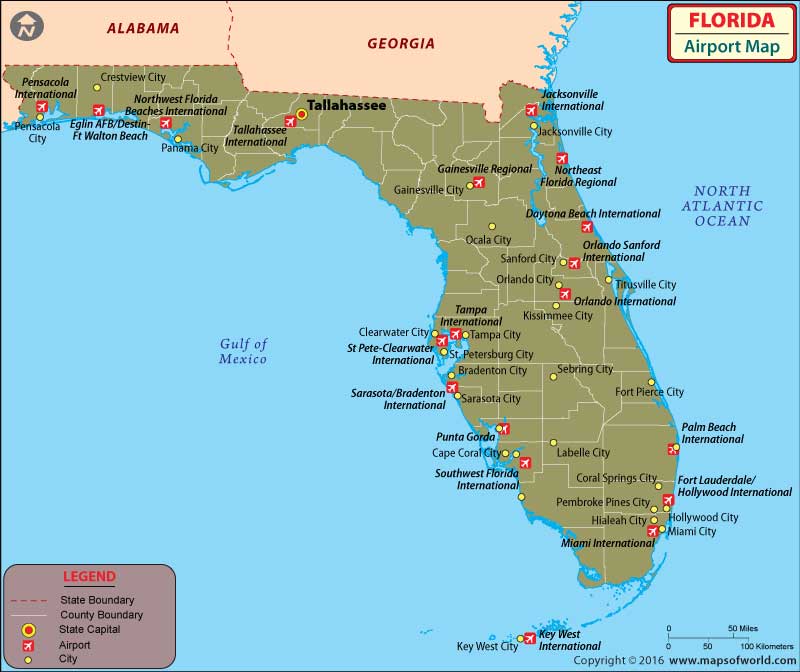
Florida’s strategic location and immense popularity as a tourist destination necessitate a robust aviation infrastructure. The state is home to several major international airports, complemented by numerous regional facilities, all playing a vital role in connecting millions of visitors and residents. These airports are not merely transit points; they are complex ecosystems designed to welcome, serve, and efficiently move travelers to their ultimate destinations, whether it’s the magic of Orlando, the vibrant culture of Miami, or the tranquil beauty of the Gulf Coast beaches.
Primary International Gateways: Miami and Orlando
When people think of travel to Florida, two cities often come to mind first: Miami and Orlando. Correspondingly, Miami International Airport (MIA) and Orlando International Airport (MCO) stand out as the state’s two largest and busiest airports, handling an incredible volume of international and domestic traffic annually.
Miami International Airport (MIA) serves as a critical nexus for international travel, particularly for passengers connecting to Latin America and the Caribbean. Located just 8 miles northwest of downtown Miami, MIA is a hub for American Airlines and a significant gateway for countless other global carriers. Its strategic position makes it the preferred entry point for those visiting South Florida, including the iconic beaches of Miami Beach, the vibrant arts scene of Wynwood, and the natural wonders of the Everglades National Park. The airport boasts extensive facilities, including diverse dining options, retail stores, and efficient ground transportation services, making it a well-equipped starting point for any South Florida adventure.
Further north, in Central Florida, Orlando International Airport (MCO) reigns supreme as the primary gateway to the world-renowned theme parks. Positioned approximately 6 miles southeast of Orlando’s central business district, MCO is synonymous with family vacations and magical experiences. It is the closest major airport to Walt Disney World Resort, Universal Orlando Resort, and SeaWorld Orlando. MCO consistently ranks among the busiest airports in the United States by passenger traffic, reflecting its status as a premier tourist destination. The airport is meticulously designed to handle large volumes of leisure travelers, featuring a wide array of amenities, including a hotel directly within the terminal, expansive retail and dining areas, and various transportation links to theme parks and other attractions.
Key Domestic and Regional Airports: Connecting Local Destinations
Beyond Miami and Orlando, Florida is dotted with other significant airports that play crucial roles in domestic travel and offer convenient access to specific regions. These airports often provide excellent alternatives, potentially saving travelers time and money depending on their final destination within the state.
Fort Lauderdale-Hollywood International Airport (FLL) is a major player in South Florida, serving as a popular hub for budget airlines and offering direct access to the beautiful beaches and vibrant nightlife of Fort Lauderdale. Located a mere 3 miles southwest of downtown Fort Lauderdale, FLL often provides more economical flight options compared to MIA, making it an attractive choice for many travelers heading to the Miami area or cruises departing from Port Everglades.
On Florida’s west coast, Tampa International Airport (TPA) is consistently lauded as one of the best airports in the country for its efficiency, design, and passenger experience. TPA is the gateway to the Tampa Bay area, including Tampa, St. Petersburg, and Clearwater, as well as the stunning Gulf Coast beaches. Its unique landside/airside terminal layout simplifies navigation, and its commitment to passenger comfort makes it a pleasure to fly through.
Further north on the Atlantic Coast, Jacksonville International Airport (JAX) serves as the primary airport for North Florida and southeast Georgia. Jacksonville is a diverse city with a rich history and beautiful natural spaces, and JAX offers convenient access to areas like Amelia Island and the historic city of St. Augustine.
Other notable airports include Southwest Florida International Airport (RSW) in Fort Myers, serving the beautiful Southwest Florida region, including Naples and Sanibel Island; Palm Beach International Airport (PBI) in West Palm Beach, an elegant option for those visiting the upscale communities of Palm Beach County; and Sarasota-Bradenton International Airport (SRQ), a smaller, more intimate airport offering easy access to the cultural attractions of Sarasota and the stunning beaches of Bradenton. For visitors heading to the Florida Panhandle, Pensacola International Airport (PNS) and Northwest Florida Beaches International Airport (ECP) in Panama City Beach are the main entry points.
Navigating Florida’s Busiest Airports
Understanding the layout and operational nuances of Florida’s busiest airports can significantly enhance your travel experience. While all major airports strive for efficiency, each has unique characteristics that travelers should be aware of, particularly during peak travel seasons. From navigating terminals to understanding transportation options, a little preparation can go a long way.
Orlando International Airport (MCO): Your First Stop for Theme Park Adventures
Orlando International Airport (MCO) is primarily known for its direct connection to the magic of Central Florida’s theme parks. Its large, modern terminals are designed to accommodate the heavy influx of leisure travelers, often families. MCO operates two main terminals, A and B, which are part of one large building, and a newer Terminal C. The airport offers numerous ground transportation options, including dedicated shuttle services to Walt Disney World Resort and Universal Orlando Resort, as well as rental cars, taxis, and rideshares. Planning your transportation from MCO in advance, especially during peak holiday periods, is highly recommended to avoid delays. The airport is continually expanding, with ongoing projects to enhance capacity and improve passenger flow, reflecting Orlando’s sustained growth as a global tourism magnet.
Miami International Airport (MIA): The Hub for Latin American Connections and South Florida Exploration
Miami International Airport (MIA) serves a different demographic, with a significant emphasis on international travel, particularly from the Americas. It is a sprawling complex with three main terminals (North, Central, and South) that are interconnected. Navigating MIA can sometimes be challenging due to its size and the sheer volume of passengers. However, efficient signage and the MIA Mover, an automated people mover system, facilitate transfers between terminals and to the Miami Central Station, which connects to Metrorail, Tri-Rail, and bus services. For those exploring Miami and South Florida, MIA offers extensive car rental facilities and quick access to major highways. Due to its role as a major international gateway, be prepared for potentially longer queues at immigration and customs, especially during peak arrival times.
Fort Lauderdale-Hollywood International Airport (FLL) and Tampa International Airport (TPA): Alternative Gateways and Local Connections
For travelers seeking efficiency or targeting specific regions, Fort Lauderdale-Hollywood International Airport (FLL) and Tampa International Airport (TPA) offer excellent alternatives. FLL is a more compact airport than MIA, often resulting in quicker processing times for domestic flights. It’s an ideal choice for visiting Fort Lauderdale, Pompano Beach, and even Miami (which is a relatively short drive away). TPA, on the other hand, is renowned for its user-friendly design, featuring a central landside terminal connected by automated people movers to several airside satellite terminals. This innovative layout minimizes walking and streamlines the travel experience, consistently earning TPA high marks in passenger satisfaction surveys. It’s the perfect entry point for exploring the Tampa Bay area, the beautiful beaches of Clearwater and St. Petersburg, and nearby attractions like Busch Gardens Tampa Bay.
Choosing the Right Airport for Your Florida Trip
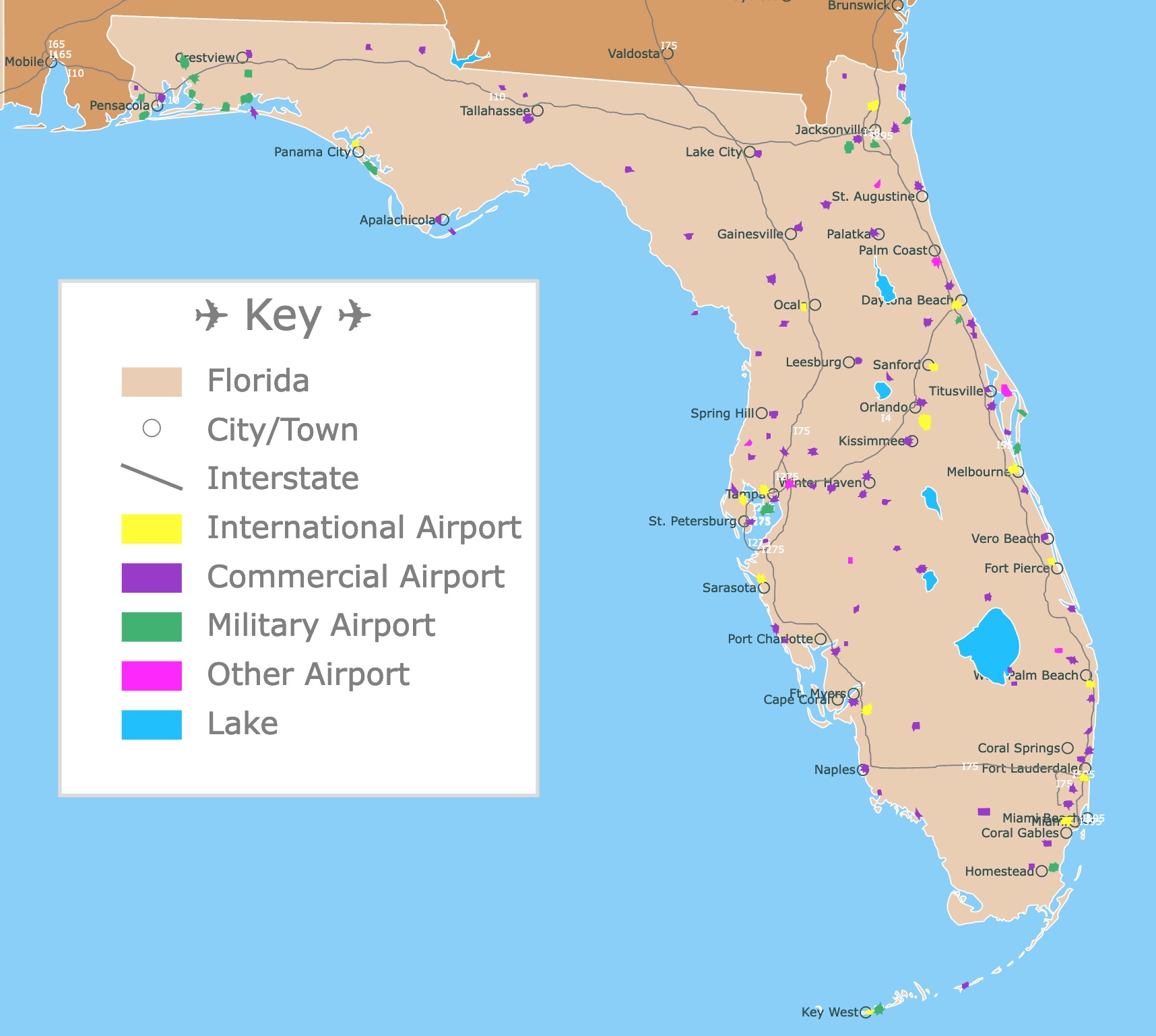
Selecting the appropriate airport is a crucial decision that can significantly impact the overall convenience, cost, and enjoyment of your Florida vacation. With so many options available, a thoughtful approach to planning your arrival and departure points is essential.
Proximity to Your Destination: Mapping Your Arrival
The most critical factor in choosing an airport is its proximity to your final destination. While flying into a major hub like Orlando International Airport (MCO) might offer more flight options, it may not be the most practical if your destination is, for example, Key West or Pensacola.
- Orlando Area Theme Parks: Orlando International Airport (MCO) is the obvious choice for Walt Disney World Resort, Universal Orlando Resort, and the Kennedy Space Center Visitor Complex.
- South Florida Beaches and City Life: Miami International Airport (MIA) and Fort Lauderdale-Hollywood International Airport (FLL) are best for Miami, Fort Lauderdale, Palm Beach, and cruises from PortMiami or Port Everglades.
- Florida Gulf Coast: Tampa International Airport (TPA) serves the Tampa Bay area and nearby Gulf Coast beaches. For destinations further south on the Gulf Coast like Naples or Sanibel Island, Southwest Florida International Airport (RSW) in Fort Myers is ideal. Sarasota-Bradenton International Airport (SRQ) is perfect for Sarasota and Bradenton.
- North Florida and Historic Sites: Jacksonville International Airport (JAX) is the gateway to Jacksonville, St. Augustine, and Amelia Island.
- Florida Panhandle: Pensacola International Airport (PNS) or Northwest Florida Beaches International Airport (ECP) are the best options.
Airfare and Flight Options: Balancing Cost and Convenience
While proximity is key, flight availability and cost are equally important. Larger airports like MIA and MCO typically offer a greater number of direct flights and competitive pricing from a wider range of airlines. However, sometimes flying into a slightly smaller, nearby airport (e.g., FLL instead of MIA for a Miami trip) can result in significant savings, even after accounting for ground transportation. It’s always advisable to check flight prices for several airports within a reasonable driving distance of your final destination. Consider the trade-off: is the time saved by flying directly to the closest airport worth the potentially higher ticket price?
Transportation from the Airport: Grounding Your Journey
Finally, consider how you will get from the airport to your lodging. Florida’s airports offer various ground transportation options, including rental cars, taxis, rideshare services (Uber/Lyft), and public transit.
- Rental Cars: Essential for exploring much of Florida, especially if your destination is outside a major city center or involves multiple stops. Most major airports have large, dedicated rental car centers.
- Shuttles and Buses: Many hotels, particularly in Orlando, offer complimentary shuttle services. Shared-ride shuttles are also popular and can be a cost-effective option.
- Public Transportation: Options vary by city. Miami International Airport connects to the Metrorail, while Orlando has limited public bus routes from the airport. Tampa International Airport has bus service to downtown Tampa.
- Rideshares & Taxis: Widely available at all major airports, offering convenience but potentially higher costs for longer distances.
Factor in the cost and time of this “last mile” of your journey when selecting your arrival airport. A cheaper flight to a more distant airport might negate any savings if ground transportation is expensive or time-consuming.
Enhancing Your Airport Experience in Florida
Beyond getting you to your destination, Florida’s airports are designed to provide a comfortable and often enjoyable experience. From diverse dining options to efficient travel tips, understanding what to expect can make your transit smoother.
Amenities and Services: Beyond the Boarding Gate
Modern airports are increasingly becoming destinations in themselves, offering a wealth of amenities. Florida’s major airports are no exception:
- Dining and Shopping: Expect a wide range of restaurants, cafes, and bars catering to various tastes and budgets. Duty-free shops, boutiques, and newsstands are also prevalent. Orlando International Airport, for example, boasts an impressive selection of eateries, while Tampa International Airport is known for integrating local Tampa flavors into its offerings.
- Lounges: Many airports offer airline-specific lounges or independent lounges (e.g., Priority Pass) where travelers can relax, work, and enjoy complimentary food and beverages away from the bustling terminals.
- Wi-Fi and Charging Stations: Free Wi-Fi is standard across all major Florida airports, along with ample charging stations for electronic devices.
- Pet Relief Areas: For travelers with furry companions, designated pet relief areas are available both pre- and post-security.
- Art and Culture: Some airports, like Miami International Airport and Tampa International Airport, showcase local art installations and cultural exhibits, offering a pleasant distraction during layovers.
Travel Tips for Florida Airports: Smooth Departures and Arrivals
To ensure a stress-free experience, keep these tips in mind when traveling through Florida’s airports:
- Arrive Early: Especially during peak travel seasons (winter holidays, spring break, summer), airports can be very busy. Aim to arrive at least two hours before domestic flights and three hours for international flights.
- Check Flight Status: Always verify your flight status and gate information before heading to the airport and again upon arrival.
- Utilize Technology: Use airline apps for mobile check-in, boarding passes, and real-time updates. Many airports also have their own apps with interactive maps and information.
- TSA PreCheck/Clear: Consider enrolling in TSA PreCheck or CLEAR programs to expedite security screening, especially if you’re a frequent traveler.
- Stay Hydrated: Carry a reusable water bottle and fill it after passing security to stay hydrated, particularly in Florida’s warm climate.
- Plan Ground Transport: Have your ground transportation booked or planned before you land to minimize waiting times and stress.
The Economic and Tourism Impact of Florida’s Airports
Florida’s airports are more than just transit points; they are vital economic engines, integral to the state’s prosperity and its status as a global tourism leader. Their operational efficiency and expansive networks directly support millions of jobs and contribute billions to the state’s economy.
Supporting Tourism and Local Economies
The success of Florida’s tourism industry, which attracts over 130 million visitors annually, is inextricably linked to the capabilities of its airports. These gateways facilitate the arrival of tourists heading to attractions like Walt Disney World Resort, Universal Orlando Resort, the beaches of Miami, Fort Lauderdale, and the Gulf Coast, and the vibrant arts and culture scenes in cities across the state. The sheer volume of passenger traffic generates substantial revenue not only for the airlines and airport operations but also for hotels, restaurants, transportation services, and retail businesses throughout Florida. Moreover, the cargo operations at airports like Miami International Airport play a critical role in supporting international trade, particularly perishable goods and high-tech components, further bolstering the state’s diverse economy.

Future Developments and Growth
Recognizing their importance, Florida’s airports are continuously undergoing modernization and expansion projects. Orlando International Airport recently opened its new Terminal C, significantly increasing its capacity and enhancing the passenger experience with innovative technology and design. Miami International Airport has ongoing initiatives to improve infrastructure and efficiency, while Tampa International Airport regularly invests in its acclaimed facilities. These developments are crucial for accommodating future growth in both passenger and cargo traffic, ensuring that Florida remains a premier travel destination and a robust economic player on the global stage. The ongoing commitment to innovation and expansion underscores the strategic importance of these airports to the very fabric of Florida’s travel landscape and its future prosperity.
LifeOutOfTheBox is a participant in the Amazon Services LLC Associates Program, an affiliate advertising program designed to provide a means for sites to earn advertising fees by advertising and linking to Amazon.com. Amazon, the Amazon logo, AmazonSupply, and the AmazonSupply logo are trademarks of Amazon.com, Inc. or its affiliates. As an Amazon Associate we earn affiliate commissions from qualifying purchases.