
The question “How far is California from Las Vegas?” is a common one, frequently posed by travelers eager to experience the vibrant energy of Sin City or the diverse landscapes of the Golden State. While seemingly straightforward, the answer is nuanced, depending heavily on your specific starting point within California and your chosen mode of transport. California is a vast state, stretching over 800 miles from north to south, meaning the journey to Las Vegas can range from a relatively quick drive to a multi-day excursion. This comprehensive guide aims to demystify the distances and travel options, providing insightful advice for planning your perfect trip between these iconic Western U.S. destinations.

Understanding the Geographical Scope: California’s Diverse Proximity to Las Vegas
The immense geographical diversity of California is the primary factor dictating the distance to Las Vegas. Depending on whether you’re departing from the bustling metropolises of Southern California or the scenic beauty of the northern reaches, your travel time and experience will vary dramatically.
The Nearest California Cities to Las Vegas
For most travelers, the journey to Las Vegas originates from Southern California, home to millions of residents and a major tourist gateway. These cities offer the most direct and manageable routes.
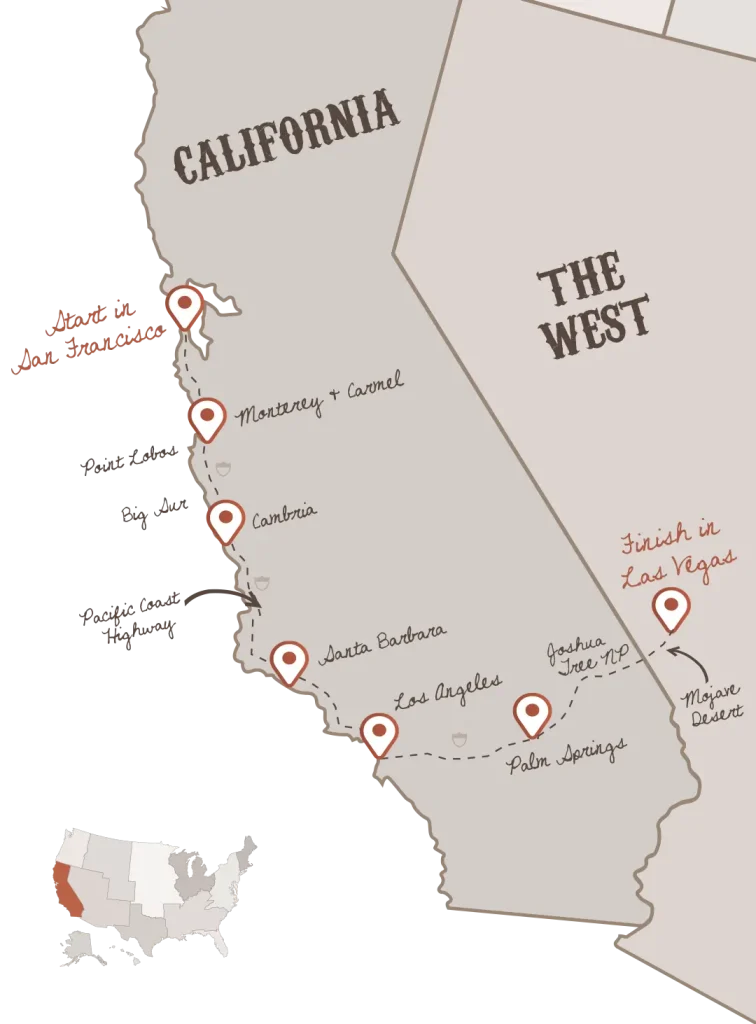
- Los Angeles (LA): Arguably the most common departure point, Los Angeles is approximately 270 miles (435 km) from Las Vegas. By car, this typically translates to a 4 to 5-hour drive, though traffic conditions, especially when leaving LA, can easily extend this.
- San Diego: Located further south, San Diego is about 330 miles (531 km) from Las Vegas. The drive usually takes around 5 to 6 hours, primarily via I-15.
- Palm Springs: A popular desert resort city, Palm Springs is closer to Las Vegas than LA, at roughly 230 miles (370 km). The drive typically takes 3.5 to 4 hours, offering a slightly quicker escape to Nevada.
- Riverside: Situated in the Inland Empire, Riverside is approximately 220 miles (354 km) away, with a driving time of 3 to 4 hours, making it one of the closest major metropolitan areas.
These Southern California cities serve as crucial hubs for road trips and offer numerous flight options to Las Vegas, making them ideal starting points for travelers prioritizing efficiency.
Further Afield: Central and Northern California
Venturing beyond Southern California significantly increases the distance and travel time to Las Vegas, often necessitating different planning considerations.
- San Francisco (Bay Area): From the iconic Golden Gate City, Las Vegas is about 570 miles (917 km) away. A drive from San Francisco can take anywhere from 8 to 10 hours, often making flying a more practical option for many.
- Sacramento: The state capital is roughly 560 miles (901 km) from Las Vegas, with a comparable driving time of 8 to 9 hours.
- Yosemite National Park: If you’re combining a nature retreat with city lights, Yosemite National Park is approximately 380 miles (612 km) from Las Vegas. However, the mountainous terrain and seasonal road closures (like Tioga Pass) can make this a 6- to 8-hour drive, or even longer with detours.
- Lake Tahoe: Nestled in the Sierra Nevada mountains, Lake Tahoe is about 450 miles (724 km) from Las Vegas. This journey typically takes 7 to 8 hours by car, offering stunning scenery but requiring careful attention to weather and road conditions, especially in winter.
For those traveling from Central or Northern California, the concept of “how far” extends beyond mere mileage to encompass the commitment of a full day of driving or the convenience of air travel.
Navigating the Journey: Popular Travel Routes and Modes
Once you’ve pinpointed your starting point, the next crucial step is choosing your mode of transportation. Each option presents unique advantages and disadvantages in terms of cost, time, and overall experience.
Driving: The Classic Road Trip Experience
The quintessential American road trip often involves traversing the desert landscapes between California and Las Vegas. It offers flexibility and the opportunity for spontaneous adventures.
The primary artery connecting Southern California to Las Vegas is Interstate 15. This highway takes you directly through the Mojave Desert, offering a relatively straightforward drive. Key considerations for a smooth road trip include:
- Traffic: Be prepared for significant traffic congestion, especially on Friday afternoons/evenings leaving Southern California and on Sunday afternoons/evenings returning from Las Vegas. Major bottlenecks occur near Los Angeles and the California-Nevada border at Barstow and Baker.
- Gas Stops: While there are several gas stations along I-15, particularly in Barstow and Baker, prices can fluctuate. Plan your stops and consider filling up before entering the most remote desert stretches.
- Rest Areas: Numerous rest stops are available, but consider breaking up your drive with short detours to attractions like Calico Ghost Town or a brief visit to the Mojave National Preserve for a change of scenery. The Hoover Dam, just outside Las Vegas, is also a popular stop.
- Vehicle Preparation: Ensure your vehicle is in good condition, especially if traveling in summer when desert temperatures soar. Check tires, fluids, and air conditioning. Carry extra water.
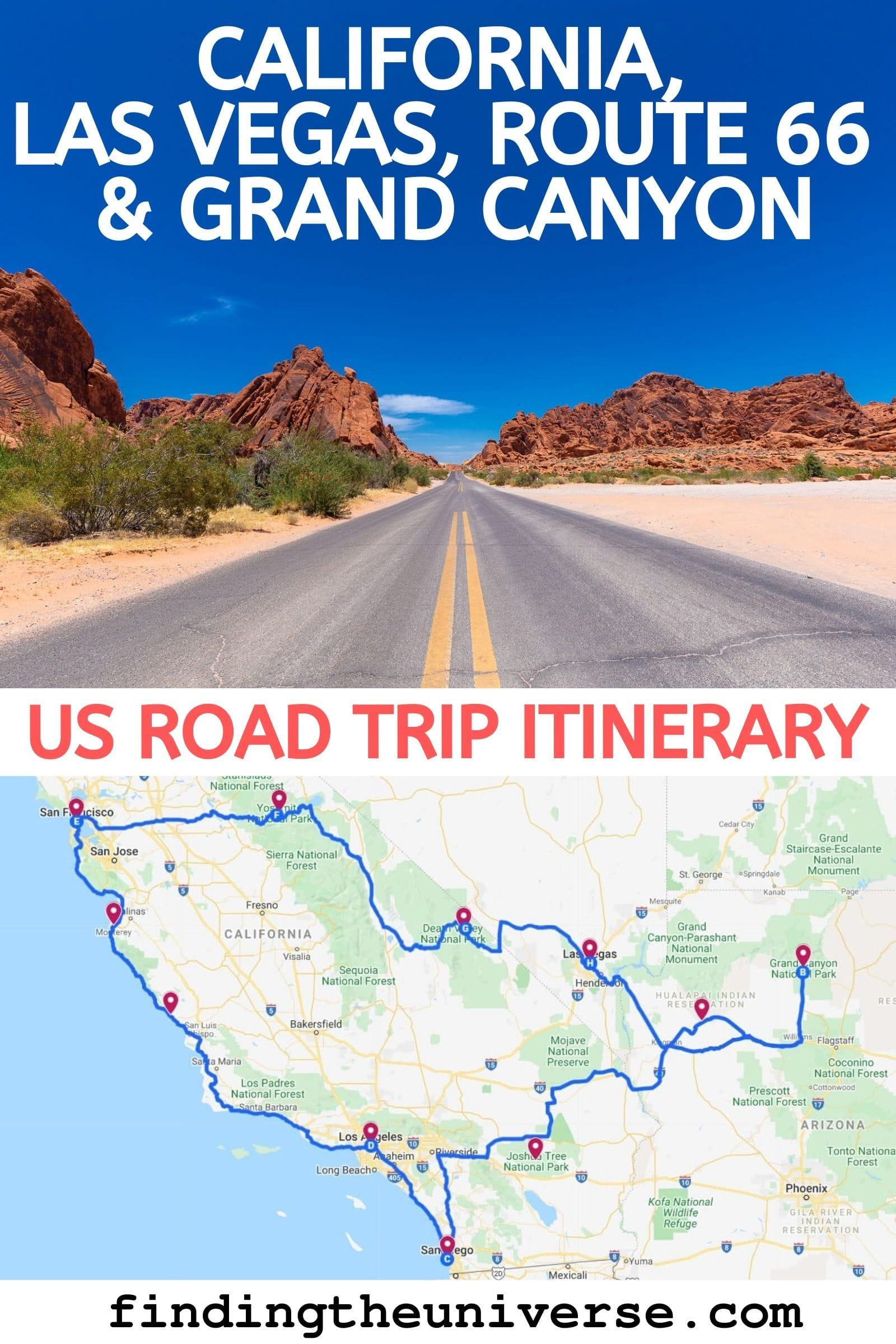
For those coming from Northern California, the drive typically involves traveling south on I-5 or US-99 before connecting to I-58, CA-58, or other state routes that eventually lead to I-15. An alternative, more scenic route, especially from the Lake Tahoe area, involves US-395 along the eastern Sierra Nevada and through Death Valley National Park, before heading east to Las Vegas. This route is longer but offers unparalleled natural beauty.
Flying: The Fastest Option
For travelers with limited time or those prioritizing speed and comfort, flying is undeniably the most efficient way to get from California to Las Vegas.
Major airports in California with direct flights to Harry Reid International Airport (LAS) in Las Vegas include:
- Los Angeles International Airport (LAX): Offers numerous daily flights, with a flight time of approximately 1 hour to 1 hour 15 minutes.
- San Francisco International Airport (SFO): Flights from SFO typically take about 1 hour 30 minutes.
- San Diego International Airport (SAN): Direct flights average around 1 hour 15 minutes.
- Other regional airports like Oakland International Airport (OAK), John Wayne Airport (SNA), and Sacramento International Airport (SMF) also offer direct connections.
While the actual flight time is short, remember to factor in time for getting to the airport, security checks, boarding, and then travel from LAS to your Las Vegas hotel. In total, a door-to-door journey by air might still take 3-5 hours, comparable to driving from Southern California, but with less personal exertion.
Bus and Train Services: Budget-Friendly Alternatives
For budget-conscious travelers or those who prefer to sit back and enjoy the ride without the hassle of driving, bus services offer a viable alternative.
- Bus Services: Companies like Greyhound and FlixBus operate regular routes between major California cities and Las Vegas. Travel times can be significantly longer than driving (e.g., 6-8 hours from Los Angeles, 10-14 hours from San Francisco), but fares are often considerably cheaper. Buses also eliminate parking fees and the stress of navigating traffic.
- Train Services: While there’s no direct Amtrak train service to Las Vegas, you can take an Amtrak train to a nearby city (like Needles, California) and then connect via a bus service. This option is generally much slower and involves transfers, making it less practical for most direct trips to Las Vegas but potentially appealing for scenic rail enthusiasts looking for a multi-leg journey.
These public transport options provide a different perspective on the journey, trading speed for affordability and the opportunity to relax while someone else handles the driving.
Factors Influencing Travel Time and Experience
Beyond the sheer mileage, several external factors can significantly impact your travel time and the overall experience of journeying between California and Las Vegas.
Traffic and Peak Travel Times
The desert highway to Las Vegas is notorious for its weekend and holiday traffic. Understanding these patterns can save you hours of frustration.
- Weekends: Friday afternoons and evenings see a surge of travelers heading to Las Vegas from Southern California, while Sunday afternoons and evenings are busy with return traffic.
- Holidays & Events: Long weekends (e.g., Memorial Day, Labor Day) and major conventions or events in Las Vegas (e.g., CES, NASCAR races) will invariably lead to heavier traffic and increased demand for flights and accommodation.
- Rush Hour: If departing from or returning to major California cities during typical weekday rush hours, expect significant delays even before hitting the open highway.
To mitigate delays, consider traveling during off-peak hours (early morning or late at night) or on weekdays if your schedule allows.
Weather Conditions
The diverse climate along the route can also play a role in your travel plans.
- Desert Heat: During summer months (June-September), temperatures in the Mojave Desert can regularly exceed 100°F (38°C). This can impact vehicle performance, increase the risk of tire blowouts, and necessitate frequent hydration stops.
- Winter Conditions: While less common on the direct I-15 route, if you opt for scenic detours through mountain passes (e.g., Sierra Nevada for those coming from Northern California), you might encounter snow and icy conditions, requiring chains or delaying your trip.
- Dust Storms: Occasionally, strong winds can kick up dust storms, reducing visibility on the open highway.
Always check weather forecasts for your entire route before departing, especially if traveling during extreme seasons.
Personal Preferences and Stops Along the Way
Ultimately, “how far” is also a subjective measure influenced by your travel style. Some prefer a direct, non-stop sprint, while others see the journey as part of the adventure.
- Direct vs. Scenic: A direct drive aims to minimize travel time, but a scenic route allows for exploration. For instance, traveling through Death Valley National Park (from points north) or visiting the Hoover Dam adds miles and time but enriches the experience.
- Overnight Stays: For longer drives (e.g., from San Francisco or Lake Tahoe), breaking up the journey with an overnight stay in a midway point like Barstow can make the trip more manageable and enjoyable.
- Roadside Attractions: The stretch of I-15 leading to Las Vegas features quirky roadside attractions, from the World’s Tallest Thermometer in Baker to alien-themed stops. Incorporating these into your itinerary adds a fun, memorable dimension to your journey.
Planning Your California-Las Vegas Excursion
Effective planning is key to a smooth and enjoyable trip between California and Las Vegas. Considering the distances and diverse travel options, a well-thought-out itinerary can transform potential challenges into memorable experiences.
Choosing Your Starting Point and Destination
The sheer size of California means that selecting your precise starting location is paramount. Whether you’re originating from Los Angeles, San Francisco, or a more rural outpost, this will dictate the most efficient and enjoyable travel method. Similarly, consider your ultimate destination in Las Vegas – are you heading to the Strip, Downtown Las Vegas, or a quieter suburban area? This can affect your final few miles of travel from the airport or highway.
Essential Travel Tips
Regardless of your chosen mode of transport, a few universal tips can enhance your journey:
- Book in Advance: Especially for flights and accommodation in Las Vegas, booking well in advance can secure better prices and ensure availability, particularly during peak seasons or major events.
- Vehicle Check (for drivers): Before embarking on a road trip, conduct a thorough check of your car. Pay attention to tire pressure, oil levels, and coolant. Ensure your air conditioning is functioning perfectly for desert travel.
- Pack Smart: Pack layers to accommodate the temperature swings between California’s coastal regions and the desert heat of Las Vegas. Don’t forget sunscreen, sunglasses, and a hat.
- Stay Hydrated: This is crucial, particularly when driving through the desert. Carry ample water for all passengers.
- Utilize Navigation Apps: Tools like Google Maps or Waze provide real-time traffic updates, allowing you to anticipate and potentially avoid delays. Download offline maps in case of patchy signal.
Making the Journey Part of the Adventure
Instead of viewing the distance as a barrier, embrace the opportunity to make the journey itself an integral part of your adventure. If driving, consider building in extra time for unplanned stops, photo opportunities, or exploring quaint desert towns. The landscape between California and [Las Vegas](https://lifeoutofthebox.com/las-vegas] is unique and offers a distinctly American experience, from vast expanses of wilderness to quirky roadside attractions. Whether you’re seeking a quick getaway or a leisurely exploration, the route between these two dynamic regions promises a memorable travel experience.
In conclusion, “how far” California is from Las Vegas isn’t a single number but a spectrum of distances and experiences. From a few hours by car from Southern California to a day-long adventure from the state’s northern reaches, the journey is as varied as the destinations themselves. By understanding your options and planning strategically, you can ensure a smooth, enjoyable, and insightful travel experience.
LifeOutOfTheBox is a participant in the Amazon Services LLC Associates Program, an affiliate advertising program designed to provide a means for sites to earn advertising fees by advertising and linking to Amazon.com. Amazon, the Amazon logo, AmazonSupply, and the AmazonSupply logo are trademarks of Amazon.com, Inc. or its affiliates. As an Amazon Associate we earn affiliate commissions from qualifying purchases.