
The Sunshine State of Florida is renowned globally for its stunning beaches, vibrant cities, and a diverse ecosystem that captivates millions of visitors annually. Beyond the theme parks and coastal resorts, Florida boasts a rich natural heritage, a significant part of which is its fascinating avian population. For those exploring the unique local culture and natural attractions of this state, understanding its official symbols is key to a deeper appreciation. Among these symbols, the state bird holds a special place, representing the spirit and biodiversity of the region. This article delves into the identity of Florida’s official bird, exploring its characteristics, habitat, cultural significance, and where eager tourists and nature enthusiasts can experience its presence.

Unveiling Florida’s Feathered Ambassador: The Northern Mockingbird
When one ponders the official avian emblem of Florida, a delightful and ubiquitous creature comes to mind: the Northern Mockingbird (Mimus polyglottos). Designated as the state bird in 1927, this unassuming yet remarkable bird encapsulates many of the qualities one associates with the Sunshine State – resilience, beauty, and a captivating charm. Its presence is felt across the entire state, from the southernmost tips of the Florida Keys to the northern borders, making it a truly universal symbol.
A Symbol of the Sunshine State
The selection of the Northern Mockingbird as Florida’s state bird was not arbitrary. It reflects a widespread appreciation for its intelligence, adaptability, and, most famously, its incredible vocal prowess. Unlike some state symbols that are rare or confined to specific regions, the Northern Mockingbird is a common sight and sound, thriving in both wild and urban landscapes. This accessibility allows residents and visitors alike to connect with their state bird easily, fostering a sense of shared natural heritage. Its status as a year-round resident further solidifies its position as a true representative of Florida’s enduring natural beauty. It’s a testament to the fact that sometimes, the most extraordinary features are found in the most common of places, waiting to be discovered and appreciated.
Distinctive Features and Melodies
Superficially, the Northern Mockingbird might appear unremarkable, with its slender build and a modest palette of grey and white plumage, accented by distinctive white wing patches that flash during flight. Typically measuring about 9-11 inches in length with a wingspan of 12-15 inches, these medium-sized songbirds are easily identifiable by their overall sleek appearance and a relatively long tail. However, it is their vocal capabilities that truly set them apart. The scientific name Mimus polyglottos literally translates to “many-tongued mimic,” a fitting description for a bird capable of imitating a vast repertoire of sounds.
Mockingbirds are celebrated for their ability to mimic the calls and songs of dozens of other bird species, as well as various environmental sounds, from car alarms to barking dogs. Each individual bird can learn up to 200 different songs throughout its lifetime, often arranging them into complex sequences, repeating phrases two to six times before moving to the next. This extraordinary talent is not merely a party trick; it plays a crucial role in attracting mates and defending territory. Their songs are often heard throughout the day, but they are particularly vocal at night, especially during the breeding season, filling the air with intricate, seemingly endless melodies that can captivate anyone within earshot. For a tourist interested in Florida’s natural sounds, the mockingbird offers an unparalleled auditory experience.
The Northern Mockingbird’s Habitat and Range Across Florida
The adaptability of the Northern Mockingbird is perhaps one of its most defining characteristics, allowing it to flourish in nearly every corner of Florida. This wide distribution makes it an accessible subject for birdwatching and observation for anyone visiting the state, regardless of their itinerary.
Diverse Landscapes, Ideal Homes
Florida’s diverse geography, ranging from dense urban centers to vast natural preserves, provides an ideal environment for the Northern Mockingbird. They are generalists when it comes to habitat, preferring open areas with scattered shrubs and trees, which offer both perching opportunities and protective cover for nesting. This includes suburban gardens, city parks, agricultural fields, forest edges, and even coastal dune areas. Their diet is equally varied, consisting primarily of insects during the warmer months and shifting to fruits and berries as the seasons change. This flexibility in diet and habitat further contributes to their widespread success. Their presence is a good indicator of a healthy, mixed ecosystem, which is something Florida often prides itself on.
Observing Mockingbirds in Urban and Natural Settings
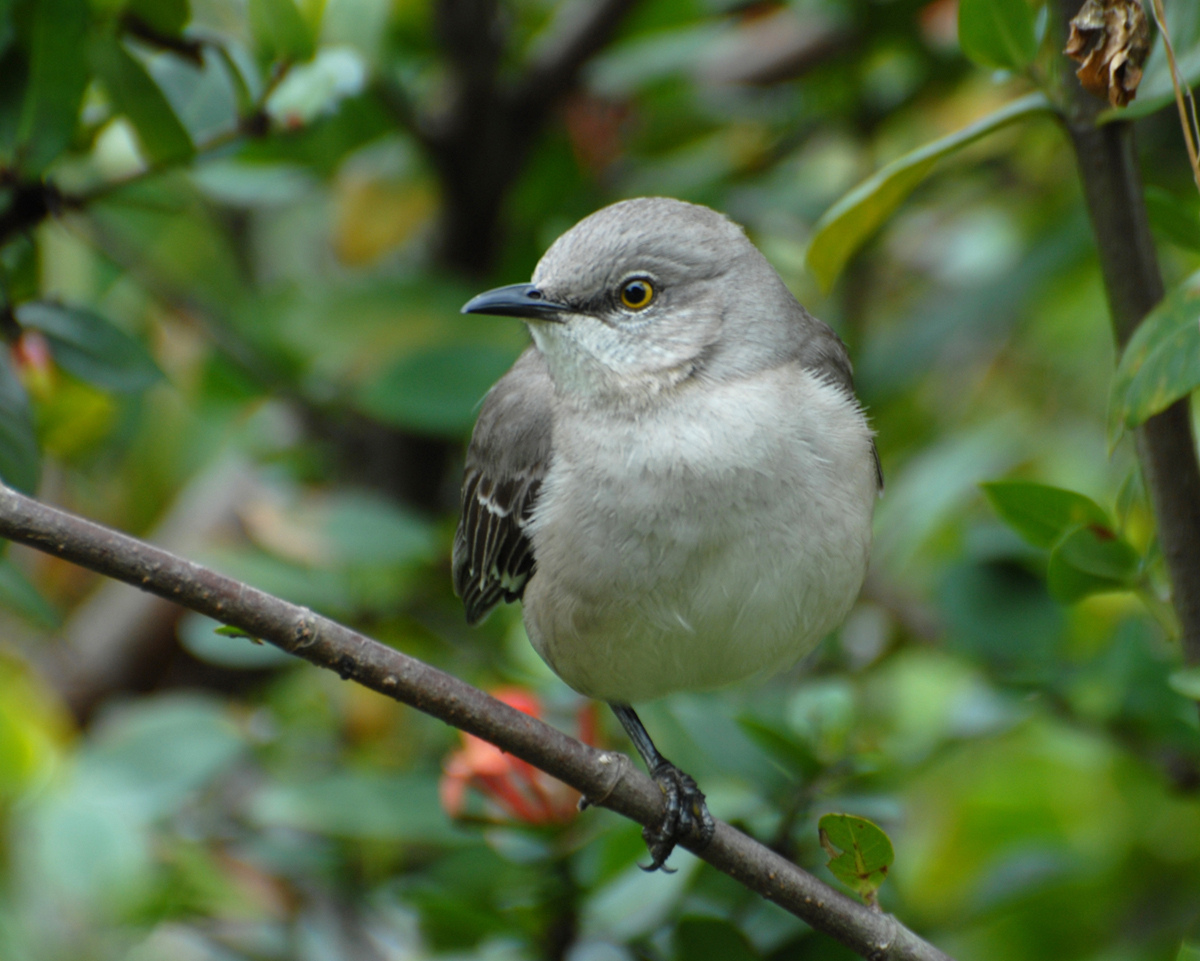
One of the unique aspects of the Northern Mockingbird is how easily it integrates into human-modified landscapes. Tourists visiting major cities like Miami, Orlando, Tampa, or Jacksonville don’t need to venture far to encounter these birds. They are often seen perched atop streetlights, telephone wires, or the highest branches of trees, surveying their territory and serenading passersby. For those seeking a more immersive natural experience, state parks and wildlife refuges across Florida offer excellent opportunities to observe mockingbirds in less disturbed environments, often alongside a myriad of other native species.
The Cultural and Ecological Significance of Florida’s State Bird
The designation of the Northern Mockingbird as Florida’s state bird is more than a legislative formality; it underscores the bird’s intrinsic value to both the state’s ecological balance and its cultural identity.
Beyond a State Symbol: An Ecological Contributor
Ecologically, mockingbirds play a vital role in their ecosystems. By consuming a wide variety of insects, they help control pest populations, contributing to agricultural health and general environmental balance. Furthermore, their diet of berries means they act as important seed dispersers, aiding in the propagation of various plant species across the landscape. Their nesting habits, often in dense shrubs, provide cover for their young and contribute to the biodiversity of their chosen habitats. For tourists interested in eco-tourism, understanding the role of such keystone species enhances the appreciation of Florida’s natural processes and highlights the importance of conservation efforts.
The Mockingbird in Florida’s Identity
Culturally, the Northern Mockingbird has woven itself into the fabric of the American South, and Florida is no exception. Its iconic song, often heard even after sunset, evokes a sense of charm and nostalgia. It symbolizes the resilience and adaptability often associated with the region’s inhabitants. The bird has appeared in literature, folklore, and popular culture, often admired for its distinctive song and spirited personality. For visitors delving into Florida’s local culture, recognizing and understanding the state bird offers a unique window into the natural heritage that has shaped the state’s character. It’s a subtle yet powerful reminder of the deep connection between people and the natural world around them.
Birdwatching Opportunities: Experiencing the Northern Mockingbird in Florida
For many visitors to Florida, encountering wildlife is a highlight of their trip. The Northern Mockingbird, while common, offers a fantastic entry point into the world of birdwatching, suitable for both beginners and seasoned ornithologists.
Top Spots for Bird Enthusiasts
While mockingbirds can be seen virtually anywhere in Florida, certain locations offer enhanced opportunities for birdwatching, allowing visitors to observe them alongside a greater diversity of avian life.
- Everglades National Park: This world-renowned wetland offers vast opportunities to see mockingbirds in a more pristine natural setting, often alongside wading birds, raptors, and other migratory species.
- Merritt Island National Wildlife Refuge: Located near the Kennedy Space Center, this refuge is a haven for over 330 species of birds, including the mockingbird, in diverse habitats like marshes, open water, and pinewoods.
- St. Marks National Wildlife Refuge: On the Gulf Coast near Tallahassee, this refuge provides excellent year-round birding, where mockingbirds are a common sight, especially in the shrubby areas and woodland edges.
- Local Parks and Botanical Gardens: Even in bustling urban areas, local parks and botanical gardens, such as Fairchild Tropical Botanic Garden in Coral Gables or Leu Gardens in Orlando, provide accessible and well-maintained habitats where mockingbirds frequently forage and sing.
Responsible Birdwatching Practices
To ensure a positive experience for both observers and the birds, it’s essential to practice responsible birdwatching. This includes maintaining a respectful distance, avoiding disturbing nesting sites, and refraining from feeding wild birds, as this can disrupt their natural foraging behaviors. Utilizing binoculars and field guides enhances the experience, allowing for close observation without intrusion. Organizations like the Audubon Society offer valuable resources and guidelines for ethical birding, promoting conservation through awareness and respectful engagement. Engaging in these activities not only enriches a tourist’s visit but also contributes to the broader understanding and protection of Florida’s precious natural resources.
Protecting Florida’s Avian Heritage: Conservation Efforts
While the Northern Mockingbird is currently a species of “least concern” in terms of conservation status due to its wide range and adaptability, its continued prosperity, along with all of Florida’s diverse birdlife, relies on ongoing conservation efforts. Habitat preservation, particularly in the face of urban development and climate change, is paramount. Initiatives by state agencies, national parks, and private conservation groups focus on protecting critical habitats, managing invasive species, and educating the public about the importance of biodiversity. Tourists can contribute by supporting eco-tourism, visiting protected areas, and advocating for environmental policies that safeguard the future of Florida’s unique ecosystems. The Northern Mockingbird, as the state’s beloved avian ambassador, serves as a poignant reminder of the natural wonders that define Florida and the collective responsibility to preserve them for generations to come.
LifeOutOfTheBox is a participant in the Amazon Services LLC Associates Program, an affiliate advertising program designed to provide a means for sites to earn advertising fees by advertising and linking to Amazon.com. Amazon, the Amazon logo, AmazonSupply, and the AmazonSupply logo are trademarks of Amazon.com, Inc. or its affiliates. As an Amazon Associate we earn affiliate commissions from qualifying purchases.