
For anyone planning a trip to the vibrant metropolis of Chicago, one of the fundamental pieces of information essential for seamless travel planning is understanding its time zone. Whether you’re coordinating flights, scheduling business meetings, or simply trying to make the most of your sightseeing, knowing the local time is paramount. Chicago, the bustling heart of the Midwest, operates on Central Time, a detail that carries significant implications for every traveler. This guide will delve into the specifics of Chicago’s time zone, explore why it’s crucial for your travel itinerary, and offer practical advice to ensure your visit is as smooth and enjoyable as possible.
Unpacking Central Time: Chicago’s Time Zone Explained
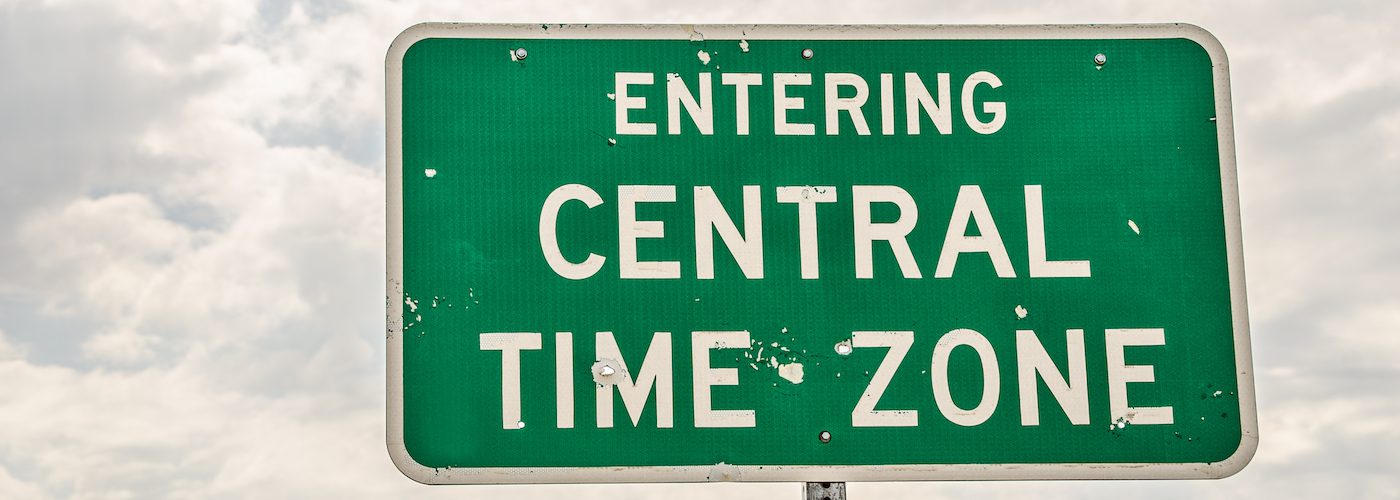
Chicago, located in the state of Illinois, observes the Central Time Zone (CT). This places it within a vast swath of the central United States that shares this specific time standard. Understanding the nuances of CT, particularly its seasonal shifts, is key to navigating your travel plans without a hitch.
Understanding CST and CDT
The Central Time Zone operates under two different designations depending on the time of year:
- Central Standard Time (CST): This is the standard time observed during the fall and winter months. CST is six hours behind Coordinated Universal Time (UTC-6). From early November until mid-March, Chicago adheres to CST.
- Central Daylight Time (CDT): During spring and summer, Chicago switches to Daylight Saving Time. This means clocks are advanced by one hour, making it UTC-5. This change typically occurs on the second Sunday in March, when clocks “spring forward,” and reverts on the first Sunday in November, when they “fall back.” Most digital devices, including smartphones and computers, automatically adjust for this change, but it’s always wise for travelers to double-check, especially if dealing with older technology or planning international calls.
This seasonal adjustment impacts everything from flight schedules to attraction opening hours, making it a critical detail for any traveler to keep in mind. Failing to account for Daylight Saving Time could lead to missed appointments or confusion, especially if traveling during the transition periods.
Geographical Context and Neighboring States
Chicago’s position within the Central Time Zone means it shares the same time with many other states in the Midwest. States like Wisconsin, Iowa, Missouri, Arkansas, Louisiana, Oklahoma, Kansas, Nebraska, and parts of North and South Dakota, Texas, Michigan, Indiana, Kentucky, and Tennessee all fall within CT. This is particularly relevant for travelers driving to Chicago from neighboring regions or connecting flights within the central United States.
For those traveling from the Eastern Time Zone, Chicago will be one hour behind. Conversely, if you’re arriving from the Mountain Time Zone, Chicago will be one hour ahead, and from the Pacific Time Zone, it will be two hours ahead. This geographical context is vital for understanding potential time differences and planning your itinerary accordingly, minimizing surprises upon arrival.
Why Time Zones Matter for Travelers to Chicago
Understanding Chicago’s time zone goes far beyond a simple curiosity; it’s a foundational element for effective travel planning. From managing your internal clock to coordinating with others, the time zone dictates much of your travel experience. Neglecting this detail can lead to stress, missed opportunities, and an overall less enjoyable trip.
Planning Your Arrival and Departure
The most immediate impact of a time zone difference is felt during your arrival and departure. Flight schedules are always listed in local time, so a flight advertised to arrive in Chicago at 3:00 PM will do so according to Central Time. If you’re coming from the Eastern Time Zone, this means your 3:00 PM arrival will feel like 4:00 PM to your body, effectively ‘gaining’ an hour. Conversely, if you’re flying east, you’ll ‘lose’ an hour.
When booking transportation from O’Hare International Airport or Midway International Airport to your accommodation, or scheduling a car rental pick-up, ensure you factor in the local time. Similarly, for your departure, arriving at the airport based on your home time zone rather than Chicago’s Central Time could result in missing your flight. Always set your watch to local time as soon as you land to avoid any last-minute rushes or confusion.
Synchronizing Meetings and Events
For business travelers, managing time zones is critical for successful meetings and conferences. If you have a video conference scheduled with colleagues on the East Coast, remember they will be one hour ahead. Likewise, communicating with West Coast teams means they will be two or three hours behind. Clearly stating the time zone for all scheduled events, such as “10:00 AM CST,” can prevent misunderstandings and ensure everyone is on the same page.
Leisure travelers also need to be mindful of event timings. If you’ve booked tickets for a Chicago Bulls game, a Broadway show in the Theatre District, or a guided tour, ensure you’re aware of the start time in local Central Time. Miscalculating could mean showing up late or, worse, missing the event entirely, which can be a costly mistake, especially for pre-booked attractions.
Navigating Jet Lag for a Seamless Trip
Jet lag, while typically more severe with cross-continental or international travel, can still impact travelers even with a one or two-hour time difference. Your body’s internal clock, or circadian rhythm, is accustomed to your home time zone. Shifting even by an hour or two can disrupt sleep patterns, energy levels, and overall well-being.
To minimize jet lag when arriving in Chicago, try to adjust your sleep schedule slightly in the days leading up to your trip. Upon arrival, expose yourself to natural light during Chicago’s daytime hours and avoid napping if possible. Staying hydrated and opting for lighter meals can also help your body adjust more quickly to the new schedule. Embracing the local time from the moment you land is the most effective strategy for a seamless transition.
Making the Most of Your Time in Chicago
Once you’ve settled into Chicago’s Central Time, the city unfolds with an incredible array of attractions and experiences. Strategically planning your days, keeping operating hours and daylight in mind, will help you maximize your visit. Chicago’s vibrant cultural scene, architectural marvels, and culinary delights await, and understanding the local clock is your first step to enjoying them fully.

Iconic Attractions and Their Operating Hours
Most of Chicago’s world-renowned attractions have specific operating hours that visitors must adhere to. The Art Institute of Chicago, for example, typically opens at 10:30 AM and closes in the late afternoon, requiring visitors to plan their visit within these Central Time parameters. Similarly, ascents to the Skydeck at Willis Tower (formerly Sears Tower) are popular, especially around sunset, which shifts significantly throughout the year.
Other must-see spots like Millennium Park, home to the famous Cloud Gate sculpture (colloquially known as “The Bean”), are open early mornings until late evenings, allowing for more flexibility. However, indoor attractions like the Shedd Aquarium, Field Museum, and Adler Planetarium on the Museum Campus have set schedules. Always check the official websites for the most current operating hours in Central Time before you visit, as these can change seasonally or for special events.
Culinary Adventures and Evening Entertainment
Chicago is a foodie paradise, renowned for everything from its iconic deep-dish pizza to Michelin-starred dining. Restaurants, especially popular ones, often have specific lunch and dinner service hours. Dinner reservations, particularly for weekend evenings, should be made well in advance, keeping in mind the local time. Early bird specials or late-night bites will also adhere to Central Time.
The city’s entertainment scene truly comes alive after dark. Whether you’re catching a live jazz show in a historic club, enjoying a performance at a world-class theater, or exploring the vibrant nightlife along Navy Pier or in neighborhoods like River North, timings are crucial. Plan your transportation and dinner reservations around showtimes, allowing ample buffer to get to your venue comfortably. Remember that some venues might have earlier closing times on weekdays compared to weekends.
Optimizing Daylight for Sightseeing
During the summer months, Chicago benefits from extended daylight hours under Central Daylight Time (CDT), offering more time for outdoor activities. This is ideal for strolls along the Magnificent Mile on Michigan Avenue, architectural boat tours on the Chicago River, or relaxing at the city’s numerous parks and lakefront areas. Taking advantage of the long evenings for outdoor dining or exploring neighborhoods on foot is a fantastic way to experience the city’s ambiance.
Conversely, during Central Standard Time (CST) in winter, daylight hours are significantly shorter. This means outdoor sightseeing may need to be concentrated earlier in the day, with evenings reserved for indoor attractions, dining, or shows. Being aware of sunrise and sunset times (which vary drastically between summer and winter) will help you organize your daily itinerary to make the most of the available light for photography and outdoor exploration.
Practical Tips for Managing Time Across Zones
Traveling across time zones doesn’t have to be complicated. With a few simple strategies and reliance on modern technology, you can easily synchronize your schedule with Chicago’s Central Time, ensuring a smooth and stress-free experience. Proactive planning and a conscious effort to adapt will serve you well.
Technology and Time Zone Conversion
Modern technology is your best friend when traveling across time zones. Smartphones, smartwatches, and laptops automatically update to the local time zone when they detect a change in location. Ensure your devices have this feature enabled. Most weather apps, travel apps, and calendar applications also provide options to display times in multiple zones simultaneously, or convert times for you.
When scheduling calls or meetings with people in different time zones, utilize online time zone converters or scheduling tools that automatically account for the differences. This is particularly helpful for international communication or coordinating with friends and family back home. Always confirm the meeting time in the recipient’s local time zone to avoid any confusion. A quick search for “What time is it in Chicago right now?” will always yield an immediate and accurate answer.
Communication with Home and Other Regions
Staying connected with loved ones or business contacts in other time zones requires a bit of foresight. If your family is on the East Coast (ET), remember they are one hour ahead. A call at 8:00 PM in Chicago (CT) would be 9:00 PM for them. For friends on the West Coast (PT), they would be two hours behind, so an 8:00 PM Chicago call is 6:00 PM for them.
Consider setting up a secondary clock on your phone’s home screen or a widget that displays your home time zone. This visual reminder can be incredibly helpful in preventing accidental late-night calls or inconvenient interruptions. Communicate your travel schedule and time zone adjustments to those you frequently interact with so they can anticipate your availability.
Adjusting Your Internal Clock
Beyond practical scheduling, adjusting your internal clock is crucial for a comfortable trip. Start shifting your sleep schedule by 15-30 minutes each day in the days leading up to your departure. Once in Chicago, try to eat meals and go to bed according to the local Central Time, even if you don’t feel hungry or tired at first.
Exposure to natural light during the day helps reset your circadian rhythm. Spending time outdoors, even if just for a walk around Millennium Park, can significantly aid this adjustment. Conversely, dimming lights in the evening and avoiding screens before bed can promote better sleep. Avoiding excessive caffeine or alcohol, especially in the evenings, can also help your body adapt more quickly to the new time zone.

Chicago Beyond the Clock: Experiencing the Windy City
While understanding Chicago’s Central Time is an essential first step for any traveler, the true magic of the Windy City lies in its vibrant atmosphere, rich history, and endless possibilities for exploration. Once you’ve successfully navigated the temporal logistics, you’re free to immerse yourself in everything Chicago has to offer, from its iconic architecture to its world-class museums and delectable cuisine.
Knowing the time zone allows you to confidently book an architectural boat tour that cruises down the Chicago River, explore the diverse exhibits at the Art Institute of Chicago, or catch a breathtaking view from the Willis Tower Skydeck. It enables you to plan a leisurely afternoon shopping along the Magnificent Mile without worrying about missing your dinner reservation, or to savor a genuine deep-dish pizza at an authentic local eatery at the perfect time.
Ultimately, whether you’re a business traveler with a tight schedule or a leisure tourist eager to soak in every moment, being informed about Chicago’s time zone sets the stage for a smooth, enjoyable, and unforgettable journey. So, set your watch, embrace Central Time, and get ready to experience the unparalleled charm and excitement of Chicago. The city is waiting to welcome you, on time and with open arms.
LifeOutOfTheBox is a participant in the Amazon Services LLC Associates Program, an affiliate advertising program designed to provide a means for sites to earn advertising fees by advertising and linking to Amazon.com. Amazon, the Amazon logo, AmazonSupply, and the AmazonSupply logo are trademarks of Amazon.com, Inc. or its affiliates. As an Amazon Associate we earn affiliate commissions from qualifying purchases.