
Florida, often celebrated as the Sunshine State, is a magnet for individuals and families drawn to its vibrant culture, stunning beaches, and diverse opportunities. For many, envisioning a life or an extended stay in Florida involves meticulous planning, not just around leisure and attractions, but also crucial aspects of family well-being, particularly healthcare. For expecting parents, understanding the available support systems is paramount to ensuring a healthy and stress-free pregnancy. Among these, Pregnancy Medicaid stands out as a vital program designed to provide comprehensive medical coverage for eligible low-income pregnant individuals.
Navigating the intricacies of government assistance programs can often feel daunting, yet for those planning their family’s lifestyle in Florida, understanding the income limits and eligibility criteria for Pregnancy Medicaid is a proactive step towards securing essential care. This guide aims to demystify these requirements, helping you integrate this crucial information into your broader lifestyle and financial planning, ensuring that you can focus on the joyous journey of welcoming a new member to your family in the beautiful Sunshine State.
Navigating Family Planning and Budgeting in the Sunshine State
For families and individuals embarking on the journey of parenthood, location often plays a significant role in lifestyle choices. Florida, with its warm climate, family-friendly attractions, and growing economy, presents an appealing option for many. However, a sustainable and comfortable lifestyle, especially with a growing family, necessitates careful consideration of practical aspects, with healthcare at the forefront.
The Importance of Healthcare in Lifestyle Choices
Healthcare access and affordability are fundamental pillars of a stable family lifestyle. For expectant parents, having peace of mind regarding prenatal care, delivery, and postpartum support is invaluable. Without adequate coverage, the financial burden of pregnancy and childbirth can be substantial, potentially overshadowing the joy of the experience. This is where programs like Pregnancy Medicaid become critical. Understanding their availability and your potential eligibility allows for more informed decisions about where to establish roots, embark on a long-term stay, or manage family finances effectively. It’s a key component of ‘budget travel’ in the broadest sense – ensuring that even significant life events are manageable within your chosen lifestyle parameters.
Florida’s Appeal for Families and Expecting Parents
Beyond its sun-drenched beaches and world-renowned theme parks, Florida offers a diverse environment suitable for various family lifestyles. From the bustling metropolitan areas like Miami and Orlando to quieter coastal towns, the state presents a spectrum of communities. Many families are drawn by the lack of state income tax, diverse job markets, and a plethora of outdoor activities. However, for those choosing to make Florida their home, even temporarily, understanding the social safety nets and healthcare provisions becomes as important as exploring attractions. Pregnancy Medicaid offers a crucial layer of support, ensuring that quality maternal care is accessible, thereby enhancing the overall appeal and feasibility of a family-focused lifestyle in Florida.
Understanding Pregnancy Medicaid: A Key Lifestyle Support
Pregnancy Medicaid in Florida is a specific component of the broader Medicaid program, tailored to provide comprehensive healthcare coverage for pregnant individuals. It recognizes the unique and often costly medical needs associated with pregnancy, labor, delivery, and the postpartum period. For many families managing their budget and planning their lifestyle in Florida, this program can be a lifeline, ensuring that health outcomes for both mother and baby are prioritized without prohibitive financial strain.
What is Pregnancy Medicaid and Who Qualifies?
Pregnancy Medicaid offers a full spectrum of medical services, typically including:
- Prenatal doctor visits and check-ups
- Laboratory tests and screenings
- Prescription medications related to pregnancy
- Hospital care for delivery
- Postpartum care for up to 60 days after birth (and often extending to 12 months in many states, including Florida under recent expansions)
- Care for pregnancy-related conditions
- Family planning services
The primary goal is to ensure access to early and continuous prenatal care, which is vital for preventing complications and promoting healthy births. Eligibility for Pregnancy Medicaid is primarily determined by a combination of factors, including income, household size, and residency status in Florida. Unlike some other Medicaid categories, Pregnancy Medicaid often has higher income limits, reflecting the state’s commitment to supporting maternal and child health outcomes. It’s designed to cast a wider net, recognizing that pregnancy itself can introduce significant financial pressures even for families not typically considered “low-income.”
The Specifics: Income Limits for Expecting Mothers in Florida
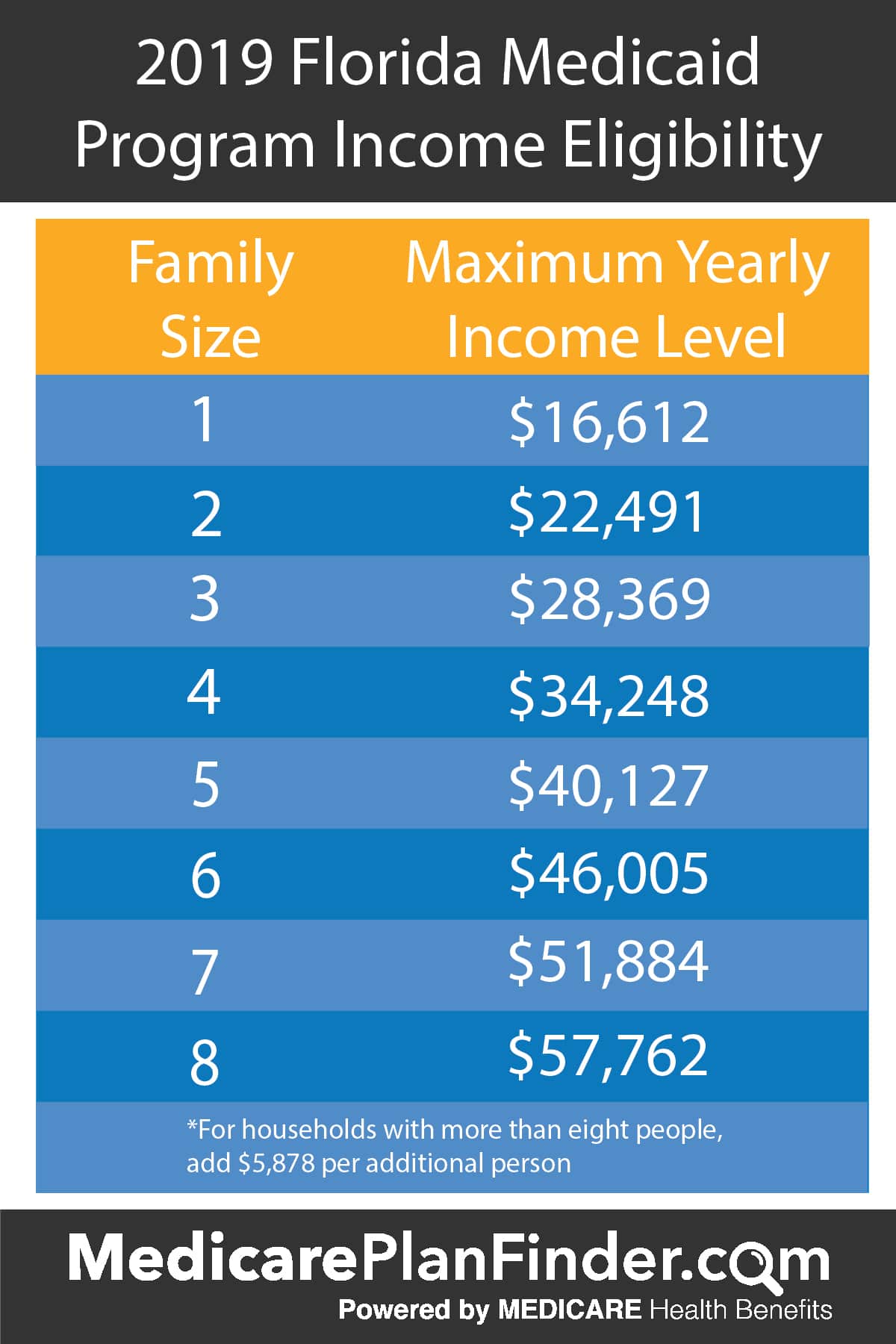
The most frequently asked question regarding Pregnancy Medicaid revolves around the income thresholds. In Florida, income eligibility for pregnant women is generally based on a percentage of the Federal Poverty Level (FPL). This means that the exact dollar amount changes annually with updates to the FPL guidelines.
As a general guideline, Florida has historically provided Pregnancy Medicaid to individuals whose household income is at or below a certain percentage of the FPL. For illustrative purposes, this percentage has often been around 191% of the FPL for pregnant individuals. It’s important to note that the unborn baby counts as a member of the household, increasing the household size and, consequently, the income limit.
Illustrative Example (Please note: these figures are for conceptual understanding only and are subject to change. Always refer to official state resources for the most current information):
Let’s imagine the FPL for a single person is approximately $14,580 per year.
- For a pregnant individual living alone (counted as a household of 2 for Medicaid purposes, herself plus the unborn child), 191% of the FPL would be roughly $27,857 annually (191% of $14,580). This translates to approximately $2,321 per month.
- For a family of three (e.g., a pregnant woman, her partner, and the unborn child, or a single pregnant woman with one existing child plus the unborn child), where the FPL might be around $24,860, 191% of the FPL would be roughly $47,482 annually, or about $3,956 per month.

These figures illustrate how household size directly impacts the income threshold. The official determination will consider gross monthly income from all sources. It’s also crucial to remember that certain income disregards might apply, meaning not all income is counted toward the limit. For families planning their financial lifestyle in Florida, understanding these variable thresholds is vital for determining eligibility and budgeting for potential healthcare costs. Always consult the official Florida Department of Children and Families (DCF) website or utilize the Access Florida portal for the most up-to-date and accurate income guidelines.
Beyond Income: Additional Eligibility Factors for a Supported Florida Lifestyle
While income is a primary determinant, it is not the sole factor in qualifying for Pregnancy Medicaid in Florida. A holistic approach to eligibility ensures that the program serves those genuinely in need while adhering to state and federal regulations. For individuals and families planning to establish their lifestyle in the Sunshine State, understanding these additional criteria is just as important as knowing the income limits.
Residency Requirements
To be eligible for Pregnancy Medicaid in Florida, the applicant must be a resident of the state. This means you must either live in Florida with the intent to reside there permanently or indefinitely, or you must be physically present in Florida and not claiming residency in another state. This criterion is particularly relevant for those who are new to Florida or are considering relocation. Proof of residency can include utility bills, a Florida driver’s license or state ID, rental agreements, or property deeds. For a well-planned move or long-term stay, establishing clear residency is a foundational step for accessing state-specific benefits.
Household Size and Its Impact on Eligibility
As briefly mentioned earlier, household size plays a crucial role in determining the applicable income limit. For Pregnancy Medicaid, the unborn baby is counted as a member of the household. This unique aspect means that even if you are a single pregnant individual, your household size for Medicaid purposes will be at least two (yourself plus the unborn child). If you have other dependents living with you, they are also included, further increasing your household size. A larger household size corresponds to a higher income limit, making the program accessible to more families. This calculation acknowledges the increased financial needs that accompany a growing family and is a key factor in assessing your eligibility as you plan your family’s future in Florida.
Other Considerations
Beyond income and residency, other factors are considered for Pregnancy Medicaid eligibility:
- Citizenship or Legal Residency: Applicants must be U.S. citizens or qualified non-citizens (e.g., permanent legal residents, refugees). Certain emergency Medicaid provisions may exist for undocumented immigrants for emergency labor and delivery, but comprehensive prenatal care typically requires legal status.
- Pregnancy Verification: Official medical documentation verifying pregnancy is required as part of the application process. This ensures that the benefits are directed towards eligible individuals.
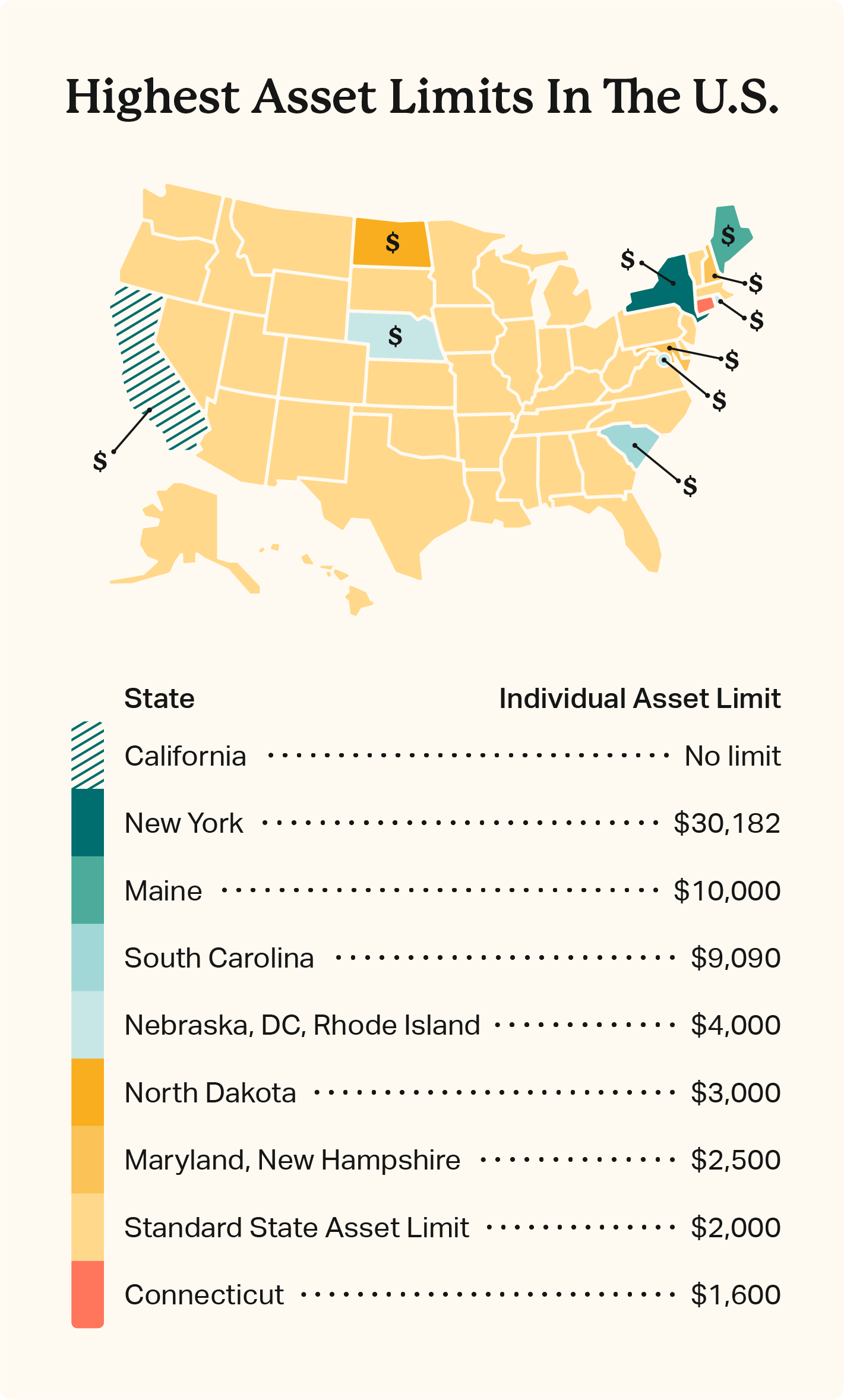
- Assets: For Pregnancy Medicaid, unlike some other Medicaid categories, asset limits are typically not a factor. This means that your savings, properties, or other assets generally will not disqualify you from receiving coverage, making it more accessible to families who might have some savings but still meet the income criteria. This flexibility can be a significant advantage for those budgeting their lifestyle and future in Florida.
The Application Process: Securing Your Family’s Wellbeing in Florida
Once you understand the income limits and eligibility criteria for Pregnancy Medicaid in Florida, the next crucial step is the application process. A smooth and successful application is vital for securing timely healthcare access, which is a cornerstone of a well-supported lifestyle during pregnancy. Being prepared and knowing where to go can significantly reduce stress and streamline the path to receiving necessary care.
Where and How to Apply
In Florida, the primary avenue for applying for Pregnancy Medicaid and other assistance programs is through the Florida Department of Children and Families (DCF). The most convenient and often fastest way to apply is online via the Access Florida portal. This online system allows you to:
- Apply for benefits from the comfort of your home.
- Upload required documents digitally.
- Check the status of your application.
Alternatively, you can also apply:
- In-person: At a local DCF service center.
- By mail: Request an application form, complete it, and send it back.
- By phone: Contact the Access Florida customer service line for assistance.
Choosing the online Access Florida portal is generally recommended for its efficiency and accessibility. This digital approach aligns well with a modern lifestyle, allowing individuals to manage important affairs remotely.
Essential Documents and Tips for a Smooth Process
To ensure your application is processed efficiently, it’s critical to gather all necessary documentation before you begin. Being well-prepared minimizes delays and requests for additional information. Key documents typically include:
- Proof of Identity: Florida driver’s license, state ID, passport.
- Proof of Residency: Utility bills, lease agreement, mail with your Florida address.
- Proof of Income: Recent pay stubs, tax returns, employer statements, benefit letters (e.g., unemployment, social security). Include all sources of income for every household member.
- Proof of Pregnancy: A statement or letter from a licensed medical professional confirming your pregnancy and estimated due date.
- Proof of Household Members: Birth certificates for children, marriage certificates, or other documents demonstrating your household composition.
- Proof of Citizenship/Legal Residency: U.S. birth certificate, passport, naturalization certificate, Green Card (Form I-551), etc.
Tips for a Smooth Application:
- Be Thorough and Accurate: Provide complete and accurate information. Any discrepancies or missing details can cause significant delays.
- Keep Copies: Always retain copies of your application and all submitted documents for your records.
- Respond Promptly: If the DCF requests additional information, respond as quickly as possible.
- Seek Assistance if Needed: If you encounter difficulties or have questions, reach out to the Access Florida help desk or a local assistance program. There are community organizations that can help navigate the application process.
By diligently following these steps, you can significantly enhance your chances of a swift approval, ensuring that your family’s healthcare needs are covered as you enjoy your lifestyle in Florida.
Understanding the income limits and application process for Pregnancy Medicaid in Florida is more than just navigating bureaucracy; it’s about proactively planning for a healthy and secure future for your family. For those embracing the Florida lifestyle, whether as long-term residents, new transplants, or even extended visitors, having access to essential healthcare services provides invaluable peace of mind. By leveraging programs like Pregnancy Medicaid, expecting parents can ensure they receive crucial prenatal, delivery, and postpartum care, allowing them to fully embrace the joys of parenthood without undue financial stress. It’s a testament to how responsible planning and awareness of available resources can significantly enhance the quality of life, making the Sunshine State an even more welcoming place for families to grow and thrive.
LifeOutOfTheBox is a participant in the Amazon Services LLC Associates Program, an affiliate advertising program designed to provide a means for sites to earn advertising fees by advertising and linking to Amazon.com. Amazon, the Amazon logo, AmazonSupply, and the AmazonSupply logo are trademarks of Amazon.com, Inc. or its affiliates. As an Amazon Associate we earn affiliate commissions from qualifying purchases.