
Determining the ideal moment to set foot in Key West requires a delicate balance between weather preferences, budget constraints, and personal interests. Located at the southernmost tip of the Florida Keys within the United States, this island city is a mosaic of Caribbean charm, historical depth, and vibrant nightlife. Whether you are looking for a tranquil retreat or a high-energy festival atmosphere, the timing of your visit will define your experience. Florida is known for its sunshine, but Key West possesses a unique microclimate and cultural calendar that demands careful consideration.
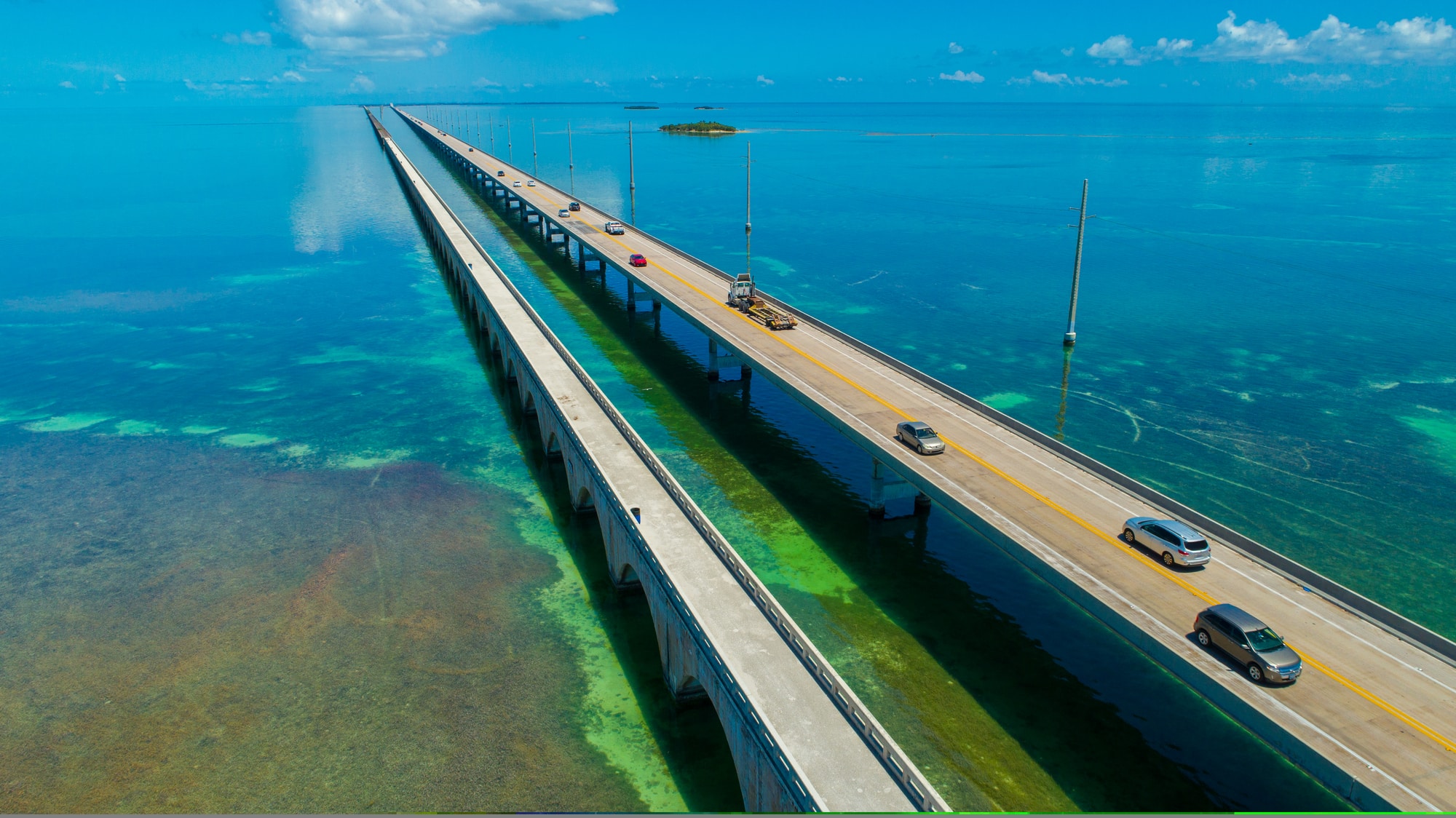
Understanding Key West’s Seasonal Dynamics
Travelers usually categorize their visit into three distinct seasons: peak, shoulder, and low. Each offers a different perspective on the island’s personality. Because the island sits between the Atlantic Ocean and the Gulf of Mexico, the maritime influence is constant, dictating everything from the daily humidity to the availability of fresh seafood.
High Season: The Winter Escape (December to April)
The high season coincides with the onset of winter in the northern parts of the United States and Europe. From late December through April, the weather is arguably the most pleasant. Temperatures hover comfortably between 70°F and 80°F, and the humidity—which can be stifling in the summer—remains remarkably low. This is the period when the island is most vibrant.
However, popularity comes with a price. This is the most expensive time to visit. Accommodations like Sunset Key Cottages or The Marker Key West Harbor Resort often reach full capacity months in advance. The streets are bustling, and popular spots such as Duval Street and Mallory Square are packed with tourists eager to witness the legendary sunsets.
Shoulder Season: The Ideal Balance (May to June)
For many seasoned travelers, the window between March and May—specifically the late spring months of May and June—represents the sweet spot. During this time, the winter crowds have thinned out, but the intense heat of the late summer has not yet arrived. The water temperatures in the Florida Keys begin to rise, making it an excellent time for snorkeling at Dry Tortugas National Park or lounging at Smathers Beach.
Low Season: The Tropical Humidity (July to November)
The late summer and autumn months are characterized by high temperatures and the official hurricane season. While this is the period for the most competitive pricing and the fewest crowds, it requires a flexible mindset. Afternoon rain showers are common, though they often pass quickly, leaving behind a lush, tropical atmosphere. For those who enjoy a slower pace and don’t mind the heat, this is a chance to see the authentic, local side of the island.
Climate and Weather Considerations for Travelers
The subtropical climate of Key West is the primary driver for tourism. Unlike Miami, which is only a few hours away, the island feels more detached and island-centric, with weather patterns that can change within minutes.
Dealing with Humidity and Heat
Humidity is a significant factor from July through September. During these months, the heat index can frequently climb above 100°F. If your primary goal is to walk the historic districts and visit sites like the Ernest Hemingway Home and Museum or the Key West Lighthouse, the physical exertion in this heat can be draining. Conversely, if your itinerary revolves around water-based activities like diving or fishing in the Gulf of Mexico, the heat is much more manageable as the ocean breezes provide natural cooling.
Navigating Hurricane Season
Technically, hurricane season runs from June 1st to November 30th. While direct hits are relatively rare, the threat of tropical storms can lead to evacuations or canceled flights. If you choose to visit during this window, it is highly recommended to purchase travel insurance. The silver lining of this season is the water clarity; when the winds are calm, the visibility for scuba diving at the Florida Reef is at its peak.
A Month-by-Month Guide to the Island Experience
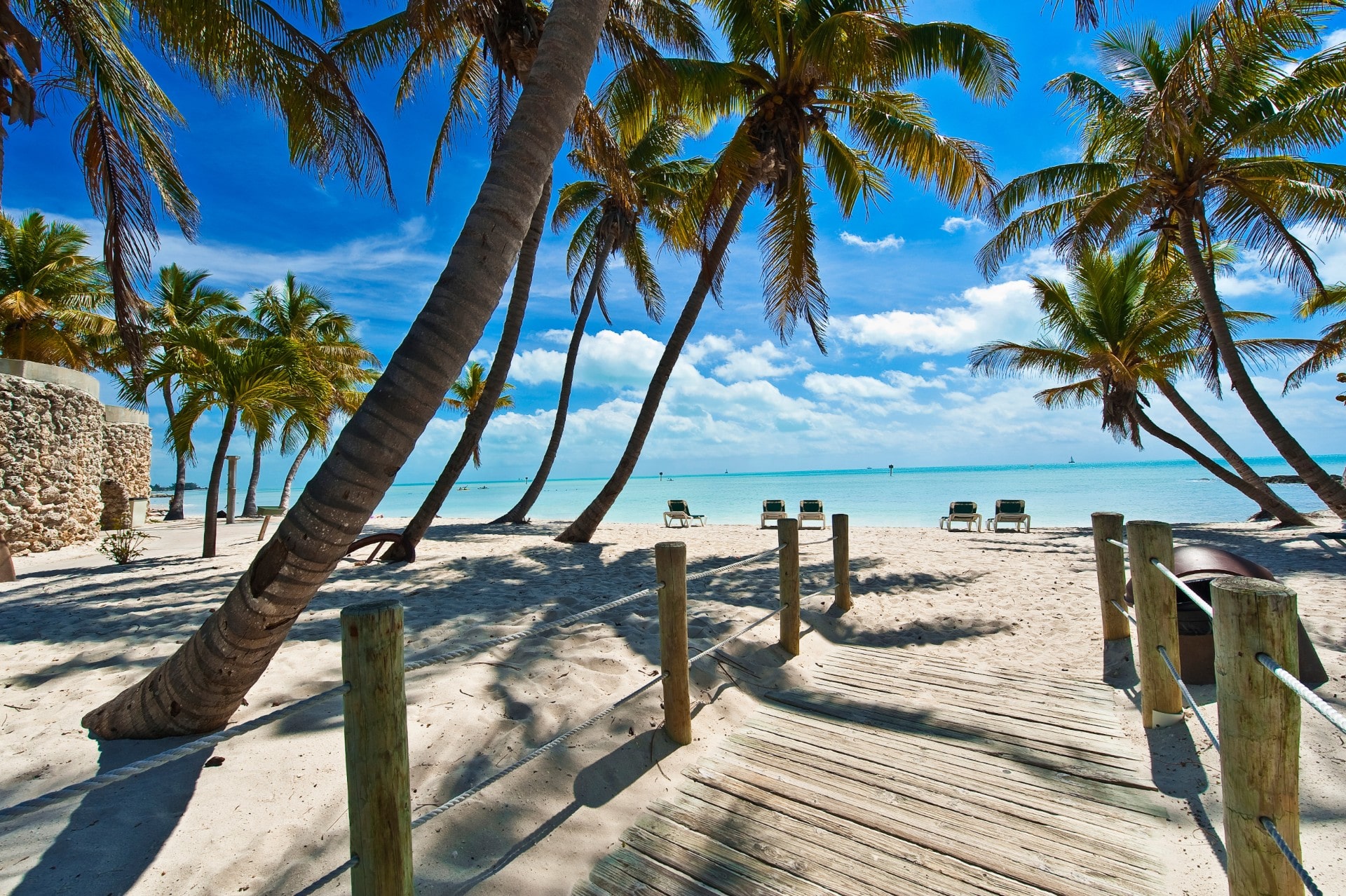
To truly understand the best time to visit, one must look at the specific nuances each month brings to the island’s ecosystem and social scene.
Winter in the Keys: January and February
January is often the coolest month. While you might need a light jacket in the evenings, the days are usually bright and sunny. This is a prime time for bird watching at the Key West Tropical Forest & Botanical Garden. Events like the Key West Food and Wine Festival take place in January, attracting gourmands from across the country. February continues this trend with the Old Island Days Art Festival, showcasing local and national talent against the backdrop of historic Key West architecture.
Springtime Revelry: March and April
March brings the “Spring Break” crowd, though Key West remains more sophisticated than other Florida destinations. The weather is near-perfect, making it the best time to explore Fort Zachary Taylor Historic State Park, where you can combine a history lesson with a visit to one of the island’s best natural beaches. April is slightly quieter and marks the beginning of the offshore fishing season, where marlin and sailfish become the primary targets for anglers.
Sizzling Summer: May through August
By May, the “locals’ summer” begins. The Key West Songwriters Festival in May is a major highlight, where artists perform in intimate venues across the island. June and July are popular for families, as schools are out. This is also the time for Hemingway Days in July, featuring the famous look-alike contest at Sloppy Joes Bar. If you are looking for tranquility, a visit to the Key West Butterfly and Nature Conservatory offers a cooled, indoor escape from the midday sun.
Autumn Traditions: September through November
September is the quietest month on the island. Many local businesses take this time to renovate or go on vacation. However, the energy returns in October with Fantasy Fest, a ten-day mask and costume celebration that rivals Mardi Gras in its extravagance. November brings cooler air and the World Championship Powerboat Races, which fill the harbor with high-speed excitement.
Planning Your Trip Around Major Cultural Events
Key West is not just a geographical destination; it is a cultural enclave. The “Conch Republic,” as locals call it, has a history of independence and artistic expression that is celebrated year-round.
Fantasy Fest: A Carnival of Color
If you enjoy large crowds, elaborate costumes, and a party atmosphere, late October is the only time to visit. Fantasy Fest transforms the entire downtown area, particularly Duval Street, into a giant street party. It is important to note that this event is adult-oriented and may not be the best time for a quiet family getaway. During this week, even boutique hotels like Ocean Key Resort & Spa command premium rates.
Literary and Historical Celebrations
For those interested in the intellectual history of the island, July’s Hemingway Days is essential. Beyond the look-alike contest, there are literary readings and a short story competition. History buffs might also want to time their visit to include a tour of the Harry S. Truman Little White House, which served as the presidential winter retreat. Another must-visit for history enthusiasts is the Mel Fisher Maritime Museum, which houses treasures from the Atocha shipwreck.

Practical Tips for a Successful Key West Vacation
Regardless of when you go, certain logistical realities remain constant. The island is small—roughly four miles long and two miles wide—meaning that transportation and location choice are paramount.
- Transport: While many fly directly into Key West International Airport, others enjoy the scenic drive from Miami via the Overseas Highway. Once on the island, a car is often more of a burden than a benefit due to limited parking. Bicycles and electric golf carts are the preferred methods of travel.
- Location: Staying in Old Town puts you within walking distance of the Southernmost Point Buoy and the historic heart of the city. If you prefer a more industrial and up-and-coming vibe, Stock Island offers great marinas and authentic seafood eateries like those found in Bahama Village.
- Water Safety: If you plan on swimming at Higgs Beach or taking a boat out to the coral reefs, always check the local weather forecasts. The currents in the Florida Keys can be deceptively strong.
- Booking: For high-season visits, book your dinner reservations and tours at least two to three weeks in advance. Popular sunset cruises departing from the Key West Bight fill up quickly, especially during the winter months.
Ultimately, the best time to visit Key West is a subjective choice. If you seek the perfect climate and a bustling atmosphere, the winter months are unbeatable. If you are looking for a bargain and can handle the tropical heat, the summer and fall offer a more intimate look at this unique United States outpost. No matter when you arrive, the island’s spirit—a mix of relaxation, history, and “One Human Family” philosophy—ensures a memorable journey.
LifeOutOfTheBox is a participant in the Amazon Services LLC Associates Program, an affiliate advertising program designed to provide a means for sites to earn advertising fees by advertising and linking to Amazon.com. Amazon, the Amazon logo, AmazonSupply, and the AmazonSupply logo are trademarks of Amazon.com, Inc. or its affiliates. As an Amazon Associate we earn affiliate commissions from qualifying purchases.