
Florida, often dubbed the Sunshine State, beckons millions of visitors each year with its pristine beaches, vibrant cities, and world-class attractions. From the theme parks of Orlando to the Art Deco glamour of Miami Beach, and the laid-back charm of the Florida Keys, there’s an endless array of experiences to be had. For many tourists, enjoying a refreshing drink alongside a meal, at a lively bar, or during a festive event is part of the vacation experience. However, understanding the legal alcohol limits and the associated laws in Florida is not just a recommendation; it’s a critical aspect of responsible tourism and ensuring a safe, enjoyable, and uninterrupted trip. Navigating the legal landscape surrounding alcohol consumption and driving can be complex, and ignorance of the law is never an excuse. This comprehensive guide aims to demystify Florida’s legal alcohol limits, DUI laws, and the profound implications of non-compliance, ensuring that your visit to the Sunshine State remains memorable for all the right reasons.

Understanding Florida’s DUI Laws and BAC Limit
At the heart of Florida’s alcohol-related driving laws is the concept of Blood Alcohol Content (BAC). This metric quantifies the amount of alcohol in a person’s bloodstream and is the primary determinant in establishing legal impairment for driving purposes.
The Standard BAC Limit: 0.08%
For most drivers in Florida who are 21 years of age or older, the legal alcohol limit is a BAC of 0.08%. This means that if you operate a motor vehicle with a BAC at or above this threshold, you are legally presumed to be impaired and can be charged with Driving Under the Influence (DUI). It’s crucial to understand that even if you feel capable of driving, a BAC of 0.08% or higher is sufficient for a DUI charge, regardless of perceived sobriety. The law is designed to prevent accidents and protect public safety by setting a clear, objective standard for impairment. This standard applies uniformly across the state, from the bustling streets of Tampa to the serene highways leading to Naples.
Commercial Drivers and Underage Limits
Florida implements stricter BAC limits for specific categories of drivers, recognizing the heightened responsibility associated with their roles or age. For individuals holding a Commercial Driver’s License (CDL), the legal limit is significantly lower: 0.04%. This reduced threshold reflects the potential for greater harm when operating large commercial vehicles and the need for maximum vigilance. A commercial driver found with a BAC of 0.04% or higher can face not only criminal charges but also the suspension or revocation of their CDL, impacting their livelihood.
For underage individuals, those under 21 years of age, Florida enforces a “Zero Tolerance” policy. This means that any detectable amount of alcohol in an underage driver’s system—specifically a BAC of 0.02% or higher—is grounds for a DUI charge. The 0.02% limit accounts for potential mouthwash or certain medications, but effectively means that underage individuals should not consume any alcohol before driving. This strict policy is in place to deter underage drinking and driving, which poses a significant risk to young drivers and others on the road.
Implied Consent Law
An important aspect of Florida’s DUI laws, particularly relevant to visitors, is the Implied Consent law. By obtaining a Florida driver’s license or by simply driving on Florida roads, you implicitly consent to chemical testing (such as breath, blood, or urine tests) if a law enforcement officer has probable cause to believe you are driving under the influence. Refusal to submit to such testing carries severe penalties, including immediate suspension of your driving privileges for a minimum of one year for a first refusal, regardless of whether you are ultimately convicted of DUI. Subsequent refusals can lead to even longer suspensions. This law serves as a powerful deterrent against refusing cooperation with law enforcement during DUI investigations.
Beyond the Limit: Factors Influencing Impairment
While 0.08% BAC is the legal standard, it’s crucial to understand that impairment begins well before reaching this limit. Various factors can influence how quickly and severely alcohol affects an individual, making it perilous to rely solely on perceived sobriety.
Individual Physiological Differences
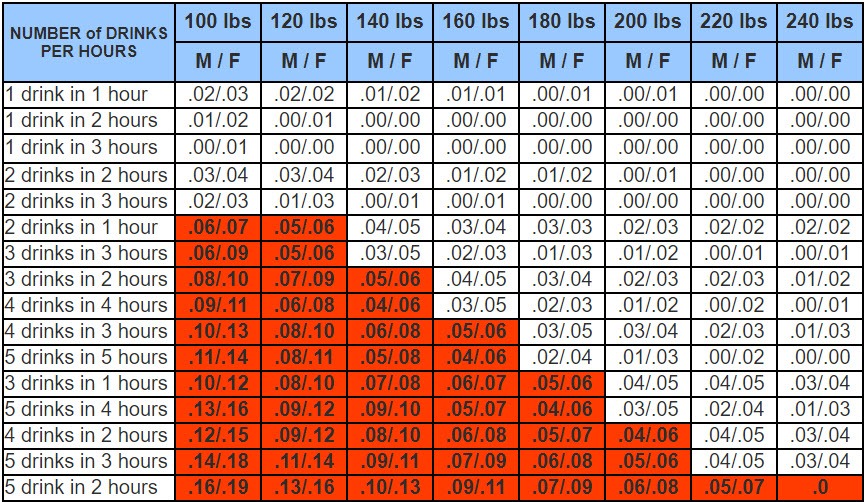
Alcohol affects everyone differently, and several physiological factors play a significant role. Body weight, for instance, is a major factor; generally, individuals with a higher body weight may metabolize alcohol more slowly or have a larger volume of blood to dilute the alcohol, potentially leading to a lower BAC for the same amount consumed compared to lighter individuals. Gender also plays a role, as women typically have less water content in their bodies and different enzyme levels, leading to higher BACs than men after consuming the same amount of alcohol. Metabolism rates, genetics, and liver health further contribute to individual variations in alcohol processing. It’s a dangerous misconception to assume a uniform reaction to alcohol consumption.
Types of Alcoholic Beverages and Consumption Rate
The type of alcoholic beverage consumed (beer, wine, spirits) does not, by itself, determine the level of impairment; rather, it’s the total amount of pure alcohol consumed. A standard drink, whether it’s a 12-ounce beer (5% alcohol), a 5-ounce glass of wine (12% alcohol), or a 1.5-ounce shot of 80-proof liquor (40% alcohol), contains roughly the same amount of pure alcohol. However, the rate of consumption is critical. Binge drinking or consuming multiple drinks in a short period can rapidly elevate BAC, as the body can only metabolize a certain amount of alcohol per hour (typically about one standard drink). Spreading out consumption, hydrating with water, and eating food can help slow absorption, but none of these negate the intoxicating effects or make it safe to drive after drinking.
The Dangers of “Driving While Impaired” (DWI)
Florida law distinguishes between “DUI” (Driving Under the Influence), which often implies a BAC at or above the legal limit, and the broader concept of “Driving While Impaired” (DWI). Even with a BAC below 0.08%, if an officer observes signs of impairment (e.g., erratic driving, slurred speech, poor coordination during field sobriety exercises), you can still be charged with DUI based on impairment of normal faculties. This means that a person could potentially be charged with DUI even if their BAC is, for example, 0.05%, if their driving ability is demonstrably compromised. This provision underscores that the goal of the law is to prevent any form of impaired driving, not just driving over a specific numerical limit.
Consequences of a DUI in Florida
A DUI conviction in Florida carries severe, life-altering consequences that extend far beyond a simple fine. These penalties are designed to be a significant deterrent and reflect the serious nature of the offense.
Penalties for First-Time Offenders
Even for a first-time DUI offense, the penalties are substantial. These typically include:
- Fines: Ranging from $500 to $2,000, which can increase significantly if aggravating factors like a high BAC (0.15% or higher) or the presence of a minor in the vehicle are involved.
- Imprisonment: Up to six months, with potential for up to nine months if aggravating factors are present. This can often be served through community service.
- Probation: Up to one year of probation.
- Vehicle Impoundment: Your vehicle may be impounded for 10 days.
- License Suspension: Mandatory driver’s license suspension ranging from 180 days to one year.
- DUI School: Mandatory completion of a DUI substance abuse course.
- Ignition Interlock Device (IID): Installation of an IID on your vehicle for at least six months if your BAC was 0.15% or higher, or if a minor was present. An IID requires you to blow into a device that measures your BAC before your vehicle will start.
- Community Service: Mandatory 50 hours of community service.
Enhanced Penalties for Repeat Offenses or Aggravating Factors
Florida law significantly escalates penalties for repeat DUI offenders. A second DUI conviction within five years of the first can result in mandatory jail time (at least 10 days), longer license suspensions (up to five years), and IID installation for at least one year. A third DUI within ten years becomes a felony, carrying even more severe prison sentences, extensive fines, and a 10-year license revocation. A fourth or subsequent DUI is always a felony, with potential prison time of up to five years and permanent license revocation.
Aggravating factors also lead to enhanced penalties. These include a BAC of 0.15% or higher, causing property damage, causing injury, or having a minor under 18 years old in the vehicle. In cases where a DUI results in serious bodily injury or death, the charges can be elevated to felony DUI with severe prison sentences and permanent license revocation.
Long-Term Impacts: License, Insurance, and Record
Beyond the immediate legal repercussions, a DUI conviction in Florida casts a long shadow over an individual’s life. The administrative suspension of your driver’s license by the Florida Department of Highway Safety and Motor Vehicles (DHSMV) is separate from any criminal court penalties. Reinstating your license typically requires completing DUI school, paying reinstatement fees, and potentially providing proof of financial responsibility (SR-22 insurance).
Perhaps one of the most significant long-term impacts is on automobile insurance rates. Following a DUI, insurers will likely classify you as a high-risk driver, leading to dramatically increased premiums for several years, potentially making coverage prohibitively expensive. Furthermore, a DUI conviction becomes a part of your permanent criminal record, which can affect future employment opportunities, housing applications, and even travel to certain countries. For tourists, a DUI can complicate re-entry into their home country and future international travel.
Responsible Alcohol Consumption While Enjoying Florida
To fully enjoy all that Florida has to offer without encountering legal troubles, adopting a proactive and responsible approach to alcohol consumption is paramount.
Planning Ahead: Designated Drivers and Ride-Sharing
The simplest and most effective way to avoid a DUI is to plan your transportation before you even take your first sip. If you’re traveling with a group, designate a sober driver who commits to abstaining from alcohol. For solo travelers or groups where everyone wishes to partake, ride-sharing services like Uber and Lyft are widely available in Florida’s major cities and tourist hubs, including Orlando, Miami, Fort Lauderdale, and Jacksonville. Taxis are another reliable option. Always factor in the cost of safe transportation when budgeting for your outings, as it’s a small price to pay compared to the cost of a DUI.
Public Transportation Options in Florida’s Major Cities
While Florida is largely a car-centric state, many of its larger cities and popular tourist areas offer various public transportation options. Miami boasts the Metromover, Metrobus, and Metrorail systems. Orlando has the I-Ride Trolley for the International Drive resort area and a Lynx bus system. Tampa offers the TECO Line Streetcar and HART bus services. Researching local public transport routes and schedules in your chosen destination can provide a cost-effective and safe way to explore after enjoying alcoholic beverages.
Knowing Your Limits and Staying Safe
Beyond external factors, personal responsibility is key. Understand how alcohol affects you specifically. Pacing yourself, alternating alcoholic drinks with water, eating food, and avoiding drinking on an empty stomach can help moderate alcohol’s effects. However, these strategies do not make it safe to drive if you’ve consumed alcohol. If there’s any doubt about your sobriety, err on the side of caution and do not get behind the wheel. Remember, the legal limit is a maximum, not a target. Your ability to drive can be impaired long before you reach 0.08% BAC.
FAQs & Additional Considerations
For a holistic understanding of alcohol laws in Florida, a few other important regulations and scenarios warrant attention.
Open Container Laws in Florida
Florida has strict open container laws. It is generally illegal to possess an open container of an alcoholic beverage in a vehicle while on a public highway or right-of-way. This applies to both drivers and passengers. An “open container” is defined as any container of alcohol that has been opened, has a broken seal, or has had its contents partially removed. The only exceptions are typically in the passenger area of a vehicle designed for carrying passengers for compensation (like a taxi or bus) or in the living quarters of a recreational vehicle. If you purchase alcohol, keep it sealed and stored in the trunk or a locked glove compartment until you reach your destination.
Alcohol Service Hours and Age Restrictions
The legal drinking age in Florida is 21. It is illegal for anyone under 21 to purchase or consume alcoholic beverages, with very limited exceptions (e.g., for religious purposes or in the presence of a parent/guardian on private property, though even these are subject to interpretation and local ordinances). Businesses serving alcohol must adhere to these age restrictions and will typically require valid photo identification. Alcohol service hours can vary by county and municipality, but generally, sales are permitted from 7:00 AM to 12:00 AM (midnight), with some establishments in popular tourist areas like South Beach in Miami or downtown Orlando extending sales until 2:00 AM or even later on weekends. Always check local ordinances for specific hours in your area of interest.
Boating Under the Influence (BUI)
Given Florida’s extensive waterways and popularity for recreational boating, it’s essential to be aware of Boating Under the Influence (BUI) laws. Much like DUI laws, it is illegal to operate a vessel with a BAC of 0.08% or higher. The penalties for BUI are very similar to those for DUI, including fines, imprisonment, and suspension of boating privileges. The Implied Consent law also applies to BUI, meaning refusing a chemical test can lead to significant penalties. Whether you’re cruising on the Gulf Coast, enjoying a day on Lake Okeechobee, or navigating the intercoastal waterways, the same principles of responsible consumption and operation apply.
In conclusion, enjoying Florida’s vibrant social scene and culinary delights often involves the responsible consumption of alcohol. However, understanding and adhering to the legal alcohol limits and associated laws is paramount for both your safety and the uninterrupted enjoyment of your trip. The 0.08% BAC limit for drivers over 21, the stricter limits for commercial and underage drivers, and the Implied Consent law are cornerstones of Florida’s commitment to road safety. The consequences of a DUI are severe and long-lasting, far outweighing any perceived convenience of driving after drinking. By planning ahead for transportation, knowing your personal limits, and being aware of all alcohol-related regulations, you can ensure a professional, insightful, and engaging visit to the Sunshine State, creating memories that are truly free from regret.
LifeOutOfTheBox is a participant in the Amazon Services LLC Associates Program, an affiliate advertising program designed to provide a means for sites to earn advertising fees by advertising and linking to Amazon.com. Amazon, the Amazon logo, AmazonSupply, and the AmazonSupply logo are trademarks of Amazon.com, Inc. or its affiliates. As an Amazon Associate we earn affiliate commissions from qualifying purchases.