
Florida, often conjuring images of pristine beaches, vibrant theme parks, and endless sunshine, holds a special place in the American psyche and the global tourism landscape. This southeastern state, a peninsula reaching into the Atlantic Ocean and the Gulf of Mexico, is renowned for its diverse ecosystems, rich history, and dynamic cultural mosaic. But beneath the surface of its obvious attractions lies a deeper identity, encapsulated by its official state nickname. Understanding this moniker is not merely a trivial pursuit; it offers profound insights into what makes Florida such an enduringly popular destination for millions of tourists each year. The nickname itself serves as a branding beacon, influencing perceptions, shaping expectations, and guiding the dreams of those planning a visit. So, what is this iconic nickname, and how does it reflect the very essence of Florida’s appeal as a premier tourism hotspot?

The Sunshine State: An Enduring Emblem of Florida’s Charm
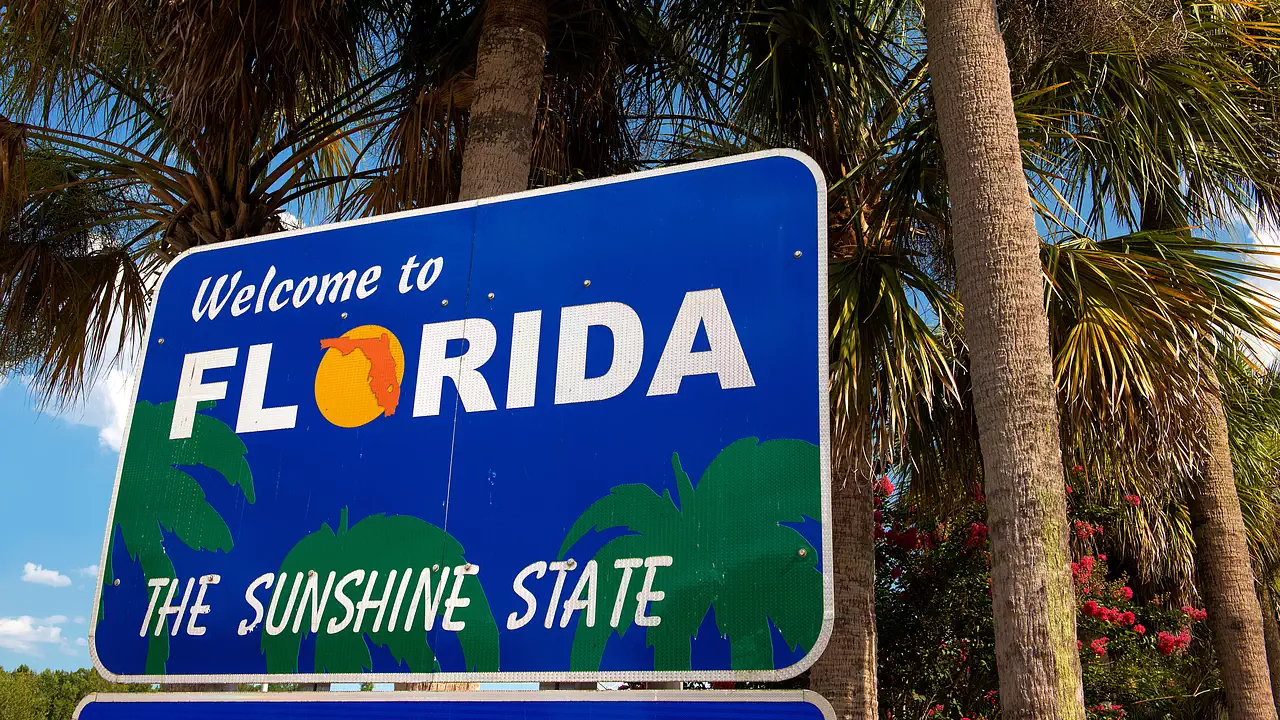
The official nickname of Florida is “The Sunshine State.” Adopted by the state legislature in 1970, this designation perfectly encapsulates the most defining characteristic of Florida’s climate and, by extension, its primary draw for visitors. It’s a name that immediately evokes warmth, brightness, and the promise of clear skies, elements that are central to the tourism experience Florida offers. For decades prior, “The Sunshine State” had been widely used informally, a testament to its natural fit and universal recognition. This nickname isn’t just a catchy phrase; it’s a powerful marketing tool that communicates the state’s most valuable asset to potential tourists: its unparalleled weather.
Origins and Popularity of “The Sunshine State”
The origins of “The Sunshine State” are rooted in Florida’s geographical location and meteorological realities. Positioned largely in the subtropical and tropical zones, Florida experiences an abundance of sunny days throughout the year, especially compared to states further north. This consistent warmth and daylight became a crucial factor in its early development as a tourist destination. As early as the late 19th and early 20th centuries, northern residents, often referred to as “snowbirds,” began migrating south to escape harsh winters, seeking respite in Florida’s milder climate.
The nickname naturally gained traction as tourism boomed. Early promotional materials, postcards, and travel guides frequently highlighted Florida’s sunny disposition. It was a simple, yet incredibly effective, way to differentiate Florida from other destinations and to telegraph its core appeal. Cities like Miami, Orlando, and Key West became synonymous with year-round outdoor activities, a direct consequence of the state’s sunny reputation. The nickname is a testament to the fact that for many, sunshine is not just a pleasant backdrop, but the very reason for their Florida vacation, whether they’re seeking a beach retreat, a golf getaway, or a chance to explore natural wonders without the constraints of cold weather.
How the Nickname Shapes Visitor Expectations
“The Sunshine State” profoundly shapes visitor expectations, setting the stage for the kind of experience tourists anticipate. When planning a trip to Florida, the expectation of abundant sunshine influences decisions ranging from what to pack to the types of activities visitors plan. It suggests days spent on the beach, swimming in the ocean, exploring state parks, or enjoying outdoor attractions without the worry of inclement weather. This expectation is vital for destinations such as South Beach in Miami, the theme parks of Orlando, or the natural beauty of the Everglades National Park.
Furthermore, the nickname implies a certain lifestyle – one of relaxation, leisure, and outdoor enjoyment. It hints at warm evenings perfect for al fresco dining, vibrant nightlife, and endless opportunities for recreation. For families, it promises uninterrupted fun at places like Walt Disney World Resort or Universal Orlando Resort. For those seeking tranquility, it suggests idyllic days spent fishing in the Florida Keys or lounging by a resort pool. The nickname effectively pre-sells the Florida experience, creating a positive psychological framework for tourists even before they arrive. It’s a promise of warmth, light, and good times, a promise that Florida consistently strives to deliver.
Beyond the Beaches: Exploring Florida’s Diverse Allure
While “The Sunshine State” aptly captures Florida’s most immediate appeal, the state’s tourism offerings extend far beyond its famous sun-drenched beaches. Florida is a melting pot of diverse landscapes, rich history, and vibrant cultures, each contributing to its multifaceted charm and attracting a wide array of tourists. Understanding these varied attractions is crucial for any visitor looking to fully immerse themselves in the Florida experience.
Natural Wonders and Ecotourism
Florida’s natural environment is incredibly diverse, making it a prime destination for ecotourism and nature enthusiasts. The nickname “The Sunshine State” allows these activities to thrive year-round. The sprawling Everglades National Park, a UNESCO World Heritage Site, is a unique wetland ecosystem teeming with wildlife like alligators, panthers, and diverse bird species. Visitors can explore its sawgrass prairies, cypress swamps, and mangrove forests via airboat tours, kayaking, or hiking. Further south, the remote Dry Tortugas National Park, accessible only by ferry or seaplane from Key West, offers incredible snorkeling, birdwatching, and historical exploration around Fort Jefferson.
The state is also home to numerous natural springs, particularly in Central Florida and the Florida Panhandle, which provide crystal-clear waters for swimming, snorkeling, and tubing. Places like Ginnie Springs and Silver Springs State Park are popular for their beauty and refreshing temperatures. The St. Johns River, Florida’s longest river, offers opportunities for boating, fishing, and wildlife viewing. This abundance of natural landscapes ensures that even beyond its coastal appeal, Florida provides ample opportunities for adventure and connection with nature, all benefiting from the state’s consistent sunshine.
Cultural Richness and Historical Significance
Florida’s history is as vibrant and layered as its natural environment, offering significant cultural and historical attractions that appeal to a different segment of the tourism market. St. Augustine, founded in 1565 by Don Pedro Menéndez de Avilés for Spain, holds the distinction of being the oldest continuously inhabited European-established settlement in the United States. Its cobblestone streets, colonial architecture, and historic sites like the Castillo de San Marcos transport visitors back in time, offering a stark contrast to the modern attractions elsewhere in the state.
In Miami, the Art Deco Historic District in South Beach showcases a unique architectural heritage, attracting design enthusiasts and history buffs. The city’s strong Cuban influence in Little Havana provides a rich cultural experience with its distinct food, music, and art scene. Meanwhile, Key West, with its bohemian atmosphere, charming Conch Houses, and literary connections (most notably to Ernest Hemingway), offers a laid-back, culturally rich escape at the southernmost point of the continental United States. The state capital, Tallahassee, boasts historical sites and museums reflecting its role in Florida’s political evolution. These diverse cultural and historical offerings demonstrate that Florida’s appeal is multi-dimensional, offering depth and discovery beyond simply basking in the sun.
Economic and Lifestyle Implications for Tourism
“The Sunshine State” nickname does more than just describe Florida’s climate; it underpins significant economic and lifestyle implications that directly fuel its massive tourism industry. The promise of perpetual sunshine draws not only short-term visitors but also influences long-term residency and the development of major entertainment and sporting events, cementing Florida’s status as a global hub.
The Allure of Retirement and Relocation
The consistent sunshine and warm climate make Florida an irresistible magnet for retirees and those seeking a lifestyle change. This demographic, often referred to as “snowbirds,” contributes significantly to the state’s economy, not just through seasonal visits but also through permanent relocation. Cities like Naples, Sarasota, and Fort Lauderdale have become renowned for their retirement communities, offering a high quality of life with abundant outdoor activities available year-round.
This influx of residents, even if seasonal, supports a vast service industry, including hospitality, healthcare, and retail, all of which benefit from the tourism infrastructure. The pleasant climate also allows for an active lifestyle, promoting outdoor sports like golf, tennis, and boating, which in turn fuels specialized tourism markets and the development of world-class facilities. The “Sunshine State” persona thus contributes to a robust economic ecosystem that extends far beyond transient vacationers.
Sports and Entertainment Hubs
Florida’s climate is a key factor in its emergence as a major hub for sports and entertainment tourism. The ability to host outdoor events year-round makes it ideal for professional sports teams, spring training for Major League Baseball (MLB), and numerous golf and tennis tournaments. Cities like Tampa and Jacksonville are home to NFL teams, while MLB spring training draws thousands of fans to various stadiums across the state each year, generating significant revenue for local businesses.
Beyond traditional sports, the entertainment sector thrives under the Florida sun. Orlando, globally recognized as the “Theme Park Capital of the World,” capitalizes on the sunny weather to ensure maximum operating days for its colossal attractions. The Kennedy Space Center Visitor Complex offers year-round educational and awe-inspiring experiences related to space exploration. This combination of natural advantages and strategic development ensures that Florida remains a premier destination for diverse forms of entertainment and recreation, all while living up to its luminous nickname.
The Sunshine State’s Future in Tourism
As global travel evolves, so too must Florida’s approach to tourism. While “The Sunshine State” will always be a cornerstone of its appeal, the future demands adaptability, innovation, and a commitment to sustainability to ensure its continued prominence.
Adapting to Modern Tourist Demands
Modern tourists are increasingly seeking authentic experiences, sustainable travel options, and opportunities to engage deeply with local culture. Florida is adapting by promoting its diverse offerings beyond the major theme parks and beaches. Efforts are being made to highlight its burgeoning culinary scene, craft breweries, art districts in cities like St. Petersburg, and its rich agricultural heritage.
There’s a growing emphasis on agritourism, eco-adventures, and cultural festivals that celebrate the state’s unique heritage. This diversification ensures that Florida can cater to niche markets, from birdwatchers and kayakers to foodies and history buffs, all while leveraging its consistent sunshine for outdoor activities. The state is investing in infrastructure that supports these varied interests, providing more guided tours, interpretive centers, and community-based tourism initiatives.

Preserving the Essence of Florida
The future of Florida’s tourism success hinges on preserving the very essence that earned it the nickname “The Sunshine State” – its natural beauty, unique ecosystems, and vibrant cultural identity. Sustainable tourism practices are becoming paramount, focusing on protecting its precious coastlines, wetlands, and wildlife. This includes initiatives for beach preservation, Everglades restoration, and the creation of marine sanctuaries to protect its coral reefs and marine life.
Balancing development with conservation is a constant challenge, but one that is crucial for maintaining the long-term appeal of the state. By investing in environmental protection and promoting responsible tourism, Florida can ensure that future generations of visitors will continue to enjoy its pristine natural wonders. Simultaneously, preserving its historic sites and supporting local communities helps to maintain the authentic charm that complements its sun-drenched reputation.
In conclusion, “The Sunshine State” is more than just a catchy phrase; it’s a powerful and accurate descriptor of Florida’s core identity and its enduring appeal to tourists worldwide. It speaks to the climate that enables year-round outdoor activities, shapes visitor expectations, and underpins the state’s economic prosperity. From its world-famous beaches and theme parks to its diverse natural wonders and rich historical tapestry, Florida continues to captivate hearts, all under the glorious embrace of its defining characteristic: sunshine.
LifeOutOfTheBox is a participant in the Amazon Services LLC Associates Program, an affiliate advertising program designed to provide a means for sites to earn advertising fees by advertising and linking to Amazon.com. Amazon, the Amazon logo, AmazonSupply, and the AmazonSupply logo are trademarks of Amazon.com, Inc. or its affiliates. As an Amazon Associate we earn affiliate commissions from qualifying purchases.