
Florida, a state synonymous with sunshine, beaches, and year-round warmth, might seem like an unlikely place to experience snowfall. However, history tells a different story, revealing infrequent but memorable instances when the Sunshine State donned a blanket of white. Understanding these rare weather events offers a unique perspective on Florida’s diverse climate and the surprising natural phenomena that can occur even in its most tropical locales. While not a common occurrence, the possibility of snow in Florida adds an intriguing layer to its already fascinating natural history, and for those planning a visit, it highlights the importance of checking weather forecasts across different seasons, even for a state known for its consistent warmth.

A Glimpse into Florida’s Snowy Past
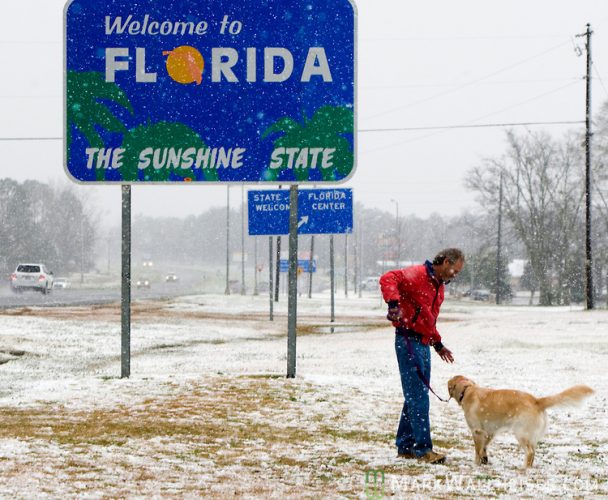
The concept of snow falling in Florida often elicits skepticism, given its reputation for tropical humidity and sweltering summer days. Yet, historical records and anecdotal evidence confirm that snow has, indeed, visited the state on several occasions. These events, though rare, have left a lasting impression on those who witnessed them, transforming familiar landscapes into something entirely new and unexpected. For tourists and locals alike, these moments are cherished memories, testaments to the unpredictable nature of weather and the unique climatic variations that can occur within a single geographical region. The scientific explanation behind these occurrences typically involves a precise confluence of cold air masses from the north meeting a moisture source, creating the perfect conditions for frozen precipitation.
The Most Significant Snowfall Event: January 19, 1977
The most widely cited and impactful snowfall event in Florida’s history occurred on January 19, 1977. This date is etched in the memories of many Floridians, particularly those in the northern and central parts of the state. The cold wave that swept across the southeastern United States brought unusually frigid temperatures all the way down to the Florida Keys.
Impact Across the State
On this historic day, snow flurries were reported as far south as Miami, with some accumulation noted in areas like Tallahassee, Gainesville, and Orlando. While the accumulations were generally light, ranging from a dusting to an inch in some inland areas, the sight of snow was a profound novelty for a population accustomed to only sunshine and warmth. Children built miniature snowmen, and adults marveled at the transformation of palm trees and orange groves dusted in white. The event was so unusual that it was covered by national news outlets, showcasing the surreal image of snow in a tropical paradise. Many residents who experienced this event recall the sheer disbelief and wonder that accompanied it, a stark contrast to their everyday reality. The impact on local tourism was minimal in terms of immediate visitor numbers, as the event was so unexpected, but it certainly became a significant talking point and a piece of local lore.
Other Notable Snowfall Occurrences
While 1977 stands out, it wasn’t the only time snow graced Florida. Several other instances, though perhaps less widespread or intense, are worth noting:
The Mid-19th Century and Early 20th Century
Historical records suggest sporadic snowfalls in the mid-1800s and early 1900s, particularly in the panhandle region. These events were often brief and resulted in minimal accumulation, but they confirm that cold, snowy weather is not entirely alien to Florida. For those interested in the history of the region, these earlier accounts add depth to our understanding of its climatic past. They often coincided with unusually severe winter storms that affected much of the eastern United States.
February 2010
Another notable, albeit very light, snowfall event occurred on February 12, 2010. This “snowmageddon” for some parts of the South saw flurries and light accumulation in areas as far south as Tampa Bay and even briefly in Miami-Dade County. While the accumulation was very scant, the psychological impact was significant. The unexpected nature of the event brought a sense of excitement and novelty, with many people capturing photos and sharing their experiences on social media. This event served as a reminder that even in the 21st century, the Florida climate can still surprise. It also prompted many local businesses to consider how unusual weather might affect tourism and local activities.
Understanding the Science Behind Florida Snow
The occurrence of snow in Florida, though rare, is a fascinating meteorological phenomenon rooted in specific atmospheric conditions. It requires a delicate balance of cold air, moisture, and temperature at the right altitude.
The Perfect Storm of Conditions
For snow to fall in Florida, several factors must align:
- Cold Air Mass: A strong, deep surge of cold air from the north or northwest is essential. This mass needs to be cold enough to reach the surface and maintain freezing temperatures.
- Moisture Source: Adequate moisture is needed in the atmosphere to form precipitation. This can come from a low-pressure system moving through the Gulf of Mexico or the Atlantic Ocean, or from the movement of a weather front.
- Freezing Temperatures Aloft: The atmospheric temperature must be below freezing from the cloud layer all the way down to the ground. Even if surface temperatures are near freezing, if the air higher up is too warm, the precipitation will fall as sleet or freezing rain.
- Wind Patterns: Specific wind patterns are crucial for guiding these cold air masses and moisture sources into the state.
Why It’s Uncommon
Despite Florida’s northernmost regions experiencing temperatures cold enough for snow on occasion, the state’s general geographical location and proximity to warm ocean waters make prolonged periods of freezing temperatures coupled with sufficient moisture a rarity. Most winter cold fronts are either too short-lived or lack the necessary moisture to produce significant snowfall. When these conditions do align, the results are often memorable and become a topic of conversation for years to come, shaping local attractions and experiences in the collective memory.
Experiencing the Unlikely: Snow Tourism in Florida?
While Florida is not a winter wonderland destination in the traditional sense, the rare occurrences of snow have, in their own way, contributed to unique travel experiences and local attractions.
Snow Days as Memorable Events
For Floridians, a snow day is an extraordinary event. Families might take a day trip to witness the phenomenon, even if it’s just a light dusting. These moments become cherished memories, often passed down through generations. Hotels in areas that experience snow sometimes see a slight uptick in local bookings as residents seek to experience the novelty. While no dedicated “snow resorts” exist, the sheer novelty of snow in a tropical state makes it an event in itself. Imagine the surreal image of snow falling on Clearwater Beach or the theme parks of Orlando! Such imagery, though fleeting, adds to the mystique of the Sunshine State.
The Allure of the Unexpected
The rarity of snow in Florida actually enhances its appeal as a surprising destination highlight. For tourists who might not expect it, a glimpse of snow can be a delightful bonus to their Florida vacation. It’s a reminder that nature can be wonderfully unpredictable, and even the most predictable climates can offer moments of magic. Local news outlets and weather channels often provide extensive coverage when snow is in the forecast, turning the anticipation of snow into a local event that draws attention from around the country. While you won’t find guided tours specifically for snow, the chance of experiencing it can be an added, albeit unplanned, attraction.
Planning Your Florida Adventure: Beyond the Snow
While the prospect of snow in Florida is intriguing, it’s essential to remember that the state’s primary tourism appeal lies in its warm climate, beautiful beaches, and abundant sunshine.
Florida’s Main Attractions
Florida offers a diverse range of experiences for every type of traveler:
- Theme Parks: Orlando is home to world-renowned theme parks like Walt Disney World Resort, Universal Orlando Resort, and SeaWorld Orlando, offering endless entertainment for families and thrill-seekers.
- Beaches: From the white sands of the Gulf Coast (like Clearwater Beach and Siesta Key) to the vibrant shores of the Atlantic Coast (such as Miami Beach and Daytona Beach), Florida boasts some of the most beautiful beaches in the United States.
- Nature and Wildlife: Explore the unique ecosystem of the Everglades National Park, visit the Florida Keys for snorkeling and diving, or discover manatees in natural springs like Blue Spring State Park.
- Cities and Culture: Experience the vibrant culture of Miami, the historic charm of St. Augustine, or the lively arts scene in Tampa.

Year-Round Travel Advice
When planning a trip to Florida, it’s always wise to check the weather forecast, regardless of the season. While snow is a rare anomaly, understand that winter months (December to February) can bring cooler temperatures, especially in the northern parts of the state. This cooler weather, however, is generally ideal for outdoor activities, exploring attractions, and enjoying the beaches without the intense summer heat and humidity. For those who dream of experiencing a truly unique Florida phenomenon, keeping an eye on long-range forecasts during winter might just pay off with an unforgettable, snowy surprise. However, the true allure of Florida travel lies in its consistent offer of sunshine, warmth, and a plethora of year-round attractions.
LifeOutOfTheBox is a participant in the Amazon Services LLC Associates Program, an affiliate advertising program designed to provide a means for sites to earn advertising fees by advertising and linking to Amazon.com. Amazon, the Amazon logo, AmazonSupply, and the AmazonSupply logo are trademarks of Amazon.com, Inc. or its affiliates. As an Amazon Associate we earn affiliate commissions from qualifying purchases.