
Navigating the roads of Florida offers a blend of scenic beauty and vibrant cityscapes, from the sun-drenched beaches of Miami to the theme park adventures in Orlando. Whether you’re a long-time resident enjoying the daily commute, a new arrival settling into the Sunshine State, or a visitor renting a car for an extended stay, understanding the nuances of auto insurance is a critical component of a responsible and secure lifestyle. Among the various policy components, Uninsured Motorist (UM) Coverage stands out as a particularly vital, yet often misunderstood, safeguard. It’s a layer of protection designed to shield you and your finances from the significant risks posed by drivers who either lack insurance entirely or whose coverage is insufficient to cover the damages they inflict.
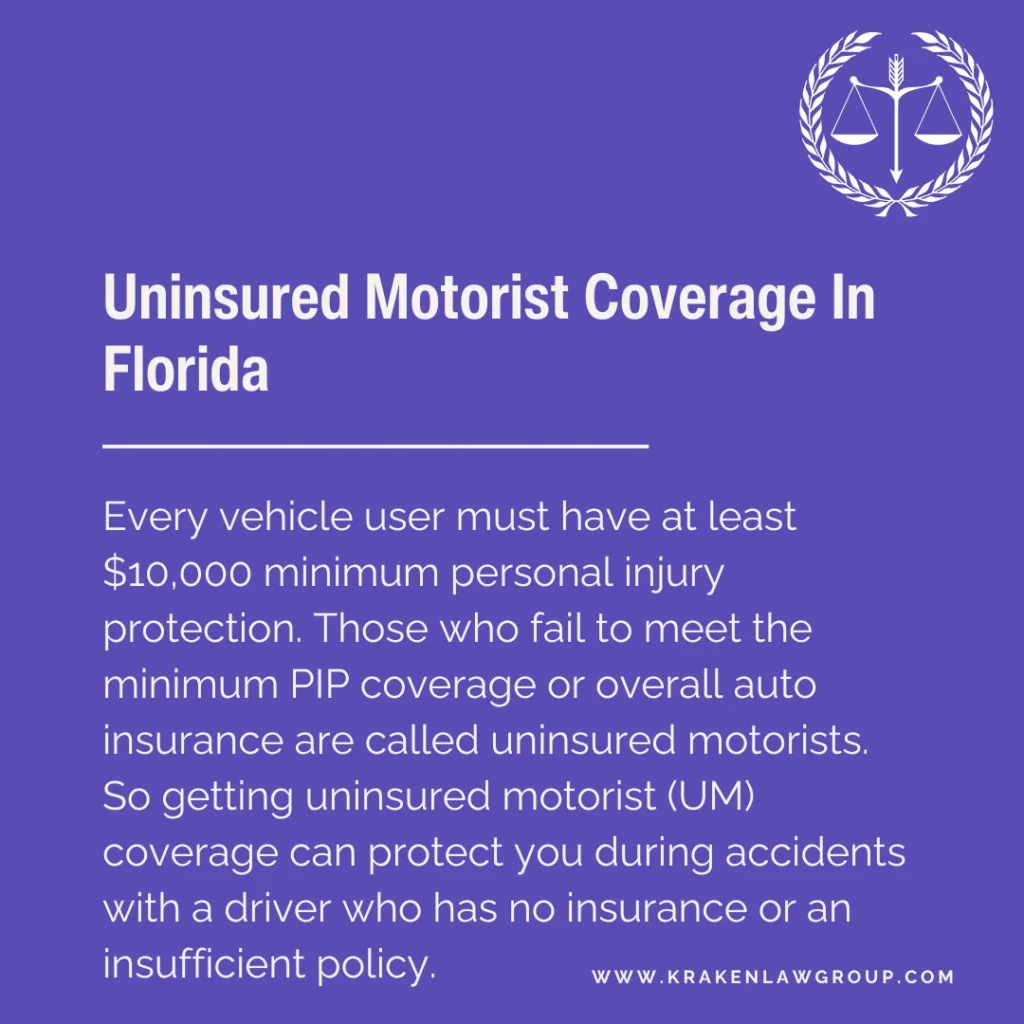
In a state with millions of registered vehicles and a constant influx of tourists, the likelihood of encountering an uninsured or underinsured driver is a tangible concern. This isn’t just a legal formality; it’s a practical necessity for anyone whose lifestyle involves driving in Florida. This comprehensive guide aims to demystify Uninsured Motorist Coverage, shedding light on what it is, why it’s crucial for your peace of mind and financial security, and how it fits into Florida’s unique automotive insurance landscape. By the end, you’ll have a clear understanding of how this coverage acts as a silent guardian, ensuring your lifestyle remains uninterrupted even in the face of unexpected road hazards.
The Unseen Risk on Florida Roads: Why UM Coverage Matters
Driving in Florida is often a pleasant experience, but it also comes with inherent risks, some of which are outside your control. The prevalence of uninsured and underinsured drivers is a significant concern that can turn a routine commute or a joyful road trip into a financial nightmare. Understanding this underlying risk is the first step toward appreciating the indispensable value of Uninsured Motorist Coverage.
Understanding the Landscape of Florida Driving
Florida’s roads are bustling. With a large population, a high number of licensed drivers, and millions of tourists visiting annually, the sheer volume of traffic increases the probability of accidents. While Florida mandates certain minimum insurance requirements, these requirements are among the lowest in the nation and do not include Bodily Injury Liability coverage as a compulsory component. This unique aspect means that even a driver who is technically “insured” according to state law might not have coverage that would adequately compensate you for medical bills or lost wages if they cause an accident.
The Cost of Uninsured Drivers
The statistics regarding uninsured drivers are sobering. Estimates suggest that a significant percentage of drivers on Florida roads operate without adequate, or any, insurance. If you are involved in an accident with one of these drivers, the financial repercussions can be devastating. Your own medical bills, vehicle repair costs, lost income due to injury, and pain and suffering could be substantial. Without UM coverage, you would be left to pursue compensation directly from the at-fault driver, a process that is often protracted, expensive, and frequently fruitless, especially if the driver has limited assets. This financial vulnerability can severely disrupt your lifestyle and long-term financial stability.
Decoding Uninsured Motorist (UM) Coverage
Uninsured Motorist Coverage is designed to protect you, your family, and any passengers in your vehicle if you are hit by a driver who is uninsured or underinsured. It essentially steps in to pay for damages that the at-fault driver’s insurance should have covered, but didn’t, up to your policy limits.
What UM Coverage Entails
At its core, UM coverage acts as a safety net. It covers damages you would normally seek from the at-fault driver’s liability insurance. This can include medical expenses, lost wages, pain and suffering, and, in some cases, property damage. It provides protection not just when you are driving your insured vehicle, but also if you are a passenger in someone else’s car, or even if you are hit as a pedestrian or bicyclist by an uninsured driver. This broad scope of protection makes it a crucial element for anyone seeking comprehensive lifestyle security.
The Two Types: UMBI and UMPD
Uninsured Motorist Coverage typically comes in two main forms, though not all states offer both, or offer them as separate options:
- Uninsured Motorist Bodily Injury (UMBI): This is the more common and often more critical component. UMBI covers medical expenses, lost wages, and pain and suffering for you and your passengers if you are injured by an uninsured or underinsured driver. This is especially important in Florida because Bodily Injury Liability is not mandatory, meaning many drivers might not have it.
- Uninsured Motorist Property Damage (UMPD): UMPD covers damage to your vehicle caused by an uninsured driver. While your collision coverage would typically cover this, UMPD can sometimes have a lower deductible than collision or may be a preferred option for those without collision coverage. However, in Florida, this is less common as a standalone UM option; comprehensive and collision coverages usually handle vehicle damage.
When UM Coverage Kicks In
UM coverage becomes active in several scenarios:
- Uninsured Driver: When the at-fault driver has no liability insurance.
- Underinsured Driver: When the at-fault driver has liability insurance, but the limits are insufficient to cover your damages (e.g., your medical bills are $50,000, but the at-fault driver only has $10,000 in bodily injury liability).
- Hit-and-Run: In many cases, if you are involved in a hit-and-run accident and the at-fault driver cannot be identified, your UM coverage will treat them as an uninsured driver.
Mandatory vs. Optional: Florida’s Approach to UM Coverage
Florida’s insurance laws are distinct, primarily due to its “no-fault” system. This framework significantly impacts how Uninsured Motorist Coverage is offered and perceived within the state.
Florida’s “No-Fault” System and PIP
Florida is a no-fault state, meaning that after an accident, your own insurance company pays for your medical expenses and lost wages up to a certain limit, regardless of who was at fault. This is primarily handled through Personal Injury Protection (PIP) coverage, which is mandatory in Florida. PIP typically covers 80% of medical expenses and 60% of lost wages, up to $10,000. While PIP is crucial, it’s often insufficient for serious injuries, and it doesn’t cover pain and suffering. This is where UM coverage becomes particularly vital, stepping in after PIP limits are exhausted or for damages that PIP doesn’t cover when an uninsured or underinsured driver is at fault.

The Choice to Accept or Reject UM Coverage
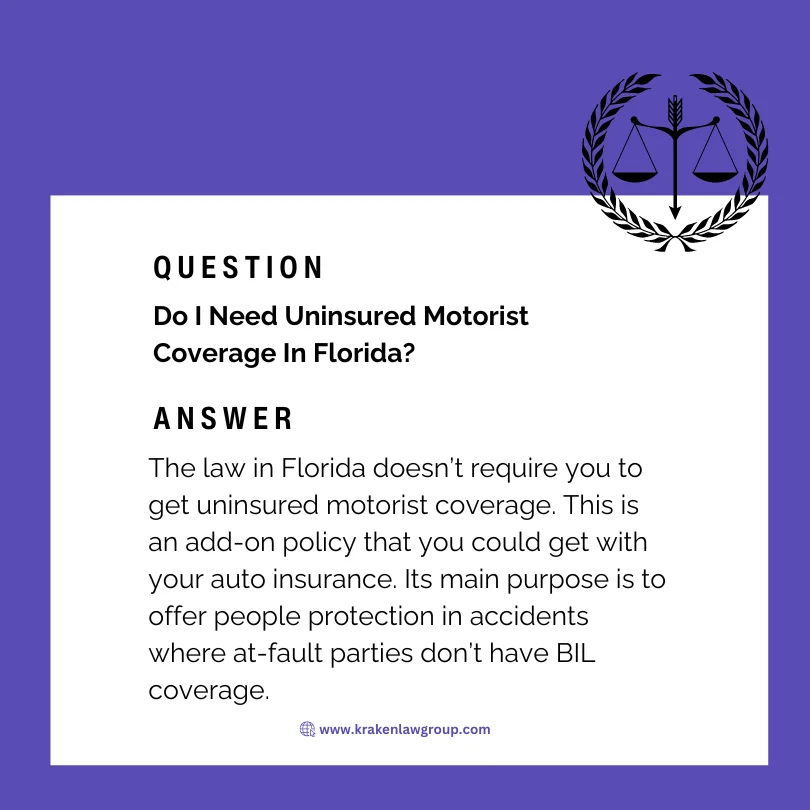
Unlike some other states where UM coverage is mandatory, Florida insurance companies are required to offer UM coverage, but policyholders have the right to reject it in writing. This is a critical decision point for every driver in Florida. Rejecting UM coverage might save a small amount on premiums, but it leaves you dangerously exposed to significant financial risk if an uninsured driver injures you. Given the high percentage of uninsured drivers in the state, rejecting this protection can be a risky move for your financial well-being and lifestyle security.
Stacked vs. Non-Stacked UM Coverage
Florida offers another important distinction within UM coverage: stacked versus non-stacked policies.
- Stacked UM Coverage: If you own multiple vehicles and insure them all with stacked UM coverage, the UM limits from each vehicle can be combined (or “stacked”) in the event of an accident. For example, if you have two cars, each with $50,000 in stacked UM coverage, you would have $100,000 available to you if you are injured by an uninsured driver, regardless of which vehicle you were driving (or if you were a pedestrian). This option provides greater protection and is generally recommended for maximizing your financial safety net.
- Non-Stacked UM Coverage: This option means that the UM limits apply only to the specific vehicle involved in the accident, and the limits cannot be combined across multiple policies or vehicles. If you have multiple cars, each with $50,000 in non-stacked UM coverage, you would still only have $50,000 available, even if the other vehicles also had UM coverage. While typically less expensive, it offers less comprehensive protection.
Making an Informed Decision for Your Florida Lifestyle
The decision regarding Uninsured Motorist Coverage is a personal one, but it should be made with careful consideration of your personal circumstances, risk tolerance, and long-term lifestyle goals. It’s an investment in your future security, especially in a state like Florida where road conditions and insurance requirements present unique challenges.
Assessing Your Personal Risk
Consider how often you drive, where you drive, and who else might be driving your vehicle. If you commute daily, travel frequently, or have family members who drive, your exposure to uninsured drivers increases. Think about your financial situation: could you absorb tens of thousands of dollars in medical bills and lost wages if you were seriously injured and the at-fault driver couldn’t pay? For most individuals, the answer is no, making UM coverage an indispensable safeguard for maintaining their lifestyle without undue financial strain.
Balancing Premiums and Protection
While adding UM coverage will increase your insurance premiums, the cost is often modest compared to the immense financial protection it provides. It’s a classic risk-reward calculation: a relatively small recurring expense to prevent potentially catastrophic out-of-pocket costs. Many financial advisors and insurance experts consider UM coverage to be one of the best values in auto insurance, especially in Florida. When comparing quotes, always ensure you are getting adequate UM coverage, ideally at least matching your Bodily Injury Liability limits.
Consulting with an Insurance Professional
The complexities of Florida insurance law and the nuances of stacked vs. non-stacked coverage make it highly advisable to consult with a qualified insurance agent or broker. They can assess your individual needs, explain the different options in detail, and help you tailor a policy that provides optimal protection for your unique lifestyle and budget. A professional can also advise on the appropriate limits for your UM coverage, ensuring it aligns with your overall financial planning.
Navigating the Aftermath: What to Do After an Accident with an Uninsured Driver
Even with the best preparation, accidents can happen. If you find yourself in an unfortunate situation involving an uninsured or underinsured driver, knowing the correct steps to take can significantly impact the success of your UM claim and minimize further disruption to your life.
Immediate Steps at the Scene
- Ensure Safety: Move to a safe location if possible and check for injuries. Call 911 immediately if anyone is hurt or if the vehicles are obstructing traffic.
- Contact Law Enforcement: Always call the police, even for minor accidents. A police report is crucial for any insurance claim and can verify that the other driver was uninsured or underinsured, or that it was a hit-and-run.
- Exchange Information: Get the other driver’s name, contact information, and vehicle details. If they claim to be uninsured, note this.
- Document Everything: Take photos of the accident scene, vehicle damage, and any visible injuries. Note the time, date, and location.
- Seek Medical Attention: Even if you feel fine, it’s wise to be checked by a medical professional. Some injuries may not manifest immediately.
Filing a UM Claim
Once the immediate aftermath is handled, notify your own insurance company as soon as possible. Be honest and provide all the information you collected. Your insurer will then initiate the process of evaluating your claim under your Uninsured Motorist Coverage. They will verify the at-fault driver’s insurance status (or lack thereof) and assess your damages, much as a third-party insurer would in a typical accident claim. This process can be intricate, often involving medical evaluations and negotiations, so patience is key.
Legal Considerations
In some cases, especially involving serious injuries or complex liability disputes, it may be beneficial to consult with a personal injury attorney. An attorney can help you understand your rights, navigate the claims process, negotiate with your own insurance company, and ensure you receive fair compensation for all your damages, including medical costs, lost wages, and pain and suffering. While UM coverage is designed to protect you, having legal counsel can provide an extra layer of assurance that your lifestyle and financial future are fully protected.
In conclusion, Uninsured Motorist Coverage is far more than just another line item on your auto insurance policy in Florida. It’s a fundamental pillar of personal and financial security, safeguarding your lifestyle against the unpredictable risks of the road. By understanding its importance, choosing appropriate limits, and being prepared for potential incidents, you can confidently navigate Florida’s vibrant thoroughfares with true peace of mind.
LifeOutOfTheBox is a participant in the Amazon Services LLC Associates Program, an affiliate advertising program designed to provide a means for sites to earn advertising fees by advertising and linking to Amazon.com. Amazon, the Amazon logo, AmazonSupply, and the AmazonSupply logo are trademarks of Amazon.com, Inc. or its affiliates. As an Amazon Associate we earn affiliate commissions from qualifying purchases.