
Louisiana, a state renowned for its vibrant culture, soul-stirring music, and mouthwatering cuisine, might not be the first place that springs to mind when you think of bears. Yet, for the curious traveler or resident alike, the question lingers: are there bears in Louisiana? The answer is a resounding yes, though perhaps not in the vast, grizzly-inhabited wilderness often pictured. Louisiana is home to a significant population of American black bears, a species that has been making a remarkable comeback in recent decades. This resurgence is a testament to conservation efforts and a fascinating aspect of the state’s diverse natural landscape, offering a unique wildlife encounter for those venturing into its wilder corners.

The presence of bears in Louisiana adds another layer to the rich tapestry of experiences available to visitors. Beyond the iconic French Quarter of New Orleans or the historic plantations along the Mississippi River, Louisiana’s natural areas are teeming with life. From the sprawling Atchafalaya Basin to the piney woods of northern Louisiana, these habitats provide essential refuge and resources for these elusive creatures. Understanding where bears live, how to observe them safely, and the conservation initiatives that protect them can enrich any trip to the Bayou State, blending adventure with an appreciation for its natural heritage.
Unveiling Louisiana’s Bear Population
The American black bear (Ursus americanus) is the only bear species found in Louisiana. While not as imposing as their grizzly cousins, these bears are still wild animals that deserve respect and a healthy distance. Historically, black bears were once widespread throughout the state, but habitat loss and hunting pressures led to a drastic decline in their numbers by the mid-20th century. However, thanks to dedicated conservation programs and improved habitat management, Louisiana’s bear population has experienced a significant recovery.
Species and Distribution
The American black bear in Louisiana is genetically distinct and adapted to the state’s varied ecosystems. They are found primarily in two distinct regions:
- The Coastal Marshes and Bottomland Forests: This is the stronghold for Louisiana’s bear population, particularly in the southeastern part of the state. The vast, swampy areas of the Atchafalaya Basin and the surrounding Mississippi Delta offer abundant food sources and dense cover, providing ideal habitat for bears. These areas are characterized by cypress-tupelo swamps, hardwood forests, and coastal marshes, all of which support a diverse array of plant and animal life that serves as sustenance for bears.
- The Northern Louisiana Hills: This region, characterized by pine and hardwood forests, also hosts a growing population of black bears. Conservation efforts have focused on connecting fragmented forest habitats to allow for bear movement and population growth. These upland forests provide acorns, berries, and other food sources that are crucial for bears, especially during their active seasons.
The recovery is particularly notable in areas like the Tensas River Basin and the Florida Parishes, where focused conservation efforts have helped re-establish and expand bear territories. This comeback is not just a win for wildlife but also for ecotourism and the broader appreciation of Louisiana’s natural wonders.
Factors Driving Population Growth
Several factors have contributed to the successful recovery of Louisiana’s black bear population. Foremost among these is the concerted effort by state and federal wildlife agencies, alongside conservation organizations. These efforts include:
- Habitat Restoration and Protection: Protecting existing natural habitats and restoring degraded areas have been crucial. This involves acquiring land, implementing sustainable forestry practices, and managing water levels in wetland areas to ensure they remain suitable for bears. The focus on connecting fragmented habitats is vital, allowing bears to roam and find mates, thus preventing genetic isolation and promoting a healthier, more robust population.
- Reduced Hunting Pressure: Historically, unregulated hunting significantly impacted bear populations. With the implementation of stricter hunting regulations and a moratorium on bear hunting for a considerable period, populations have been able to rebound. While regulated hunting seasons might be considered in the future for population management, the current focus is on growth and recovery.
- Public Awareness and Education: Increased public awareness about the importance of black bears and their role in the ecosystem has fostered a more conservation-minded attitude. Educating communities on how to coexist safely with bears, including proper food storage and waste management, is essential for minimizing human-bear conflicts and promoting the bears’ long-term survival.
The story of the American black bear in Louisiana is a powerful example of how dedicated conservation can reverse negative trends and lead to the successful recovery of a species. This resurgence opens up new avenues for wildlife observation and a deeper connection with the natural world of the Bayou State.
Experiencing Louisiana’s Wildlife: Bear Encounters and Safety
While the presence of bears in Louisiana is a cause for celebration among conservationists, it also raises questions about encountering them in the wild. For travelers interested in experiencing Louisiana’s diverse ecosystems, understanding bear behavior and implementing safety precautions is paramount. The goal is to enjoy the natural beauty of the state without disturbing the wildlife or putting oneself at risk.
Where to Potentially See Bears
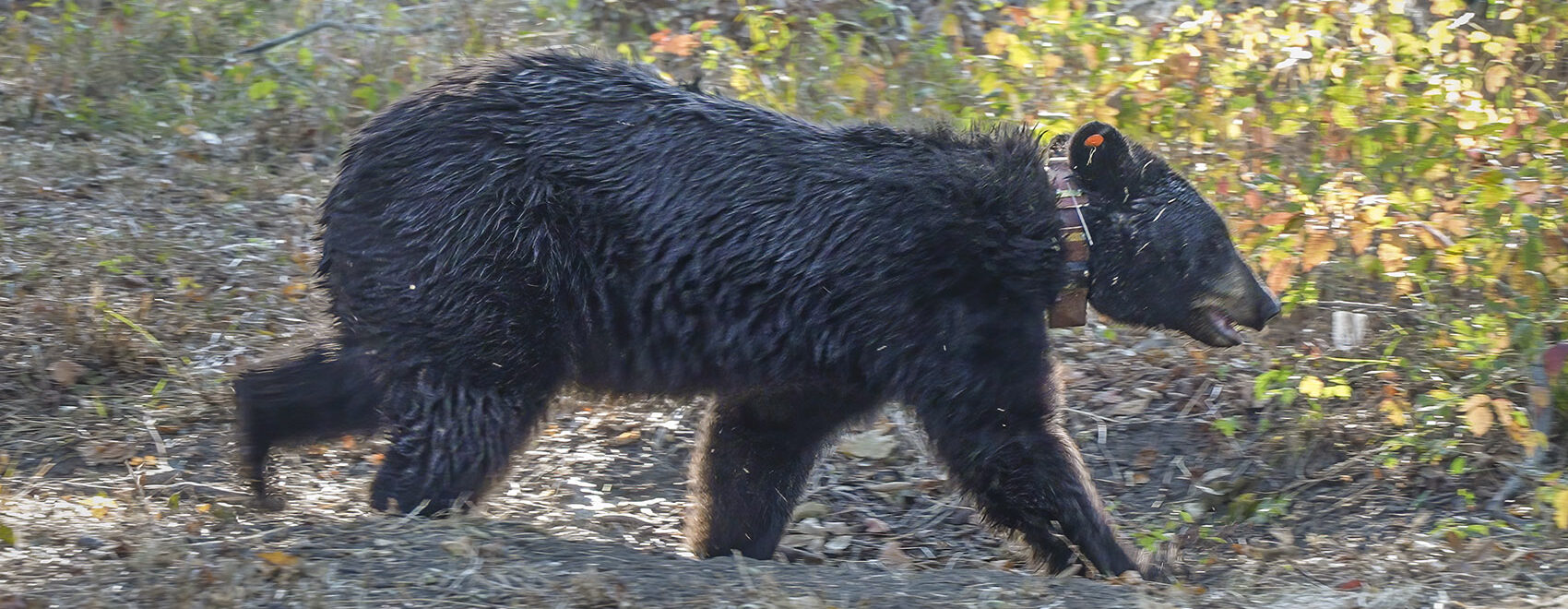
While seeing a bear in Louisiana is not as common as spotting an alligator or a deer, there are specific areas where encounters are more likely. These locations are typically characterized by extensive natural habitats that provide food and shelter.
- The Atchafalaya Basin: As the largest wetland and swamp wilderness in the United States, the Atchafalaya Basin is a prime habitat for American black bears. Guided swamp tours, kayaking, or hiking in designated areas can offer glimpses of the diverse wildlife that calls this region home. Areas around Breaux Bridge and the outer reaches of this vast ecosystem are particularly rich in biodiversity.
- State Parks and Wildlife Refuges: Many of Louisiana’s state parks and national wildlife refuges are situated within or adjacent to bear habitats. Parks like the Lake Fausse State Park (though currently closed for renovations, it’s a key area historically) or wildlife refuges such as the Tensas River National Wildlife Refuge offer opportunities to explore pristine natural environments. Always check the specific regulations and advisories for each park or refuge before visiting.
- Northern Louisiana Forests: The woodlands in parishes like Winn Parish and around Ruston provide habitats for bears moving through the region. Hiking or camping in these areas requires a heightened awareness of your surroundings.
It’s important to remember that bears are wild and elusive. Sightings are not guaranteed, and their presence is more often indicated by tracks, scat, or signs of them foraging. Patience and respect for their natural behavior are key to any wildlife observation experience.
Bear Safety Guidelines
Ensuring a safe and respectful encounter with bears in Louisiana involves understanding their behavior and taking appropriate precautions. The Louisiana Department of Wildlife and Fisheries provides comprehensive guidelines for coexistence.
- Maintain a Safe Distance: Never approach a bear, especially cubs. A bear that appears unafraid of humans may be habituated, which can be dangerous for both the bear and people. Always use binoculars or a zoom lens to observe them from afar.
- Never Feed Bears: This is the most critical rule. Feeding bears, intentionally or unintentionally, can lead to habituation, where they associate humans with food. This often results in aggressive behavior as they lose their natural fear and begin to seek out human food sources, inevitably leading to conflicts that are detrimental to the bear. Secure all food and garbage properly when camping or visiting bear habitat.
- Make Noise: When hiking in bear country, make noise to alert bears to your presence. Talking, singing, or carrying a bell can help prevent surprise encounters. Bears generally want to avoid humans, and making noise gives them a chance to move away.
- Be Aware of Your Surroundings: Pay attention to signs of bear activity, such as tracks, scat, or overturned rocks. If you see a bear, remain calm. Do not run, as this can trigger a chase response. Back away slowly, facing the bear, and speak in a calm voice.
- Proper Food Storage: If camping, use bear-resistant food containers or hang your food and scented items at least 10 feet off the ground and 4 feet away from the tree trunk. Store all food, garbage, and toiletries in a vehicle or a bear-proof container.
- Leash Your Pets: Dogs can provoke bears. Keep pets leashed and under control at all times.
By adhering to these safety guidelines, visitors can enjoy the natural beauty of Louisiana while contributing to the well-being of its black bear population and ensuring their own safety. The thrill of knowing that these magnificent animals share the landscape is a profound aspect of experiencing the wilder side of Louisiana.
Conservation Efforts and the Future of Bears in Louisiana
The remarkable recovery of the American black bear population in Louisiana is a testament to the power of dedicated conservation and management strategies. The ongoing efforts aim to ensure that these iconic animals continue to thrive and that humans and bears can coexist peacefully.
Key Conservation Initiatives
Louisiana’s wildlife agencies, in collaboration with various partners, have implemented a range of initiatives to protect and manage the state’s bear population. These efforts focus on habitat preservation, research, and public engagement.
- Habitat Protection and Connectivity: A primary focus is on securing and managing critical bear habitats. This includes protecting vast tracts of bottomland hardwoods and coastal marshes from development and degradation. Furthermore, efforts are underway to create wildlife corridors that connect fragmented forest patches, allowing bears to move freely between areas, find mates, and access necessary resources. This connectivity is vital for maintaining healthy, genetically diverse populations.
- Research and Monitoring: Understanding bear populations through scientific research is fundamental to effective conservation. This involves tracking bear movements using GPS collars, monitoring population demographics, and studying their diet and habitat use. This data informs management decisions and helps identify areas where conservation efforts are most needed. Researchers also collect genetic samples to assess population health and connectivity.
- Human-Bear Conflict Mitigation: As bear populations grow, the potential for human-bear conflicts increases. Conservation programs focus on educating the public about bear behavior and providing guidance on how to prevent conflicts. This includes promoting responsible waste management, secure food storage, and advice on how to react if a bear is encountered. The goal is to minimize negative interactions that could result in harm to either humans or bears.
- Reintroduction and Translocation (Past Efforts): While the current focus is on managing the naturally recovering population, past efforts sometimes involved translocation of bears from other states to bolster Louisiana’s numbers. However, the success of current conservation strategies has largely rendered large-scale reintroduction unnecessary, with the wild population demonstrating robust growth.

The Role of Tourism and Ecotourism
The presence of bears, even if rarely seen, adds an exciting dimension to Louisiana’s ecotourism offerings. Responsible ecotourism can provide economic incentives for conservation by demonstrating the value of maintaining healthy ecosystems and wildlife populations.
- Supporting Local Economies: Ecotourism, which emphasizes responsible travel to natural areas, can create jobs and revenue in communities near bear habitats. This can include guided tours, wildlife photography workshops, and accommodations that cater to nature enthusiasts.
- Promoting Conservation Awareness: By experiencing Louisiana’s natural beauty and learning about its wildlife, visitors become more invested in conservation efforts. Educational programs offered by parks and wildlife refuges can deepen appreciation for the state’s biodiversity, including its bears.
- Sustainable Travel Practices: Travelers interested in observing wildlife should always prioritize sustainable and ethical practices. This means respecting wildlife, minimizing environmental impact, and supporting local businesses that are committed to conservation. For instance, staying at eco-lodges or patronizing tour operators who adhere to strict wildlife viewing guidelines contributes to responsible tourism.
The future of bears in Louisiana looks promising, thanks to continued conservation efforts and a growing public appreciation for these magnificent creatures. As the black bear population continues to thrive, it offers a unique and enriching aspect to the diverse travel experiences available in the Bayou State, blending the allure of its rich culture with the quiet wonder of its natural world. Whether exploring the swamps of the Atchafalaya Basin or hiking through the northern forests, the possibility of sharing the landscape with Louisiana’s recovering bear population adds an unforgettable element to any adventure.
LifeOutOfTheBox is a participant in the Amazon Services LLC Associates Program, an affiliate advertising program designed to provide a means for sites to earn advertising fees by advertising and linking to Amazon.com. Amazon, the Amazon logo, AmazonSupply, and the AmazonSupply logo are trademarks of Amazon.com, Inc. or its affiliates. As an Amazon Associate we earn affiliate commissions from qualifying purchases.