
Planning a trip to the theme park capital of the world involves myriad details, from booking flights and accommodation to securing park tickets and dining reservations. Among these crucial considerations, understanding the local time zone often gets overlooked, yet it’s a fundamental piece of information that can significantly impact your travel experience. For anyone heading to Orlando, Florida, whether for a magical escape to Walt Disney World Resort, a thrilling adventure at Universal Orlando Resort, or an aquatic exploration at SeaWorld Orlando, knowing the correct time is paramount.
The simple answer is that Orlando, Florida operates on Eastern Standard Time (EST) during the fall and winter months, and Eastern Daylight Time (EDT) during spring and summer due to Daylight Saving Time. This seemingly straightforward fact holds profound implications for travelers, influencing everything from flight connections and theme park hours to managing jet lag and coordinating with loved ones back home. This comprehensive guide will delve into Orlando’s time zone intricacies, explain why it’s so vital for your vacation, and offer practical tips to ensure your visit is as smooth and enjoyable as possible.
Orlando’s Time Zone Explained: EST and EDT
To truly understand the time in Orlando, one must grasp the dynamics of Eastern Standard Time and its seasonal shift to Eastern Daylight Time. Florida, including Orlando, primarily falls within the Eastern Time Zone of the United States.
Understanding Eastern Standard Time (EST)
Eastern Standard Time (EST) is the standard time observed by states on the East Coast of the United States, parts of Canada, and several Caribbean and Central American countries. During this period, Orlando is 5 hours behind Coordinated Universal Time (UTC), often written as UTC-5. This typically runs from the first Sunday in November until the second Sunday in March. For instance, when it’s noon UTC, it would be 7:00 AM in Orlando during EST.
Navigating Daylight Saving Time and Eastern Daylight Time (EDT)
The concept of Daylight Saving Time is crucial for understanding Orlando’s time for most of the year. On the second Sunday in March, residents “spring forward” by moving their clocks one hour ahead. This shifts Orlando to Eastern Daylight Time (EDT), placing it at UTC-4. This means that during the warmer months, Orlando is 4 hours behind UTC. The “fall back” occurs on the first Sunday in November, when clocks are moved back one hour, returning to EST. This annual adjustment is designed to make better use of daylight, providing an extra hour of evening light during the spring and summer. For travelers, especially those arriving internationally or from different time zones within the United States, being aware of this change is vital to avoid missed connections or misinterpretations of schedules.
Why Time Zones Matter for Your Orlando Vacation
Understanding Orlando’s time zone is not merely an academic exercise; it’s a practical necessity that underpins the success of your entire trip. From the moment you land to your last souvenir purchase, time plays a pivotal role.
Flight Schedules and Transportation
The most immediate impact of time zones will be on your travel itinerary. If you’re flying from a different time zone, particularly an international one, understanding the time difference is critical for interpreting your arrival and departure times accurately. A flight listed as arriving at “3:00 PM” might be referring to your origin time, your destination time, or UTC. Always double-check that your tickets clearly state the local time for each leg of your journey. Missing a connecting flight because you miscalculated the time difference can turn a dream vacation into a logistical nightmare. Similarly, coordinating airport transfers, shuttle services, or ride-shares requires precise timing, as drivers operate on local Orlando time.
Theme Park Hours and Attraction Timings
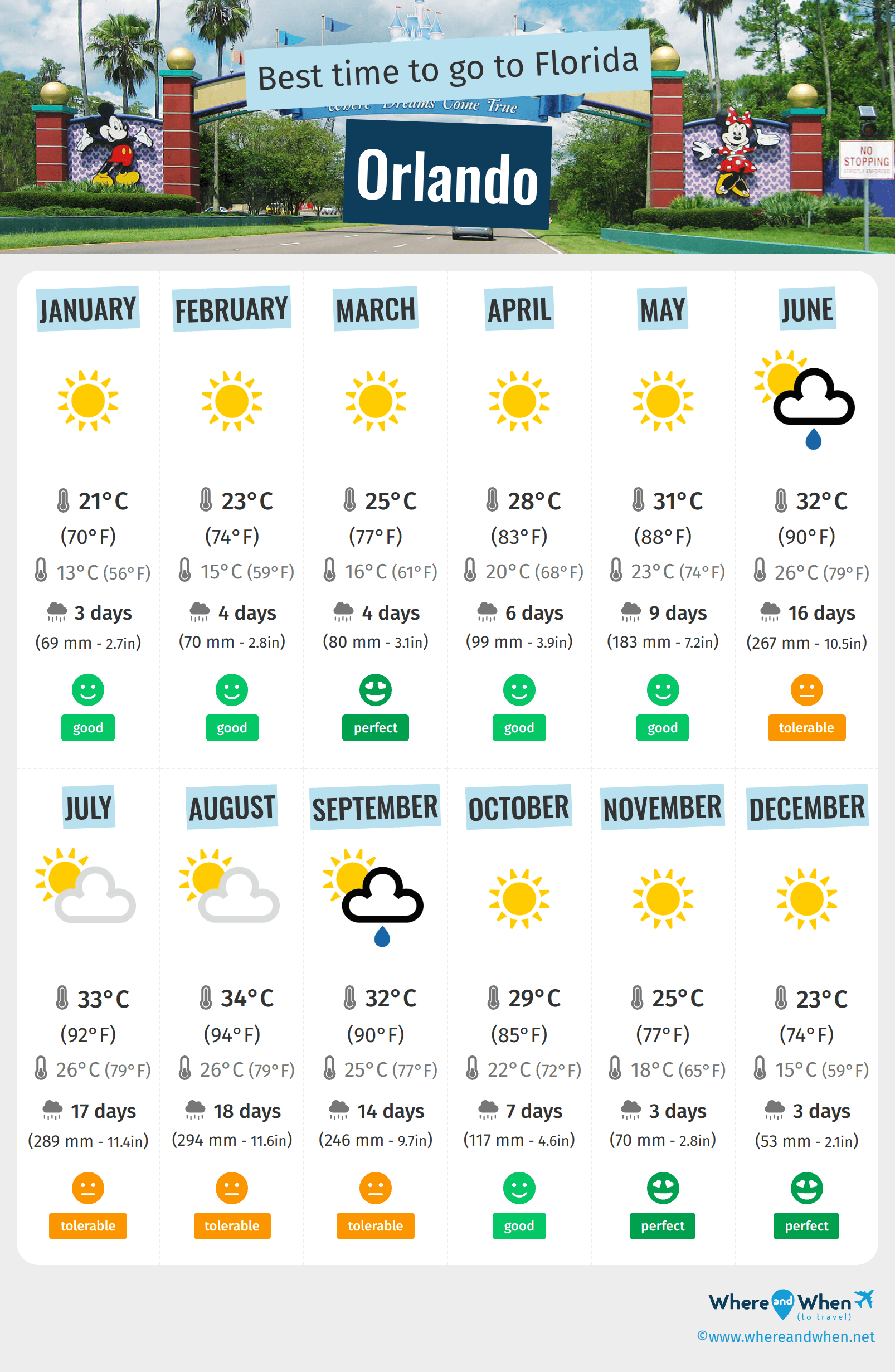
Orlando’s world-renowned theme parks, including Magic Kingdom, Epcot, Hollywood Studios, Animal Kingdom, Universal Studios Florida, Islands of Adventure, and SeaWorld Orlando, operate on strict schedules. Gates open at specific times, parades and shows have designated slots, and popular attractions often have early entry or late-night events. All these times are published in local Orlando time. Arriving an hour late for rope drop at Magic Kingdom can mean the difference between experiencing your favorite rides with minimal wait and spending precious hours in long lines. Likewise, missing the start of a spectacular fireworks display or a character meet-and-greet due to a time zone miscalculation can be genuinely disappointing. Many parks also offer “Extra Magic Hours” or “Early Park Admission” for resort guests, which also strictly adhere to Orlando’s time zone.
Dining Reservations and Entertainment
Dining in Orlando, especially at popular resort restaurants or character dining experiences, often requires reservations booked months in advance. These reservations are held to the minute, and arriving significantly late can result in forfeiture of your table. Imagine the disappointment of missing your highly anticipated dinner at Chef Mickey’s or Le Cellier Steakhouse because you forgot to account for the time difference. Similarly, tickets for dinner shows, concerts, or evening entertainment outside the parks in areas like Disney Springs or Universal CityWalk are time-sensitive. Punctuality, dictated by local time, is key to enjoying these experiences without stress.
Communication with Loved Ones and Business

For many travelers, staying connected with family, friends, or colleagues in different time zones is important. Whether it’s a daily check-in call with your children or a critical business meeting for a work-cation, knowing the precise time difference is essential for scheduling. Miscalculating can lead to inconveniently timed calls, interrupted sleep, or missed virtual engagements. Business travelers, in particular, need to be acutely aware of time zones to manage remote work schedules and client interactions effectively while enjoying their stay in Orlando.
Practical Tips for Managing Time Differences in Orlando
Navigating time changes doesn’t have to be stressful. With a few proactive steps, you can ensure a seamless transition and make the most of every moment in Orlando.
Before You Travel
- Verify All Schedules: Before departure, meticulously review all flight, hotel, attraction, and dining confirmation emails. Pay close attention to the time zone specified for each event. If it’s not explicitly stated, assume it’s local time but don’t hesitate to confirm with the provider.
- Adjust Devices Early: Most modern smartphones and digital watches automatically update to the local time zone upon arrival. However, manually adjusting your device to Orlando’s time zone a day or two before your trip can help you mentally prepare and begin to adjust your internal clock.
- Communicate Your Schedule: Inform family, friends, and colleagues of your expected time zone change. Provide them with your arrival time in Orlando local time so they know when to expect contact and avoid calling at inconvenient hours.
During Your Stay
- Embrace the New Time Immediately: Upon arrival, mentally commit to the local Orlando time. Try to eat meals and go to sleep according to the new schedule, even if you don’t feel hungry or tired. Exposure to natural light during the day can also help regulate your circadian rhythm.
- Utilize Smartphone Features: Make full use of your smartphone’s world clock feature. You can add multiple cities to quickly see the time in your home city and Orlando simultaneously. Ensure your device’s automatic time zone update is enabled.
- Prioritize Rest: Jet lag can significantly impact your energy levels and enjoyment. If you’ve traveled across multiple time zones, schedule some downtime on your arrival day. A short nap (but not too long) or an early night can do wonders for acclimatization.
Be Prepared for Daylight Saving Time Changes
If your travel dates coincide with the start or end of Daylight Saving Time (the second Sunday in March or the first Sunday in November), be extra vigilant.
- Double-Check All Schedules: Park hours, dining reservations, and showtimes might subtly shift or be affected by the time change. Confirm everything for the days immediately following the time switch.
- Manual Adjustments: While most digital devices adjust automatically, traditional watches, rental car clocks, and hotel room alarm clocks may need manual adjustment. Make a habit of checking all time-telling devices in your vicinity.
Beyond the Clock: Maximizing Your Time in Orlando
While understanding the exact time is crucial, it’s equally important to consider how you spend that time to optimize your Orlando experience.
Strategic Planning for Theme Park Visits
Time is a precious commodity at Orlando’s theme parks.
- Early Bird Gets the Worm: Arriving at the parks before opening (known as “rope drop”) is often the best strategy to experience popular attractions with shorter wait times.
- Mid-day Breaks: Consider taking a break from the parks during the busiest afternoon hours (typically 1 PM – 4 PM) for lunch, a swim at your hotel pool, or a nap, returning refreshed for evening shows and lower crowd levels.
- Utilize Park Apps: Download the official apps for Walt Disney World Resort, Universal Orlando Resort, and SeaWorld Orlando. These apps provide real-time wait times, show schedules, dining reservations, and interactive maps, allowing you to make spontaneous, time-efficient decisions.
Exploring Orlando Beyond the Parks
Don’t let the magic of the theme parks blind you to Orlando’s other charms. Allocate time to explore areas like Downtown Orlando, where you can stroll around Lake Eola Park and enjoy local eateries, or take a scenic boat tour in charming Winter Park. These experiences offer a different pace and perspective on the city.

The Importance of Flexibility
Even with meticulous planning, travel can throw curveballs. A sudden rain shower, an unexpected attraction closure, or simply wanting to linger longer at a particular spot can disrupt your schedule. Embrace flexibility. While knowing the time is vital, adhering to a rigid minute-by-minute itinerary can detract from the joy of discovery. Build in some buffer time, allow for spontaneous detours, and remember that a relaxed approach often leads to the most memorable experiences.
In conclusion, knowing what time it is in Orlando, Florida is more than just a trivial fact; it’s a cornerstone of effective travel planning. By understanding the distinction between Eastern Standard Time and Eastern Daylight Time, preparing for jet lag, and strategically managing your schedule, you can ensure that your visit to Orlando is magical, stress-free, and precisely on time.
LifeOutOfTheBox is a participant in the Amazon Services LLC Associates Program, an affiliate advertising program designed to provide a means for sites to earn advertising fees by advertising and linking to Amazon.com. Amazon, the Amazon logo, AmazonSupply, and the AmazonSupply logo are trademarks of Amazon.com, Inc. or its affiliates. As an Amazon Associate we earn affiliate commissions from qualifying purchases.