
For families residing in, or contemplating a move to, the golden state of California, navigating the complexities of newborn vaccination can be a significant aspect of their lifestyle choices and long-term planning. The question of whether one can refuse vaccines for a newborn in California is not merely a medical query but one deeply intertwined with legal frameworks, public health considerations, and the very fabric of family life and the decisions parents make for their children’s upbringing. Understanding the state’s stringent vaccination laws, the available exemptions, and the practical implications for family activities, childcare, and schooling is crucial for any parent seeking to make informed decisions that align with their personal beliefs while adhering to the legal landscape of California.
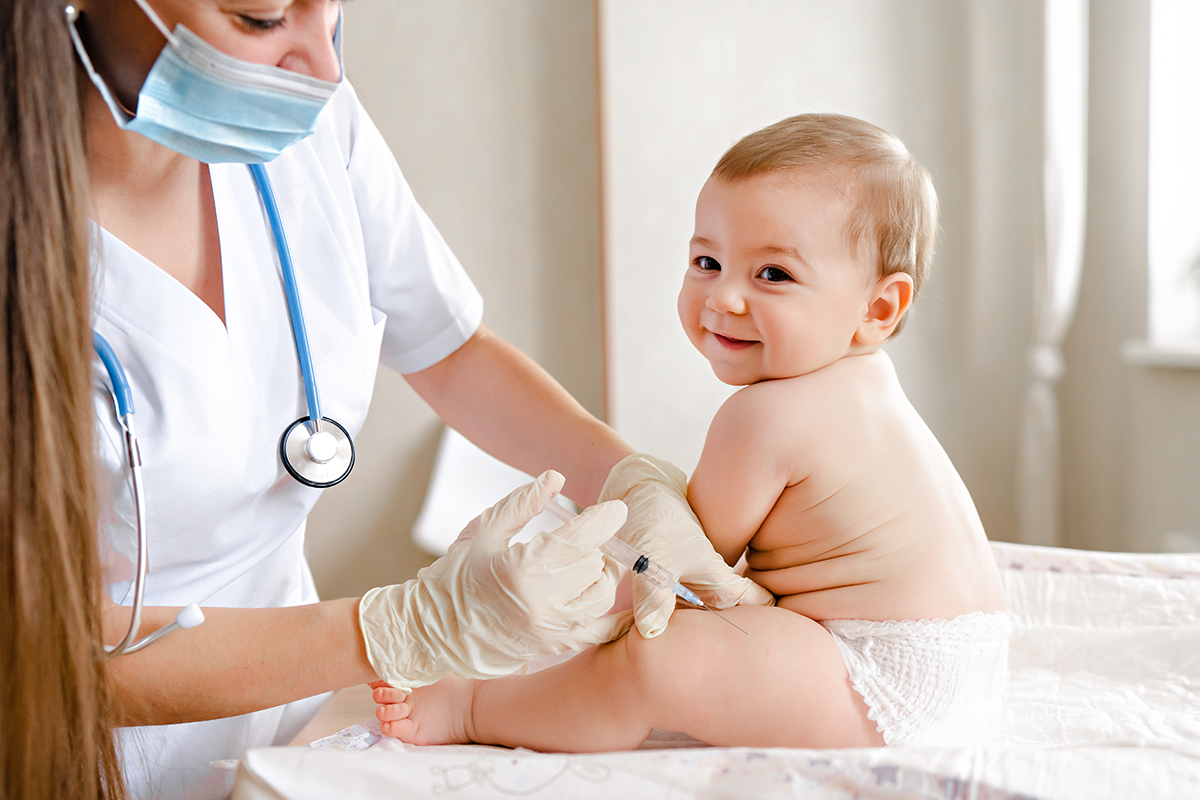
The intent of this article is to provide a comprehensive, professional, and insightful overview of the vaccination mandates in California as they pertain to newborns and young children, examining how these regulations shape a family’s daily life and their ability to participate in various aspects of community and educational settings. We delve into the specifics of the law, explore the limited exemptions, and discuss the broader lifestyle impacts, empowering families to make choices that are both informed and compliant.
Understanding California’s Vaccination Landscape for Families
California has some of the most rigorous vaccination laws in the United States, particularly concerning school entry. These laws are designed to protect public health by achieving high rates of community immunity, thereby reducing the spread of vaccine-preventable diseases. For new parents, understanding these foundational principles is the first step in addressing the question of vaccine refusal.
The Foundation: Mandatory School Vaccinations
The cornerstone of California’s vaccination policy is Senate Bill 277 (SB 277), enacted in 2015, which eliminated personal belief and religious exemptions for most school-required vaccinations. This legislation fundamentally changed the landscape for families with school-aged children, making it mandatory for nearly all students to be fully vaccinated to attend public or private schools, including childcare centers and family day care homes. While SB 277 primarily focuses on school entry, its implications extend to younger children and newborns, as the vaccination schedule begins at birth and continues through early childhood. Parents often consider the long-term educational path for their children, and awareness of SB 277’s requirements helps in planning for the future, even when their child is an infant.
Early Childhood Immunizations and Medical Exemptions
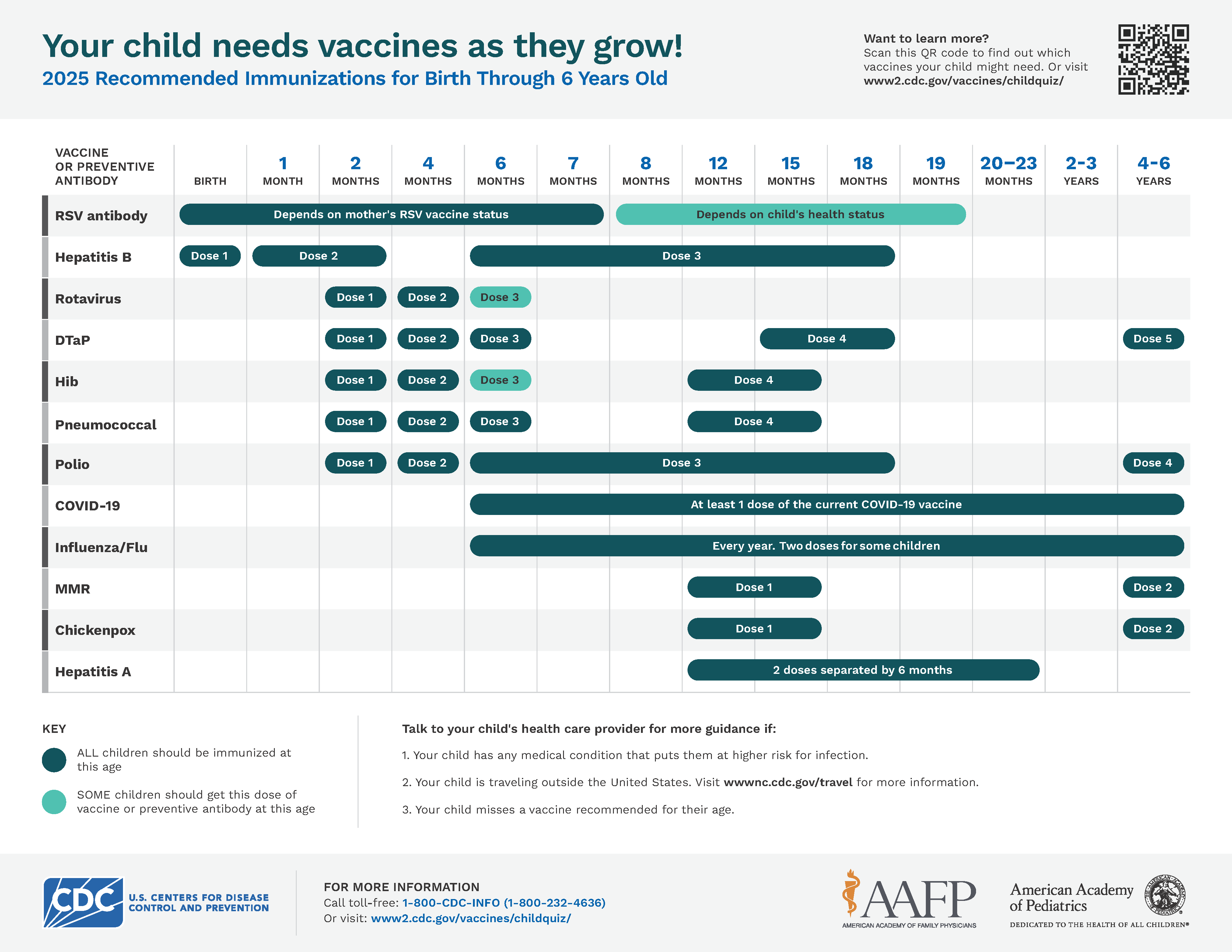
For newborns and infants, the vaccination schedule recommended by the Centers for Disease Control and Prevention (CDC) is widely adopted and followed by healthcare providers in California. These early immunizations protect against serious diseases such as hepatitis B, rotavirus, diphtheria, tetanus, pertussis (DTaP), Haemophilus influenzae type b (Hib), pneumococcal disease (PCV), and polio.
When it comes to refusing these vaccines for a newborn, the options in California are extremely limited. Following the passage of SB 277 and subsequent amendments (like SB 769 and AB 276), the only statutory exemption available for state-mandated vaccinations is a medical exemption. This means that if a licensed physician determines that a child has a medical condition, such as an allergy to a vaccine component or a compromised immune system, that makes vaccination unsafe, they can issue a medical exemption.
Crucially, these medical exemptions must meet strict criteria. They must be issued by a licensed California physician, must be submitted through a standardized electronic system to the California Immunization Registry-Medical Exemption (CAIR-ME), and are subject to review by the California Department of Public Health (CDPH) to prevent fraudulent or inappropriate exemptions. This rigorous process underscores the state’s commitment to public health and limits discretionary refusal based on personal or philosophical grounds. For parents, this means that absent a legitimate medical contraindication certified by a physician, refusing required vaccinations for a newborn will have significant implications for their child’s ability to enroll in childcare and, eventually, school in California.
Navigating Personal Beliefs within Public Health Mandates
The tension between individual parental autonomy and public health mandates is a perennial debate, and in California, the scales have definitively tipped towards public health. This shift impacts family lifestyle choices, particularly for those whose personal beliefs diverge from the state’s vaccine requirements.
The Evolution of Vaccine Laws in California
Historically, California allowed for personal belief exemptions (PBEs) from school vaccination requirements. However, a measles outbreak centered in Disneyland in 2014-2015, coupled with increasing numbers of unvaccinated children, spurred the legislature to act. SB 277 was enacted to remove these non-medical exemptions, reflecting a societal prioritization of herd immunity and the protection of vulnerable populations. Subsequent legislation further tightened the medical exemption process to address concerns about misuse.
For parents today, this means that the window for refusing vaccines based on personal or religious beliefs has effectively closed for children attending schools or childcare facilities licensed by the state. While parents retain the right to make decisions for their newborns at home, these decisions invariably lead to practical challenges down the line. The law does not mandate vaccination for children who are homeschooled or participate in independent study programs and do not attend classroom-based instruction. However, this choice itself represents a significant lifestyle decision for families.
Considerations for Families with Newborns

When a newborn receives their initial vaccinations, there is no immediate legal mandate compelling them to do so if they are not entering a childcare facility. However, the recommended schedule is critical for establishing early immunity. For parents considering refusing vaccinations for their newborn, it’s vital to understand the direct and indirect consequences. Directly, if the child eventually enrolls in a licensed childcare center, preschool, or school in California, they will be required to be fully vaccinated, unless they qualify for a strict medical exemption.
Indirectly, the decision impacts the child’s exposure risk to preventable diseases and, potentially, the health of others in their community, especially infants too young to be vaccinated or individuals with compromised immune systems. This aspect weighs heavily on the lifestyle choices of families, affecting their participation in community groups, playdates, and even travel, as some destinations may have specific health requirements or recommendations.
The Broader Impact on Family Lifestyle Choices
The decision regarding newborn vaccinations in California resonates far beyond the doctor’s office, profoundly influencing a family’s daily routines, educational pathways, and overall engagement with their community. It becomes an integral part of their chosen lifestyle within the state.
Choosing Childcare and Educational Pathways
For many families, access to childcare is a necessity for parents to work, pursue education, or manage household responsibilities. In California, licensed childcare centers, preschools, and family day care homes are legally bound by the same vaccination requirements as K-12 schools. This means that a newborn who is not vaccinated according to the state schedule, and does not possess a valid medical exemption, will generally be unable to enroll in these facilities.
This legal constraint forces families to consider alternative childcare solutions, which might include relying on family members, hiring a private nanny, or having one parent remain home. Each of these options carries significant lifestyle and financial implications. Similarly, when the child reaches school age, parents who have opted out of vaccinations without a medical exemption face limited educational choices, primarily homeschooling or private independent study programs that do not involve classroom attendance. These educational pathways, while valid, represent a distinct lifestyle from traditional schooling and require substantial parental involvement and resources.
Travel and Public Health in California
While the direct question “Can I refuse vaccines for my newborn in California?” primarily pertains to state law, the broader implications touch upon travel and public health in a more general sense. For families planning “Family Trips” within or outside California, vaccination status can be a consideration. While domestic travel rarely imposes vaccine mandates, international travel often does, and general health recommendations for infants traveling in certain regions always include up-to-date immunizations.
Furthermore, within California, participation in certain public activities, group gatherings, or even visits to healthcare settings might involve recommendations or requirements related to vaccination, especially during outbreaks of preventable diseases. The public health ethos in California prioritizes collective well-being, which means that choices regarding individual vaccination status are viewed through the lens of community protection. Understanding this context helps families appreciate the public health environment they operate within, influencing their approach to various activities and public spaces.
Resources and Support for Informed Decisions
Making decisions about a newborn’s health is one of the most significant responsibilities of parenthood. Given California’s robust vaccination laws, accessing reliable information and professional guidance is paramount for families.
Consulting Healthcare Professionals and Legal Experts
The primary source of information and guidance for newborn vaccination should always be a trusted healthcare professional. Pediatricians and family doctors can provide evidence-based information on vaccine safety, efficacy, and the recommended schedule. They can also assess a child’s individual health history to determine if a medical exemption is warranted. Open and honest communication with your doctor about any concerns is encouraged to ensure all questions are thoroughly addressed.
For families with specific legal questions regarding vaccination laws in California and their impact on personal circumstances, consulting with a legal expert specializing in public health law or family law can offer clarity. While personal belief exemptions are no longer available for school entry, understanding the precise parameters of medical exemptions and the implications for educational and childcare choices requires a nuanced understanding of the law.
Community and Parental Networks
While California’s laws are strict, a wealth of resources exists for parents seeking support and information. The California Department of Public Health (CDPH) website provides detailed information on vaccination requirements, schedules, and the medical exemption process. Additionally, various parent support groups and community organizations offer forums for discussion and information sharing, allowing families to connect with others navigating similar decisions.
Ultimately, the question of refusing vaccines for a newborn in California is complex and carries profound implications for a family’s lifestyle. While the state’s stringent laws prioritize public health through mandatory vaccinations for school and childcare entry, parents are encouraged to seek comprehensive information from medical and legal professionals to make choices that align with their family’s values while understanding and adhering to the legal framework of their California lifestyle.
LifeOutOfTheBox is a participant in the Amazon Services LLC Associates Program, an affiliate advertising program designed to provide a means for sites to earn advertising fees by advertising and linking to Amazon.com. Amazon, the Amazon logo, AmazonSupply, and the AmazonSupply logo are trademarks of Amazon.com, Inc. or its affiliates. As an Amazon Associate we earn affiliate commissions from qualifying purchases.