
Traveling across the United States offers an incredible array of experiences, from the sun-drenched beaches of the West Coast to the bustling metropolises of the East Coast. However, one of the most fundamental aspects of planning any journey between these two geographically distinct regions is understanding the significant time difference between California and New York. This isn’t just a trivial detail; it’s a critical piece of information that impacts everything from flight schedules and business meetings to simply knowing when to call loved ones. For both leisure travelers embarking on an adventure and business professionals navigating cross-country demands, a clear grasp of this temporal disparity is essential for seamless planning and execution.

The three-hour time difference between these two pivotal states serves as a constant reminder of the sheer expanse of the American continent. It shapes daily routines, influences travel itineraries, and often dictates how quickly one adapts to a new environment. This article delves into the specifics of this time difference, exploring its origins, its practical implications for travelers, and offering strategies to navigate it effectively, ensuring your journey between the Golden State and the Empire State is as smooth and productive as possible.
Understanding Time Zones Across the United States
The concept of time zones, while seemingly straightforward, is a critical element in global coordination, especially for a vast country like the United States. Understanding how these zones are structured is the first step in comprehending the difference between California and New York.
The Basics of Time Zones
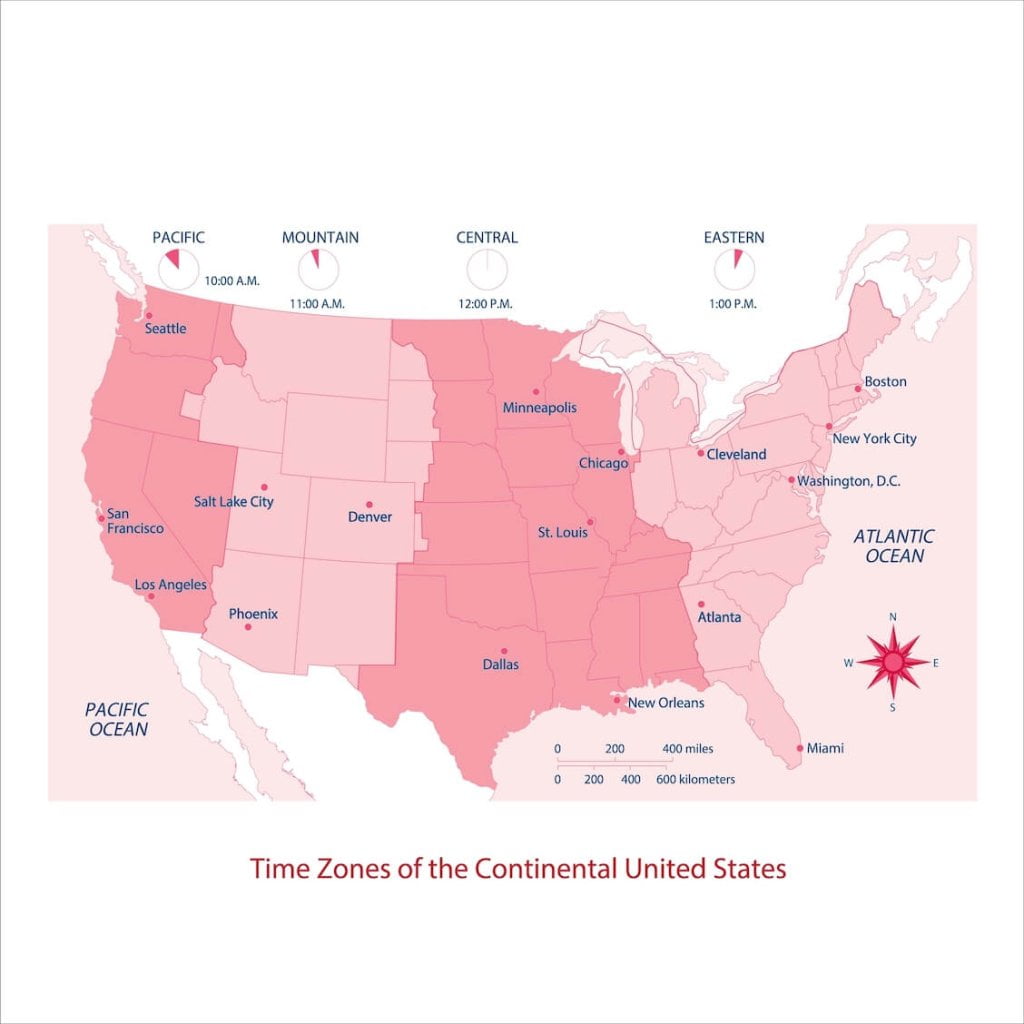
Time zones were established to standardize timekeeping across different longitudes, primarily to facilitate railway travel in the 19th century and later, global commerce and communication. The Earth is divided into 24 principal time zones, each roughly 15 degrees of longitude wide, with their time relative to Coordinated Universal Time (UTC). As you travel eastward, time advances, and as you travel westward, time recedes. The contiguous United States alone spans four primary time zones: Pacific, Mountain, Central, and Eastern, with additional zones for Alaska and Hawaii. This system ensures that noon roughly corresponds to the sun being at its highest point in the sky across various regions, preventing the chaotic scenario of every locality having its own unique time.
California’s Time Zone: Pacific Standard Time (PST)/Pacific Daylight Time (PDT)
California, a sprawling state on the West Coast renowned for its innovation hubs like Silicon Valley, entertainment industry in Los Angeles, and iconic landmarks in San Francisco, operates primarily within the Pacific Time Zone. During standard time, from roughly early November to mid-March, this is known as Pacific Standard Time (PST), which is UTC-8. When Daylight Saving Time (DST) is observed, typically from mid-March to early November, California shifts to Pacific Daylight Time (PDT), which is UTC-7. This means clocks are moved forward by one hour to make better use of daylight during the warmer months. This adjustment is crucial for travelers, as it affects not just the local time but also the absolute time difference relative to other zones.
New York’s Time Zone: Eastern Standard Time (EST)/Eastern Daylight Time (EDT)
On the opposite side of the continent, New York, home to the financial capital of New York City, historical sites, and vibrant cultural scenes, falls within the Eastern Time Zone. During standard time, it observes Eastern Standard Time (EST), which is UTC-5. Similar to California, New York also observes Daylight Saving Time, transitioning to Eastern Daylight Time (EDT), which is UTC-4. This one-hour forward shift ensures longer evenings with daylight, impacting everything from restaurant closing times to public transportation schedules for visitors. The observation of Daylight Saving Time in both states is usually synchronized, meaning the three-hour difference remains consistent throughout the year, but it’s always wise to double-check the exact dates of the shift if your travel falls around those periods.
The Core Time Difference and Its Practical Implications for Travelers
The geographical span of the United States dictates that traveling from its West Coast to its East Coast will inevitably involve a significant time shift. For those journeying between California and New York, this shift is precisely three hours, a factor that profoundly influences travel planning and experience.
The Three-Hour Gap Explained
The fundamental time difference between California (Pacific Time) and New York (Eastern Time) is a consistent three hours. When it’s 9:00 AM in Los Angeles, it’s already 12:00 PM (noon) in New York City. Conversely, when the workday is wrapping up at 5:00 PM in Manhattan, those in San Francisco are still mid-afternoon, at 2:00 PM. This fixed gap, regardless of whether it’s Pacific Standard Time (PST) and Eastern Standard Time (EST), or Pacific Daylight Time (PDT) and Eastern Daylight Time, is the cornerstone of all cross-country scheduling. Understanding this differential is not merely about adjusting your watch; it’s about resetting your internal clock and adapting your schedule to the local rhythm of your destination.
Daylight Saving Time Considerations
While the three-hour difference generally holds, the precise dates for the start and end of Daylight Saving Time can introduce minor complexities, especially for those who travel frequently during these transitional weeks. Both California and New York adhere to the federal guidelines for Daylight Saving Time, meaning they typically spring forward on the second Sunday in March and fall back on the first Sunday in November. This synchronization ensures that the time difference remains constant. However, if there were ever a scenario where one state decided not to observe Daylight Saving Time while the other did (a topic often debated at state levels), the time difference could temporarily fluctuate to two or four hours. As it stands, travelers can rely on the consistent three-hour gap, but a quick check of local time changes around March and November is always a prudent step.
Impact on Flight Schedules and Connectivity
For air travelers, the time difference is perhaps most acutely felt. A flight departing Los Angeles International Airport (LAX) at 9:00 AM PST might land at John F. Kennedy International Airport (JFK) in New York around 5:00 PM EST, despite the actual flight duration being only about five to six hours. This discrepancy between elapsed time and perceived time at arrival can be disorienting. Travelers flying eastbound essentially “lose” three hours from their day, arriving much later according to their body clock than the local time suggests. Westbound flights, conversely, “gain” three hours, potentially arriving earlier in local time than the flight’s departure time, which can feel like an unexpected bonus. This impact extends beyond arrival times; connecting flights, ground transportation, and pre-booked activities must all be scheduled with the local time of each stop in mind, demanding careful attention to detail to avoid missed connections or appointments.
Navigating the Time Gap: Strategies for Business and Leisure Travelers
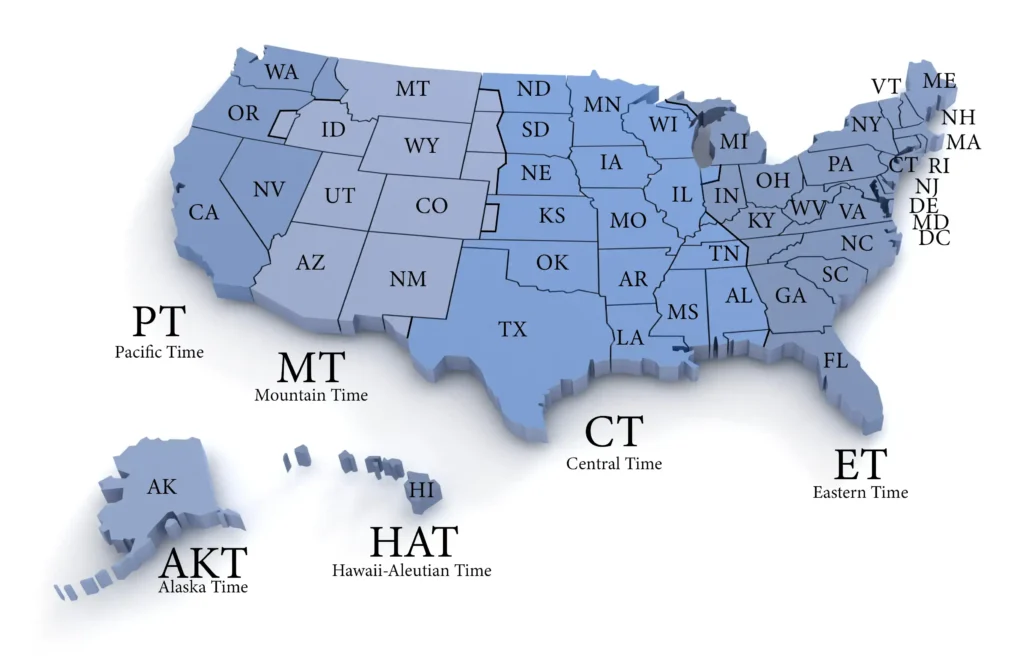
The three-hour time difference between California and New York presents unique challenges and opportunities for both business and leisure travelers. Effective strategies can transform a potential inconvenience into a seamlessly managed travel experience.
Planning Cross-Country Flights and Arrivals
When booking flights from the West Coast to the East Coast, consider flights that land in New York later in the afternoon or early evening. This allows you to arrive when your body might still feel it’s mid-afternoon, making it easier to power through until a reasonable local bedtime and kickstart adaptation. For instance, a flight departing San Francisco at 1 PM PST will land in New York City around 9-10 PM EST. This allows you to adjust to the new time zone quickly. Conversely, when traveling from New York to California, morning flights that arrive by early afternoon PST are often ideal, giving you ample daylight to enjoy your destination without feeling rushed. Always confirm arrival times in the local time zone of your destination to avoid scheduling mishaps for pickups or early engagements.
Coordinating Meetings and Communications
For business travelers, the time difference dictates communication strategies. Scheduling conference calls or virtual meetings between California and New York requires careful consideration to find a window that is convenient for all parties. For example, an 8:00 AM EST meeting in New York would require participants in California to join at 5:00 AM PST, which is often impractical. A more pragmatic approach would be to schedule meetings during mid-morning California time, which would be early afternoon in New York (e.g., 9:00 AM PST / 12:00 PM EST). Utilizing scheduling tools that automatically adjust for time zones can prevent miscommunications and ensure everyone is on the same page. Establishing clear expectations regarding response times across time zones is also key to maintaining productive collaboration.
Mitigating Jet Lag for East-West Travel
Jet lag is a common byproduct of rapid travel across multiple time zones, and the three-hour shift between California and New York is enough to cause symptoms. When traveling eastbound (e.g., California to New York), travelers often experience fatigue and difficulty sleeping at local bedtime. To combat this, try to adjust your sleep schedule a few days before departure, shifting it earlier. Upon arrival, expose yourself to natural light during the day, stay hydrated, and try to adhere to the local meal and sleep times as quickly as possible. Avoid heavy meals and excessive caffeine or alcohol, particularly close to bedtime. Conversely, when flying westbound (New York to California), you might feel ready for bed while it’s still early afternoon locally. Resist the urge to sleep immediately; instead, stay awake, expose yourself to evening light, and try to maintain a normal schedule. Light exercise can also help in adjusting your body clock.
Beyond the Clock: Maximizing Your Travel Experience
While understanding and managing the time difference is paramount for logistics, its deeper implications for the traveler extend to how one experiences and enjoys their destination. Embracing the rhythm of California or New York requires more than just setting your watch; it involves adapting to local customs and optimizing your itinerary.
Adapting to Local Rhythms in California
When arriving in California from New York, the “extra” three hours in your day can feel like a gift. Leverage this by planning activities for later in the evening than you might typically on the East Coast. Dinner reservations in Los Angeles or San Francisco often skew later, and the vibrant nightlife extends well into the early hours. For leisure travelers, this means more time to explore attractions, enjoy sunsets over the Pacific Ocean, or partake in outdoor activities. For business travelers, it might mean having a longer, more relaxed evening after a day of meetings, or more time to catch up on emails before an early morning start that still feels like mid-morning to your body clock. Embrace the more relaxed pace often associated with California life to ease your transition.
Embracing the Pace of New York
Conversely, arriving in New York from California means jumping ahead three hours. The dynamic energy of New York City starts early, with bustling commutes and early morning meetings. To fully immerse yourself in the East Coast experience, try to align with its brisk pace as quickly as possible. This might mean waking up “earlier” than your body desires initially, but pushing through to take advantage of attractions opening at 9:00 AM or catching an early breakfast meeting. Planning high-energy activities for the morning and early afternoon, when your body might still be accustomed to California’s mid-day, can be effective. Consider evening entertainment that finishes earlier if you’re struggling to adapt to the advanced time, ensuring you get adequate rest for the next day’s adventures.
Tools and Apps for Seamless Time Zone Management
In today’s digital age, numerous tools can simplify time zone management. Most smartphones automatically adjust to local time upon arrival, but dedicated world clock apps allow you to simultaneously view times in multiple cities. This is invaluable for coordinating calls, scheduling virtual meetings, or simply keeping track of what time it is for colleagues or family back home. Flight tracking apps often display flight times in both local departure and arrival zones, removing guesswork. Furthermore, many productivity and scheduling platforms have built-in time zone converters, ensuring that calendar invites are accurate regardless of the recipient’s location. Leveraging these technological aids can significantly reduce the mental load of managing time differences, allowing you to focus more on your travel objectives and less on complicated calculations.
The Broader Context: Why Time Zones Matter for US Travel
The time difference between California and New York isn’t just a minor detail; it’s a foundational aspect of travel within the United States. It underscores the vastness of the country and influences various facets of its infrastructure and cultural interactions.
East Coast to West Coast: A Popular Travel Corridor
The corridor between the East Coast and West Coast of the United States represents one of the most frequently traveled routes globally, both for business and leisure. Millions of people annually traverse this distance, connecting major economic centers, tech hubs, and tourist destinations. From high-powered corporate deals being struck between Wall Street and Silicon Valley, to families vacationing from the beaches of California to the historical sites of New York, the flow of people and commerce is constant. Understanding the time difference is not just about personal convenience but about the fundamental operational efficiency of this vital travel artery. It impacts everything from airline scheduling and freight logistics to broadcasting schedules and national political discourse.
Future of Time Zone Practices and Travel
While the current time zone system has served the United States well for over a century, discussions periodically arise about potential changes, particularly regarding Daylight Saving Time. States like California have explored making Daylight Saving Time permanent, which could, if implemented unilaterally without federal coordination, disrupt the established time differences. However, for the foreseeable future, the three-hour gap between California and New York is expected to remain consistent. This stability allows travelers to plan with confidence, armed with the knowledge that a little foresight into time zone differences can significantly enhance their cross-country travel experiences. As travel continues to evolve, the ability to seamlessly navigate these temporal shifts will remain a key skill for any efficient modern traveler.
LifeOutOfTheBox is a participant in the Amazon Services LLC Associates Program, an affiliate advertising program designed to provide a means for sites to earn advertising fees by advertising and linking to Amazon.com. Amazon, the Amazon logo, AmazonSupply, and the AmazonSupply logo are trademarks of Amazon.com, Inc. or its affiliates. As an Amazon Associate we earn affiliate commissions from qualifying purchases.