
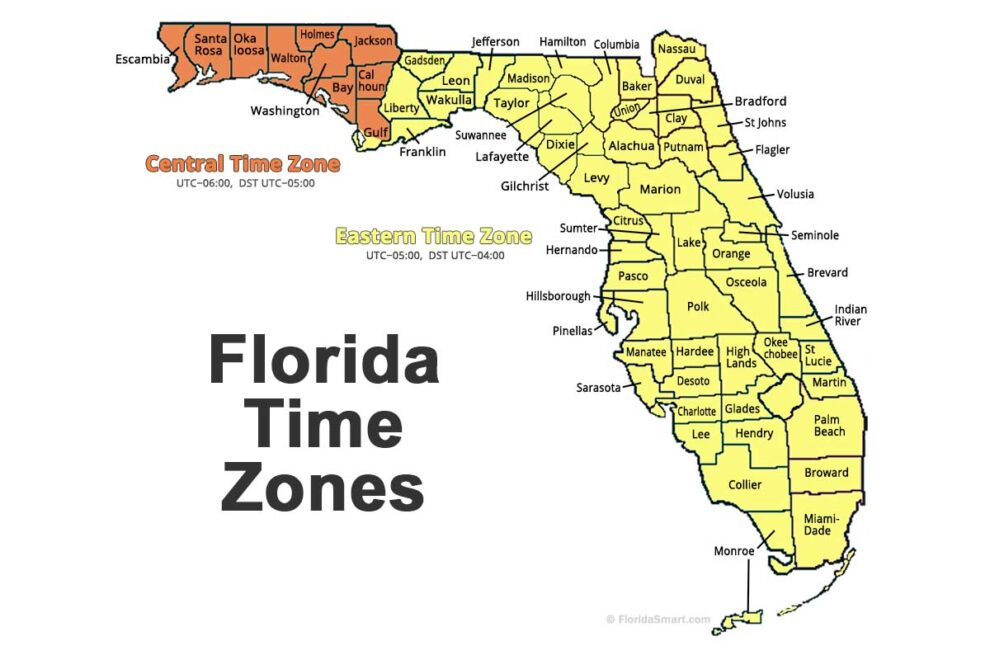
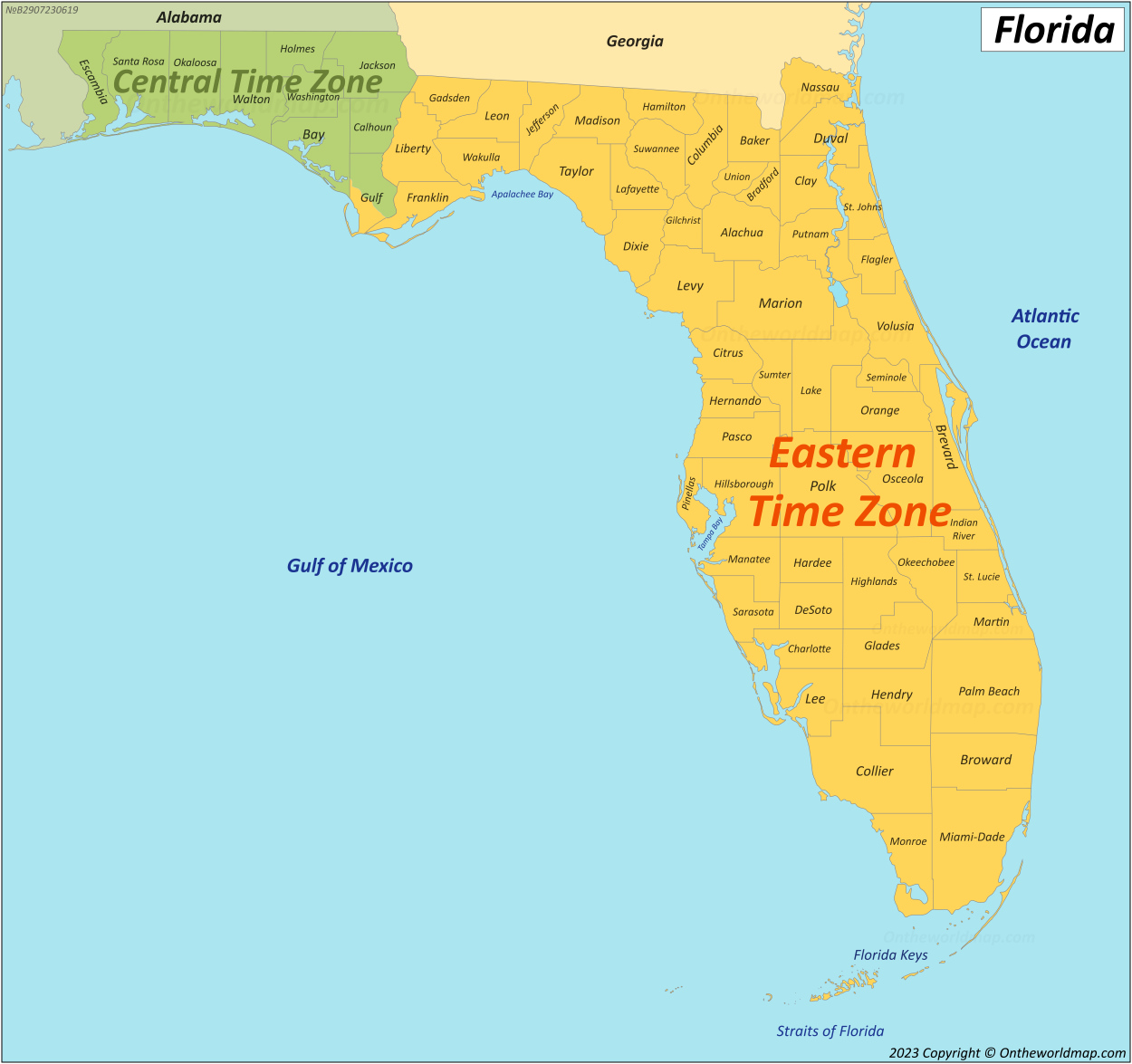
For any traveler planning a visit to the vibrant city of St. Petersburg, Florida, understanding its time zone is a foundational piece of information. Far more than a mere detail, knowing the precise time in your destination is crucial for seamless travel planning, effective communication, and a truly enjoyable experience. St. Petersburg, Florida, a jewel on the Gulf Coast of the United States, observes the Eastern Time (ET) zone. This means it adheres to Eastern Standard Time (EST) for part of the year and Eastern Daylight Time (EDT) during the warmer months, incorporating the annual shift for Daylight Saving. This comprehensive guide will delve into the intricacies of St. Petersburg’s time zone, offering insights and practical advice to ensure your trip to the Sunshine City is as smooth as its famed beaches.
Decoding St. Petersburg’s Time Zone: Eastern Time Explained
The Eastern Time (ET) zone is one of the most populous time zones in the United States, encompassing much of the eastern seaboard. For travelers, understanding its dual nature – EST and EDT – is key to avoiding confusion and optimizing travel logistics.
Eastern Standard Time (EST): The Winter Baseline
During the fall and winter months, St. Petersburg, Florida, operates on Eastern Standard Time (EST). This period typically runs from early November until mid-March. In terms of Coordinated Universal Time (UTC), EST is UTC-5. This means that St. Petersburg’s local time is five hours behind UTC. For instance, when it’s 12:00 PM (noon) UTC, it’s 7:00 AM in St. Petersburg under EST. This baseline is stable and predictable, making it straightforward for planning during this time of year. Travelers arriving from time zones ahead of EST will need to adjust their clocks backward, while those from time zones behind EST will move their clocks forward.
Eastern Daylight Time (EDT): Embracing the Longer Days
As spring arrives, typically on the second Sunday in March, St. Petersburg, Florida, springs forward into Eastern Daylight Time (EDT). This shift involves moving clocks forward by one hour, effectively “gaining” an hour of daylight in the evening. EDT is UTC-4, meaning St. Petersburg is four hours behind UTC. This period lasts until the first Sunday in November, when clocks fall back to EST. The change to EDT is particularly beneficial for tourists, allowing for more daylight hours to explore attractions like the St. Pete Pier, relax on the beaches, and enjoy outdoor dining experiences. However, it’s a critical adjustment to remember, especially when scheduling flights, tours, or meetings during the transition weeks.
The Impact of UTC Offset for International Travelers
For international travelers, understanding the UTC offset is paramount. Your home country’s time zone relative to UTC will dictate the magnitude of the time difference you experience upon arrival in St. Petersburg. For example, a traveler from London, which observes Greenwich Mean Time (GMT) or UTC+0 (and British Summer Time or UTC+1), will experience a 5-hour time difference during EST and a 4-hour difference during EDT (when both regions are on their respective daylight saving times, it’s a 5-hour difference; when London is on BST and St. Petersburg on EST, it’s a 6-hour difference). This knowledge is fundamental for mitigating jet lag, coordinating with contacts back home, and ensuring you don’t miss any critical appointments or activities during your stay. Always double-check flight times and booking confirmations against the local time in St. Petersburg to prevent any mishaps.
Navigating Time Shifts: Practical Tips for Travelers
The transition across time zones, especially significant ones, can impact a traveler’s well-being and schedule. Thoughtful preparation can make all the difference in enjoying your St. Petersburg getaway.
Planning Your Arrival and Departure
When booking flights to St. Petersburg, often through Tampa International Airport (TPA) or St. Pete–Clearwater International Airport (PIE), pay close attention to the arrival and departure times stated in the local time zone. It’s advisable to schedule your arrival earlier in the day if possible, allowing your body ample time to adjust before diving into activities. Similarly, when departing, consider the time zone you’re returning to and how it might affect your schedule upon arrival home. Automate your phone’s time zone settings, but always wear a watch set to local time as a reliable backup. Inform anyone expecting you of your anticipated arrival in their local time.
Syncing Your Internal Clock: Combating Jet Lag

Jet lag is a common adversary for travelers crossing multiple time zones. To minimize its effects when heading to St. Petersburg:
- Adjust gradually: A few days before your trip, try to shift your sleep schedule by an hour or two in the direction of St. Petersburg’s time.
- Hydrate: Drink plenty of water before, during, and after your flight to combat dehydration, which can worsen jet lag symptoms.
- Adjust immediately: Once you arrive, try to embrace the local time. Eat meals at local times, and try to stay awake until evening, even if you’re tired.
- Seek sunlight: Exposure to natural light, especially in the morning, helps reset your circadian rhythm. St. Petersburg’s abundant sunshine is a natural remedy!
- Avoid excessive caffeine and alcohol: While they might offer a temporary boost or relaxation, they can interfere with natural sleep patterns.
Essential Considerations for Business and Remote Work
For business travelers or those planning to work remotely during their St. Petersburg vacation, time zone awareness is paramount. Scheduled virtual meetings with colleagues or clients in different time zones require careful coordination. Utilize online time zone converters to pinpoint the best meeting times. Clearly communicate your local working hours to avoid misunderstandings. Consider setting up a dedicated workspace that allows you to focus, minimizing distractions that could impact your productivity given the time differences. Reliable internet access is, of course, a must, and most hotels and cafes in St. Petersburg offer excellent connectivity.
Beyond the Clock: St. Petersburg, Florida’s Allure
While understanding the time zone is crucial for the logistical aspects of travel, St. Petersburg, Florida, offers a wealth of experiences that make any journey worthwhile. The consistent Eastern Time allows for consistent planning, ensuring you can maximize your time enjoying all the city has to offer.
Embracing the Sunshine City’s Attractions
St. Petersburg lives up to its “Sunshine City” moniker, boasting an average of 361 days of sunshine annually. This makes it an ideal destination for outdoor activities. From world-class beaches like Fort De Soto Park, repeatedly ranked among the nation’s best, to the innovative St. Pete Pier offering dining, recreation, and stunning views of Tampa Bay, there’s no shortage of ways to spend your daylight hours. Art enthusiasts will revel in the Dalí Museum, home to the largest collection of Salvador Dalí’s works outside Europe, and the vibrant Chihuly Collection. With the certainty of Eastern Time, you can confidently book timed tickets, reserve spots for boat tours, or simply plan your beach days around the glorious Florida sun.
Culinary Delights and Cultural Experiences
St. Petersburg’s culinary scene is as diverse as its art. From fresh seafood at waterfront restaurants to eclectic eateries in the Grand Central District or fine dining downtown, your taste buds are in for a treat. Knowing the local time helps you secure those coveted dinner reservations, particularly important during peak tourist seasons. Beyond food, the city offers a rich tapestry of cultural events, live music venues, and a bustling arts scene. Check local listings for concerts at the Mahaffey Theater or art walks that typically happen on specific evenings. These events, scheduled in local Eastern Time, are easily integrated into your itinerary when you’re well-adjusted to the local clock.
Maximizing Your St. Petersburg Experience
Beyond merely knowing the time zone, effective travel planning involves understanding the subtle nuances of your destination to enhance every aspect of your trip.
Best Times to Visit Based on Weather and Events
While St. Petersburg is appealing year-round, certain seasons offer distinct advantages. The mild, sunny winters (November to April, primarily EST) are ideal for enjoying outdoor activities without the intense heat and humidity of summer. This is also when many festivals and events take place. The summer months (June to September, primarily EDT) bring warmer temperatures, higher humidity, and a greater chance of afternoon thunderstorms, but also lower crowds and often better deals on accommodations. Be mindful of hurricane season, which runs from June 1st to November 30th. Your travel insurance and a flexible booking policy are especially important during this window. Always check the local weather forecasts, which will naturally be presented in Eastern Time.
Essential Packing and Preparation Checklist
Your packing list for St. Petersburg should always include essentials like sunscreen, sunglasses, comfortable walking shoes, and swimwear, regardless of the time of year. Given the time zone considerations, add these practical items to your travel preparation:
- Portable charger: For your phone, ensuring your time-synced device never runs out of battery.
- Universal adapter: If traveling internationally, to power your devices that help you stay connected and on schedule.
- Physical watch: A traditional wristwatch can be a lifesaver if your phone dies or loses service, allowing you to manually set and rely on the local Eastern Time.
- Offline maps: Download maps of St. Petersburg to navigate even without data, especially useful if you’re trying to conserve phone battery.
- Emergency contact information: Keep a written copy of important numbers, including your accommodation, transportation, and emergency services, to avoid any time-sensitive issues if digital access fails.
In conclusion, St. Petersburg, Florida, comfortably sits within the Eastern Time (ET) zone, fluctuating between Eastern Standard Time (UTC-5) and Eastern Daylight Time (UTC-4) with the seasons. Armed with this knowledge and the practical tips provided, travelers can confidently plan their itineraries, manage their schedules, and fully immerse themselves in the charm and vibrancy of this magnificent Florida destination. Enjoy your journey to St. Petersburg, where time well-spent is time savored.
LifeOutOfTheBox is a participant in the Amazon Services LLC Associates Program, an affiliate advertising program designed to provide a means for sites to earn advertising fees by advertising and linking to Amazon.com. Amazon, the Amazon logo, AmazonSupply, and the AmazonSupply logo are trademarks of Amazon.com, Inc. or its affiliates. As an Amazon Associate we earn affiliate commissions from qualifying purchases.