
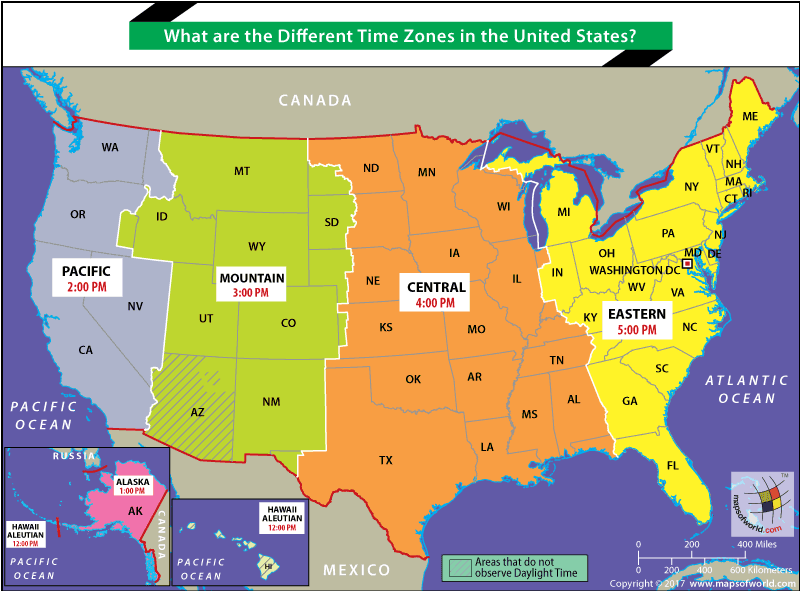
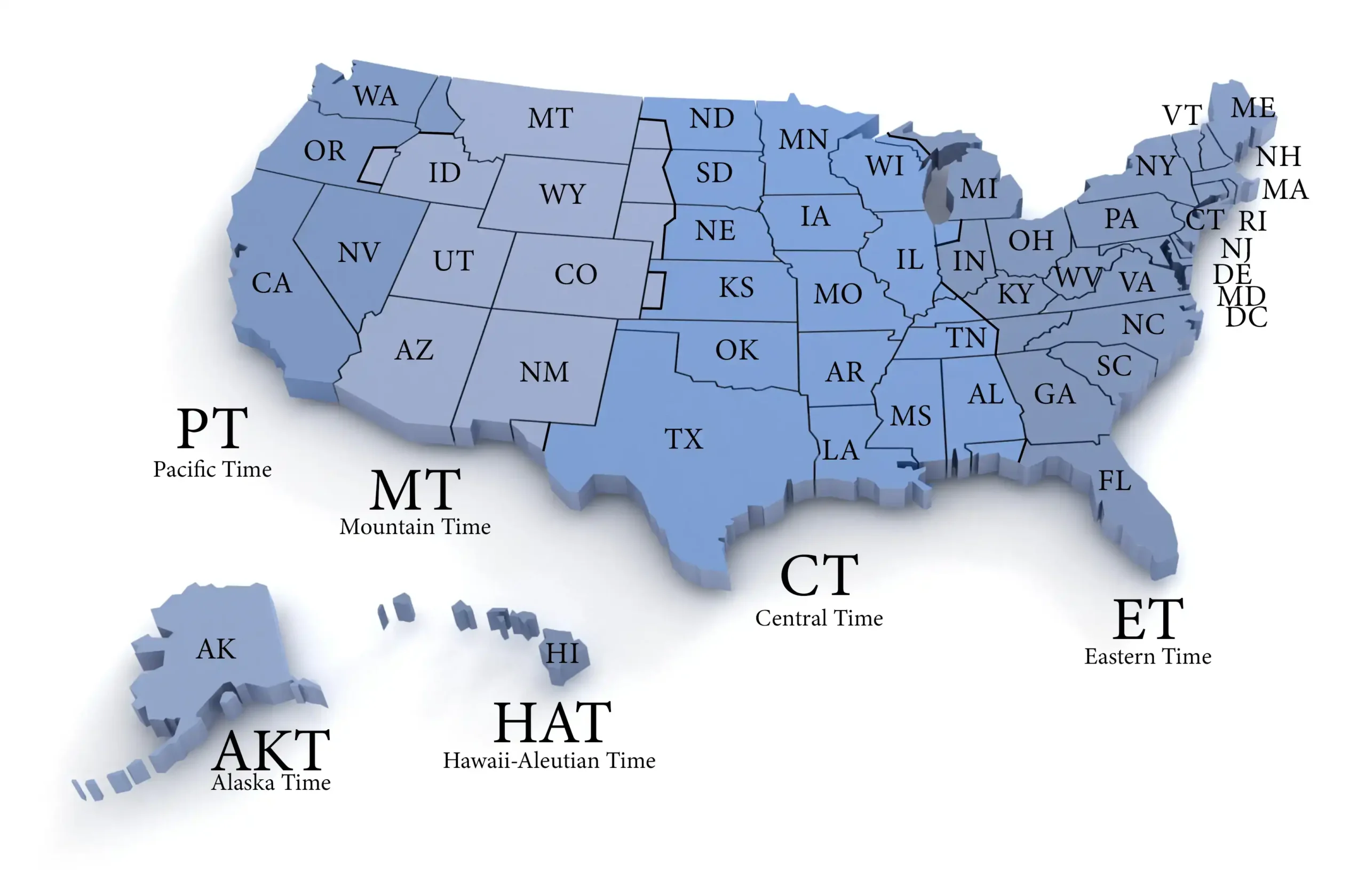
For any traveler planning a pilgrimage to the soul of the United States South, understanding the logistical heartbeat of the destination is the first step toward a seamless experience. If you are asking yourself, “What time zone is New Orleans, Louisiana in?” you are likely preparing for a journey into a land where time seems to slow down, yet every second is packed with history, music, and flavor. New Orleans is located in the Central Time Zone.
Knowing the exact time in the Crescent City is about more than just setting your watch; it is about synchronizing your spirit with the unique rhythms of one of North America most vibrant cultural hubs. Whether you are timing your arrival for the first parade of Mardi Gras or ensuring you have a table at a legendary Creole eatery, mastering the local clock is essential for the ultimate tourism experience.
Understanding the Central Time Zone in Louisiana
New Orleans adheres strictly to the standards of the Central Time Zone, a region it shares with other major American hubs like Chicago, Dallas, and Nashville. However, the way time feels in this coastal city, nestled along the curves of the Mississippi River, often differs from its bustling northern counterparts.
Standard vs. Daylight Saving Time
Like most of the United States, Louisiana observes Daylight Saving Time. This means that for a portion of the year, the city operates on Central Standard Time (CST), which is six hours behind Coordinated Universal Time (UTC-6). From the second Sunday in March until the first Sunday in November, the city shifts to Central Daylight Time (CDT), which is five hours behind Coordinated Universal Time (UTC-5).
For international tourists, this shift is crucial. It dictates how much daylight you will have to explore the architectural wonders of the French Quarter or the sprawling live oaks of City Park. During the summer months, the sun sets later, allowing for extended afternoon strolls through the Garden District before the nightlife begins to hum.
The Impact of Timing on Your Arrival
When flying into Louis Armstrong New Orleans International Airport, travelers coming from the East Coast will find themselves gaining an hour, while those from the West Coast will “lose” two. This subtle shift is often the perfect excuse to dive straight into the local culture. If you arrive an hour “early” from New York City, you have just enough time to squeeze in a mid-afternoon cocktail at a historic bar before your dinner reservations.
Cultural Chronology: When to Experience New Orleans Traditions
In New Orleans, the clock doesn’t just measure minutes; it measures the transition between different types of magic. The city’s tourism appeal is deeply rooted in its events, many of which are highly dependent on the time of day and year.
The Sacred Rhythm of Jazz
Music is the lifeblood of Louisiana culture, and it follows its own specific schedule. While you can hear brass bands playing in Jackson Square at high noon, the true essence of the city’s jazz scene emerges as the sun dips below the horizon.
For a traditional experience, tourists often flock to Preservation Hall in the French Quarter. Shows here are strictly timed and often sell out weeks in advance. If you prefer a more spontaneous evening, Frenchmen Street is the place to be. Clubs like Snug Harbor Jazz Bistro and the Spotted Cat Music Club typically start their prime sets around 8:00 PM or 9:00 PM Central Time.
Festival Timing and Mardi Gras Logistics
If your visit coincides with Mardi Gras, the concept of time becomes both rigid and fluid. Parade schedules are published months in advance, and being “on time” to claim a spot along St. Charles Avenue is a sport in itself. Local families often set up their viewing areas at dawn for a parade that doesn’t start until mid-day.
Similarly, the New Orleans Jazz & Heritage Festival (widely known as Jazz Fest) operates on a very specific daytime schedule. Unlike most music festivals that run deep into the night, Jazz Fest at the Fair Grounds Race Course usually concludes by 7:00 PM, encouraging tourists to spill back into the city’s restaurants and clubs for “after-shows.”
The Culinary Clock: Planning Your Meals in the Big Easy
Tourism in New Orleans is, for many, a culinary pilgrimage. The city’s dining scene is legendary, but navigating it requires a keen understanding of local timing and tradition.
The Breakfast and Brunch Tradition
In the Central Time Zone, mornings in the Crescent City start with a dusting of powdered sugar. A visit to Cafe Du Monde is a mandatory tourist activity. While the original location near Jackson Square is famous for being open 24 hours (with some exceptions), the best time to visit to avoid massive queues is typically the very early morning—around 7:00 AM—or very late at night.
Brunch is also a serious affair here. Iconic institutions like Brennan’s and Commanders Palace have popularized the “Jazz Brunch.” Reservations for these are often made months in advance and are typically timed to allow for a leisurely two-hour multi-course feast.
Dinner and the Late-Night Transition
Dinner in New Orleans usually peaks between 7:00 PM and 8:30 PM. To dine at historic spots like Antoine’s Restaurant or Galatoire’s, one must respect the traditional seating times.
However, the city is also famous for its “late-night” food culture. As the Central Time clock moves past midnight, the focus shifts to quick bites that fuel the nightlife. Whether it’s a po-boy from a 24-hour corner store or a late-night bowl of gumbo, the city’s kitchen never truly sleeps. This 24-hour accessibility is a cornerstone of the New Orleans tourism experience, offering a sense of freedom rarely found in other United States cities.
Sightseeing by the Sun: Daytime Landmarks and Nighttime Secrets
The transition from day to night in New Orleans provides two entirely different perspectives of the city. A well-timed itinerary allows you to capture both.
Exploring Landmarks Under the Sun
Most major landmarks and museums operate on a standard 9:00 AM to 5:00 PM schedule. The National WWII Museum, located in the Warehouse District, is a massive complex that requires a full day to truly appreciate. Getting there right when the doors open ensures you can see the major exhibits before the mid-day crowds arrive.
For those interested in the city’s unique architecture, a morning walk through the Garden District or a visit to Lafayette Cemetery No. 1 is best before the humidity of the afternoon sets in. The light hitting the St. Louis Cathedral in the morning is a photographer’s dream, casting long shadows across the historic cobblestones.
Embracing the Shadow: Evening Tours
As the Central Time Zone dusk settles, a different side of the city emerges. New Orleans is often cited as the most haunted city in America. Consequently, ghost, voodoo, and vampire tours are a staple of the tourism industry. These tours usually commence around 6:00 PM or 8:00 PM, taking visitors through the darkened alleys of the French Quarter. Timing these for after sunset is essential for the atmospheric “chill” that these experiences promise.
Practical Tips for Mastering Local Time and Pace
While the technical answer to “What time zone is New Orleans, Louisiana in?” is simple, the practical application involves a few tourist-friendly tips to ensure your trip is successful.
- The Pace of the Big Easy: While the city runs on Central Time, the local “pace” is notoriously relaxed. Service in restaurants or the arrival of a streetcar on St. Charles Avenue may not always be down to the minute. Embrace the “Big Easy” philosophy—don’t rush.
- Booking in Advance: Because the city is a major global destination, many time-sensitive activities require foresight. Use the local time zone to your advantage when booking reservations via apps; ensure your device has updated to Central Time so you don’t miss your window for Commanders Palace or a swamp tour in the nearby Bayou.
- Transit Timing: If you plan on using the historic streetcars managed by the New Orleans Regional Transit Authority, be aware that they run 24 hours on some lines, but with reduced frequency at night. Always check the schedule if you are heading back from Bourbon Street late at night.
- Shopping Hours: If you are looking for antiques on Royal Street or boutiques on Magazine Street, keep in mind that many local shops close earlier than you might expect—often by 5:00 PM or 6:00 PM. Plan your shopping for the daylight hours so you can dedicate your evening to the city’s world-class dining and music.
In conclusion, New Orleans operates within the Central Time Zone, but it lives in a world of its own. By understanding the logistics of Central Standard Time and the cultural “timing” of the city, you can ensure that every moment of your visit to Louisiana is spent exactly as it should be: soaking in the history, the music, and the incomparable spirit of the South.
LifeOutOfTheBox is a participant in the Amazon Services LLC Associates Program, an affiliate advertising program designed to provide a means for sites to earn advertising fees by advertising and linking to Amazon.com. Amazon, the Amazon logo, AmazonSupply, and the AmazonSupply logo are trademarks of Amazon.com, Inc. or its affiliates. As an Amazon Associate we earn affiliate commissions from qualifying purchases.