
Planning a trip to Orlando, Florida, often referred to as “The Theme Park Capital of the World,” involves countless considerations, from booking the perfect accommodation to mapping out your park-hopping strategy. However, one fundamental aspect that can profoundly impact your travel experience—and often overlooked until departure—is understanding the local temperature. Knowing what to expect regarding the weather in Orlando isn’t just about packing the right clothes; it dictates your comfort, your itinerary, and ultimately, your enjoyment of this vibrant destination.
Orlando’s allure lies in its year-round sunshine and a climate that generally permits outdoor activities, making it a perennial favorite for families, couples, and solo adventurers alike. Yet, “year-round sunshine” doesn’t mean a monolithic climate. The city experiences distinct seasons, each with its own temperature profile, humidity levels, and precipitation patterns that necessitate different approaches to travel planning. From the exhilarating highs of summer to the delightfully mild winters, Orlando’s temperature kaleidoscope requires a thoughtful approach. This comprehensive guide will delve into the nuances of Orlando’s climate, helping you prepare for an unforgettable visit, no matter when you choose to explore its magic.

Understanding Orlando’s Climate: A Subtropical Paradise
Orlando is situated in a subtropical climate zone, which is characterized by warm temperatures throughout much of the year, high humidity, and distinct wet and dry seasons. This geographical positioning means visitors can almost always expect warmth, but the type of warmth—dry and crisp versus hot and humid—varies significantly depending on the month. Understanding this fundamental climate classification is the first step in decoding Orlando’s temperature patterns.
Overview of Orlando’s Weather Patterns
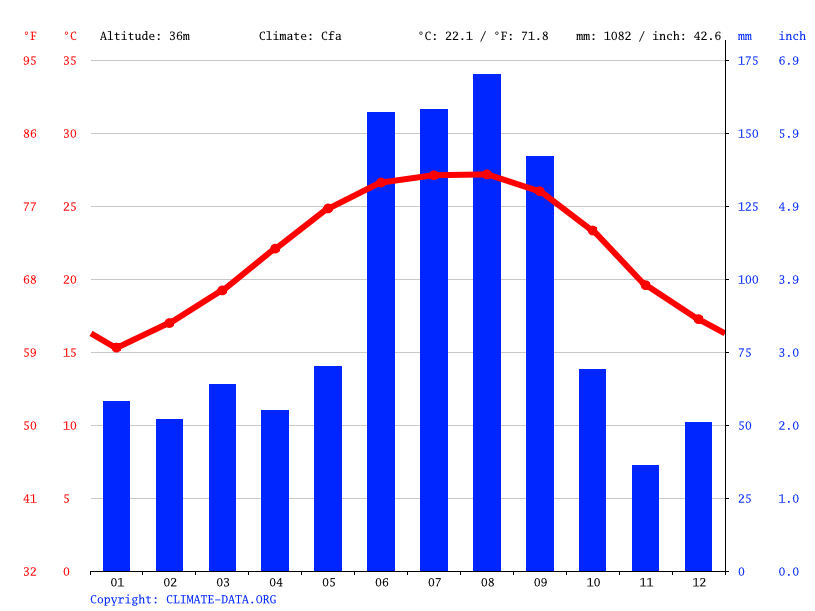
The overarching weather pattern in Orlando features long, hot, and often humid summers, contrasted with short, mild, and relatively dry winters. Spring and autumn serve as transitional periods, offering some of the most pleasant weather for exploring the myriad attractions without the extremes of summer heat or the rare chill of winter mornings. Precipitation is primarily concentrated in the summer months, often manifesting as brief but intense afternoon thunderstorms, a common occurrence in the Florida peninsula. These storms typically pass quickly, leaving behind refreshed air, though occasionally, they can be prolonged.
Humidity and Sunshine: Constant Companions
Sunshine is an undeniable constant in Orlando’s climate, with the city boasting an impressive average of 230 sunny days per year. This abundance of light fuels the vibrant atmosphere and makes outdoor activities the cornerstone of any visit. However, sunshine rarely comes without its companion: humidity. Due to its proximity to both the Atlantic Ocean and the Gulf of Mexico, Orlando experiences significant humidity, particularly from late spring through early autumn.
During the peak summer months, relative humidity frequently hovers between 70-90%, making the air feel considerably warmer than the actual temperature might suggest. This high humidity is a crucial factor for travelers to consider, as it impacts comfort levels, hydration needs, and even energy expenditure during long days at theme parks. While the sun is almost always shining, providing the perfect backdrop for photos, its intensity, combined with humidity, requires thoughtful preparation and smart strategies for staying comfortable and safe.
Seasonal Temperatures: What to Expect Year-Round
While Orlando is famously sunny, its temperature profile shifts dramatically throughout the year. Each season offers a unique experience, influencing crowd levels, park operating hours, and the types of activities that are most enjoyable.
Winter (December – February): The ‘Golden’ Season
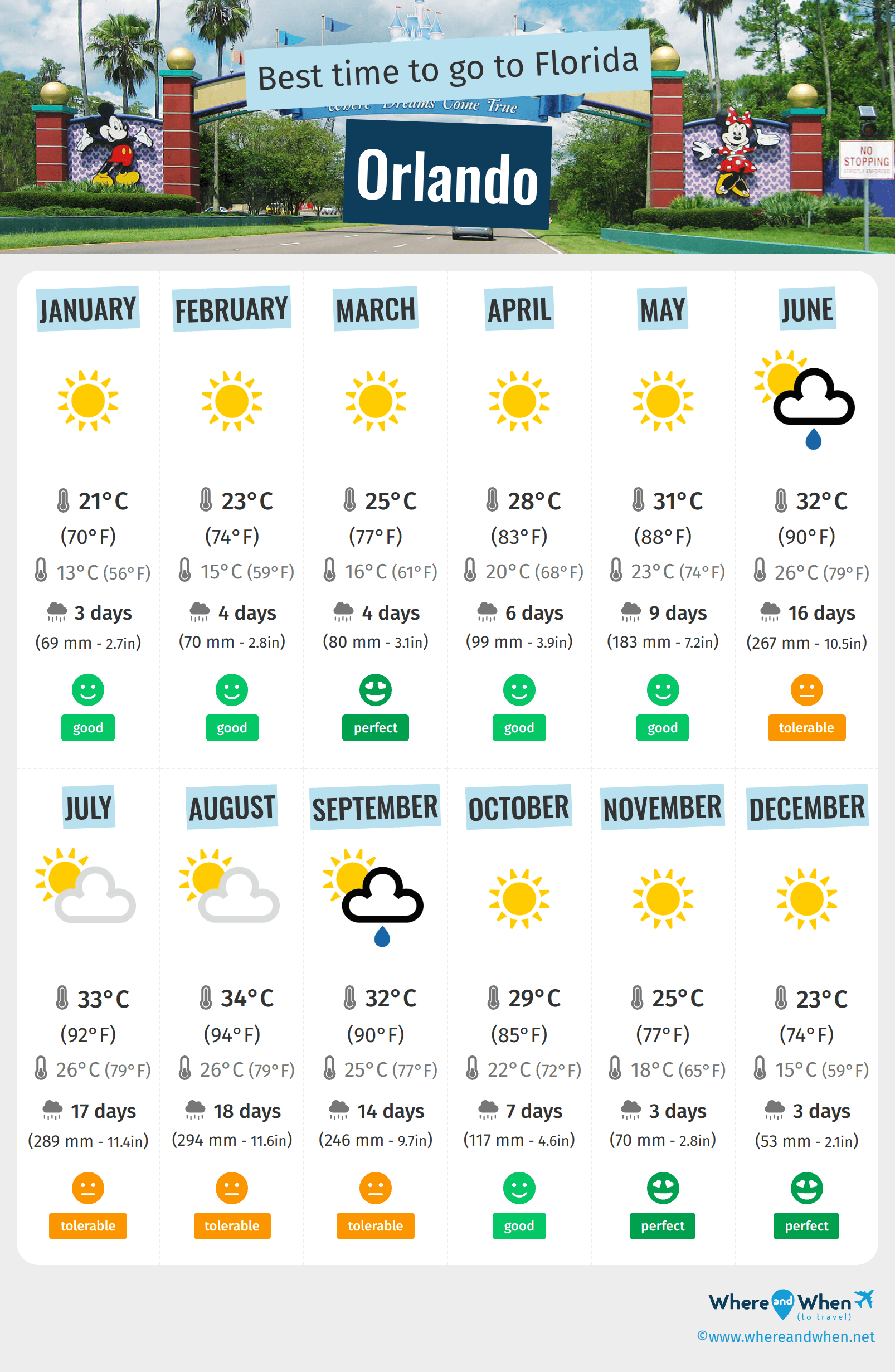
Winter in Orlando is often considered the ideal time to visit, especially for those looking to escape colder climates. Average daytime temperatures range from the low to mid-70s Fahrenheit (21-24°C), with evenings cooling down to the 50s Fahrenheit (10-15°C). Humidity is at its lowest, and rainfall is infrequent, leading to crisp, clear days. This weather is perfect for long days exploring Walt Disney World Resort, Universal Orlando Resort, and other major attractions without the oppressive heat and humidity of summer. Crowds can be significant around holidays like Christmas and New Year’s, but generally, late January and February offer a sweet spot of excellent weather and manageable attendance. Packing light layers is advisable, as mornings and evenings can be cool.
Spring (March – May): Pleasant and Popular
As winter fades, Orlando transitions into a beautiful spring. Temperatures gradually climb, averaging from the mid-70s to low-80s Fahrenheit (24-29°C) during the day, with comfortable evenings in the 60s Fahrenheit (15-20°C). Humidity remains relatively low compared to summer, making conditions very pleasant for outdoor activities. Spring is a popular time for school breaks, particularly March and April, which can lead to increased crowds. Festivals at EPCOT and other venues flourish during this period, capitalizing on the fantastic weather. Expect plenty of sunshine and minimal rain, though occasional showers may occur as the season progresses towards summer.
Summer (June – August): Hot, Humid, and Rainy
Summer marks Orlando’s peak temperature and humidity season. Daytime highs consistently reach the high 80s to low 90s Fahrenheit (31-34°C), but the “feels like” temperature, due to high humidity (often above 80%), can easily push into the triple digits. Evenings offer little relief, staying in the high 70s Fahrenheit (25-27°C). This season is also Orlando’s wettest, with daily afternoon thunderstorms being a common occurrence. These storms are typically short-lived but intense, bringing heavy rain, lightning, and sometimes hail. While the heat can be challenging, summer is also when water parks like Typhoon Lagoon and Volcano Bay truly shine. Strategic planning, including early mornings, indoor breaks, and ample hydration, is essential for a comfortable summer visit.
Autumn (September – November): Transition and Mildness
Autumn in Orlando provides a welcome reprieve from the summer heat and humidity, though the transition is gradual. September still feels very much like summer, with high temperatures and frequent rain. As October progresses, temperatures begin to drop to the high 70s and low 80s Fahrenheit (26-29°C) during the day, with pleasant evenings in the 60s Fahrenheit (15-20°C). Humidity levels also decrease significantly, making for much more comfortable outdoor conditions. This period coincides with the tail end of hurricane season (which officially runs June 1 – November 30), so it’s wise to monitor forecasts, though direct hits are rare. Major events like Halloween Horror Nights at Universal Orlando Resort and Mickey’s Not-So-Scary Halloween Party at Walt Disney World Resort draw crowds, benefiting from the improving weather. By November, the climate is typically excellent, mirroring the pleasantness of spring.
How Temperature Impacts Your Orlando Experience
The prevailing temperature and weather conditions significantly influence how you’ll experience Orlando’s diverse offerings. Understanding these impacts allows for more strategic planning and a more enjoyable trip.
Theme Park Strategies
For many, theme parks are the primary draw of Orlando. The temperature plays a critical role in how you navigate these expansive, often sun-drenched environments. During hot and humid periods (primarily summer), starting your day early is paramount. Arrive at park opening to tackle popular outdoor rides and attractions before the midday heat becomes intense. Utilize indoor shows, air-conditioned restaurants, and shaded queues as opportunities to cool down and rehydrate. Taking a mid-day break back at your hotel for a swim or nap can be a lifesaver, allowing you to return refreshed for cooler evenings. Conversely, during the mild winter and spring months, you have more flexibility with timing, though afternoon sun can still be quite strong.
Outdoor Activities and Recreation
[Orlando](https://lifeoutofthebox.com/orlando]’s pleasant climate for much of the year makes it a haven for outdoor enthusiasts beyond the theme parks. Activities like golfing on world-class courses, exploring the scenic trails of Lake Eola Park, or taking an exhilarating airboat tour through the Everglades at attractions like Gatorland are heavily dependent on comfortable temperatures. The cooler, drier months of winter and spring are ideal for these pursuits, offering perfect conditions for prolonged periods outdoors. During summer, these activities are still possible, but best enjoyed in the early morning or late afternoon to avoid the most intense heat and potential afternoon storms.Dining and Entertainment
Temperature can even influence your dining and entertainment choices. While many restaurants in Orlando offer air-conditioned indoor seating, outdoor patios and al fresco dining experiences are popular, especially in areas like Disney Springs or along Restaurant Row. These options are particularly delightful during the mild evenings of winter and spring. In summer, while outdoor seating is available, many prefer the comfort of indoor, climate-controlled environments. Evening entertainment, such as fireworks displays at Walt Disney World Resort or street performances, are largely unaffected by heat, but planning for comfortable clothing and hydration is still important.
Packing Smart for Orlando’s Forecast
Your packing list for Orlando should be directly informed by the expected temperatures and weather conditions of your visit. A well-packed suitcase can be the difference between a comfortable adventure and a heat-stressed ordeal.
Essentials for Warm Weather
Regardless of the season, lightweight, breathable clothing is a must for Orlando. Even in winter, daytime highs can be warm enough for shorts and T-shirts. Focus on fabrics like cotton, linen, and moisture-wicking athletic wear. Sun protection is critical year-round: pack high-SPF sunscreen, wide-brimmed hats, and sunglasses. These items are non-negotiable for protecting yourself from the strong Florida sun. Don’t forget swimwear, as most hotels and resorts feature inviting pools, and water parks are a popular attraction.
Preparing for Rain and Cooler Evenings
If visiting during the summer or shoulder seasons, a compact umbrella or lightweight poncho is an essential addition to your bag. Those afternoon showers can appear suddenly. For winter and spring visits, while days are generally warm, evenings can cool down considerably. A light jacket, cardigan, or a sweatshirt will be appreciated, especially if you plan to be out late or if you’re sensitive to air conditioning, which can be quite strong indoors. Layering is key to adapting to temperature fluctuations throughout the day.
Footwear Considerations
Comfortable walking shoes are perhaps the most important item to pack for Orlando. You will do an immense amount of walking, especially in the theme parks. Opt for broken-in sneakers or comfortable sandals with good arch support. Avoid brand new shoes or heels for park days. If you plan to visit water parks or take advantage of hotel pools, waterproof sandals or flip-flops are also necessary. Having a second pair of comfortable shoes can also be beneficial in case one pair gets wet or causes discomfort.
Beyond the Forecast: Staying Comfortable in Orlando
While knowing the temperature is crucial, actively implementing strategies to stay comfortable throughout your trip is equally important for enjoying all that Orlando has to offer.
Hydration and Sun Protection
These two elements cannot be overstressed. In Orlando’s climate, especially during the warmer months, dehydration can set in quickly. Carry a reusable water bottle and take advantage of water fountains and quick-service restaurants in theme parks that often provide free cups of ice water. Drink water frequently, even if you don’t feel thirsty. Reapply sunscreen every two hours, or more often if sweating or swimming. Seek shade whenever possible, whether it’s under an umbrella, a tree, or inside an air-conditioned building.
Utilizing Indoor Attractions
Strategic use of indoor attractions, shows, and dining experiences is a smart way to manage the heat. Theme parks offer numerous air-conditioned oases where you can escape the sun and cool down. Plan your day to intersperse outdoor thrill rides with longer indoor shows or sit-down meals during the hottest parts of the day. This approach allows your body to regulate its temperature and prevents heat-related fatigue.
Leveraging Water Activities
[Orlando](https://lifeoutofthebox.com/orlando] truly shines when it comes to water-based relief from the heat. Whether it’s spending a day at Typhoon Lagoon or Volcano Bay, enjoying the elaborate pools at your resort, or even just utilizing splash pads and water play areas within the theme parks, incorporating water activities is an excellent way to beat the heat, particularly during summer visits. A mid-day swim at your hotel pool can be incredibly refreshing and re-energizing.Ultimately, understanding “What’s the temperature in Orlando, Florida?” is more than just a simple query; it’s the foundation of a well-planned and thoroughly enjoyable travel experience. By appreciating the nuances of its subtropical climate and preparing accordingly, you can ensure that your visit to this magical city is filled with comfort, fun, and unforgettable memories, no matter the season.
LifeOutOfTheBox is a participant in the Amazon Services LLC Associates Program, an affiliate advertising program designed to provide a means for sites to earn advertising fees by advertising and linking to Amazon.com. Amazon, the Amazon logo, AmazonSupply, and the AmazonSupply logo are trademarks of Amazon.com, Inc. or its affiliates. As an Amazon Associate we earn affiliate commissions from qualifying purchases.