
The rhythm of Louisiana is a captivating blend of history, culture, and vibrant living, a tapestry woven from the threads of French, Spanish, African, and Caribbean influences. Understanding the current time in this unique American state is more than just a logistical necessity; it’s an entry point into appreciating its diverse temporal realities. From the bustling energy of New Orleans to the serene bayous of the Acadiana region, each moment unfolds with a distinct flavor, shaped by the very essence of Louisiana itself. Whether you’re planning a trip, connecting with loved ones, or simply curious about this fascinating corner of the globe, grasping the time in Louisiana is the first step in unlocking its many treasures.
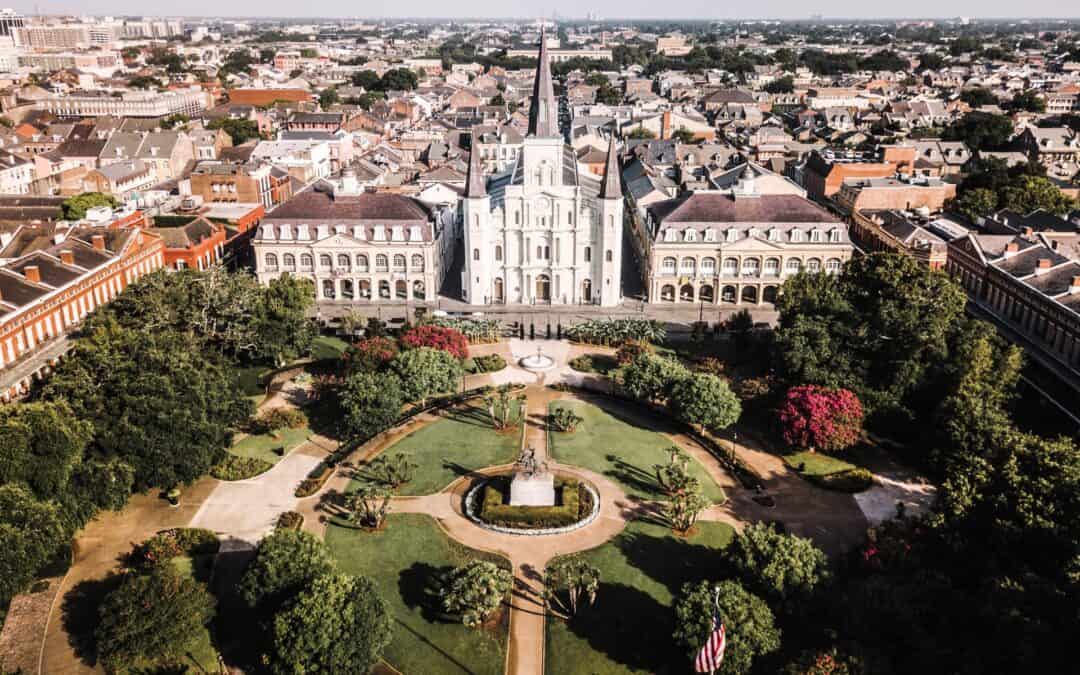
Navigating Time Zones and Daylight Saving in Louisiana
Louisiana observes the Central Time Zone (CT), which is further divided into Central Standard Time (CST) and Central Daylight Time (CDT). Understanding these designations is crucial for accurate timekeeping, especially when planning travel or coordinating with businesses operating within the state.
Central Standard Time (CST) and Central Daylight Time (CDT)
During the winter months, Louisiana operates on Central Standard Time (CST), which is UTC-6. This means it is six hours behind Coordinated Universal Time. As the days lengthen and spring arrives, Louisiana, like most of the United States, observes Daylight Saving Time. During this period, it shifts to Central Daylight Time (CDT), which is UTC-5. This effectively moves clocks forward by one hour, providing more daylight in the evenings during the warmer months. The switch typically occurs on the second Sunday in March and reverts to Standard Time on the first Sunday in November.
The implications of this time shift are far-reaching. For travelers, it means adjusting their watches and itineraries to align with the local time upon arrival. For businesses, particularly those with operations or clients in different time zones, it necessitates careful planning to ensure seamless communication and scheduling. Even for residents, the biannual change can be a minor disruption, requiring a conscious effort to recalibrate their internal clocks.
The adoption of Daylight Saving Time in the United States, and consequently in Louisiana, has a long and sometimes controversial history. While its proponents argue it conserves energy and promotes outdoor activities, critics point to potential disruptions in sleep patterns and economic costs associated with the time changes. Regardless of these debates, the practical reality for anyone engaging with Louisiana is the adherence to CST and CDT.
The Pulse of Louisiana: A Temporal Exploration
The current time in Louisiana is not merely a number on a clock; it’s a marker of the state’s vibrant activities, its deep-seated traditions, and the experiences that await any visitor. From sunrise over the Mississippi River to the lively jazz clubs of French Quarter, each hour brings a new dimension to the Louisiana experience.
Embracing the Day: Morning to Afternoon in Louisiana
As the sun rises over Louisiana, the state awakens with a unique energy. In cities like New Orleans, the early morning hours might find locals and early-rising tourists enjoying beignets at Café Du Monde, the scent of powdered sugar and chicory coffee filling the air. The bustling markets, such as the French Market, begin to come alive, offering a glimpse into the local produce and artisan crafts.
As the morning progresses, the historical heart of New Orleans beckons. Exploring the charming streets of the French Quarter, with its intricate ironwork balconies and vibrant bougainvillea, is a quintessential Louisiana experience. Museums like the New Orleans Museum of Art or the Historic New Orleans Collection offer insights into the state’s rich past and artistic heritage.
Lunchtime in Louisiana is often a culinary adventure. Whether it’s a steaming bowl of gumbo at a local eatery, a po’boy from a neighborhood deli, or fresh seafood by the coast, the midday meal is a celebration of the state’s diverse flavors. The afternoon might be dedicated to exploring the natural beauty that surrounds the state’s urban centers. A boat tour through the cypress swamps, spotting alligators and exotic birds, or a visit to a historic plantation along the Great River Road, offers a profound connection to the Louisiana landscape.

The afternoon in Louisiana can also be a time for relaxation and soaking in the local atmosphere. Strolling through the lush gardens of the Longue Vue House and Gardens or enjoying a leisurely streetcar ride through the Garden District provides a different pace, showcasing the elegance and charm of New Orleans. For those seeking adventure, kayaking through the tranquil waters of the Atchafalaya Basin or exploring the unique ecosystems of the Louisiana State Parks offers an invigorating way to spend the hours.
Evening and Night: The Enchantment of Louisiana After Dark
As dusk settles over Louisiana, the state transforms into a nocturnal wonderland. New Orleans, in particular, is renowned for its vibrant nightlife. The sounds of jazz spill out from numerous clubs along Bourbon Street and Frenchmen Street, drawing crowds into a lively celebration of music and revelry. Street performers add to the magical ambiance, creating an unforgettable evening experience.
Dinner reservations in Louisiana are often sought-after, with restaurants offering everything from classic Creole cuisine to innovative modern dishes. A fine dining experience in the Warehouse District or a casual, authentic meal in the Marigny neighborhood are equally rewarding. The culinary scene is a significant draw for tourists, with many planning their trips around gastronomic delights.
Beyond the music and food, the night in Louisiana offers other unique attractions. Ghost tours in the historic cemeteries, like St. Louis Cemetery No. 1, delve into the city’s intriguing and sometimes spooky past. A sunset cruise on the Mississippi River provides breathtaking views of the cityscape as it begins to twinkle with lights.
For those interested in history and architecture, a moonlit walk through the historic districts, illuminated by gas lamps, offers a romantic and atmospheric perspective. The sheer beauty of the buildings, bathed in the soft glow of the night, is a sight to behold. Whether you’re seeking a quiet evening of reflection or a night filled with excitement and discovery, Louisiana after dark offers a captivating array of experiences that cater to every preference. The temporal aspect of the night in Louisiana is intrinsically linked to its cultural offerings, making each moment a part of a grand, ongoing performance.
Planning Your Louisiana Adventure: Time-Sensitive Considerations
Understanding the current time in Louisiana is not just about knowing the hour; it’s about strategically planning your visit to maximize your enjoyment and engagement with the state’s diverse offerings. From booking accommodations to experiencing local festivals, temporal awareness is key.
Accommodation and Activity Booking
When booking hotels, resorts, or apartments in Louisiana, such as a stay at the iconic Hotel Monteleone or a family-friendly resort, time zone differences are paramount, especially if booking from abroad or coordinating with others. It’s advisable to confirm check-in and check-out times in local Louisiana time (CST/CDT) to avoid any misunderstandings. Many online booking platforms display times in the local zone, but it’s always wise to double-check.
Similarly, when scheduling tours and activities, being mindful of the current time is essential. A historical walking tour of Jackson Square, a cooking class to learn the secrets of Louisiana cuisine, or an airboat tour through the swamps, often have specific start times. Arriving late due to miscalculation can mean missing out on valuable experiences. Consider the time it takes to travel between attractions, particularly in sprawling cities like New Orleans or across the more spread-out regions of the state. Factor in potential traffic, especially during peak hours, which can significantly impact your punctuality.

Experiencing Louisiana’s Events and Festivals
Louisiana is famous for its vibrant festivals and events, many of which are deeply tied to specific times of day and year. Mardi Gras in New Orleans, while a season, has parades and events scheduled at precise times. The New Orleans Jazz & Heritage Festival spans several days with a packed schedule of performances that require careful planning to catch your favorite artists. Smaller, local festivals celebrating Cajun culture, food, or specific harvests also adhere to strict timings.
When planning a trip around such events, always verify the official schedule and convert times to Louisiana‘s current time zone. Remember that during major festivals, transportation and accommodation can become scarce and significantly more expensive, so booking well in advance is crucial. Being aware of the time allows you to immerse yourself fully in the cultural richness and celebratory spirit that defines Louisiana, ensuring you don’t miss a single beat of its captivating rhythm.
The ability to precisely ascertain the current time in Louisiana is a foundational element for anyone wishing to fully engage with its travel, hospitality, and tourism offerings. It empowers visitors to navigate the state’s diverse attractions, from the historic landmarks to the culinary delights and vibrant lifestyle, with confidence and ease. The temporal dimension, when understood, enhances the entire Louisiana experience, transforming a simple visit into a deeply enriching journey.
LifeOutOfTheBox is a participant in the Amazon Services LLC Associates Program, an affiliate advertising program designed to provide a means for sites to earn advertising fees by advertising and linking to Amazon.com. Amazon, the Amazon logo, AmazonSupply, and the AmazonSupply logo are trademarks of Amazon.com, Inc. or its affiliates. As an Amazon Associate we earn affiliate commissions from qualifying purchases.