
Florida, often affectionately dubbed “The Sunshine State,” captivates millions of travelers each year with its stunning beaches, vibrant cities, and world-renowned attractions. From the theme park capital of Orlando to the bustling urban landscape of Miami and the tranquil shores of the Florida Keys, the state offers a kaleidoscopic array of experiences. However, a successful and enjoyable trip to Florida hinges significantly on understanding its most defining characteristic: its climate, and specifically, its temperature. While a precise “right now” temperature is fleeting and constantly updated, delving into the nuances of Florida’s thermal landscape provides invaluable insight for planning the perfect getaway, ensuring comfort, and maximizing every moment of your journey.

Understanding Florida’s temperature patterns is more than just knowing whether to pack shorts or a sweater; it’s about anticipating the character of your visit. It dictates beach conditions, comfort levels at outdoor attractions, the best times for wildlife viewing, and even the pace of urban exploration. This comprehensive guide will navigate the typical temperature ranges across Florida’s diverse regions and seasons, offering practical advice for travelers to make informed decisions, pack smartly, and fully embrace the unique warmth that defines this beloved destination.
Understanding Florida’s Climate: A Traveler’s Guide
Florida is renowned for its subtropical to tropical climate, characterized by warm temperatures year-round, abundant sunshine, and distinct wet and dry seasons. This climate is a primary draw for tourists seeking escape from colder northern latitudes, yet its variations can profoundly influence the travel experience. A deeper dive into these climatic intricacies reveals how different parts of the state experience temperature, and why this knowledge is crucial for any prospective visitor.
The Sunshine State’s Unique Weather Patterns
The overarching influence on Florida’s weather is its proximity to the equator and its peninsular geography, surrounded by the warm waters of the Atlantic Ocean and the Gulf of Mexico. These factors contribute to high humidity levels, especially during the summer months, which can make even moderate temperatures feel significantly warmer. The state largely experiences two main seasons: a warm and wet season (roughly May to October) and a cooler and drier season (November to April).
During the warm season, daily afternoon thunderstorms are common, offering temporary relief from the heat but contributing to the high humidity. These storms are usually brief and localized, rarely disrupting entire days of activities. The cooler season, conversely, brings lower humidity, less frequent precipitation, and delightfully mild to warm temperatures, making it a prime time for outdoor activities and beach visits without the intense heat.
Regional Temperature Variations
While generally warm, Florida’s long north-south axis means there are discernible temperature differences across its various regions. What might be a balmy 75°F (24°C) in South Florida could be a cooler 60°F (16°C) in North Florida on the same day during the winter.
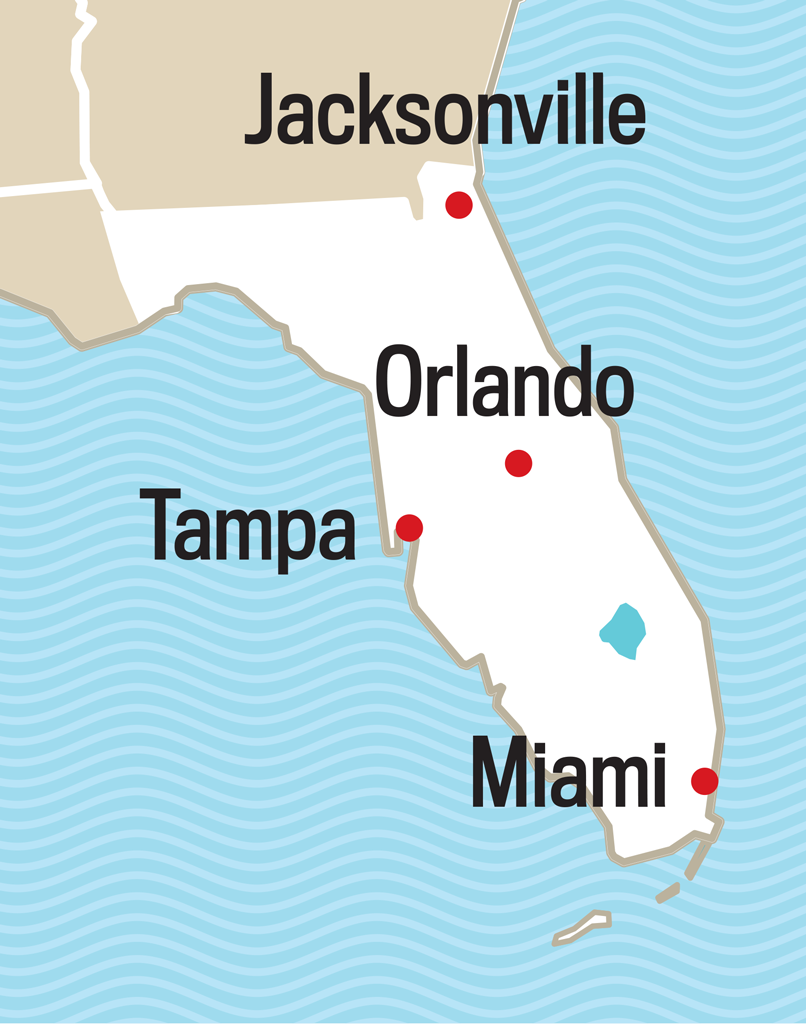
- North Florida (e.g., Jacksonville, Tallahassee, Panama City Beach): This region, bordering Georgia and Alabama, experiences more defined seasons than its southern counterparts. Winters can see occasional cold fronts, with temperatures dipping into the 30s and 40s Fahrenheit (0-10°C) at night, and daytime highs often ranging from 50s to 70s F (10-21°C). Summers are hot and humid, with daily highs typically in the high 80s to low 90s F (30-35°C).
- Central Florida (e.g., Orlando, Tampa, Daytona Beach): This popular tourist hub enjoys a climate that strikes a balance. Winters are mild and pleasant, with daytime temperatures usually in the 60s and 70s F (16-25°C), though occasional cold snaps can occur. Summers are notably hot and very humid, with highs consistently in the low 90s F (32-35°C), accompanied by those characteristic afternoon thunderstorms.
- South Florida (e.g., Miami, Fort Lauderdale, Naples): Possessing a truly tropical climate, South Florida boasts the warmest temperatures year-round. Winters are incredibly mild, with daytime highs rarely dipping below the 70s F (21-26°C), making it a prime winter escape. Summers are intensely hot and humid, with highs in the high 80s to low 90s F (30-34°C) and consistent rain.
- The Florida Keys (e.g., Key West): As the southernmost point of the continental United States, the Florida Keys enjoy a unique microclimate. Temperatures are remarkably consistent, experiencing the least seasonal variation. Winter lows rarely fall below 60°F (16°C), and summer highs usually stay in the high 80s to low 90s F (30-34°C), moderated by ocean breezes. The humidity is consistently high.
These regional differences highlight the importance of checking specific forecasts for your chosen destination within Florida, rather than relying on a generalized state-wide temperature.
Seasonal Temperature Dynamics and Travel Planning
Florida’s temperature changes throughout the year, impacting not just the weather, but also crowd levels, pricing, and the types of activities best enjoyed. Understanding these seasonal shifts is fundamental to planning a rewarding trip.
Winter Escapes: Mild Bliss and Peak Season (December – February)
Winter is undeniably Florida’s peak tourist season, especially for snowbirds from colder climates. Temperatures during these months are generally delightful, particularly in Central Florida and South Florida. Expect average daytime highs ranging from the mid-60s F (18-20°C) in North Florida to the mid-70s F (24-26°C) in South Florida and the Keys. Nights can be cool, especially further north, occasionally dipping into the 40s F (4-9°C), so light layers are advisable. Humidity is at its lowest, making outdoor activities exceptionally comfortable. This is the ideal time for theme park visits, golfing, exploring nature parks like Everglades National Park, and enjoying outdoor festivals. Be prepared for higher prices and larger crowds, particularly around holidays and spring break in late February.
Spring Break Heat: Warmth and Humidity Rise (March – May)
As winter gives way to spring, temperatures across Florida begin a steady climb. March often retains some of winter’s pleasantness, while April and May see a distinct shift towards summer-like conditions. Daytime highs during spring typically range from the 70s to 80s F (21-30°C) across most of the state. Humidity also starts to increase, particularly towards May. This period is excellent for beach vacations, as water temperatures become increasingly inviting. Spring break brings a surge of visitors, especially to coastal towns like Miami Beach and Panama City Beach, so booking accommodations and attractions well in advance is essential. The weather is generally reliable, with fewer rain days than the summer, making it a popular choice for families and students alike.
Summer Sizzle: Hot, Humid, and Hurricane Season (June – August)
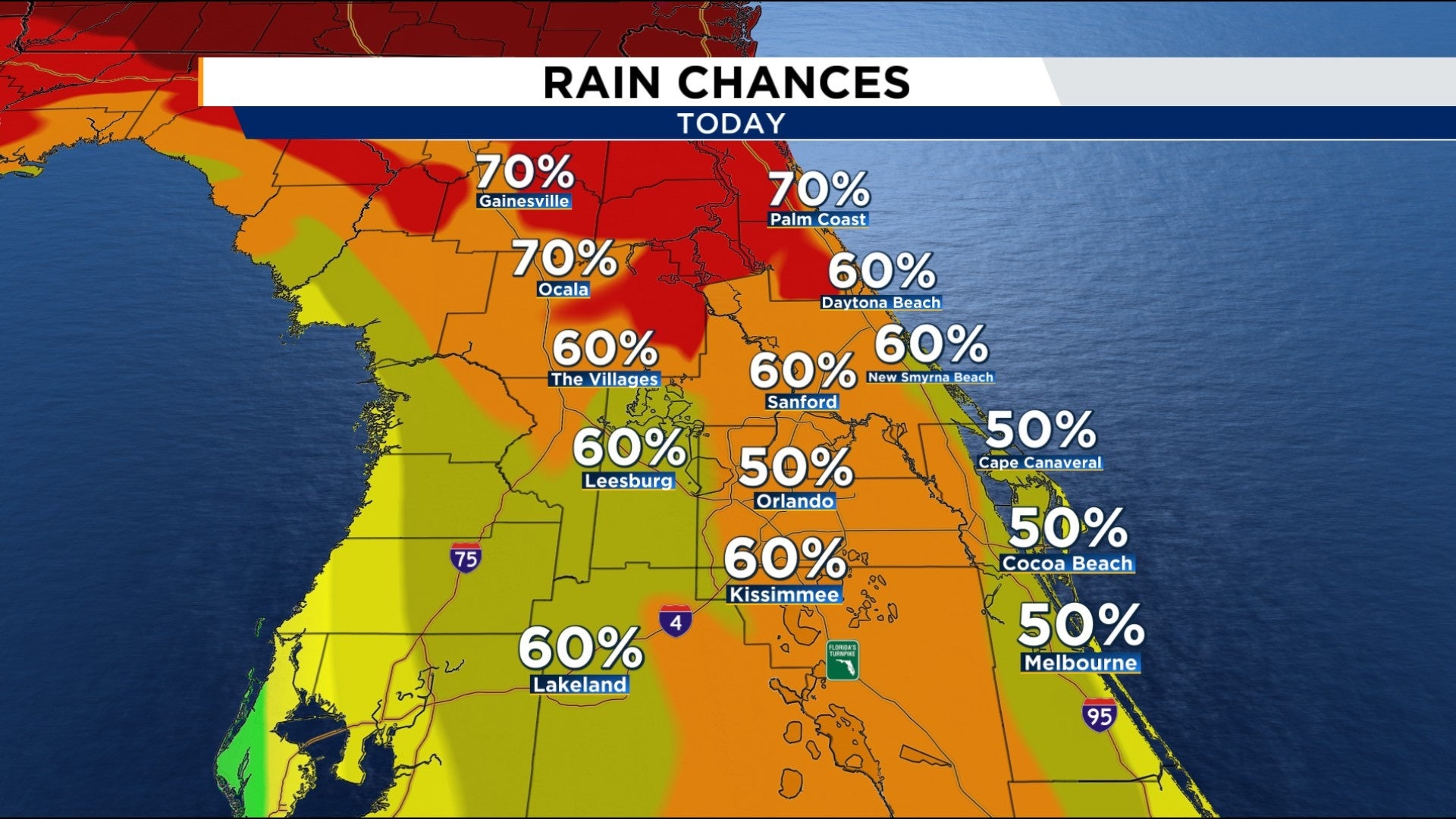
Florida’s summer months are characterized by intense heat and very high humidity. Daily average temperatures commonly hover in the high 80s to low 90s F (30-35°C) across the entire state, with heat indices often reaching over 100°F (38°C). Afternoon thunderstorms are an almost daily occurrence, providing a brief but welcome respite from the heat, and are usually followed by clear skies. This period also marks the heart of hurricane season (June 1 – November 30), though the peak risk is typically from August through October. While hurricanes are relatively infrequent, travelers during this time should monitor forecasts closely. Despite the heat, summer remains popular, particularly for families visiting theme parks like Walt Disney World Resort and Universal Studios Florida, taking advantage of school holidays. Water parks and indoor attractions become particularly appealing.
Autumn’s Gentle Transition: Pleasant Weather Returns (September – November)
Autumn in Florida is a gradual, often beautiful, transition back to milder temperatures and lower humidity. September and early October can still feel very much like summer, with warm temperatures and high humidity, and also fall within the peak of hurricane season. However, by late October and November, a noticeable shift occurs. Average daytime highs typically range from the 70s to low 80s F (21-29°C), with significantly reduced humidity. This shoulder season offers a fantastic balance: comfortable temperatures, fewer crowds than winter or spring break, and often better deals on travel and accommodation. It’s an excellent time for exploring cities like St. Petersburg, enjoying outdoor dining, or visiting attractions without the intense summer heat or peak-season crowds.
Beyond the Thermometer: How Temperature Impacts Your Florida Experience
Knowing the ambient temperature is just one piece of the puzzle. Understanding how that temperature, combined with humidity and sunshine, translates into your daily experience is key to a comfortable and memorable Florida trip.
Packing Essentials for Every Season
- Winter: Layers are your best friend. Light sweaters, long-sleeved shirts, and a medium-weight jacket are essential for cooler mornings and evenings, especially in North and Central Florida. Swimsuits are still a must for heated pools or warmer days in South Florida.
- Spring & Autumn: Think light and breathable clothing. Shorts, t-shirts, sundresses, and comfortable walking shoes are standard. A light jacket or cardigan may be useful for evenings, especially in early spring or late autumn. Don’t forget swimwear.
- Summer: Extremely light, breathable fabrics are crucial. Moisture-wicking materials are highly recommended. Prioritize sun protection: wide-brimmed hats, sunglasses, and high SPF sunscreen are non-negotiable. A light rain jacket or umbrella is useful for afternoon showers.
- Year-Round: Regardless of the season, comfortable walking shoes are a must, especially if you plan to explore theme parks or natural attractions. Sunscreen, a hat, and sunglasses should always be packed.
Activity Planning: From Beaches to Theme Parks
Temperature directly influences what activities are most enjoyable.
- Cooler Months (Winter): Ideal for extensive theme park days at places like EPCOT or Animal Kingdom, golfing on world-class courses in Sarasota, exploring historic districts like St. Augustine, and hiking or biking in state parks. The pleasant temperatures make outdoor exploration truly a joy.
- Warmer Months (Summer): Focus on water-based activities. Beaches, water parks (such as Aquatica Orlando or Typhoon Lagoon), and resort pools become central. Early mornings and late evenings are the best times for outdoor attractions. Plan for indoor activities or breaks during the hottest part of the day. Many attractions, like the Kennedy Space Center Visitor Complex, offer a mix of indoor and outdoor experiences.
- Shoulder Seasons (Spring & Autumn): Offer a great blend, allowing for comfortable beach days, exploration of botanical gardens, and enjoyable theme park visits before the peak summer heat or winter crowds. Wildlife viewing, like seeing manatees in crystal clear springs, is also excellent as water temperatures change.
Hydration and Heat Safety Tips
Especially during Florida’s warmer months, staying hydrated is paramount. Drink plenty of water throughout the day, even if you don’t feel thirsty. Electrolyte-rich drinks can also be beneficial.
- Dress Appropriately: Loose-fitting, light-colored clothing made from breathable fabrics will help keep you cool.
- Seek Shade: Utilize shaded areas, particularly between 10 AM and 4 PM when the sun is strongest.
- Pace Yourself: Don’t try to cram too much into one day, especially in the heat. Take breaks, cool off in air-conditioned spaces, and listen to your body.
- Protect Your Skin: Sunburns can quickly ruin a vacation. Apply broad-spectrum sunscreen with an SPF of 30 or higher liberally and reapply every two hours, or more often if swimming or sweating.
Real-Time Temperature Checks and Planning Resources
While historical averages provide an excellent planning framework, current conditions can vary. For up-to-the-minute information, relying on modern resources is essential.
Leveraging Technology for Up-to-the-Minute Forecasts
Before and during your trip, make use of reliable weather apps and websites. Most modern smartphones have built-in weather functions that provide hourly and daily forecasts for specific locations, including “feels like” temperatures which account for humidity. Websites like the National Weather Service (NWS) or popular commercial weather services offer detailed forecasts, radar maps for tracking pop-up thunderstorms, and severe weather alerts if necessary. Setting alerts for your destination can provide peace of mind and allow for last-minute adjustments to your plans.
Best Times to Visit Based on Temperature Preferences
Ultimately, the “best” time to visit Florida depends on your personal temperature preferences and travel priorities:
- For Cooler, Drier Weather: Opt for December through February. Perfect for theme parks, outdoor sports, and exploring cities like Tampa and Sarasota. Expect pleasant days, cool nights, and lower humidity.
- For Warm, Sunny Beach Days (without extreme heat): Consider March, April, or November. These months offer excellent beach weather with warm but not scorching temperatures, and often fewer crowds than peak winter.
- For Budget-Conscious Travelers Who Don’t Mind Heat: June, July, or August can offer lower prices on flights and accommodations (outside of specific holiday weeks), provided you’re prepared for high heat, humidity, and daily rain showers.
- For a Balance of Good Weather and Fewer Crowds: Late September and October can be a sweet spot, with temperatures gradually cooling and hurricane season risk diminishing towards the end of the period.
In conclusion, understanding “Florida’s temperature right now” requires more than just a single number; it demands a holistic appreciation of its dynamic climate. By familiarizing yourself with seasonal variations, regional differences, and practical heat safety, you can transform any Florida trip into an extraordinary, comfortable, and truly unforgettable experience. Armed with this knowledge, you are well-equipped to enjoy all the warmth and wonder the Sunshine State has to offer.
LifeOutOfTheBox is a participant in the Amazon Services LLC Associates Program, an affiliate advertising program designed to provide a means for sites to earn advertising fees by advertising and linking to Amazon.com. Amazon, the Amazon logo, AmazonSupply, and the AmazonSupply logo are trademarks of Amazon.com, Inc. or its affiliates. As an Amazon Associate we earn affiliate commissions from qualifying purchases.