
Understanding the intricacies of your paycheck deductions is a fundamental aspect of financial planning, especially when considering a move to, or living within, a vibrant state like Florida. While the lure of sun-drenched beaches, world-class attractions, and a dynamic job market is undeniable, residents and prospective residents alike often wonder: exactly how much tax is taken out of a paycheck in Florida? This question is central to budgeting, saving, and ultimately, shaping the lifestyle you aspire to in the Sunshine State.
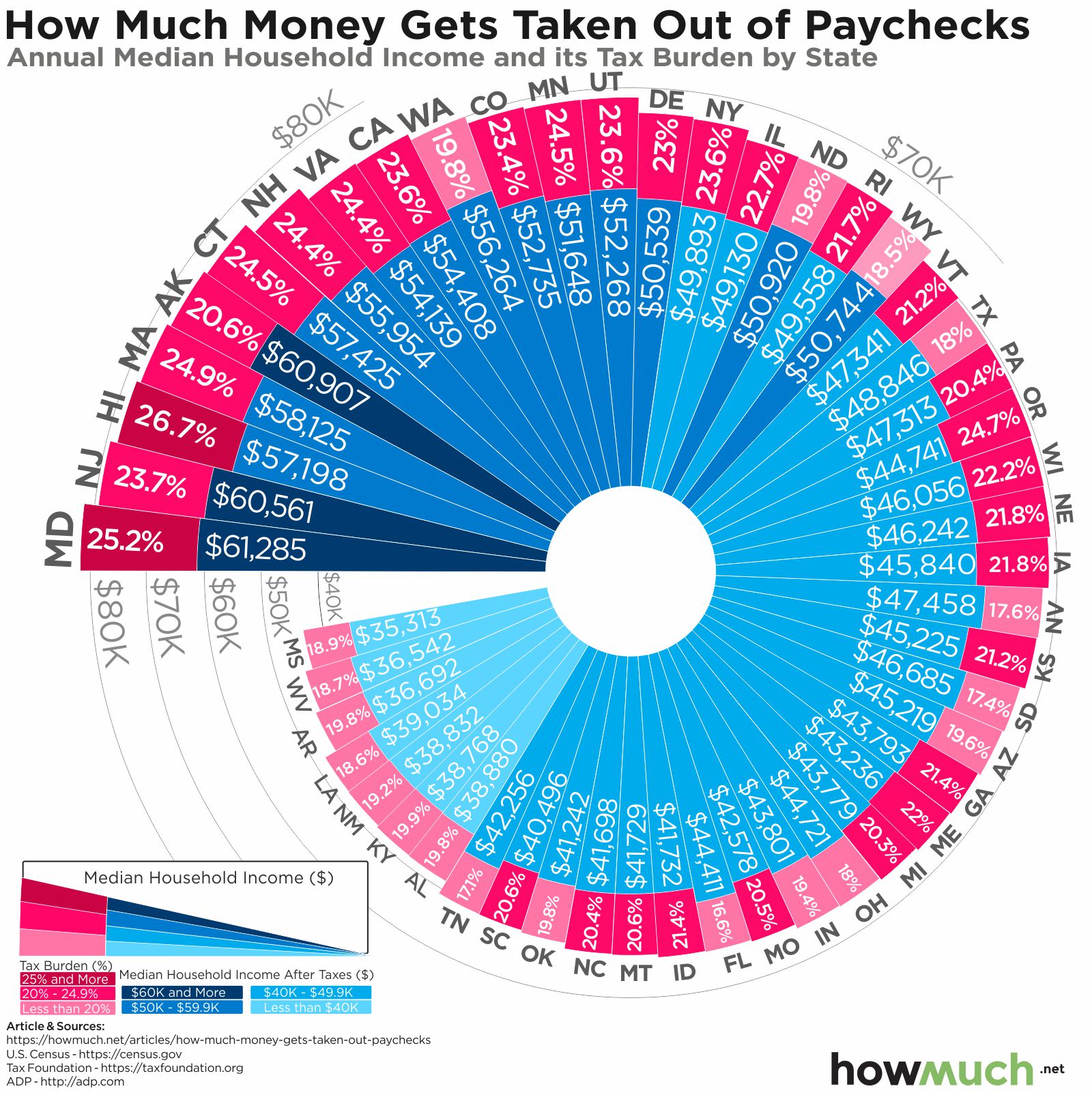
The answer isn’t a simple fixed percentage, as it depends on a combination of federal regulations, your individual earnings, and specific deductions. What truly sets Florida apart in this discussion, and what makes it particularly attractive from a lifestyle perspective for many, is the absence of a state income tax. This significant factor means more of your gross earnings stay in your pocket compared to residents in states with both federal and state income taxes, potentially freeing up considerable funds for travel, leisure, or investing in your future. This article delves into the various components that influence your take-home pay, offering insights to help you better manage your finances and fully embrace the Florida lifestyle.
The Florida Tax Landscape: A Foundation for Your Lifestyle
When evaluating your paycheck, it’s crucial to distinguish between federal taxes, which apply across the United States, and state-specific taxes. Florida’s tax structure is often highlighted for its unique approach, particularly regarding income earned from employment.
The Allure of No State Income Tax
One of Florida’s most celebrated financial advantages is the complete absence of a state income tax. For individuals and families considering relocation, this can translate into substantial savings annually. Unlike many other states that levy a percentage of your earnings on top of federal taxes, Florida allows you to keep the entirety of your gross wages from state income taxation. This policy is a powerful magnet for professionals, retirees, and businesses, as it directly impacts disposable income. More disposable income means greater flexibility to explore Florida’s diverse attractions, from the theme parks of Orlando to the vibrant nightlife of Miami, or to simply bolster your savings for future lifestyle goals. This lack of a state income tax means that the “state income tax” line on your pay stub will always be zero, a welcome sight for anyone looking to maximize their earnings for their desired lifestyle.
Key Federal Deductions and Credits
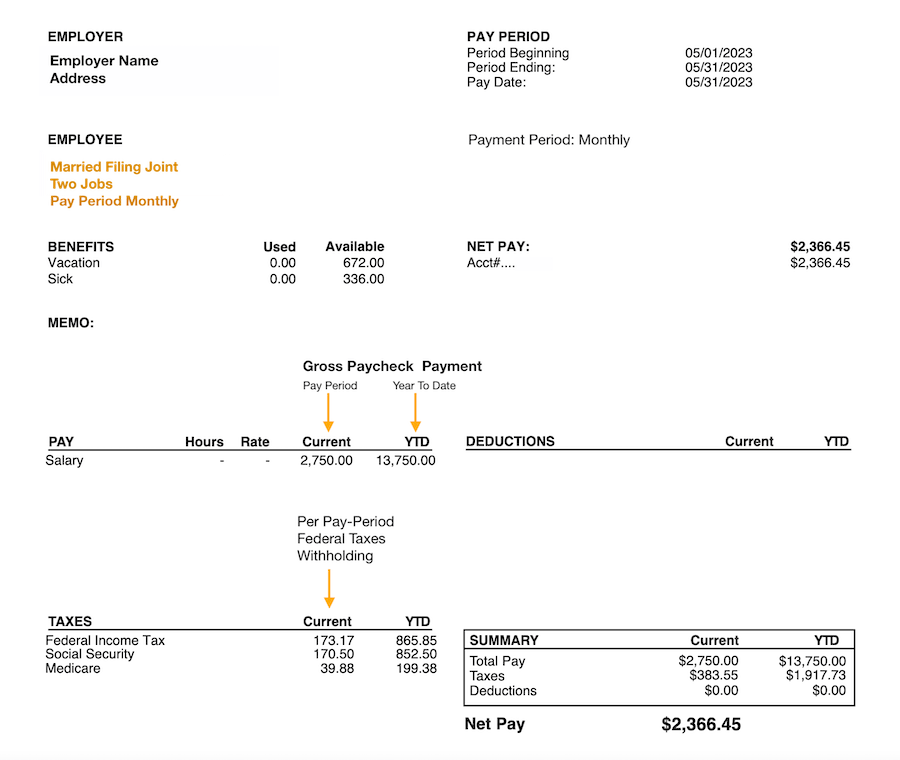
While Florida doesn’t impose a state income tax, federal taxes are a universal requirement. These include federal income tax, Social Security tax, and Medicare tax (collectively known as FICA taxes). The amount deducted for federal income tax is influenced by several factors, including your gross pay, your filing status (single, married filing jointly, etc.), and the information you provide on your W-4 form. This form allows you to claim allowances, which reduce the amount of income tax withheld from each paycheck. Properly adjusting your W-4 can prevent over-withholding (giving the government an interest-free loan) or under-withholding (leading to a tax bill or penalties at year-end). Understanding these federal deductions is key to forecasting your actual take-home pay and, consequently, your financial capacity to enjoy all that Florida has to offer. Strategic tax planning can help you align your withholding with your overall financial goals, ensuring you have the funds you need when you need them for a comfortable and engaging lifestyle.
What Comes Out of Your Paycheck: The Federal Essentials
Regardless of where you live in the United States, certain federal taxes are mandatory deductions from your paycheck. For Florida residents, these federal taxes constitute the primary, and often only, governmental deductions from their gross pay.
Federal Income Tax Explained
Federal income tax is progressive, meaning higher earners pay a larger percentage of their income in taxes. The Internal Revenue Service (IRS) provides tax brackets that determine the rate at which different portions of your income are taxed. The amount withheld from your paycheck for federal income tax is an estimate based on your W-4 form and your employer’s payroll system. This withholding helps you avoid a large tax bill at the end of the year. However, it’s not an exact science, and many people choose to adjust their W-4 annually to account for changes in their financial situation, such as marriage, having children, or taking on a second job. For Florida residents, optimizing federal withholding is even more important, as it represents the largest controllable tax deduction impacting their immediate spending power and ability to enjoy their chosen lifestyle, whether it’s frequent trips to Key West or saving for a dream home on the Gulf Coast.
FICA Taxes: Social Security and Medicare
FICA (Federal Insurance Contributions Act) taxes fund Social Security and Medicare, critical programs providing retirement, disability, and healthcare benefits. These taxes are generally flat-rate percentages up to certain income thresholds. For Social Security, the employee portion is 6.2% of your gross wages, up to an annual income cap (which adjusts annually). For Medicare, the employee portion is 1.45% of all gross wages, with no income cap. High-income earners may also pay an additional Medicare tax. Unlike federal income tax, FICA taxes are not adjustable via your W-4; they are standard deductions. While these deductions reduce your immediate take-home pay, they contribute to your future financial security, an important aspect of a sustainable long-term lifestyle, especially in a state popular with retirees like Florida.
Other Potential Deductions: Benefits and Retirement Contributions
Beyond federal taxes, your paycheck may include other deductions that are not government-mandated but are elected by you or part of your employment benefits package. These often include:
- Health Insurance Premiums: Deductions for medical, dental, or vision insurance plans offered by your employer.
- Retirement Contributions: Pre-tax contributions to a 401(k), 403(b), or similar employer-sponsored retirement plan. These contributions not only help you save for the future but also reduce your taxable income, potentially lowering your federal income tax withholding.
- Flexible Spending Accounts (FSAs) or Health Savings Accounts (HSAs): Contributions to these accounts, often pre-tax, can be used for eligible healthcare expenses, further reducing your taxable income.
- Life Insurance or Disability Insurance Premiums: If purchased through your employer.
- Union Dues: If applicable to your profession.
These deductions, while reducing your take-home pay, are often investments in your personal well-being and financial future, allowing you to build a secure and comfortable lifestyle in Florida.
Maximizing Your Take-Home Pay for the Florida Lifestyle
With no state income tax, Florida already offers a significant advantage. However, strategic financial planning can further enhance your take-home pay and unlock greater opportunities for the lifestyle you desire.
Smart Budgeting for Travel and Leisure
Effective budgeting is paramount to leveraging your increased disposable income in Florida. By meticulously tracking your income and expenses, you can allocate specific funds towards travel, leisure activities, and exploring the state’s vibrant culture. Whether it’s weekend getaways to St. Petersburg, experiencing the magic of Disney World or Universal Studios, or enjoying the natural beauty of the Everglades, a well-structured budget ensures these experiences are not just dreams but tangible parts of your life. Consider using budgeting apps or spreadsheets to categorize your spending and identify areas where you can save, creating a dedicated “fun fund” that benefits from Florida’s tax advantages.
Leveraging Tax Advantages for Financial Growth
The absence of state income tax in Florida presents a unique opportunity to accelerate your financial growth. The money you save on state taxes can be strategically invested. Consider increasing contributions to your 401(k) or IRA, opening a brokerage account, or investing in real estate. Over time, these investments can compound, creating a substantial nest egg that provides financial security and the means to sustain a high-quality lifestyle. Consulting with a financial advisor can help you create a personalized investment strategy that aligns with your lifestyle goals, whether those include early retirement, purchasing a vacation home, or funding extensive world travel.
Beyond the Paycheck: Hidden Taxes and Their Lifestyle Impact
While the focus on paycheck deductions is crucial, understanding other taxes in Florida is equally important for a complete picture of your financial landscape and its impact on your lifestyle. These “hidden” taxes affect your overall cost of living and, by extension, your discretionary spending.
Sales Tax and Your Daily Living
Florida has a statewide sales tax rate of 6%, which applies to most goods and services, though some necessities like most groceries are exempt. Many counties also impose an additional local sales tax, which can bring the total sales tax rate higher in cities like Jacksonville or Tampa. This means that while you pay less in income tax, you’ll pay more for consumer goods, dining out, and certain services. Budgeting for sales tax on purchases is essential, as it adds to the cost of your daily lifestyle, from filling up your gas tank to buying new clothes for a night out in South Beach.
Property Taxes: Homeownership in the Sunshine State
For homeowners in Florida, property taxes are a significant expense. The amount you pay depends on the value of your home and the local millage rates set by county and municipal governments. While these aren’t deducted from your paycheck, they are a recurring expense that impacts your overall financial health and ability to afford other lifestyle elements. Florida does offer a homestead exemption, which can reduce the taxable value of your primary residence, providing some relief. Prospective homeowners should research property tax rates in their desired areas carefully, as they can vary significantly and affect your long-term budget for living in the Sunshine State.
Special District Taxes and Local Levies
In some parts of Florida, particularly in new developments or areas with specific infrastructure projects, residents may be subject to Community Development District (CDD) fees or other special assessments. These are typically included in your annual property tax bill and contribute to the cost of amenities like roads, utilities, and recreational facilities within the district. While they can enhance the local lifestyle by providing desirable infrastructure, they represent an additional cost to consider. Similarly, specific localities might have minor tourist taxes or other local levies, although these don’t typically come out of a regular paycheck.
Planning Your Florida Move: Tax Implications for Your Dream Lifestyle
Considering a move to Florida involves more than just packing boxes; it requires a comprehensive understanding of the financial landscape to ensure your dream lifestyle is sustainable.
Cost of Living Considerations
While the lack of state income tax is a huge draw, it’s crucial to evaluate the overall cost of living. Florida’s real estate market can be competitive, and insurance costs (especially homeowner’s and flood insurance) can be higher due to hurricane risks. Balancing your higher take-home pay with these other expenses is key to an accurate financial forecast. By creating a detailed budget that accounts for housing, utilities, transportation, and discretionary spending, you can truly understand how your Florida paycheck will translate into your desired lifestyle.
Consulting a Tax Professional for Seamless Transition
Before making a significant move or major financial decision in Florida, consulting with a qualified tax professional is highly recommended. They can offer personalized advice on optimizing your federal withholdings, understanding local tax implications, and structuring your investments to take full advantage of Florida’s tax-friendly environment. A professional can help you navigate complexities, ensure compliance, and maximize your financial resources, paving the way for a seamless transition and a prosperous lifestyle in the Sunshine State.
In conclusion, while the precise amount of tax taken out of a paycheck in Florida varies for each individual based on their earnings and federal withholding choices, the overarching benefit is the absence of a state income tax. This fundamental aspect significantly enhances your take-home pay, providing greater financial flexibility to enjoy Florida’s unique lifestyle, invest in your future, or pursue your passions. By understanding federal deductions and planning for other local taxes, you can effectively budget and manage your finances to thrive in this appealing state.
LifeOutOfTheBox is a participant in the Amazon Services LLC Associates Program, an affiliate advertising program designed to provide a means for sites to earn advertising fees by advertising and linking to Amazon.com. Amazon, the Amazon logo, AmazonSupply, and the AmazonSupply logo are trademarks of Amazon.com, Inc. or its affiliates. As an Amazon Associate we earn affiliate commissions from qualifying purchases.