
For any traveler embarking on a journey, the weather forecast is often the first point of inquiry. It’s the silent orchestrator of itineraries, dictating everything from wardrobe choices to daily activities. When considering a trip to Jacksonville, Florida, understanding “today’s” weather is merely a snapshot. A truly insightful travel plan requires a deeper dive into the city’s diverse climatic patterns, ensuring a fulfilling experience no matter the season. Jacksonville, the largest city by land area in the contiguous United States, offers a vibrant tapestry of beaches, urban sophistication, natural parks, and cultural attractions. Its position in northeast Florida means it enjoys a humid subtropical climate, characterized by hot, humid summers and mild, often dry winters. For travelers, this translates into distinct seasonal experiences, each with its own charm and considerations.
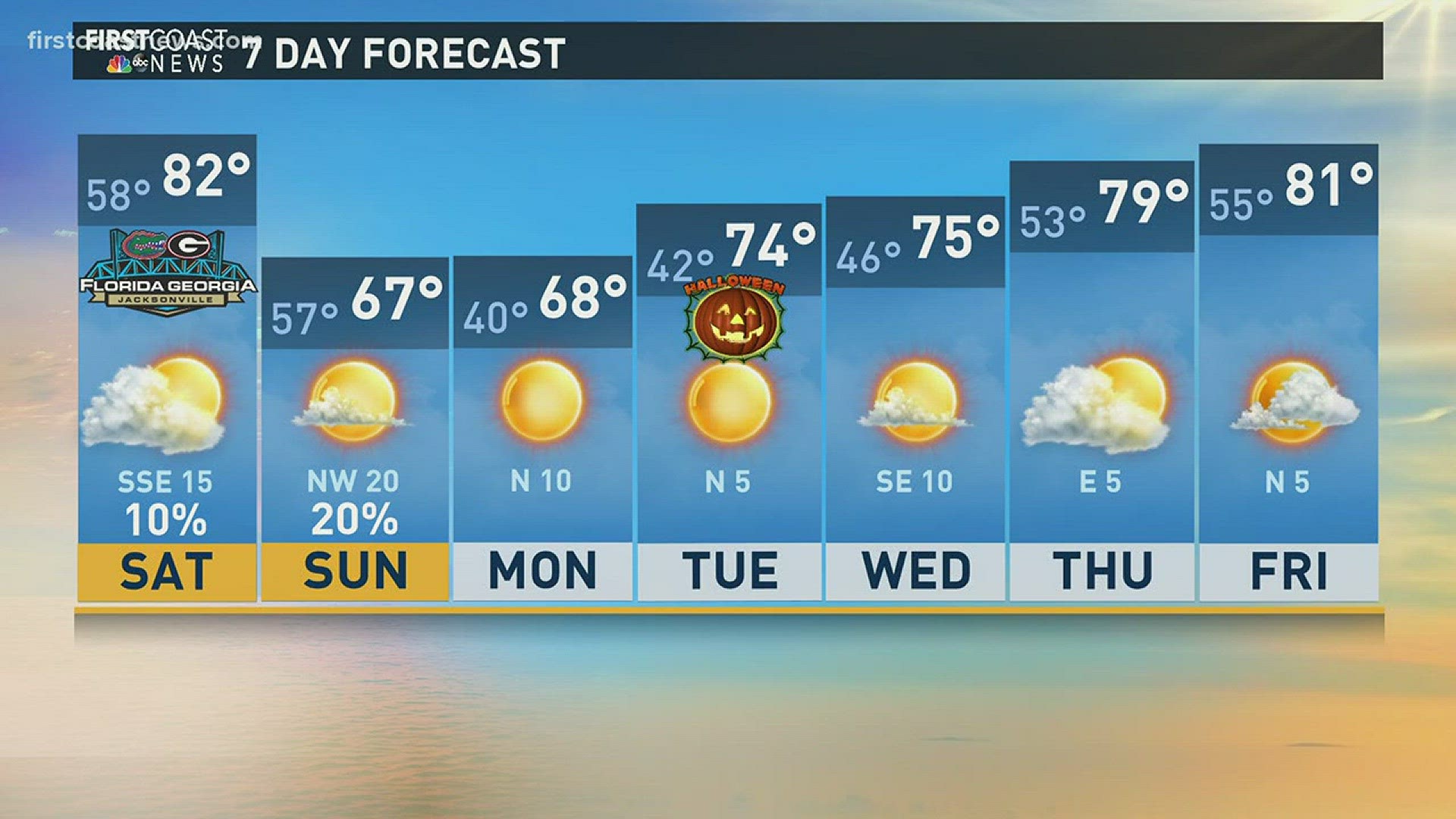
This guide will navigate the nuances of Jacksonville’s weather through the lens of travel, helping you prepare for an unforgettable visit, whether you’re planning for tomorrow or months in advance. We’ll explore how different seasons influence activities, what to pack, and how to make the most of your time in this dynamic Southern gem, ensuring that irrespective of the immediate forecast, your travel experience is nothing short of exceptional.
Understanding Jacksonville’s Climate: A Traveler’s Overview
Jacksonville’s climate is a significant factor in planning any trip to the region. Its subtropical nature provides a generally warm and inviting atmosphere for much of the year, but each season presents unique weather patterns that savvy travelers should understand. From sun-drenched beaches to cooler, crisp evenings, the weather directly influences the types of activities and experiences available, making seasonal awareness paramount for an optimized itinerary.
Sunny Shores and Warm Breezes: Summer in Jacksonville (June-August)
Summer in Jacksonville is quintessential Florida—hot, humid, and frequently punctuated by afternoon thunderstorms. Average daily temperatures typically range from the high 80s to low 90s Fahrenheit (around 30-34°C), with humidity levels often making it feel warmer. These months are perfect for visitors whose primary goal is to soak up the sun and enjoy the Atlantic Ocean’s refreshing waters. The beaches, such as Jacksonville Beach, Neptune Beach, and Atlantic Beach, become vibrant hubs of activity, ideal for swimming, surfing, and paddleboarding.
However, travelers must be prepared for the daily rhythm of summer showers. These typically short, intense downpours often arrive in the late afternoon, clearing up just as quickly as they started, leaving behind a refreshed landscape and sometimes a spectacular sunset. Indoor attractions, such as the Cummer Museum of Art & Gardens or the Museum of Science & History (MOSH), offer excellent refuge during these periods. Travel tips for summer include staying well-hydrated, planning outdoor activities for the cooler mornings or evenings, and always having light rain gear or an umbrella handy. Sunscreen, wide-brimmed hats, and lightweight, breathable clothing are absolute essentials.
Mild Marvels: Fall’s Gentle Embrace (September-November)
As summer transitions into fall, Jacksonville experiences a welcome shift towards milder temperatures and decreasing humidity, creating some of the most pleasant travel conditions of the year. While early fall (September) can still retain some summer warmth and hurricane season considerations remain pertinent, October and November typically bring average temperatures in the 60s and 70s Fahrenheit (15-25°C). The oppressive humidity subsides, and the air becomes crisper, especially in the mornings and evenings.
This season is ideal for outdoor exploration. Golf courses flourish, offering excellent conditions for a round. Parks like Kathryn Abbey Hanna Park or the numerous trails along the St. Johns River become more inviting for hiking and biking. Fall also marks the beginning of many local festivals and outdoor events, taking advantage of the comfortable weather. While the risk of tropical storms and hurricanes diminishes significantly by late October, travelers planning trips in early fall should monitor weather advisories closely. Packing layers is advisable, as mornings can be cool, warming up considerably by midday.
Winter Warmth: Escaping the Chill (December-February)
Winter in Jacksonville is a delightful escape for those fleeing colder northern climates. While brief cold snaps can occur, characterized by temperatures dipping into the 40s or occasional 30s Fahrenheit (4-10°C), the overall season is remarkably mild. Average daytime temperatures hover in the 60s Fahrenheit (15-20°C), with plenty of sunshine and significantly less rainfall than the summer months. This period is a prime time for outdoor activities that might be less comfortable in the summer heat.
Visitors can enjoy leisurely strolls along the uncrowded beaches, explore historic neighborhoods like San Marco or Riverside, or visit attractions like the Jacksonville Zoo and Gardens without the intense sun. Cultural events, holiday light displays, and sporting events are also popular during these cooler months. Travelers should pack layers, including a medium-weight jacket or sweater for evenings and cooler days, but generally, heavy winter wear is unnecessary. This season offers a peaceful, comfortable way to experience Jacksonville’s outdoor beauty and cultural offerings.
Spring’s Awakening: Perfect for Exploration (March-May)
Spring in Jacksonville is characterized by generally pleasant temperatures, blooming flora, and steadily increasing warmth and humidity as May approaches. March and April are often considered peak travel times due to their near-perfect weather, with average temperatures in the 70s Fahrenheit (21-26°C) and comfortable humidity levels. This period sees the city’s parks and gardens burst into life, offering stunning backdrops for photography and outdoor relaxation.
Spring is an excellent time for exploring everything from the Timucuan Ecological and Historic Preserve to taking river cruises on the St. Johns River. The pleasant conditions are also conducive to enjoying outdoor dining experiences and attending spring festivals. As May arrives, temperatures climb into the 80s, and the humidity begins to ramp up, signaling the approach of summer. Travelers visiting in spring should pack versatile clothing, including light layers, comfortable walking shoes, and be prepared for warmer conditions towards the end of the season. Booking accommodations and popular tours in advance is recommended, especially around Spring Break periods.
Preparing for Your Jacksonville Journey: Packing & Planning Essentials
Successful travel hinges not just on knowing the weather, but on preparing for it. In Jacksonville, where each season brings its own climatic personality, thoughtful packing and activity planning are key to an enjoyable and comfortable trip.
What to Pack for Each Season
Your suitcase contents will vary significantly depending on when you visit Jacksonville.
- Summer (June-August): Focus on lightweight, breathable fabrics like cotton and linen. Swimwear is essential. Don’t forget a wide-brimmed hat, sunglasses, high-SPF sunscreen, and insect repellent, especially for evenings or trips into natural areas. A small, packable umbrella or rain jacket is a must for afternoon showers. Comfortable sandals or water shoes are practical choices.
- Fall (September-November): Layers are your best friend. Start with short-sleeved shirts, add light sweaters or cardigans, and include a light to medium-weight jacket for cooler evenings. Comfortable walking shoes are crucial for exploring. If visiting early fall, keep swimwear handy; for late fall, consider slightly warmer attire for evenings.
- Winter (December-February): While generally mild, mornings and evenings can be cool. Pack long-sleeved shirts, sweaters, and a medium-weight jacket or coat. Jeans or slacks are more common than shorts. Comfortable closed-toe shoes are recommended. You might even consider a scarf or light gloves if you’re particularly sensitive to cold, especially if planning early morning outdoor activities.
- Spring (March-May): Similar to fall, versatility is key. Light layers are perfect: t-shirts, light long-sleeved tops, and a sweater or light jacket for evenings. Comfortable shoes for walking are indispensable. As May approaches, you’ll lean more towards summer packing, with swimwear and sun protection becoming more relevant.

Navigating Weather-Dependent Activities
Jacksonville boasts an array of attractions, many of which are best enjoyed under specific weather conditions.
- Beach days: Always check the UV index and local beach advisories, including rip current warnings. In summer, aim for morning visits to beat the midday heat and afternoon thunderstorms. In fall and spring, conditions are often ideal for prolonged beach relaxation. Winter offers peaceful, brisk beach walks.
- Outdoor adventures: For attractions like the Jacksonville Zoo and Gardens or exploring trails at Kathryn Abbey Hanna Park, consider the time of day. In summer, early mornings or late afternoons are preferable. In cooler seasons, you have more flexibility. Always bring water, especially for longer excursions.
- Indoor alternatives: Have a backup plan for unexpected rain or extreme heat. Jacksonville offers excellent indoor options, including the Cummer Museum of Art & Gardens, the Museum of Science & History (MOSH), or browsing the shops and galleries in areas like Avondale and Five Points. This ensures your trip remains enjoyable regardless of what the skies bring.
Real-time Weather Resources for Travelers
While understanding seasonal patterns is crucial for planning, checking the real-time forecast is indispensable for daily travel decisions. Being informed allows for last-minute adjustments to your itinerary, ensuring comfort and safety.
Checking the Forecast for Jacksonville, Florida
Before and during your trip, utilize reliable weather resources. Most major weather websites and apps provide detailed forecasts for Jacksonville, Florida, offering:
- Hourly forecasts: Ideal for planning activities within the day, helping you decide if an afternoon thunderstorm will impact your outdoor plans.
- Daily forecasts: Provides an overview of temperatures, precipitation chances, wind speeds, and UV index for the next 5-7 days, useful for packing and general planning.
- Radar maps: These are particularly useful during summer to track incoming rain showers and determine their duration and intensity.
- Extended forecasts: While less precise, these can give a general idea of trends for up to 10-14 days, useful for last-minute trip adjustments.
Focus on reputable sources to ensure accuracy. Pay attention not just to temperature, but also to “feels like” temperatures, which factor in humidity and wind chill, providing a more realistic sense of comfort.
Weather Alerts and Safety
Jacksonville is located in a region susceptible to certain weather phenomena, particularly during specific seasons.
- Hurricane Season (June 1 – November 30): While direct hits are not frequent, the potential exists, especially from August to October. Travelers planning trips during this period should stay vigilant and monitor official hurricane forecasts and alerts. Most hotels and local authorities provide guidance in such events.
- Severe Thunderstorms: These can occur year-round, but are most common in summer. They can bring heavy rain, lightning, strong winds, and sometimes hail. If outdoor plans are impacted, seek shelter indoors until the storm passes.
- Heat Advisories: During peak summer months, heat advisories may be issued. Heed these warnings by limiting strenuous outdoor activities during the hottest parts of the day, staying hydrated, and seeking air-conditioned environments.
Local news channels and emergency management websites are excellent resources for real-time alerts and safety information. Staying informed allows you to adapt quickly and ensure your safety and enjoyment throughout your visit.
Beyond Today’s Forecast: Tailoring Your Jacksonville Experience
A successful trip to Jacksonville transcends merely knowing “today’s” weather; it’s about embracing the possibilities each season offers and planning for flexibility.
Seasonal Events and Weather Compatibility
Jacksonville’s calendar is dotted with events designed to complement its seasonal weather.
- Summer: Despite the heat, summer evenings come alive with outdoor concerts, fireworks displays (especially around the 4th of July), and riverfront activities. Many indoor venues also host events, offering a cool retreat.
- Fall: This is prime festival season. The cooler, drier air is perfect for outdoor art shows, food and wine festivals, and events celebrating local culture. The Jacksonville Jazz Festival, for instance, often takes advantage of the spring or fall mild weather.
- Winter: Holiday boat parades on the St. Johns River, festive light displays, and numerous indoor performances provide a cozy yet vibrant atmosphere. It’s also a great time for exploring historical sites without the summer crowds or heat.
- Spring: With comfortable temperatures and blossoming landscapes, spring is ideal for garden tours, outdoor markets, and sporting events. Many charity runs and walks also take place during this season.
Checking the local events calendar in conjunction with the seasonal weather outlook allows travelers to align their visit with experiences that truly thrive in that specific climate.
Making the Most of Any Weather
Ultimately, a flexible mindset is a traveler’s greatest asset. While you can plan extensively, Mother Nature often has her own agenda.
- Embrace the rain: A rainy day doesn’t have to be a washout. Use it as an opportunity to delve into Jacksonville’s rich cultural scene. Visit a museum, explore the shops in Riverside or San Marco, catch a movie, or enjoy a long, leisurely meal at one of the city’s acclaimed restaurants.
- Beat the heat: On scorching summer days, prioritize indoor activities during peak sun hours. Seek out attractions with air conditioning, spend time at the beach early or late, or cool off with water sports like kayaking on the Intracoastal Waterway.
- Layer for comfort: Even on a “cold” day in Jacksonville, the sun can still be warm. Dressing in layers allows you to adjust to temperature fluctuations throughout the day, ensuring comfort whether you’re indoors or out.
The beauty of Jacksonville lies in its ability to offer diverse experiences across all seasons. By understanding its climate and preparing accordingly, travelers can ensure that “today’s” weather forecast, whatever it may be, only enhances their exploration of this dynamic Florida city. Whether you’re chasing the sun, seeking mild breezes, or embracing a cozy winter day, Jacksonville welcomes you with open arms and a unique blend of natural beauty and urban charm.
LifeOutOfTheBox is a participant in the Amazon Services LLC Associates Program, an affiliate advertising program designed to provide a means for sites to earn advertising fees by advertising and linking to Amazon.com. Amazon, the Amazon logo, AmazonSupply, and the AmazonSupply logo are trademarks of Amazon.com, Inc. or its affiliates. As an Amazon Associate we earn affiliate commissions from qualifying purchases.