
Florida, a state synonymous with sun-drenched beaches, vibrant theme parks, and a thriving tourism industry, also faces a significant and ever-present threat: hurricanes and the subsequent flooding. For travelers and property owners alike, understanding flood insurance is not merely a matter of financial prudence but a critical component of responsible planning. While many assume their standard homeowner’s or renter’s insurance policies offer comprehensive flood protection, this is rarely the case. Flood insurance operates as a separate policy, often essential for those visiting or residing in the Sunshine State, to safeguard against potentially devastating losses.
This guide delves into the intricacies of flood insurance in Florida, dissecting what it typically covers, what it excludes, and why it is particularly vital for the millions who visit and call this state home. Whether you’re planning a stay at a Miami resort, a family vacation to Orlando theme parks, or investing in a vacation home on the Gulf Coast, understanding this protective measure can mean the difference between a minor inconvenience and a catastrophic financial setback.
Understanding the Basics: What is Flood Insurance?
Flood insurance is a specialized policy designed to protect property owners from losses and damage caused by flooding. In the United States, the primary provider of flood insurance is the National Flood Insurance Program (NFIP), administered by the Federal Emergency Management Agency (FEMA). While private flood insurance options are becoming more prevalent, the NFIP remains the backbone of flood coverage for most individuals.
Why is it Separate from Standard Insurance?
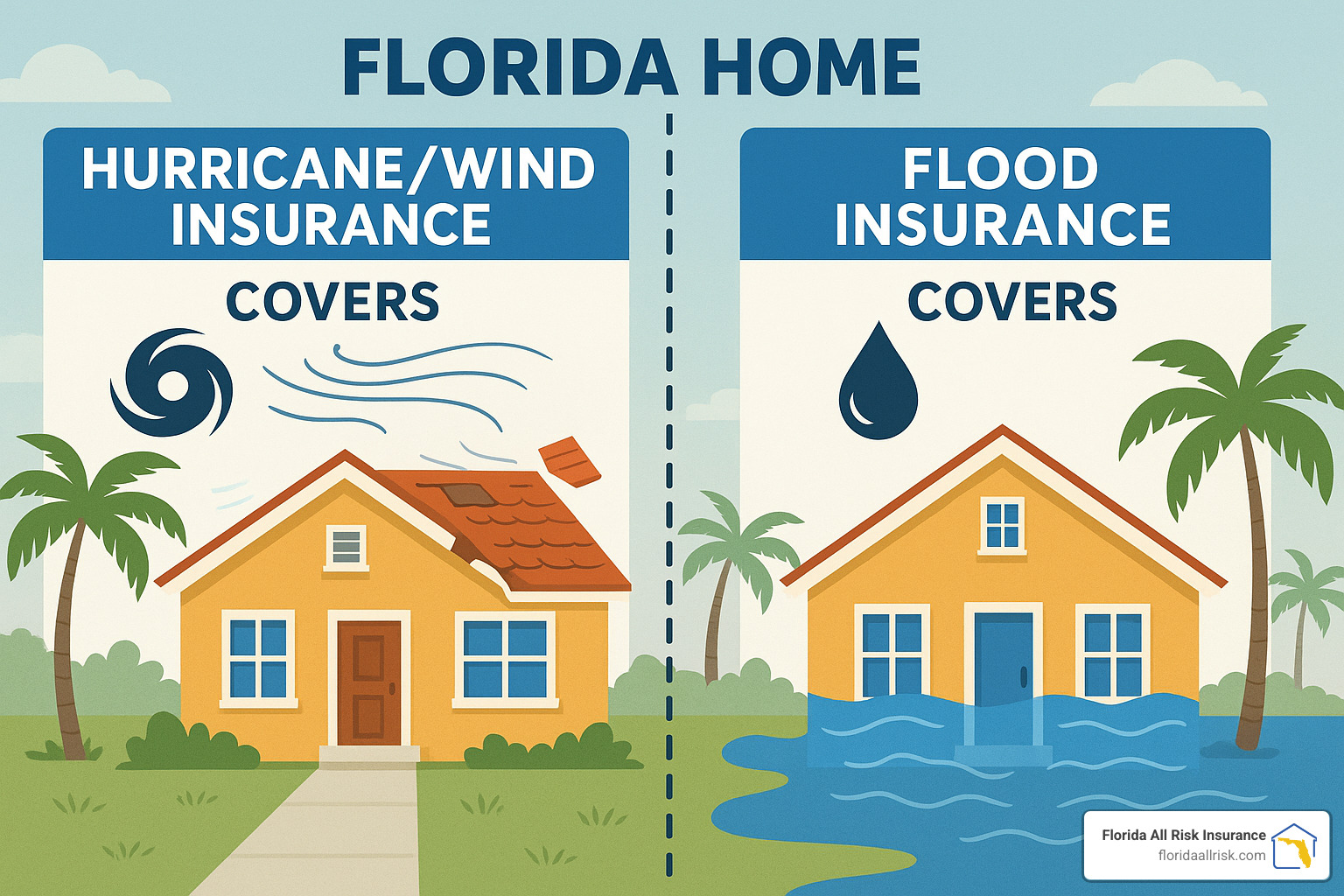
Standard homeowner’s insurance policies, and by extension, many renter’s and condo insurance policies, are designed to cover perils such as fire, wind damage (though often with specific hurricane deductibles in Florida), theft, and liability. Flooding, defined as a general and temporary condition of partial or complete inundation of normally dry land by water, is typically excluded. This exclusion stems from the widespread and predictable nature of flooding in certain areas, which would make offering it under standard policies financially unviable. Flood insurance is therefore sold as a standalone product, allowing insurers to accurately assess and price the risk associated with flood-prone regions.
Florida’s Unique Vulnerability
Florida is notoriously susceptible to flooding due to its low-lying topography, extensive coastline, and frequent tropical storm and hurricane activity. Coastal areas are vulnerable to storm surge, while inland regions can experience severe flooding from heavy rainfall and overflowing rivers or drainage systems. Even seemingly minor storms can dump significant amounts of rain, overwhelming drainage infrastructure and leading to widespread inundation, particularly in densely populated areas like Tampa or Fort Lauderdale. This inherent risk makes flood insurance a critical consideration for anyone with property or a significant interest in the state.
What Does Flood Insurance Typically Cover?
Flood insurance policies, especially those through the NFIP, are structured to provide coverage for two main areas: the building itself and its contents. The specific limits and types of coverage will depend on the policy purchased, but the general scope is as follows.
Building Coverage
This aspect of flood insurance is designed to repair or replace the physical structure of your property. It typically includes:
- The building’s foundation: This encompasses the basement, slab, crawl space, and pilings.
- Structural components: This covers walls, ceilings, floors, load-bearing beams, and other essential structural elements.
- Electrical and plumbing systems: Damage to wiring, circuits, water heaters, and pipes is generally included.
- HVAC systems: Central air conditioning units, furnaces, and ductwork are often covered.
- Built-in appliances: Such as dishwashers, ovens, and refrigerators permanently attached to the building.
- Permanently installed carpeting: Wall-to-wall carpeting that is installed and adhered to the floor.
- Minimum necessary egress/ingress: The doors and windows that provide access to the building.
- Debris removal: The cost to remove flood-damaged debris from the property.
NFIP policies offer two levels of building coverage:
- Dwelling Coverage: This covers the main residential structure and its foundation.
- Other Structures Coverage: This applies to separate structures on the property, such as detached garages, sheds, or gazebos. This coverage is typically limited to 10% of the Dwelling Coverage.
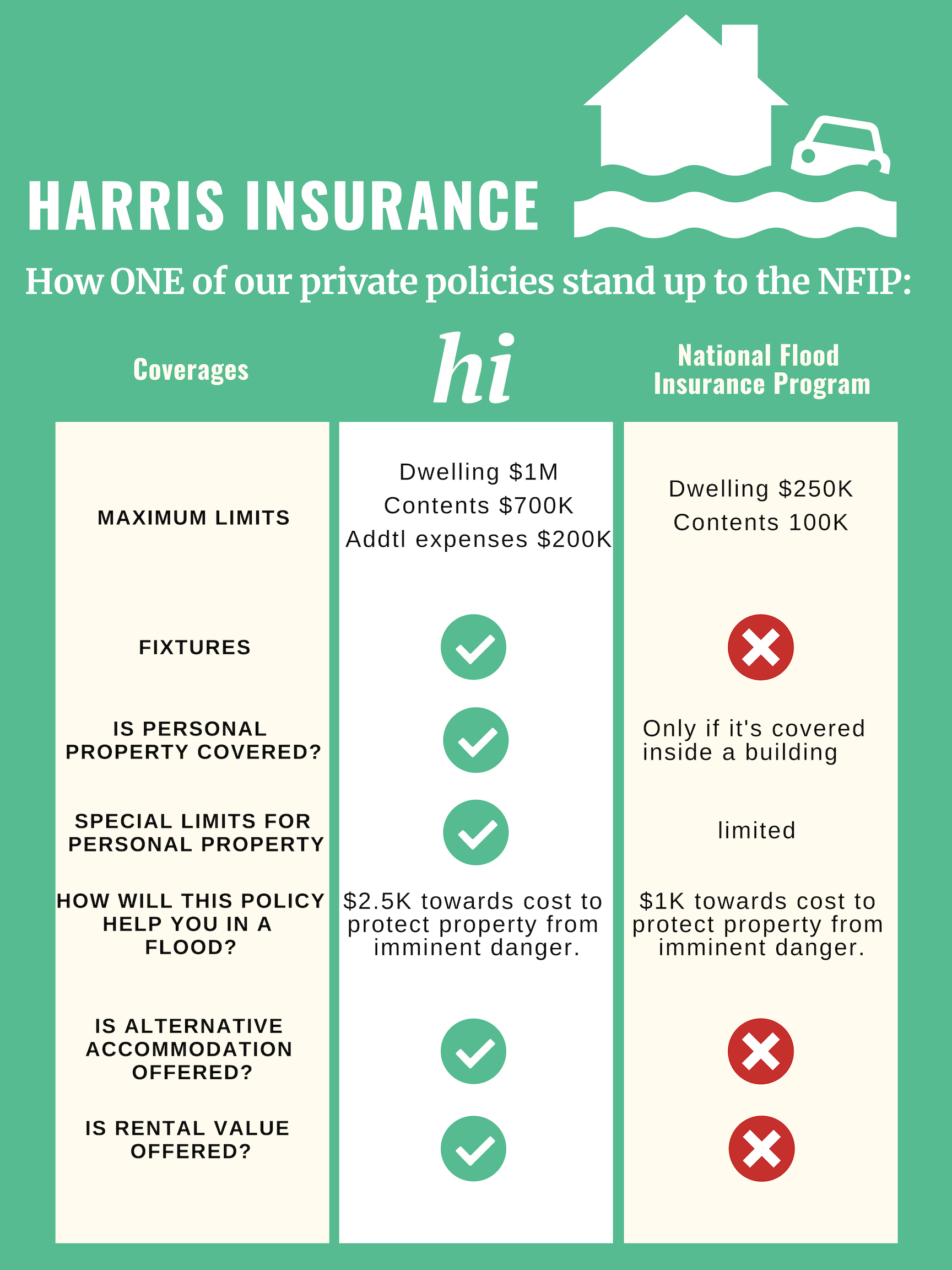
Maximum Coverage Limits: Under the NFIP, the maximum Dwelling Coverage for a residential building is $250,000. For “Other Structures,” the maximum is $100,000. For commercial properties, these limits are higher.
Contents Coverage
This part of the policy covers your personal belongings within the insured building. It is crucial to understand that building coverage and contents coverage are separate and must be purchased individually.
- Furniture: Sofas, chairs, tables, beds, and other movable furniture.
- Appliances: Washers, dryers, refrigerators, and stoves that are not permanently installed.
- Electronics: Televisions, computers, and other personal electronic devices.
- Clothing and personal effects: Items like clothes, linens, and personal accessories.
- Portable air conditioners: Units that are not part of the central HVAC system.
- Valuable items: Up to a certain limit, items such as artwork and jewelry may be covered, though higher limits often require separate riders or specialized insurance.
- Curtains and blinds: Window treatments that are not built-in.
Maximum Coverage Limits: For contents coverage, the NFIP offers a maximum of $100,000 per policy.
It’s important to note that flood insurance typically covers damage from surface water, storm surge, and overflow of inland or tidal waters. It also covers damage from the unusual and rapid accumulation or runoff of surface waters from any source.
What Flood Insurance Typically Excludes
While flood insurance provides a crucial safety net, it’s equally important to be aware of its limitations and what it does not cover. Understanding these exclusions can help prevent unexpected gaps in protection.
Non-Covered Items and Causes
- Damage from mold, mildew, and moisture: Unless these are a direct result of flood damage, they are generally not covered.
- Loss of use or additional living expenses: Flood insurance does not typically cover the cost of living elsewhere while your home is being repaired, unlike some standard homeowner’s policies that cover temporary relocation due to covered perils.
- Damage from water backup or sump pump overflow: This specific type of water damage is usually excluded and requires a separate endorsement or policy.
- Damage to land, landscaping, swimming pools, and fences: These outdoor features are typically not covered.
- Vehicles: Damage to cars, boats, and other vehicles due to flooding is generally covered by comprehensive auto insurance, not flood insurance.
- Financial losses: This includes loss of income, business interruption, or other indirect financial impacts.
- Damage from conditions that are not considered “flooding”: This can include seepage, dampness, or condensation.
- Deductions for depreciation: NFIP policies typically cover losses on a Replacement Cost Value (RCV) basis for the building and Actual Cash Value (ACV) for contents, but depreciation may still apply to certain items or conditions.
What Constitutes “Flood” for Insurance Purposes
The definition of “flood” is critical. It generally refers to:
- A general and temporary condition of partial or complete inundation of normally dry land in two or more acres or two or more properties.
- The inundation can be caused by the overflow of inland or tidal waters, unusual and rapid accumulation or runoff of surface waters from any source, or mudflow.
This means that a leaky pipe in your Miami condo or water seeping into your basement during a typical rainstorm might not qualify as a “flood” under the policy. The inundation must be a more widespread and general event.
Navigating Policy Options and Making Informed Decisions
For residents and visitors in Florida, choosing the right flood insurance policy involves understanding the various options available and making informed decisions based on individual needs and risk factors.
NFIP vs. Private Flood Insurance
- NFIP Policies: These are standardized policies with set coverage limits and premiums determined by FEMA based on flood zone maps, building characteristics, and elevation. They are widely available through insurance agents who are licensed to sell NFIP policies.
- Private Flood Insurance: This market has grown in recent years, offering more flexible coverage options, potentially higher limits, and sometimes different pricing structures. Private policies can be beneficial for those seeking coverage beyond NFIP limits or for properties in areas where NFIP coverage may be limited. However, availability and pricing can vary significantly.
Key Factors to Consider
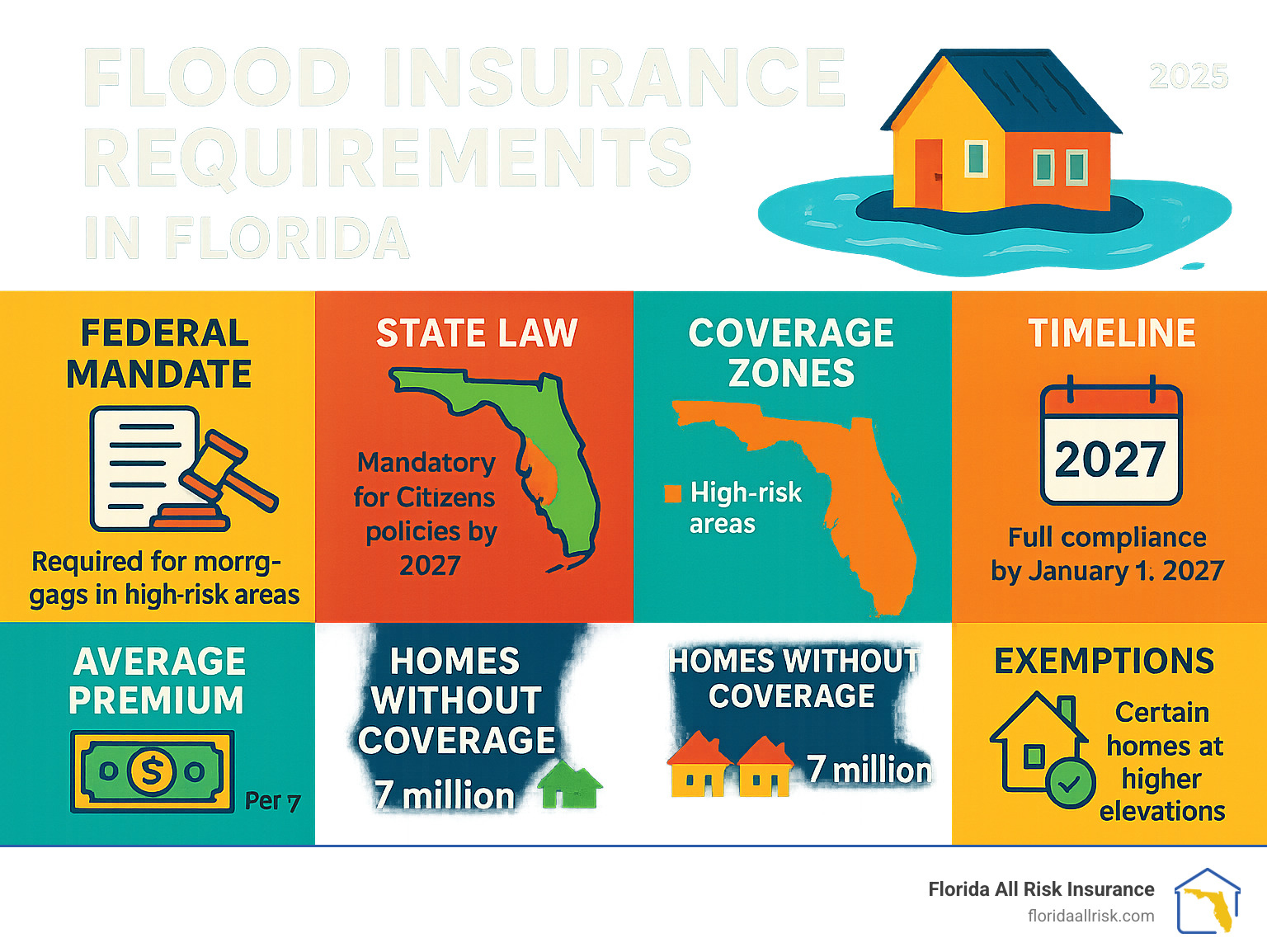
- Flood Zone Designation: Florida has numerous flood zones mapped by FEMA. High-risk zones (e.g., Zone A or V) have a 26% chance of flooding during a 30-year mortgage, making flood insurance mandatory for properties with federally backed mortgages. Even in moderate- or low-risk areas, flooding can and does occur, so insurance is still advisable.
- Elevation Certificate: For properties in flood-prone areas, an elevation certificate, prepared by a licensed surveyor, is crucial for determining flood insurance premiums. It measures the elevation of the lowest floor of the building relative to the base flood elevation.
- Policy Limits: Assess the value of your building and its contents. Ensure the coverage limits you choose are sufficient to rebuild or replace your property. If your home’s value exceeds the NFIP limits, you will need to consider private flood insurance or a combination of both.
- Deductibles: Like other insurance policies, flood insurance policies have deductibles. A higher deductible will lower your premium but increase your out-of-pocket expenses in the event of a claim. Choose a deductible you can comfortably afford.
- Waiting Periods: NFIP policies generally have a 30-day waiting period before coverage becomes effective, although there are exceptions, such as for new mortgage closings. Private policies may have shorter waiting periods, but it’s essential to confirm this.
Essential Tips for Florida Visitors and Residents
Whether you’re booking a luxury villa in the Florida Keys or planning a business trip to Jacksonville, understanding flood insurance has practical implications.
For Travelers
- Vacation Rentals: If you are renting a condo, villa, or vacation home, inquire about flood insurance. While the property owner might have it, it typically covers the structure, not your personal belongings. Consider if your travel insurance policy offers any coverage for property damage or loss during your stay.
- Travel Insurance: Review your travel insurance policy carefully. While it may cover trip cancellations or medical emergencies, it’s unlikely to cover significant property damage from flooding unless specifically added as an endorsement.
- Awareness of Risk: Be aware of the flood risk of your chosen destination, especially if traveling during hurricane season. Check local advisories and be prepared to evacuate if necessary.
For Residents and Property Owners
- Mandatory Coverage: If you have a mortgage from a federally regulated or insured lender, and your property is in a high-risk flood zone, flood insurance is likely mandatory.
- Review Your Policy Annually: Flood maps and insurance needs can change. It’s wise to review your policy with your insurance agent each year to ensure it still meets your needs.
- Document Your Belongings: Before a flood event, take photos and videos of your home and its contents. Maintain an inventory of valuable items, including serial numbers and receipts. This documentation will be invaluable if you need to file a claim.
- Elevate Valuables: In flood-prone areas, consider storing valuable items, electronics, and important documents on higher floors or in waterproof containers.
- Understand Your Deductible: Know your deductible amount before a flood occurs. This will help you understand your financial exposure in the event of a claim.
By taking the time to understand what flood insurance covers, what it excludes, and how to navigate the available options, both visitors and residents of Florida can better protect themselves from the financial devastation that flooding can bring. This proactive approach ensures that the beauty and allure of the Sunshine State can be enjoyed with greater peace of mind.
LifeOutOfTheBox is a participant in the Amazon Services LLC Associates Program, an affiliate advertising program designed to provide a means for sites to earn advertising fees by advertising and linking to Amazon.com. Amazon, the Amazon logo, AmazonSupply, and the AmazonSupply logo are trademarks of Amazon.com, Inc. or its affiliates. As an Amazon Associate we earn affiliate commissions from qualifying purchases.