
Florida, often celebrated for its sun-kissed beaches, vibrant cities, and theme park thrills, harbors a profound natural spectacle that draws visitors from across the globe: the annual sea turtle nesting season. This remarkable period transforms the state’s coastlines into crucial nurseries for several species of endangered and threatened sea turtles, offering a unique opportunity for travelers to witness a primal ritual of life. Understanding when these majestic creatures come ashore to lay their eggs is paramount for anyone planning a visit centered around this incredible natural event, enabling responsible and enriching eco-tourism experiences.

Planning a trip to coincide with this delicate yet awe-inspiring cycle requires careful consideration of timing, location, and respectful engagement. From the first nest of a massive leatherback to the frantic scurry of tiny hatchlings making their dash for the ocean, Florida’s beaches become a stage for survival and renewal. This guide delves into the specifics of the nesting calendar, highlights prime viewing spots, and outlines how travelers can contribute to the conservation of these ancient mariners.
The Phenomenon of Florida’s Sea Turtle Nesting Season
The allure of Florida’s coastline extends far beyond its recreational appeal. Each year, between spring and fall, millions of years of evolutionary instinct compel female sea turtles to return to the very beaches where they were born to lay their own clutches of eggs. This annual migration and nesting ritual is one of nature’s most enduring wonders, making Florida an unparalleled destination for wildlife enthusiasts and conservation-minded travelers.
Understanding the Annual Cycle
The sea turtle nesting season in Florida typically runs from March 1st through October 31st, though the precise peak varies by species. During this window, mature female turtles emerge from the ocean, painstakingly crawl above the high-tide line, dig a deep chamber with their powerful hind flippers, deposit anywhere from 50 to 200 soft-shelled eggs, cover the nest, and then return to the sea. They may repeat this process multiple times within a season, usually every two weeks, before heading back to their foraging grounds.
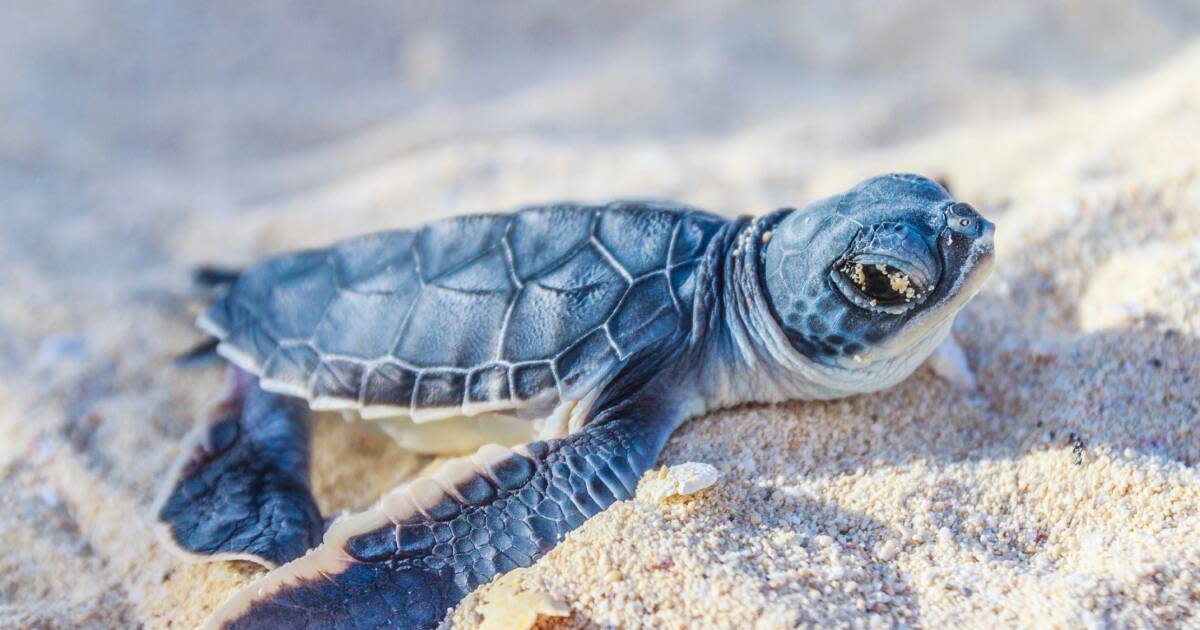
Approximately 60 days later, the miracle of hatching begins. Tiny hatchlings, no bigger than a human palm, burst forth from their sandy incubators, instinctively digging their way to the surface. Under the cloak of darkness, they embark on a perilous journey across the sand to the ocean, guided by the natural light of the moon and stars reflecting off the water. This entire cycle, from nesting to hatching, is a testament to resilience and an incredible sight for those fortunate enough to witness it.
The Importance of Florida’s Beaches
Florida is globally significant for sea turtle nesting. It hosts the largest nesting aggregation of loggerhead sea turtles in the Western Hemisphere and is a critical nesting ground for green and leatherback sea turtles. The state’s extensive sandy beaches, particularly along the Atlantic coast, provide the ideal warm, soft sand conditions necessary for successful incubation. The sheer volume of nesting activity underscores the critical role Florida plays in the survival of these endangered species, making it a pivotal destination for ecological travel. Protecting these nesting habitats is not just a local endeavor; it’s a global imperative that conscientious travelers can support through responsible visitation.
Prime Nesting Times and Species in Florida
While the general nesting season spans several months, specific species adhere to their own unique timelines, influencing when and where travelers might best observe them. Understanding these distinctions is key to planning a successful sea turtle eco-adventure.
Key Nesting Months: A Species-by-Species Guide
Three primary species regularly nest on Florida’s beaches, with two others making rarer appearances.
Loggerheads (Caretta caretta)
Loggerheads are by far the most common nesters in Florida, accounting for approximately 90% of all nests in the state. Their nesting season typically runs from late April through early September, peaking in June and July. These medium-sized turtles, identifiable by their large heads and powerful jaws, prefer the soft, dry sand of dune fronts. Their sheer numbers make them the most likely species for visitors to encounter, whether through guided tours or by observing tracks on morning beach walks.
Green Turtles (Chelonia mydas)
Green turtles, named for the greenish hue of their fat, are the second most common nesters in Florida. Their nesting season usually begins in May and extends through late September, with peak activity occurring in July and August. Green turtles prefer beaches with a good vegetative cover behind the dune line and are known for their larger clutch sizes. Their nesting is often cyclical, with peak years occurring every two to four years, making some seasons more prolific than others for sightings.
Leatherbacks (Dermochelys coriacea)
The largest of all sea turtles, leatherbacks are truly magnificent creatures, distinguished by their leathery, ridged shell instead of a hard one. They are the earliest nesters, with their season running from March through July, peaking in April and May. Though fewer in number compared to loggerheads and green turtles, Florida is one of the most important nesting sites for this critically endangered species in the United States. Witnessing a leatherback nest is a rare and profound experience, often requiring participation in specialized guided tours due to their early season and relatively sparse distribution.
Other Rare Visitors (Kemp’s Ridley, Hawksbill)
While less common, Florida’s beaches occasionally host nests from Kemp’s Ridley and Hawksbill sea turtles. Kemp’s Ridley is the smallest and most endangered sea turtle species, primarily nesting in Mexico, but sporadic nests are found along Florida’s west coast. Hawksbill turtles, known for their beautiful, overlapping scutes, are typically found in tropical reef habitats and nest infrequently on Florida’s southeast coast and the Florida Keys. Encountering these species nesting is exceedingly rare and truly a once-in-a-lifetime event.
The Magic of Hatchling Season
The excitement doesn’t end with nesting. Approximately two months after the eggs are laid, typically from July through October, the hatchling season begins. This period offers a different, yet equally captivating, spectacle as thousands of tiny turtles emerge from their nests, often under the cover of darkness, and make their way to the sea. The peak of hatchling activity generally occurs from August to September. While organized hatchling watches are rare due to the unpredictable nature of emergence, many coastal communities offer educational programs and nocturnal walks where, with luck and patience, visitors might observe this incredible journey from a respectful distance.
Top Destinations for Sea Turtle Encounters
To maximize your chances of witnessing sea turtle nesting or hatching, strategic planning regarding location is crucial. Florida’s east coast, particularly the central and southern regions, is generally the most active.

East Coast Hotspots
The Atlantic coast of Florida is a global hotspot for sea turtle nesting, thanks to its extensive, undeveloped sandy beaches.
Melbourne Beach and the Archie Carr National Wildlife Refuge
Stretching for 20.5 miles along Florida’s east coast between Melbourne Beach and Wabasso, the Archie Carr National Wildlife Refuge is arguably the most important nesting beach for loggerhead sea turtles in the Western Hemisphere. It also hosts significant numbers of green and leatherback nests. This refuge is dedicated to sea turtle conservation, and numerous organizations in the surrounding areas offer guided turtle walks during nesting season, providing a controlled and educational viewing experience.
Canaveral National Seashore
Further north, the Canaveral National Seashore, a pristine 24-mile stretch of undeveloped barrier island, is another critical nesting ground. It consistently ranks among the top nesting sites in Florida for all three major species. The National Park Service and associated groups conduct highly popular turtle watch programs during peak season, which often require advance reservations due to high demand. The untouched nature of this area makes it an ideal, immersive location for turtle viewing.
Loggerhead Marinelife Center in Juno Beach
Located in Juno Beach, the Loggerhead Marinelife Center is a leading sea turtle research and rehabilitation facility. Beyond their vital rescue work, the center offers highly informative and engaging turtle walks during nesting season, allowing visitors to learn about and potentially observe nesting turtles in a controlled, educational environment. Their expertise and commitment to conservation make it an excellent starting point for any turtle-focused trip.
Anna Maria Island (West Coast Mention)
While the east coast is dominant, the west coast of Florida also sees nesting activity, primarily by loggerheads. Anna Maria Island, for example, has a dedicated sea turtle watch group that monitors nests and educates the public. While nesting numbers are lower, it offers a more relaxed, less crowded experience for those staying on the Gulf Coast.
Planning Your Visit: Tours and Viewing Etiquette
To witness nesting or hatching safely and respectfully, participation in a guided tour is highly recommended. Many state parks, national wildlife refuges, and non-profit organizations offer nighttime turtle walks during peak season. These tours are led by trained naturalists who ensure minimal disturbance to the turtles and provide invaluable educational insights.
Key Etiquette Tips:
- Do Not Disturb: Never touch, crowd, or shine lights on nesting turtles or hatchlings. This can disorient them and interfere with their natural processes.
- Lights Out: White artificial light is detrimental. If visiting nesting beaches at night, use red or amber LED lights only, or better yet, no lights at all. Many coastal communities enforce strict “lights out” ordinances during nesting season.
- Keep Your Distance: Observe from a significant distance (at least 30 feet) and remain quiet.
- Leave No Trace: Remove all beach furniture, toys, and trash when you leave, as these can impede nesting females or trap hatchlings. Fill in any holes dug during the day.
- Support Local Conservation: Choose accommodations and businesses that actively promote and participate in sea turtle friendly practices.
Responsible Travel: Protecting Florida’s Nesting Turtles
Traveling to Florida to experience the sea turtle nesting season is an unforgettable journey, but it comes with a profound responsibility to protect these vulnerable creatures. Sustainable tourism is not just a buzzword; it’s an active commitment that ensures these wonders endure for future generations.
Essential Guidelines for Visitors
Beyond joining guided tours, every visitor can adopt practices that support sea turtle conservation. This includes being mindful of beach lighting at hotels and rentals, respecting marked nesting areas, and understanding that these animals are federally protected. Knowledge is your most powerful tool; educating yourself and your travel companions about the threats sea turtles face, such as plastic pollution, disorientation from artificial lights, and habitat loss, makes you a more conscientious traveler. Choosing eco-certified tour operators and accommodations further amplifies your positive impact.
The Role of Conservation Efforts
Florida’s extensive network of conservation organizations, researchers, and volunteers works tirelessly to monitor nests, rescue injured turtles, and educate the public. From marking nests to avoid accidental disturbance to rehabilitating sick and injured turtles, these efforts are critical. Travelers can play a part by adhering to regulations, reporting distressed turtles or disturbed nests to authorities, and participating in citizen science initiatives if available.
Supporting Local Initiatives
Many coastal communities in Florida have local sea turtle groups that depend on donations and volunteer support. Visiting the gift shops of rehabilitation centers like the Loggerhead Marinelife Center or donating to organizations like the Sea Turtle Conservancy can directly contribute to their vital work. Opting for locally-owned businesses that demonstrate a commitment to environmental stewardship also ensures that your tourism dollars benefit the communities actively protecting these incredible marine animals.
Beyond the Nesting Season: Year-Round Sea Turtle Experiences
Even if your travel dates don’t align perfectly with the peak nesting or hatching seasons, Florida offers opportunities to connect with sea turtles year-round, enriching your understanding and appreciation for these ancient mariners.
Rescue and Rehabilitation Centers
Facilities like the Loggerhead Marinelife Center in Juno Beach, the Florida Aquarium in Tampa, and the Sea Turtle Hospital at Marathon are open to the public throughout the year. These centers provide a unique chance to see sea turtles up close, learn about their biology, the threats they face, and the incredible rehabilitation efforts underway. Visitors can often observe veterinary care, witness feeding sessions, and hear inspiring stories of successful rescues and releases. These visits offer a deep dive into sea turtle conservation and the critical role humans play in their survival.
Educational Opportunities
Many coastal museums, aquariums, and nature centers in Florida feature permanent exhibits dedicated to sea turtles and marine life. These educational venues offer interactive displays, documentaries, and expert presentations that provide comprehensive insights into the life cycle, migration patterns, and ecological importance of sea turtles. They are excellent resources for travelers looking to deepen their knowledge before, during, or after the nesting season, ensuring that a visit to Florida is not just a trip, but a journey of discovery and environmental awareness. By engaging with these resources, travelers can foster a lifelong connection to marine conservation, making every Florida adventure a purposeful one.
LifeOutOfTheBox is a participant in the Amazon Services LLC Associates Program, an affiliate advertising program designed to provide a means for sites to earn advertising fees by advertising and linking to Amazon.com. Amazon, the Amazon logo, AmazonSupply, and the AmazonSupply logo are trademarks of Amazon.com, Inc. or its affiliates. As an Amazon Associate we earn affiliate commissions from qualifying purchases.