
Embarking on a journey through the scenic landscapes, bustling cities, and iconic attractions of California is an exhilarating experience for any traveler. Whether you’re planning a coastal road trip along Highway 1, exploring the vibrant streets of Los Angeles, or venturing into the wine country of Napa Valley, understanding the local driving regulations is paramount for a smooth and worry-free adventure. One of the most frequently asked questions by visitors and new residents alike concerns a seemingly minor detail that can, in fact, have significant implications: the requirement for a front license plate.

For many drivers accustomed to a single rear license plate in their home state or country, the sight of vehicles in California sporting plates at both ends can be a point of confusion. The answer, unequivocally, is yes. California law mandates that most vehicles operated within its borders must display both a front and a rear license plate. This requirement is not merely a formality but a fundamental aspect of vehicle identification and public safety, deeply woven into the fabric of the state’s traffic enforcement and administrative systems. Understanding this regulation is crucial for anyone planning to drive in the Golden State, ensuring compliance and avoiding unnecessary complications during their travels.
Navigating California’s Roads: Understanding Vehicle Requirements
The diverse terrain and extensive road networks of California invite exploration by car, making it a premier destination for road trips. From the urban sprawl of San Francisco to the serene deserts of Palm Springs, having your vehicle properly equipped and compliant with state laws is the first step toward a seamless travel experience. The front license plate requirement stands out as a particular point of interest for many visitors, often prompting questions about its necessity and the reasoning behind it.
The Golden State’s Stance on License Plates
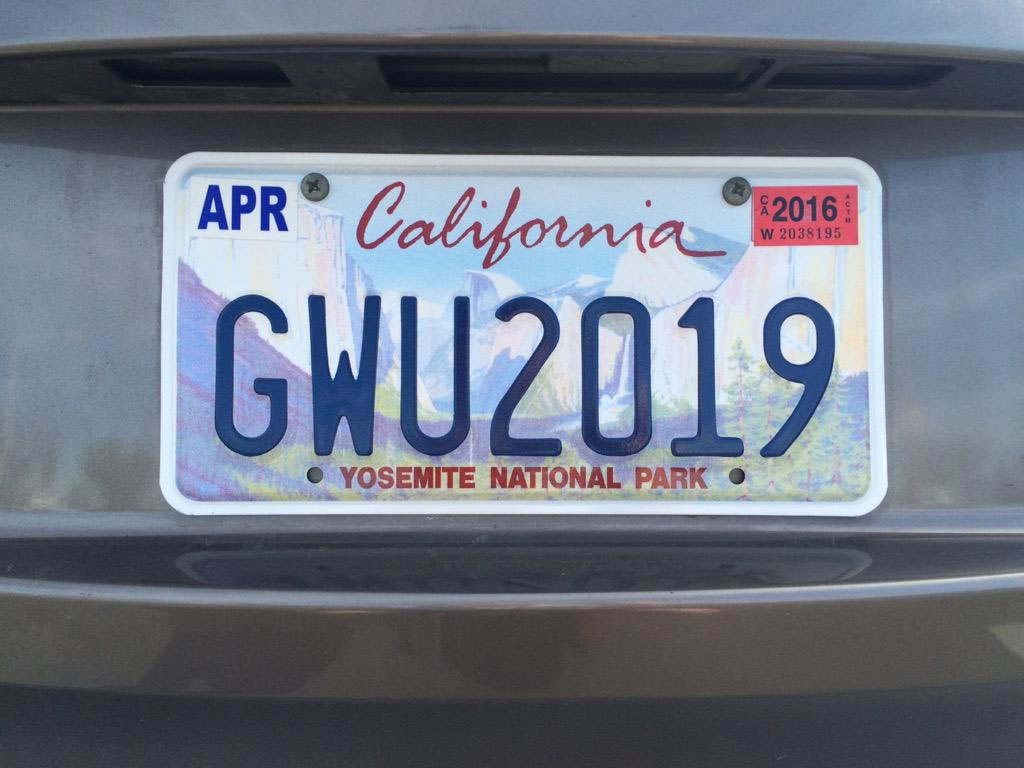
California Vehicle Code Section 5200 explicitly states: “When two license plates are issued by the department for a vehicle, they shall be attached to the vehicle for which they were issued, one in the front and one in the rear.” This clear directive leaves little room for ambiguity. The Department of Motor Vehicles (DMV) issues two plates for most registered vehicles, and both must be displayed. This regulation applies universally to passenger vehicles, commercial trucks, and most other motor vehicles operating on public roads. It’s a cornerstone of vehicle identification, ensuring that all cars can be quickly and accurately identified by law enforcement and automated systems, regardless of their orientation.
Why the Requirement? Safety, Identification, and Law Enforcement
The mandate for dual license plates in California is rooted in several practical considerations vital for public safety and effective law enforcement. Primarily, a front license plate significantly aids in vehicle identification. In situations such as hit-and-run accidents, parking violations, or traffic camera enforcement (e.g., red-light cameras, toll road monitoring), having a plate visible from the front provides an additional point of data for identification. This dual identification system enhances the ability of authorities to track and identify vehicles, contributing to greater accountability on the roads.
Moreover, the front plate acts as a crucial identifier for law enforcement officers in various scenarios. During routine patrols, it allows officers to quickly check vehicle registration against outstanding warrants or stolen vehicle databases, even when a vehicle is approaching or stationary facing them. For travelers, understanding this underlying rationale helps underscore the importance of compliance, shifting the perspective from a mere bureaucratic rule to a measure that enhances overall public safety and order.
Implications for Out-of-State Visitors
For travelers venturing into California from states where only a rear license plate is required, this particular law can be a source of confusion. Generally, vehicles properly registered in another state or country, and displaying only one license plate as mandated by their home jurisdiction, are often afforded a degree of reciprocity. This means that if your vehicle is legally registered and compliant in your home state (which only requires a rear plate), California law enforcement will typically not cite you solely for lacking a front plate.
However, this leniency is not absolute and can sometimes be subject to interpretation. It’s crucial for visitors to understand that while they might not be directly cited for an out-of-state registration issue, operating a vehicle without a front plate (if one is required by California law for California-registered vehicles) can still draw unwanted attention from law enforcement. The best practice for any traveler is to be aware of the local laws and ensure that their vehicle adheres to all requirements as closely as possible, minimizing any potential for delays or complications.
The Letter of the Law: California Vehicle Code Explained
Delving deeper into the specific statutes helps clarify the comprehensive nature of California’s license plate requirements. The Vehicle Code is an extensive document, but key sections specifically address the display and proper mounting of license plates, leaving little ambiguity for drivers.
Specific Statutes and Regulations
Beyond Vehicle Code Section 5200, other regulations dictate the manner in which license plates must be displayed. For instance, Vehicle Code Section 5201 specifies that plates must be “securely fastened to the vehicle for which they are issued so as to prevent the plates from swinging,” and “shall be maintained in a condition so as to be clearly legible.” Furthermore, they must be “clear and unobstructed” and “mounted not less than 12 inches nor more than 60 inches from the ground.” These details emphasize that simply having a plate is not enough; it must be correctly positioned and maintained.
For travelers, this means ensuring not only that both plates are present (if your vehicle is registered in California or you’re renting a California-registered car) but also that they are clean, visible, and securely attached. An obscured or improperly mounted plate, even if present, can still lead to a citation.
Exemptions and Special Circumstances
While the two-plate rule is widely applicable, California law does provide for certain limited exemptions. These are typically specific and do not generally apply to the average passenger vehicle traveler. For example, some historical vehicles, certain motorcycles, and specific types of trailers may have different requirements. Additionally, vehicles displaying temporary operating permits (often paper plates issued by dealerships for new vehicle purchases) are typically exempt from displaying permanent metal plates for a limited period, as per the conditions of the temporary permit.
However, it is crucial not to assume an exemption applies without verifying it against official DMV guidelines. For most private passenger vehicles, the expectation is that both front and rear plates will be displayed. Travelers should not rely on the rarity of these exemptions when planning their trip.
Consequences of Non-Compliance
Ignoring the front license plate requirement in California (if your vehicle is subject to it) can lead to various penalties. The most common consequence is a traffic citation, which typically carries a fine. While the base fine for a missing front license plate might seem minor, court fees, administrative charges, and mandatory “penalty assessments” can quickly escalate the total cost to hundreds of dollars. Furthermore, receiving a citation means having to deal with the legal process, which can be particularly inconvenient for travelers who are far from home.
Beyond fines, repeated non-compliance or other related vehicle code violations could potentially lead to more severe actions, though this is less common for a sole license plate offense. For travelers, the main concern should be the financial burden and the disruption to their trip that a traffic stop and subsequent citation can cause. It’s far simpler and less stressful to ensure compliance before hitting the road.
Practical Advice for Travelers and Drivers in California
Understanding the law is one thing; applying it practically is another. For those planning to drive extensively through California, especially if they are coming from a jurisdiction with different rules, a few proactive steps can save a lot of trouble.
Before You Hit the Road: Checking Your Vehicle
If you are driving your own vehicle into California and it is registered in a state that requires a front plate, ensure it is properly installed. If your home state only requires a rear plate, you are generally covered by reciprocity, but it’s still wise to be informed. If you are moving to [California](https://lifeoutofthebox.com/california] and plan to register your vehicle there, you will be issued two plates, and both must be displayed once received. Do not delay in installing them. Proactive inspection of your vehicle’s license plate status can prevent an unnecessary traffic stop.
What to Do if Your Vehicle Lacks a Front Plate Bracket
Some vehicle designs, particularly luxury or sports cars, are sold without a pre-drilled front license plate bracket, especially if they are marketed in states that do not require a front plate. If you find yourself in this situation with a California-registered vehicle, you still must comply with the law. Solutions include purchasing an aftermarket bracket, using specialized adhesive mounts that don’t require drilling, or seeking professional installation at a dealership or auto shop. While some drivers opt to place the plate on their dashboard, this is generally not compliant with the “securely fastened” and “clearly visible” requirements of the Vehicle Code and may still result in a citation. It’s always best to have it properly mounted externally.
Renting a Car in California
For many travelers, renting a car is the preferred way to explore California. Reputable car rental agencies in California will provide vehicles that are fully compliant with state laws, meaning they will already have both front and rear license plates properly installed. When picking up your rental car, a quick visual check can offer peace of mind. Ensure both plates are present, securely attached, and legible. This is one less thing to worry about, allowing you to focus on enjoying your trip.
Beyond the Plate: Other Important California Driving Laws for Travelers
While the front license plate is the specific focus here, a brief overview of other critical driving laws can significantly enhance a traveler’s safety and compliance in California. Understanding these broader regulations contributes to a responsible and enjoyable travel experience.
Seatbelt Laws and Child Safety Seats
California has strict seatbelt laws. All occupants of a vehicle, regardless of their position, must wear a seatbelt. Children must be properly secured in an appropriate child safety seat or booster seat until they are 8 years old AND are at least 4 feet 9 inches tall. This is crucial for family travelers, and rental car companies offer child seats for an additional fee if you don’t bring your own.
Hands-Free Devices and Distracted Driving
California has a “hands-free” law for cell phone use. Drivers are prohibited from holding and operating a cell phone or other mobile electronic device while driving. This means no texting, talking, or navigating with a phone in hand. Devices must be mounted or used with a hands-free accessory like Bluetooth. Distracted driving, including eating, applying makeup, or excessive fiddling with entertainment systems, can also be cited if it impairs safe operation.
Speed Limits and Traffic Enforcement
Speed limits in California are rigorously enforced, often with the assistance of radar, lidar, and even aerial patrols. Common speed limits are 65 or 70 mph on freeways, 55 mph on undivided highways, and 25-35 mph in residential and business districts. Always pay attention to posted signs, and be aware of “Basic Speed Law,” which dictates that you must never drive faster than is safe for current conditions, regardless of the posted limit.
Frequently Asked Questions About California License Plates
To round out our guide, here are answers to some common questions travelers and new residents have about California license plate requirements.
What if my car is from another state where a front plate isn’t required?
As mentioned, if your vehicle is currently registered in another state or country that legally only requires a rear license plate, you are generally covered by reciprocity. California law enforcement will typically respect your home state’s registration requirements. However, if you become a resident of California, you will eventually need to register your vehicle here and will then be subject to the two-plate rule.
Are temporary plates exempt?
Yes, temporary operating permits (often paper plates from a dealership) usually exempt a vehicle from displaying permanent metal license plates for a specified period, as indicated on the permit. Once you receive your permanent plates from the DMV, both must be affixed.

Can I get a special permit or waiver?
Waivers or special permits for the front license plate requirement are extremely rare and typically apply only to very specific types of vehicles or circumstances, not generally to passenger cars. It is not something the average driver or traveler can apply for. The safest and most compliant approach is always to adhere to the two-plate mandate if your vehicle is registered in California.
In conclusion, understanding and adhering to the front license plate requirement is a small but significant detail that contributes to a smooth and enjoyable driving experience in California. By being informed and prepared, travelers can focus on the breathtaking scenery and unforgettable experiences that the Golden State has to offer, rather than navigating traffic citations. Safe travels!
LifeOutOfTheBox is a participant in the Amazon Services LLC Associates Program, an affiliate advertising program designed to provide a means for sites to earn advertising fees by advertising and linking to Amazon.com. Amazon, the Amazon logo, AmazonSupply, and the AmazonSupply logo are trademarks of Amazon.com, Inc. or its affiliates. As an Amazon Associate we earn affiliate commissions from qualifying purchases.