
For many travelers, Florida conjures images of sun-drenched beaches, vibrant cities, and thrilling theme parks. Yet, beneath the surface of this bustling destination lies a profoundly ancient and captivating natural spectacle: the annual nesting and hatching of sea turtles. Witnessing tiny hatchlings emerge from the sand and embark on their perilous journey to the sea is an experience that transcends typical tourism, offering a profound connection to nature’s delicate rhythms. Understanding when this magical event occurs is paramount for any traveler hoping to include this extraordinary encounter in their Florida itinerary.
Florida serves as one of the most vital nesting grounds for several species of sea turtles in the United States, making it a prime destination for eco-tourists and nature enthusiasts. The beaches of the Sunshine State host thousands of nests each year, a testament to its protected coastal environment and the tireless work of conservationists. To truly appreciate and potentially witness this natural wonder, it’s essential to grasp the intricate timing of the nesting season, the incubation period, and the peak hatching windows, all of which are governed by the ancient instincts of these magnificent marine reptiles.
The Annual Turtle Nesting & Hatching Season in Florida
The grand drama of sea turtle life cycles unfolds over several months on Florida’s coastlines. The entire period, from the first nesting attempts to the last hatchlings disappearing into the waves, spans well over half the year, offering various opportunities for observation and engagement. However, pinpointing the specific time to witness the emergence of hatchlings requires a deeper understanding of this biological calendar.
Nesting Season: A Prelude to Life
The nesting season typically commences in late spring, generally starting around May 1st, although some intrepid females may make their first appearances in late April. This critical period continues through the summer, usually concluding by October 31st. During these months, female sea turtles, driven by an instinctual pull, return to the very beaches where they were born decades prior to lay their own clutches of eggs.
Florida’s sandy shores are frequented by several species of sea turtles, each with slightly different nesting patterns but sharing the common goal of perpetuating their kind. The most common visitor is the Loggerhead sea turtle, a charismatic species known for its large head and powerful jaws. They are responsible for the vast majority of nests found across the state. Joining them are the critically endangered Green Sea Turtle, which tends to prefer specific foraging grounds and nesting in higher densities on certain beaches, and the colossal Leatherback sea turtle, the largest of all sea turtles, distinguishable by its leathery shell and typically nesting earlier in the season. Less common, but still observed, are the Kemp’s Ridley and Hawksbill sea turtles.
Female turtles, often under the cloak of darkness, painstakingly crawl up the beach, dig a deep chamber with their hind flippers, and deposit anywhere from 80 to 120 soft, leathery eggs. They then meticulously cover the nest, camouflaging it before making their arduous return to the ocean. A single female may lay multiple clutches during a nesting season, returning to the beach every two weeks or so. The success of these nests hinges on the undisturbed nature of the beach, highlighting the importance of conservation efforts and respectful human interaction.
The Hatching Window: A Spectacle of Survival
Following the intense period of nesting, a new chapter begins: the incubation and eventual hatching. Sea turtle eggs typically incubate for approximately 50 to 70 days, though this duration can vary based on species and, significantly, sand temperature. Warmer sand temperatures generally lead to faster incubation times and, fascinatingly, a higher proportion of female hatchlings, while cooler temperatures result in more males.
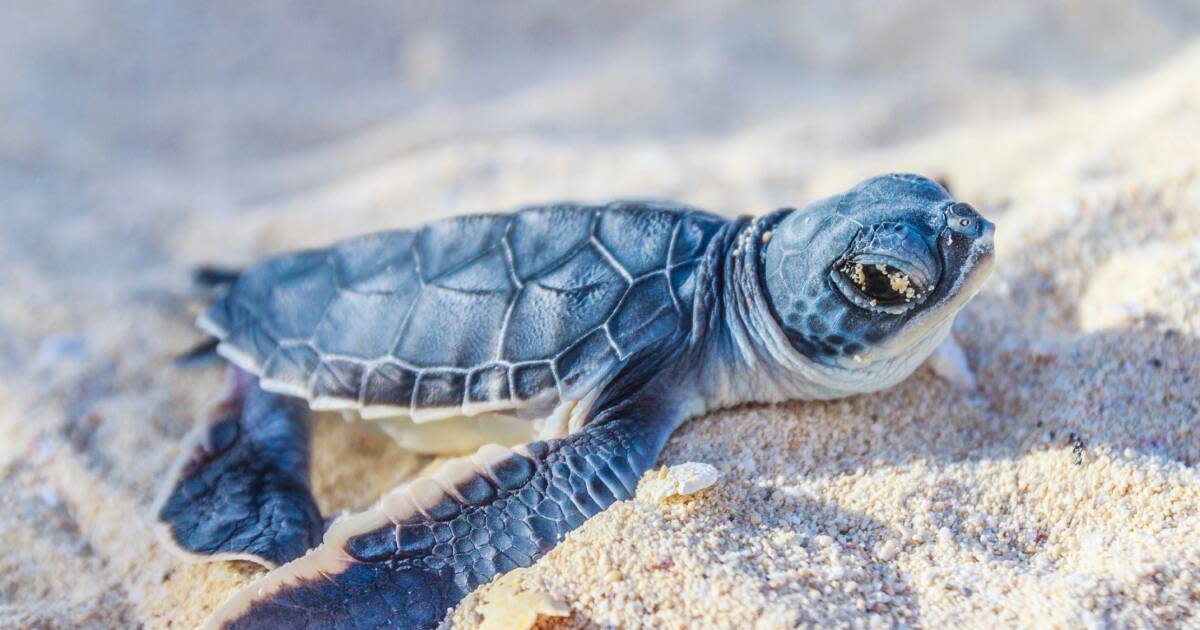
Given the May-to-October nesting season and the roughly two-month incubation period, the peak hatching activity in Florida generally falls between late July and early October. However, the true sweet spot for witnessing hatchlings is typically August and September. During these months, thousands of tiny hatchlings erupt from their sandy nurseries, usually under the cover of night, driven by an innate compass towards the brightest horizon – which, in an ideal natural setting, is the moonlit ocean.
The process itself is a miniature marvel of coordination. After emerging from their eggs, the hatchlings spend several days collectively burrowing upwards through the sand. Once they reach the surface, they make a mad dash for the ocean, a perilous journey fraught with natural predators and human-made obstacles. Their survival depends on their speed, the absence of disorienting artificial lights, and the natural contours of the beach. This epic dash, often referred to as a “frenzy,” is a raw, awe-inspiring display of the struggle for survival in the natural world.
Top Destinations in Florida for Turtle Hatching Experiences
While sea turtles nest on many of Florida’s beaches, certain areas are renowned for their high nesting densities and dedicated conservation programs, making them prime destinations for travelers hoping to witness the hatching spectacle. These locations often provide guided experiences, which are the most responsible and effective way to observe this event.
East Coast Hotspots
Florida’s Atlantic coast is particularly fertile ground for sea turtle nesting. The warm Gulf Stream currents and expansive, protected beaches create an ideal environment for these ancient mariners.
One of the most significant areas globally for Loggerhead nesting, and also home to substantial Green Sea Turtle and Leatherback activity, is the Archie Carr National Wildlife Refuge. Stretching for 20 miles from Melbourne Beach to Wabasso Beach, this refuge accounts for 25% of all Loggerhead nesting in the U.S. and is the most important nesting beach for Green Sea Turtles in North America. Guided turtle walks are immensely popular here, offering a rare glimpse into the nesting process (primarily June-July) and, if lucky, hatchling emergence in later months.
Further north, the Canaveral National Seashore, near the Kennedy Space Center, is another protected haven. Its undisturbed beaches make it a critical nesting site, and various ranger-led programs are available during nesting season.
In Juno Beach, the Loggerhead Marinelife Center is an exceptional facility dedicated to sea turtle research, rehabilitation, and education. While they primarily offer nesting walks, their interpretive center is an excellent resource for learning about the entire life cycle, and visitors can observe rehabilitated turtles before their release. Some smaller facilities and park services along the east coast, including around Fort Lauderdale and Miami, also organize limited, permitted turtle walks.
Gulf Coast Wonders
While the Atlantic coast sees higher nesting numbers, Florida’s Gulf Coast also hosts significant sea turtle activity, particularly for Loggerheads. The tranquil waters and pristine white sand beaches create a different but equally vital nesting habitat.

The barrier islands off Florida’s southwest coast, such as Sanibel Island and Captiva Island, are well-known for their natural beauty and commitment to conservation. The Sanibel-Captiva Conservation Foundation leads monitoring and protection efforts, and while public hatching walks are less common due to the delicate nature of hatchling observation, educational programs and nest monitoring activities provide valuable insights.
North of Sarasota, Anna Maria Island is another beautiful Gulf Coast destination where sea turtles, predominantly Loggerheads, come to nest. Local volunteer groups meticulously mark and monitor nests here, and the community is highly engaged in protecting these gentle giants. Travelers staying in beachfront accommodations might even observe nesting or hatching from a distance, provided they adhere to strict light discipline.
Ethical Travel: How to Witness Hatching Responsibly
The allure of witnessing sea turtle hatching is powerful, but it comes with a profound responsibility to ensure these vulnerable creatures have the best chance of survival. Ethical travel practices are not just recommended; they are crucial for the continued success of sea turtle populations.
Respecting Nature’s Delicate Balance
The journey from nest to ocean is fraught with danger for hatchlings, and human interference, even well-intentioned, can have devastating consequences. The most critical rule is no artificial white lights. Hatchlings use the brightest horizon to navigate to the sea. Artificial lights from flashlights, cell phones, or beachfront properties can disorient them, causing them to crawl inland where they succumb to exhaustion, dehydration, or predators. If you must use a light, use a red-light flashlight, which is less disruptive to sea turtles, and only if permitted by a guide.
Maintain a respectful distance from any nesting turtle or hatchlings. Never touch, crowd, or interfere with them. They are wild animals undertaking a natural process. Touching hatchlings can imprint human scent, making them more vulnerable, and can even interfere with their critical internal compass.
Before visiting the beach, especially at night, it’s vital to be aware of and adhere to local ordinances regarding beachfront lighting. Many coastal communities in Florida have strict “lights out” policies during nesting season. Additionally, remove all beach furniture, toys, and gear from the sand at night. These items can become obstacles for nesting females and emerging hatchlings. Similarly, fill in any holes and knock down sandcastles created during the day, as these can trap hatchlings.
Joining Guided Turtle Walks
By far the best and most responsible way to experience sea turtle hatching is by participating in permitted, guided turtle walks. These walks are organized by state parks, wildlife refuges, and reputable conservation organizations. Led by trained naturalists and volunteers, these tours ensure that observation occurs without disturbing the turtles. Guides are knowledgeable about turtle behavior, nesting patterns, and local regulations, providing an educational and ethical experience.
These walks are often conducted in the evening or very early morning. While seeing a live hatching cannot be guaranteed (nature is unpredictable!), guides can provide invaluable insights, show you active nests, and sometimes lead you to a nest that has recently hatched or is in the process of hatching. Booking these tours well in advance is essential, as they are extremely popular and often have limited capacities to minimize impact.
Planning Your Florida Turtle Hatching Trip
A trip to witness sea turtle hatching is a truly unique travel experience that requires thoughtful planning to maximize your chances of success and ensure a responsible visit.
Timing Your Visit for Optimal Chances
To reiterate, the peak hatching months in Florida are August and September, with activity extending into early October. If your primary goal is to see hatchlings, aim for this late summer/early fall window. If you’re also interested in witnessing a nesting female, the months of June and July are more suitable, often coinciding with guided nesting walks.
Remember that nature operates on its own schedule. While these months offer the highest probability, there are no guarantees. Be flexible with your expectations and consider that even without witnessing a live hatching, the opportunity to learn about sea turtle conservation and explore Florida’s beautiful coastal ecosystems is a reward in itself.
Essential Gear and Preparations
When preparing for your turtle-watching excursion, especially for night walks, a few items are advisable. A red-light flashlight is crucial if you’ll be on a permitted guided tour that allows it; white lights are strictly forbidden. Comfortable walking shoes are a must, as you may be walking long distances on soft sand. Insect repellent is highly recommended, especially during Florida’s humid summer nights. Bringing a reusable water bottle to stay hydrated is also a good idea. For those truly dedicated to remote observation, night vision binoculars can offer an incredible, non-intrusive way to observe activity from a safe distance, though they are an investment.
When choosing accommodations, be mindful of their proximity to nesting beaches and their adherence to light ordinances. Many hotels and resorts in critical nesting areas are “turtle friendly” and adjust their lighting to minimize impact. Inquire about these practices when booking.

Beyond the Hatchlings: Other Turtle Encounters
Even if a live hatching eludes you, Florida offers numerous ways to connect with sea turtles. Visiting a sea turtle hospital or rehabilitation center, like the Loggerhead Marinelife Center or the Clearwater Marine Aquarium, provides an intimate look at the challenges these animals face and the heroic efforts to save them. These centers often have resident turtles that cannot be released back into the wild, offering educational opportunities year-round.
Additionally, many coastal communities host educational programs, exhibits, and public awareness campaigns during nesting season. Learning about the threats to sea turtles – from plastic pollution to habitat loss – can be a powerful and enriching part of your travel experience, encouraging you to become an advocate for their protection.
In conclusion, witnessing sea turtle hatching in Florida is an unparalleled travel experience, a poignant reminder of the wonders of the natural world. By understanding the timing, selecting responsible destinations, and adhering strictly to ethical guidelines, travelers can ensure their visit contributes positively to the conservation of these magnificent creatures and leaves them with memories that will last a lifetime. Plan your trip for August or September, join a guided walk, and prepare to be enchanted by one of Florida’s most precious natural treasures.
LifeOutOfTheBox is a participant in the Amazon Services LLC Associates Program, an affiliate advertising program designed to provide a means for sites to earn advertising fees by advertising and linking to Amazon.com. Amazon, the Amazon logo, AmazonSupply, and the AmazonSupply logo are trademarks of Amazon.com, Inc. or its affiliates. As an Amazon Associate we earn affiliate commissions from qualifying purchases.