
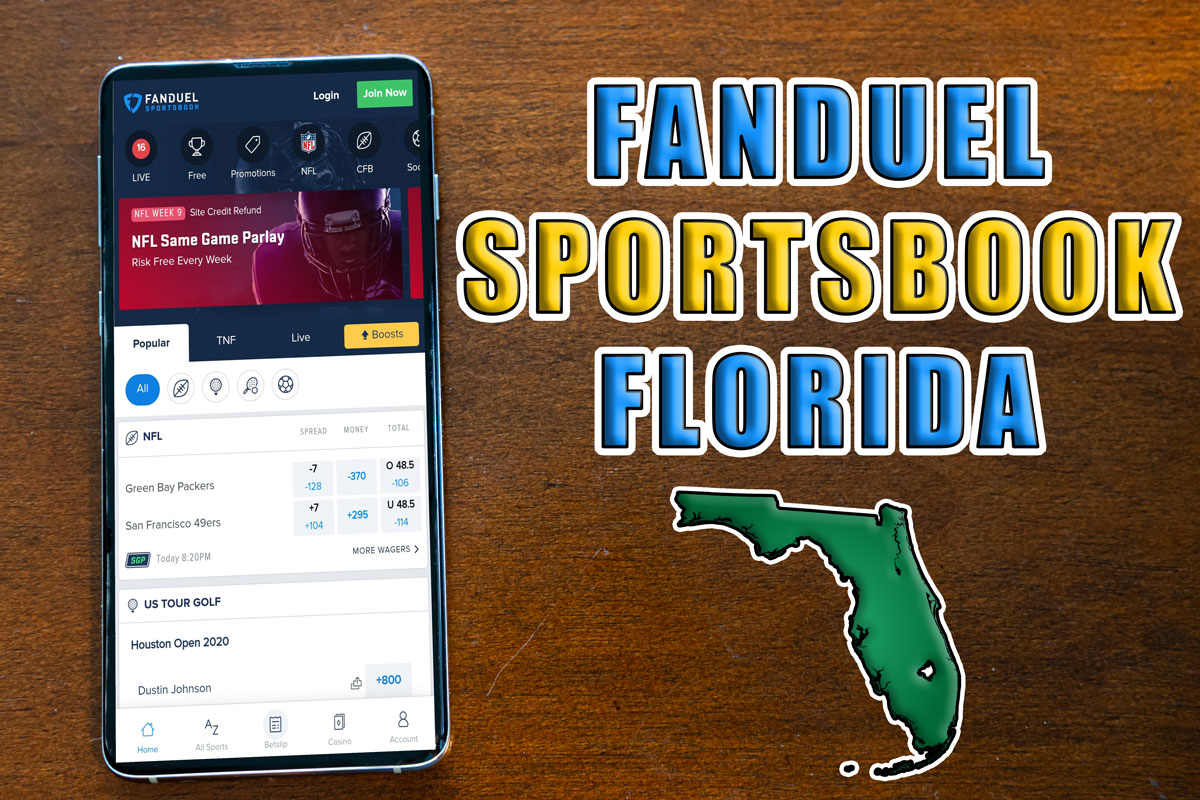
The quest for legal sports betting has become a significant topic across the United States, and Florida, with its massive population and vibrant sports culture, sits at the epicenter of this evolving landscape. Enthusiasts and industry giants alike eagerly await clarity on when — or if — major platforms like FanDuel will finally be able to offer their services in the Sunshine State. The answer, however, is complex, entangled in legal battles, tribal compacts, and the intricate dance of state and federal regulations. For residents and visitors who appreciate the dynamic interaction of sports, entertainment, and leisure, understanding this situation is key to navigating the future of lifestyle and recreation in Florida.
The Evolving Landscape of Sports Betting in Florida
Florida’s journey toward legalized sports betting is a microcosm of the broader national debate, characterized by high stakes, legislative ambitions, and judicial interventions. As a state renowned for its hospitality, tourism, and a passionate fan base for numerous professional and collegiate sports teams, the potential economic and recreational impact of a robust sports betting market is immense.
A Brief History of Gambling Legislation in the Sunshine State
Gambling in Florida has historically been tightly controlled, primarily limited to state lotteries, pari-mutuel wagering on horse and dog racing, and tribal casinos operating under compacts. Attempts to expand gambling options, including casino gaming and sports betting, have often faced significant political and social hurdles. The state’s constitution places a high bar for any gambling expansion, often requiring voter approval through statewide referendums, which complicates legislative efforts to introduce new forms of gaming. This backdrop is crucial for understanding the current impasse regarding sports betting.
The Initial Compact and Its Ambitions
The most recent significant development occurred in 2021 when Governor Ron DeSantis signed a new gaming compact with the Seminole Tribe of Florida. This landmark agreement sought to modernize Florida’s gambling landscape by granting the Seminole Tribe of Florida exclusive rights to operate sports betting throughout the state. A critical component of this compact was the “hub-and-spoke” model, which stipulated that all online sports bets placed anywhere in Florida would be processed through servers located on tribal land. This creative interpretation aimed to comply with federal laws requiring tribal gaming to occur on tribal lands, while simultaneously allowing statewide mobile wagering. Following the compact’s approval by the Department of the Interior, the Seminole Tribe of Florida briefly launched its Hard Rock Sportsbook app, offering a glimpse into the potential future of sports betting in Florida.
The Role of Tribal Gaming
Tribal gaming plays an indispensable role in Florida’s gambling ecosystem. Under the Indian Gaming Regulatory Act (IGRA), federally recognized tribes can operate gaming activities on their sovereign lands, provided they negotiate a compact with the state. The Seminole Tribe of Florida operates several highly successful casinos, including the Hard Rock Hotel & Casino Tampa and Hard Rock Hotel & Casino Hollywood. These agreements generate significant revenue for both the tribe and the state, making any changes to their scope highly contentious and economically impactful. The 2021 compact attempted to integrate online sports betting into this established framework, an innovation that ultimately faced legal scrutiny.
Legal Hurdles and Judicial Setbacks
Despite the initial optimism surrounding the 2021 compact, its implementation was swiftly challenged, leading to a series of legal battles that effectively halted statewide sports betting and put major operators like FanDuel on indefinite hold.
The Federal Court Challenge: West Flagler Associates v. Deb Haaland
The primary legal challenge came from West Flagler Associates, an owner of pari-mutuel facilities in Florida, and Bonita-Fort Myers Corporation. They argued that the compact’s “hub-and-spoke” model violated IGRA by allowing gambling to occur off tribal lands. They filed a lawsuit against the Department of the Interior and Secretary Deb Haaland, asserting that the compact unlawfully expanded gaming beyond tribal territories without voter approval. This case became the linchpin of the sports betting debate in Florida.
Key Arguments and Rulings
In November 2021, a federal judge for the U.S. District Court for the District of Columbia sided with West Flagler Associates, vacating the compact and declaring the “hub-and-spoke” model invalid under IGRA. The court ruled that placing a bet from a phone off tribal land constitutes gambling off tribal land, irrespective of where the server is located. This ruling effectively shut down the Hard Rock Sportsbook app and paused all statewide mobile sports betting. The Department of the Interior appealed this decision, and the case has since been through several legal stages, including an appeal to the D.C. Circuit Court of Appeals, which ultimately reversed the lower court’s decision in June 2023, reinstating the compact. This has led to the Hard Rock Sportsbook relaunching for a period, though West Flagler Associates has since sought further review from the Supreme Court, adding another layer of uncertainty.
The Impact on Florida’s Gaming Future
These judicial back-and-forths have created a volatile environment, making it nearly impossible for major national operators like FanDuel to enter the Florida market. Until there is definitive legal clarity, and likely a final ruling from the highest courts or new legislative action, the path for outside operators remains blocked. The ongoing litigation not only delays the economic benefits associated with sports betting but also frustrates a significant portion of the population eager to engage in this form of entertainment.
FanDuel’s Position and Market Entry Strategy
For a company like FanDuel, Florida represents one of the largest untapped markets in the United States. Its strategic importance cannot be overstated, yet the company’s approach is dictated by the legal and political realities on the ground.
How Major Operators View the Florida Market

Florida’s population of over 22 million, coupled with its robust tourism industry and numerous professional sports teams (including NFL, NBA, NHL, and MLB franchises), makes it an incredibly attractive prospect for sports betting operators. Cities like Miami, Tampa, and Orlando are hubs of sports enthusiasm. For FanDuel and its competitors, gaining access to Florida would mean significant revenue generation, increased market share, and a stronger national presence. These operators typically invest heavily in market research, lobbying efforts, and technology development to be ready the moment a state opens its doors.
The Waiting Game: Preparedness and Patience
Given the legal complexities, FanDuel and other major players are in a holding pattern. Their strategy involves vigilant monitoring of legal proceedings, maintaining dialogues with state lawmakers and regulators, and ensuring their technological infrastructure is ready for deployment should the opportunity arise. They are prepared to enter the market quickly, but only when the legal framework is stable and offers a clear path to operation. This patience is crucial, as premature entry or missteps in such a legally sensitive environment could lead to costly penalties and reputational damage. The company’s goal is to offer a safe, regulated, and engaging platform that aligns with both state and federal laws.
Potential Economic and Lifestyle Implications
The arrival of FanDuel would bring significant economic benefits to Florida, including new tax revenues, job creation in technology and customer service, and increased advertising expenditure within the state. From a lifestyle perspective, it would dramatically enhance entertainment options for millions. Sports fans could engage with games in a new, interactive way, adding an extra layer of excitement to watching their favorite teams, whether it’s the Miami Dolphins or the Tampa Bay Lightning. This integration of sports betting into daily life aligns with the broader trend of digital entertainment and personalized experiences that cater to modern consumer preferences.
What This Means for Residents and Visitors
The ongoing legal battles mean that, for the foreseeable future, the options for legal online sports betting in Florida remain limited and uncertain, primarily tied to the Seminole Tribe of Florida’s Hard Rock Sportsbook and its fluctuating legal status.
Current Options for Sports Enthusiasts
Currently, legal sports betting in Florida operates under a cloud of judicial uncertainty. While the Hard Rock Sportsbook app has seen periods of operation due to favorable court rulings, its long-term availability is contingent on further legal outcomes, particularly from the Supreme Court. This means residents and visitors often find themselves in a state of confusion regarding what is permissible. For those looking for legal sports betting, travel to neighboring states where it is fully regulated, or participation in daily fantasy sports (which operates under a different legal classification) might be the only consistent alternatives.
The Future of Entertainment and Leisure in Florida
The full legalization of sports betting, including the entry of major operators like FanDuel, would revolutionize the entertainment and leisure landscape in Florida. It would offer a seamless, secure, and regulated way for individuals to engage with sports, adding a dynamic layer to sports viewing parties, trips to sports bars, and general leisure activities. This could also enhance the appeal of Florida as a destination for sports tourism, complementing its existing attractions like theme parks and pristine beaches. The convenience of placing bets from a smartphone would integrate into the modern lifestyle, appealing to a tech-savvy demographic.
Anticipating the Launch: What to Expect
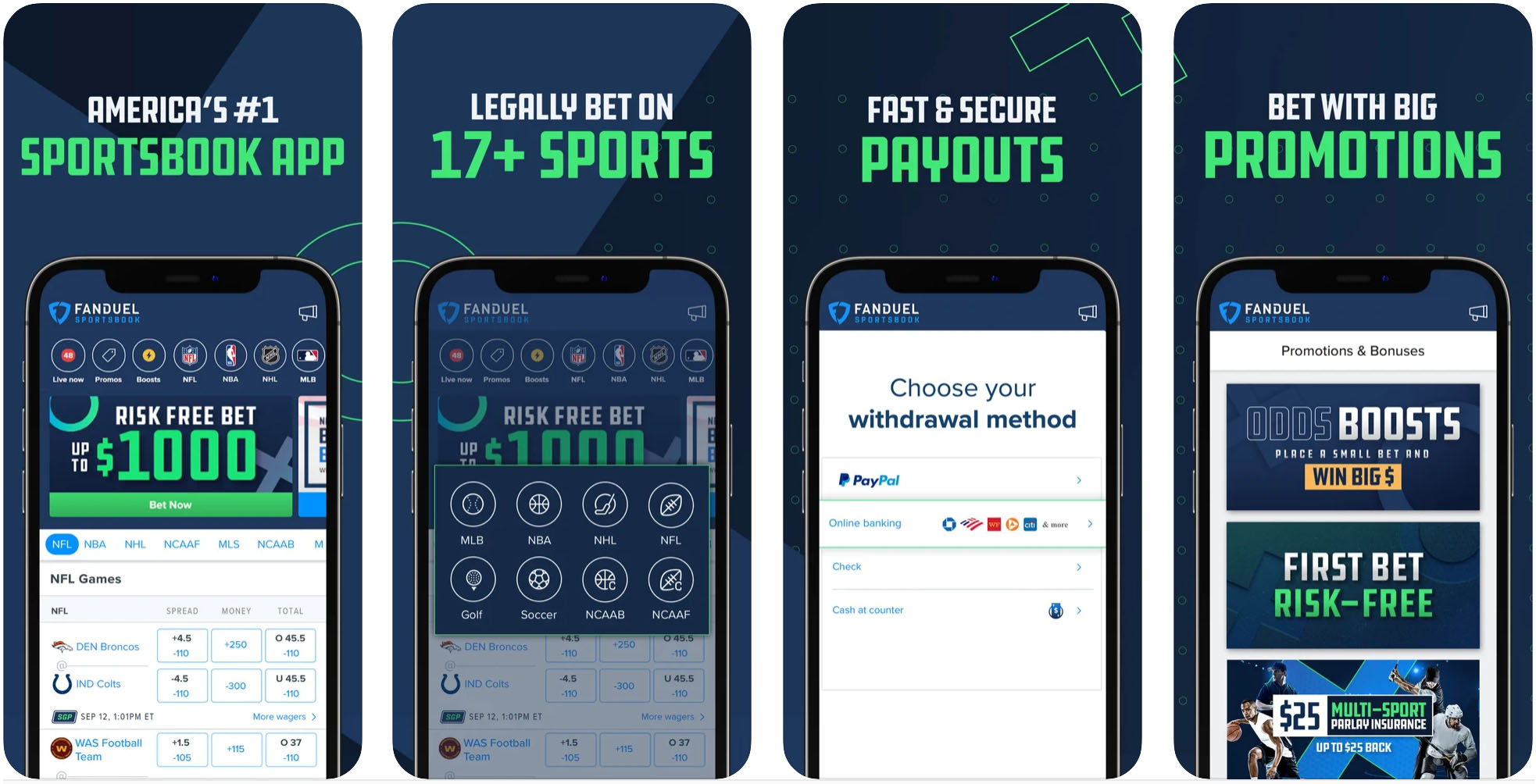
When FanDuel eventually launches in Florida, users can expect a full suite of features, including a wide array of sports markets, live betting options, parlays, and various promotional offers. The user experience would likely be intuitive and highly engaging, leveraging the company’s established technology and brand recognition. For sports fans, it would mean a dramatically expanded set of opportunities to interact with events like the Super Bowl, NBA Finals, and World Series, offering a new dimension to their passion. The anticipation builds with each passing court date and legislative session, as the promise of widespread, legal online sports betting draws closer.
The Path Forward: Legislative and Regulatory Outlook
The road to widespread legal sports betting in Florida is fraught with complexities, requiring either definitive judicial clarity or new legislative efforts.
Potential Routes to Legalization
There are essentially two main pathways for FanDuel and other major operators to enter the Florida market:
- Judicial Resolution: The most direct route would be a final, unequivocal ruling by the Supreme Court that clarifies the legality of the “hub-and-spoke” model and the state’s compact with the Seminole Tribe of Florida. If the compact is ultimately upheld, the state would then need to determine how to allow other operators to participate, possibly through sub-licensing agreements with the Tribe or a renegotiated compact that expands the scope.
- Legislative Action & Voter Referendum: If the compact is struck down or remains in legal limbo, the Florida Legislature might need to draft new legislation. Given the state’s constitutional requirement for voter approval on gambling expansion, any significant legislative move would likely necessitate a statewide referendum. This path is often lengthy and expensive, requiring significant campaigning to sway public opinion.
The Role of Public Referendums
Public sentiment in Florida towards gambling expansion is mixed, and the state’s constitutional amendment requiring voter approval for new forms of casino gambling makes referendums a powerful tool. In 2022, two separate initiatives to bring sports betting to the ballot failed to garner enough signatures. This indicates that while there’s a clear demand for sports betting, the public and political will to achieve it through a direct ballot initiative has yet to fully materialize, partly due to the complexities and vested interests involved.
Long-Term Vision for Florida’s Gaming Industry
Ultimately, Florida is too large and too sports-centric a state to remain on the sidelines of the rapidly expanding legal sports betting market indefinitely. The long-term vision likely includes a comprehensive, regulated framework that maximizes revenue for the state while offering residents and visitors a safe and enjoyable betting experience. Whether this future involves multiple competing platforms like FanDuel operating independently, or through a unique model tied to tribal exclusivity, remains to be seen. What is clear is that the journey to widespread legal sports betting in Florida is a complex, ongoing narrative that promises significant changes for the state’s economy, its residents, and the vibrant tapestry of its lifestyle and entertainment options.
LifeOutOfTheBox is a participant in the Amazon Services LLC Associates Program, an affiliate advertising program designed to provide a means for sites to earn advertising fees by advertising and linking to Amazon.com. Amazon, the Amazon logo, AmazonSupply, and the AmazonSupply logo are trademarks of Amazon.com, Inc. or its affiliates. As an Amazon Associate we earn affiliate commissions from qualifying purchases.